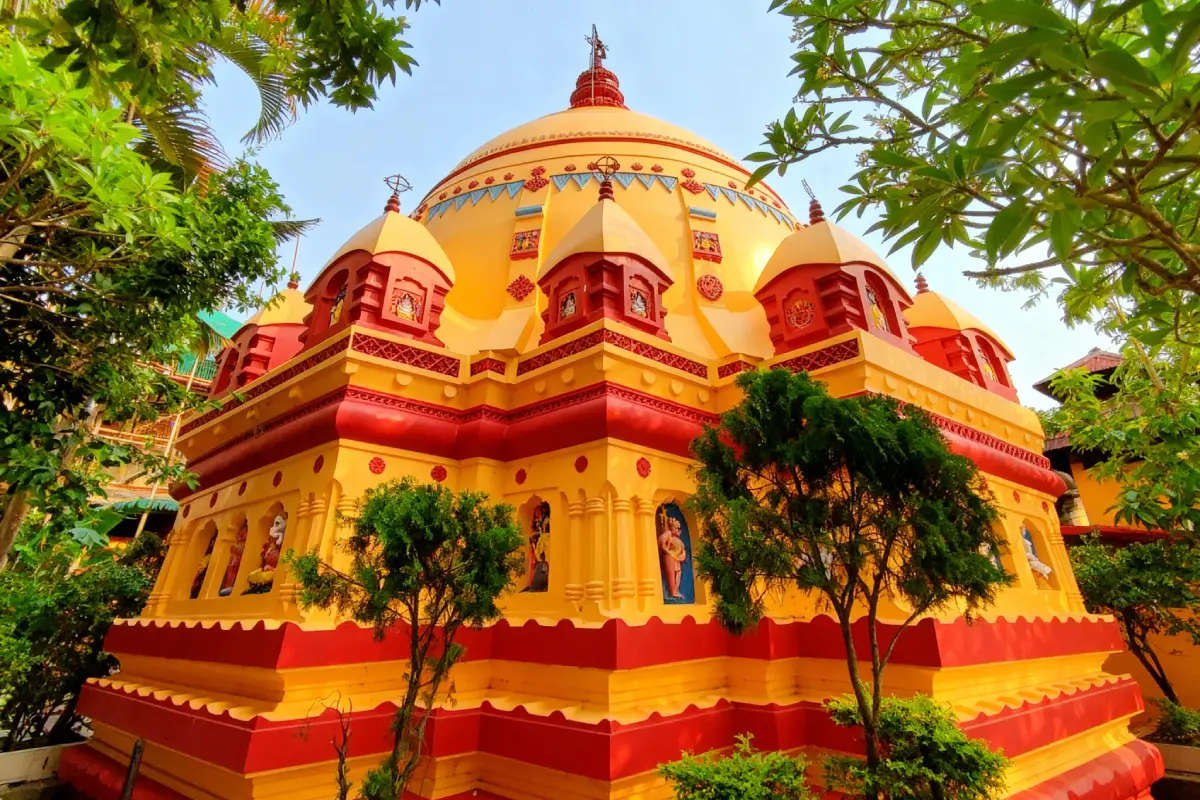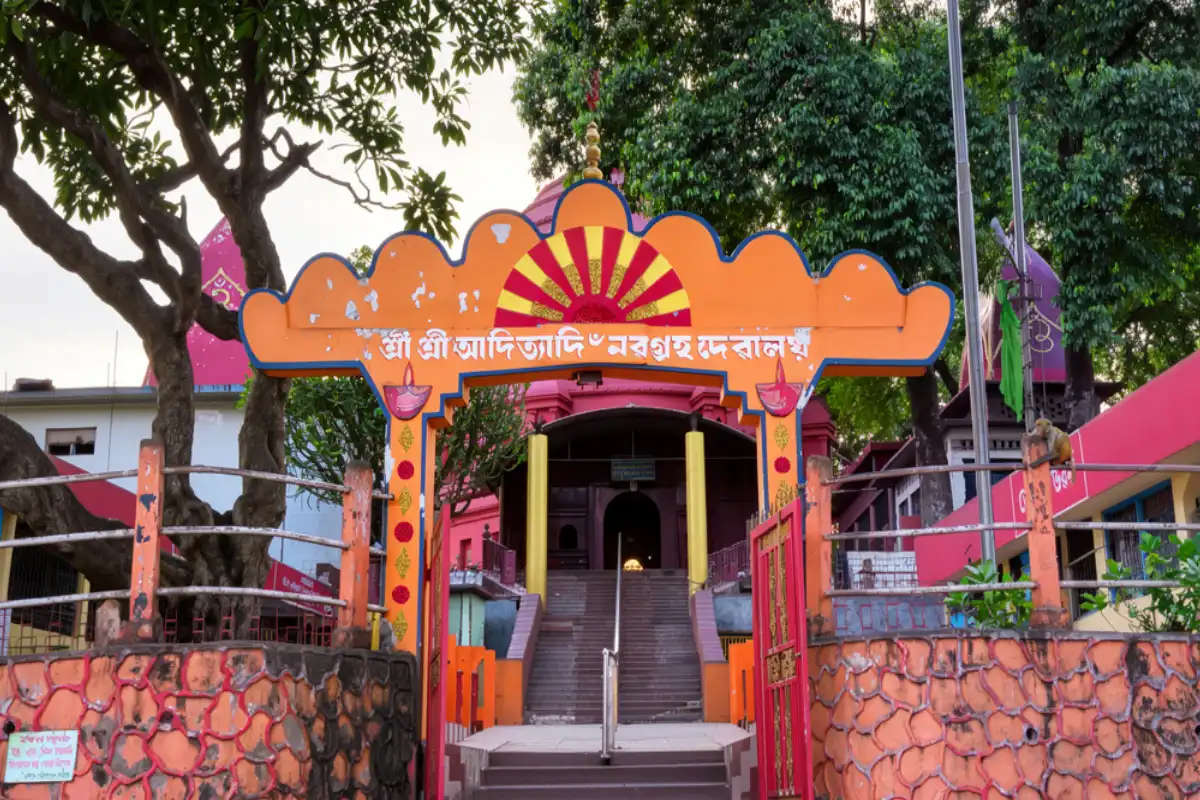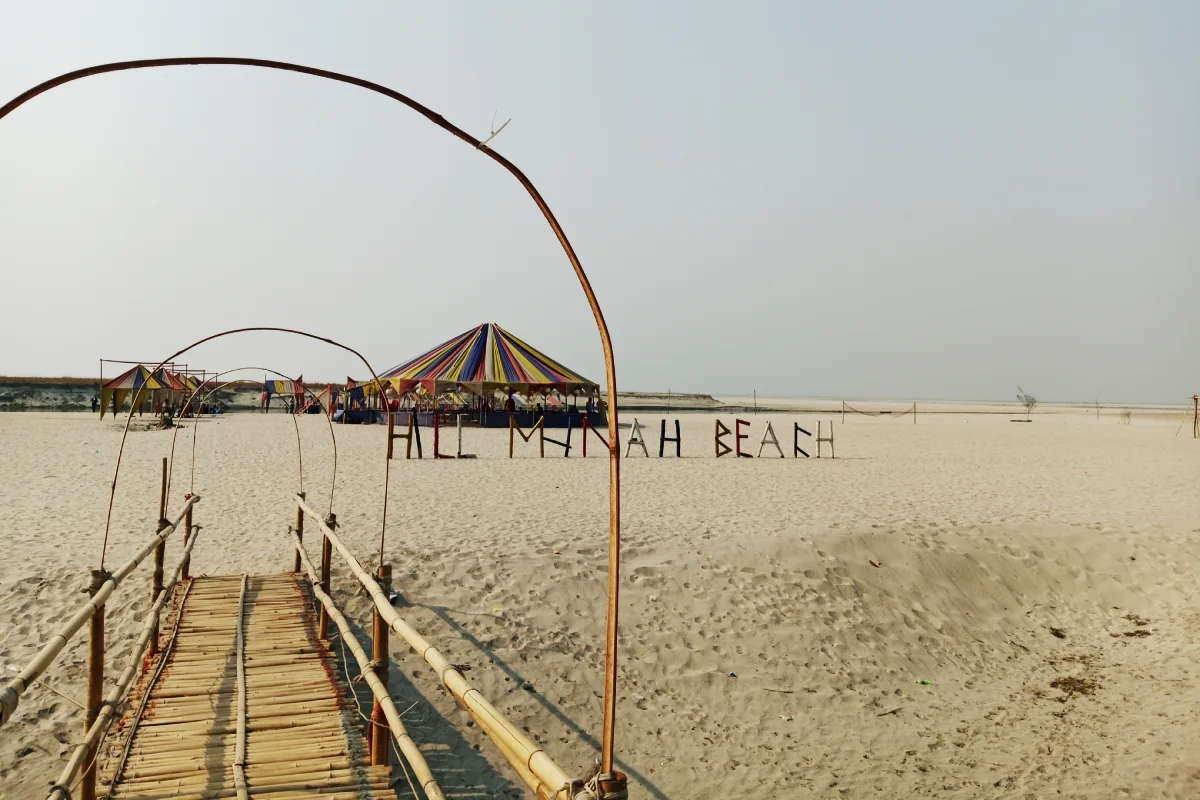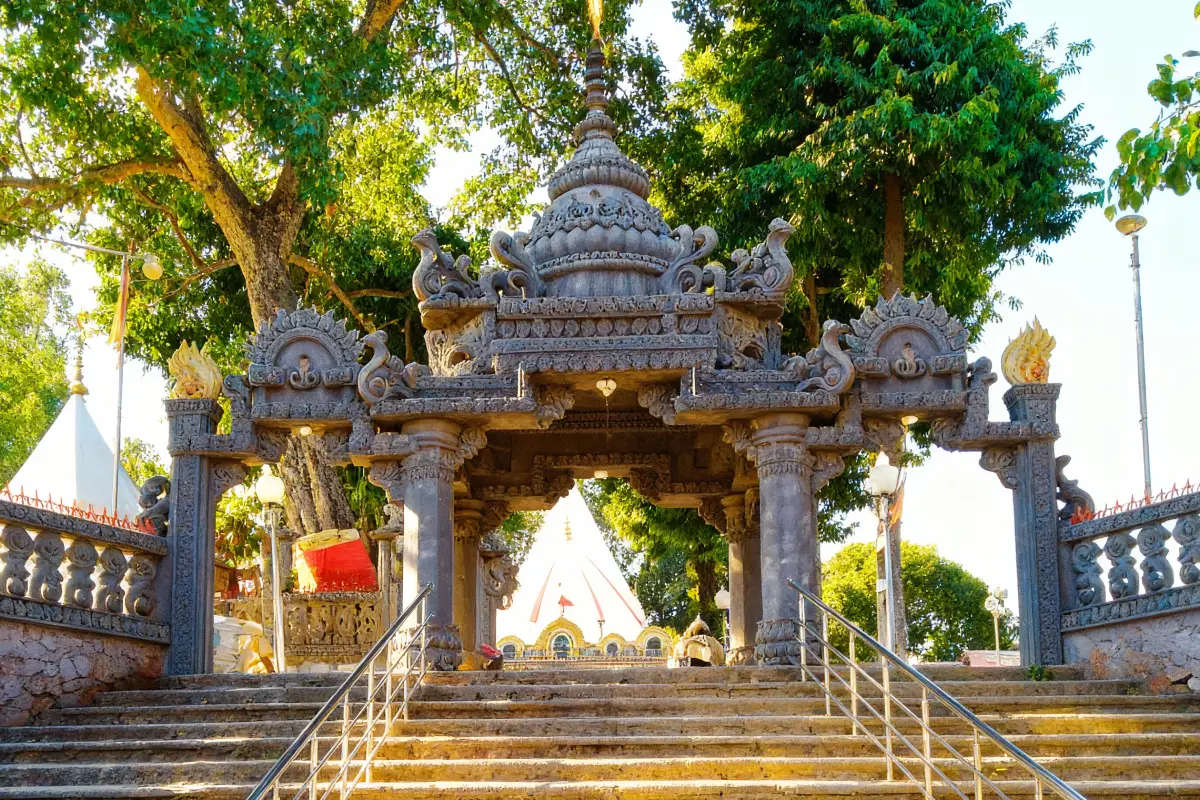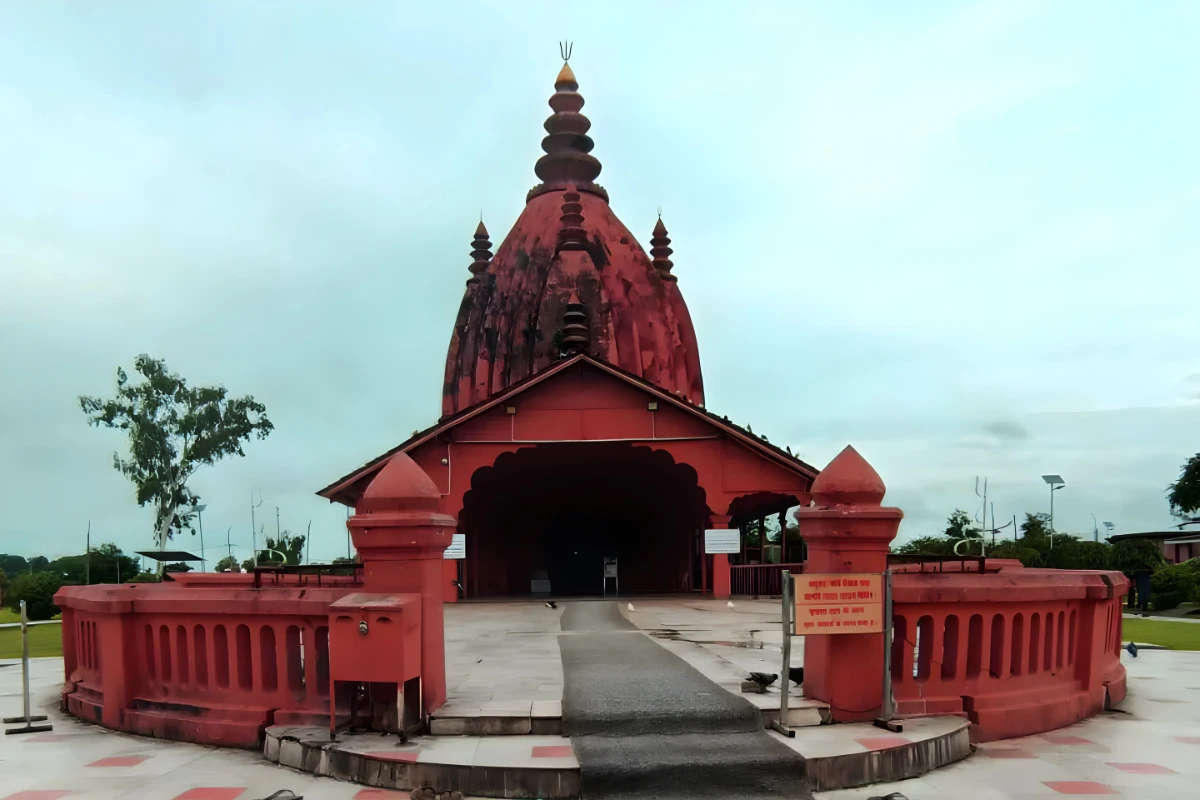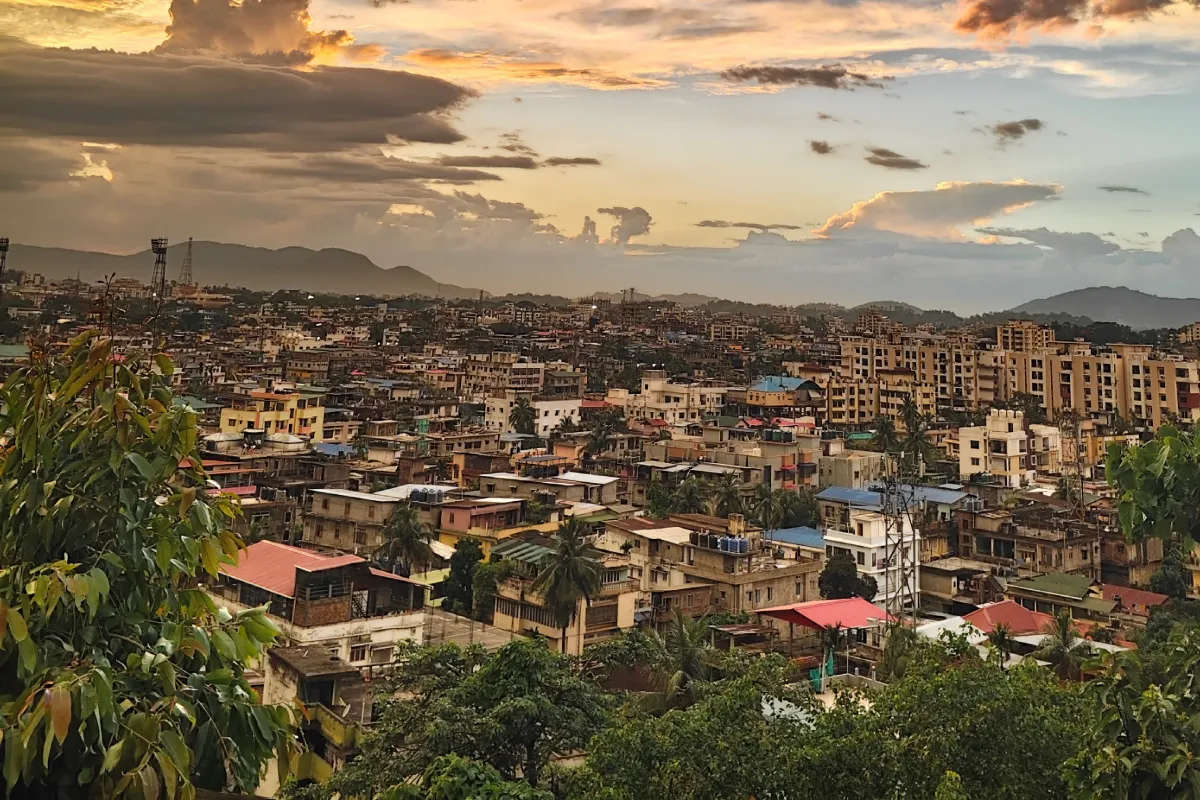


Away from life's busyness, you may seek a moment to relax and reconnect with yourself. Despite the daily hustle and bustle, that place of quiet still awaits you, Dighali Pukhuri. Located in the heart of a bustling city, it beautifully combines history and natural charm. Its serene waters, surrounding parks, and pleasant ambiance attract people of all ages. Digholi Pukhuri is popular for its natural beauty, rich history, and cultural significance, making it a favorite among locals and tourists alike.
Dighali Pukhuri is a man-made pond. It is believed that the name "Dighali Pukhuri" comes from its elongated shape, as "dighal" means "long" in Assamese. This characteristic shape adds to its distinctive identity.
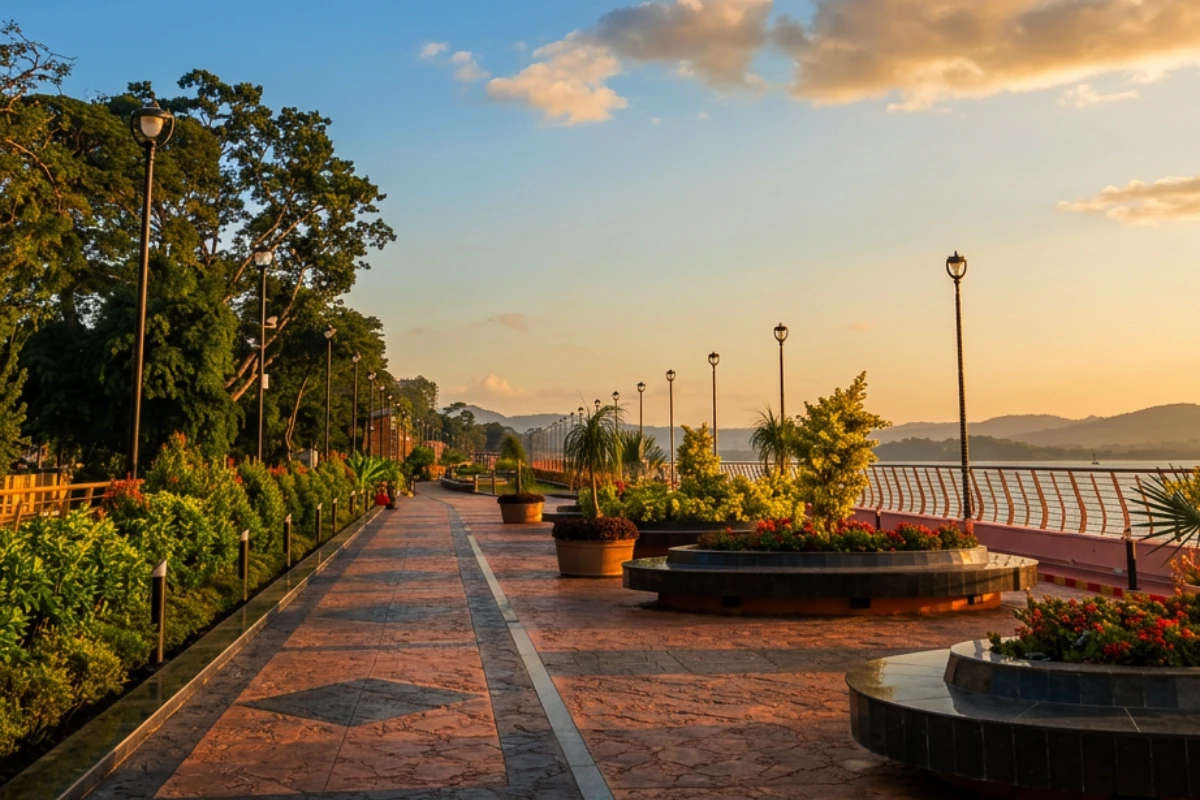
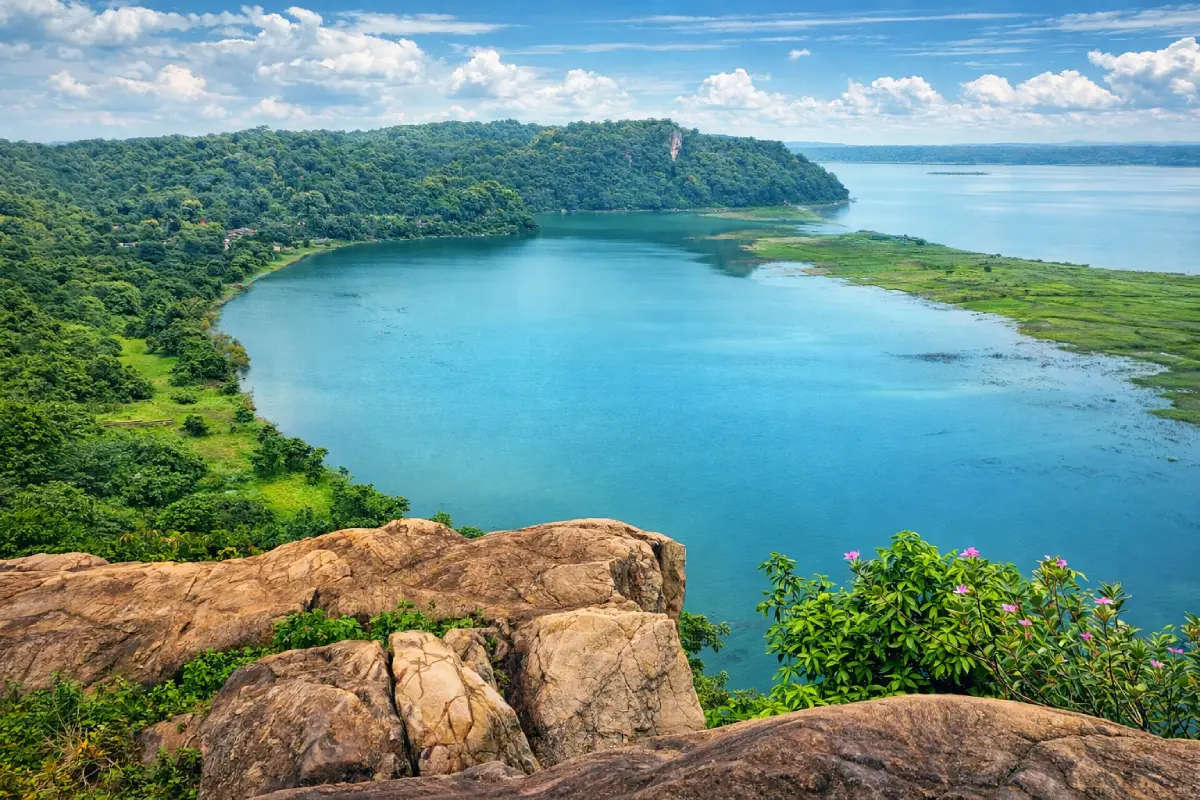
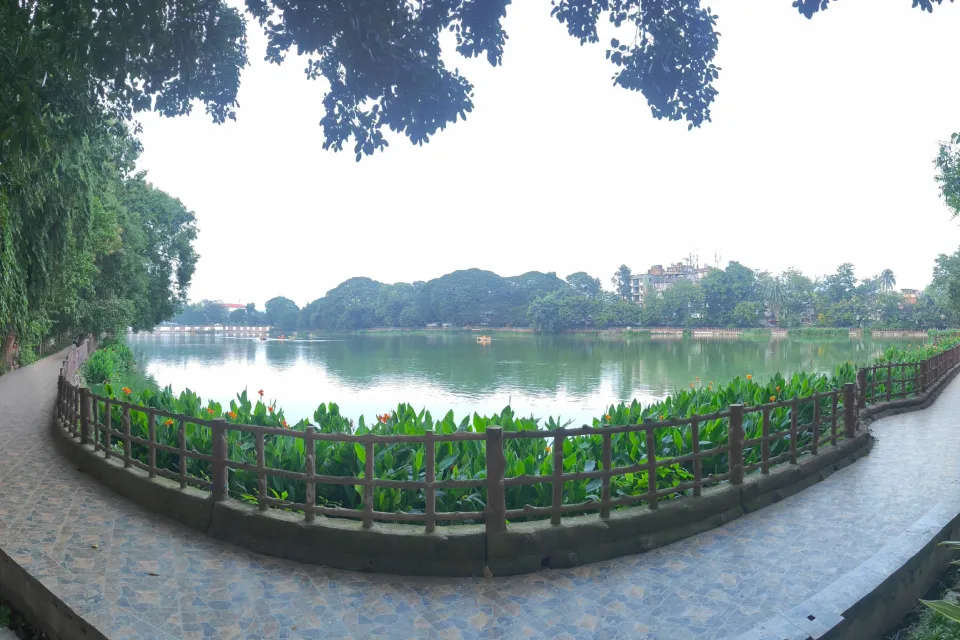
Digholi Pukhuri is surrounded by a beautiful park, which serves as a vast recreational area for all. The park features lush trees, colorful flowers, and open spaces, creating stunning views in every direction. Well-maintained pathways and seating areas invite visitors to take a break and relax. You can enjoy the serene beauty of Digholi Pukhuri while spending quality time in this peaceful environment. Digholi Pukhuri is a major attraction for its tranquility. It continuously draws tourists and locals alike.
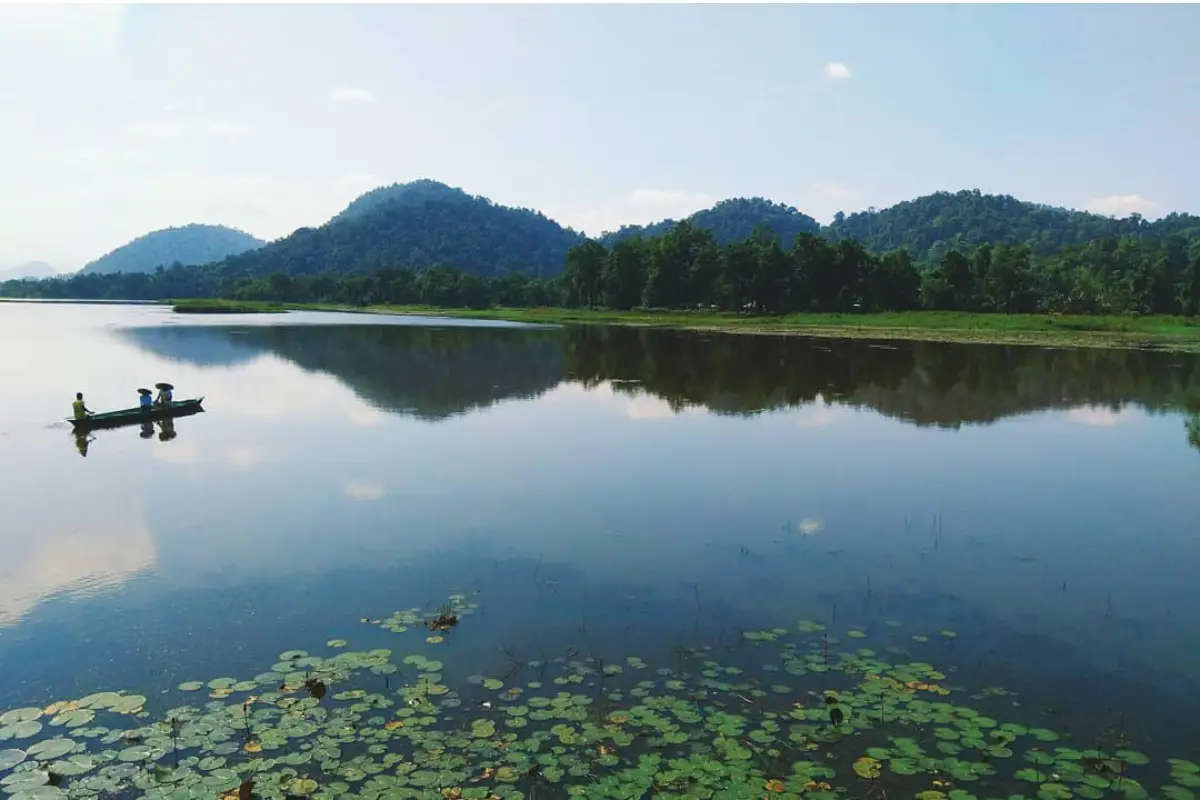
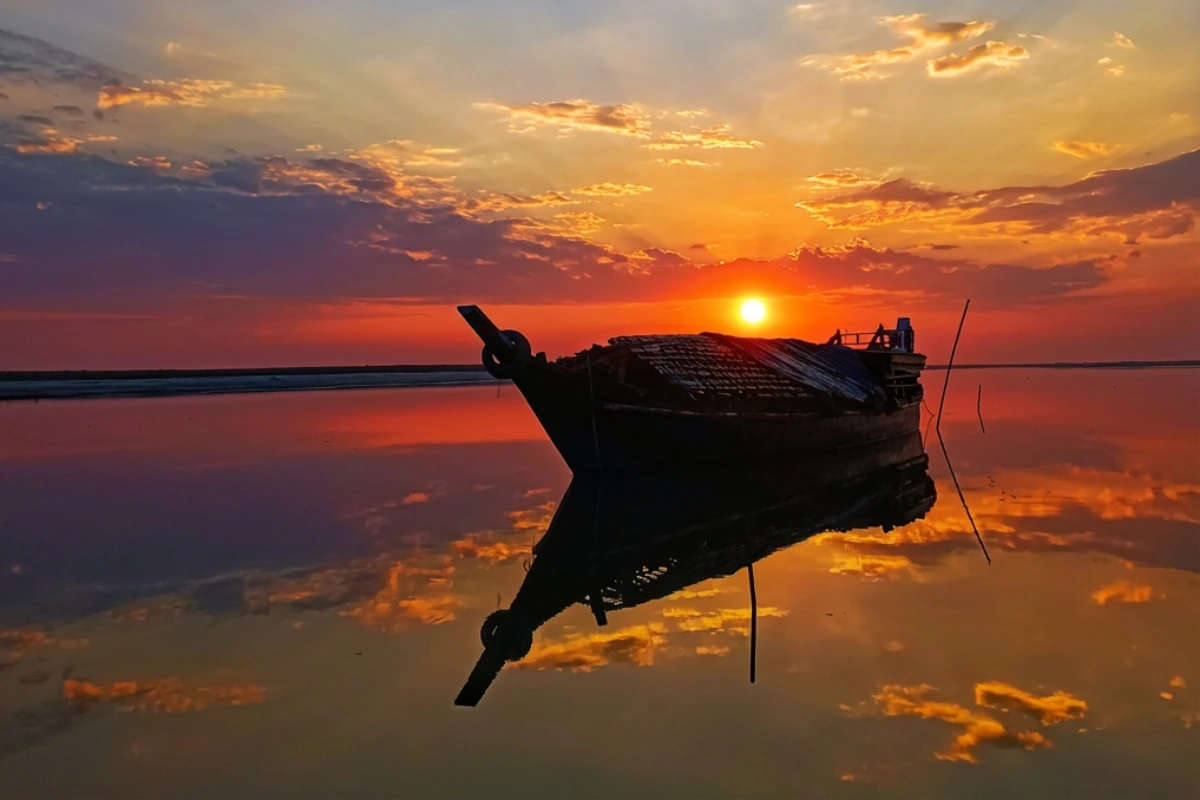
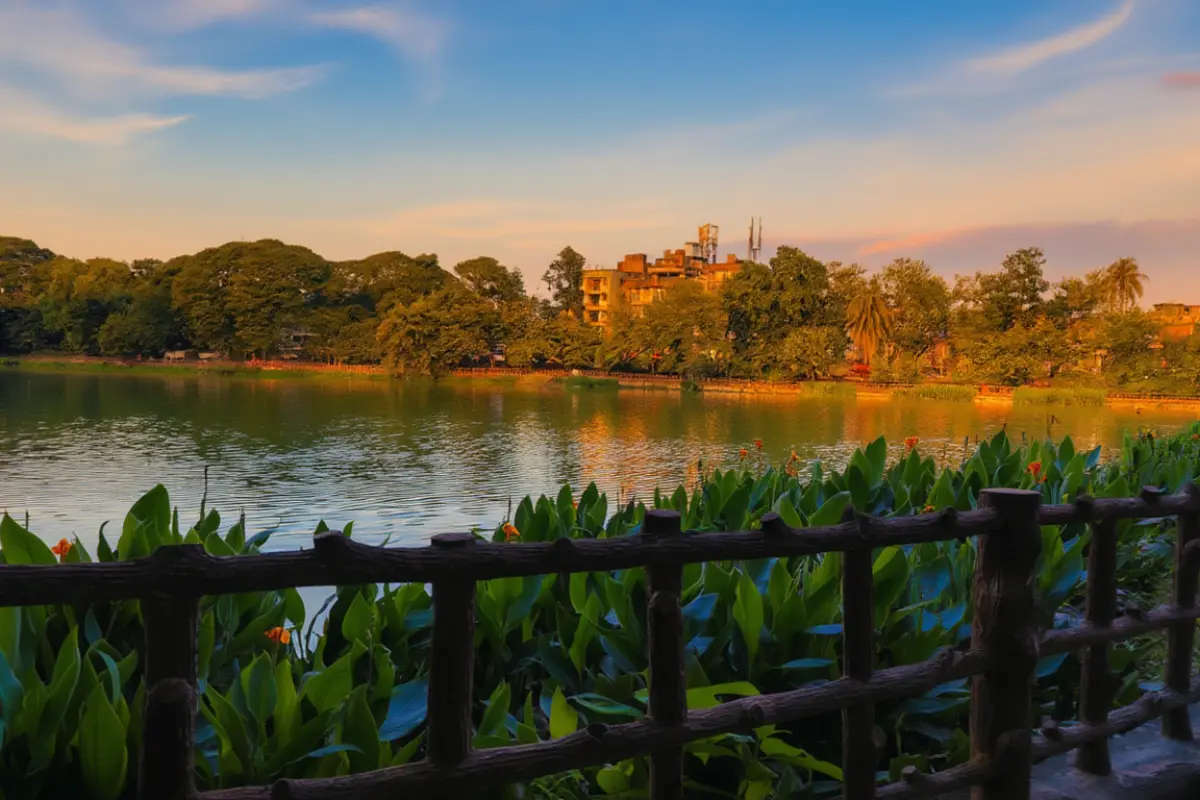
Dighali Pukhuri is filled with breathtaking natural beauty. The reflection of the changing sky in its calm waters creates a unique experience. Surrounding gardens and old-age trees contribute to its extraordinary scenic charm. The gentle breeze and fresh ambiance add a touch of serenity.
On the right side of Digholi Pukhuri, you will find a variety of street food options. It is an ideal spot to enjoy simple yet delicious food. You won’t be able to resist savoring delicacies like chow mein, chicken dishes, and various sweet treats.
Relax in a peaceful natural environment.
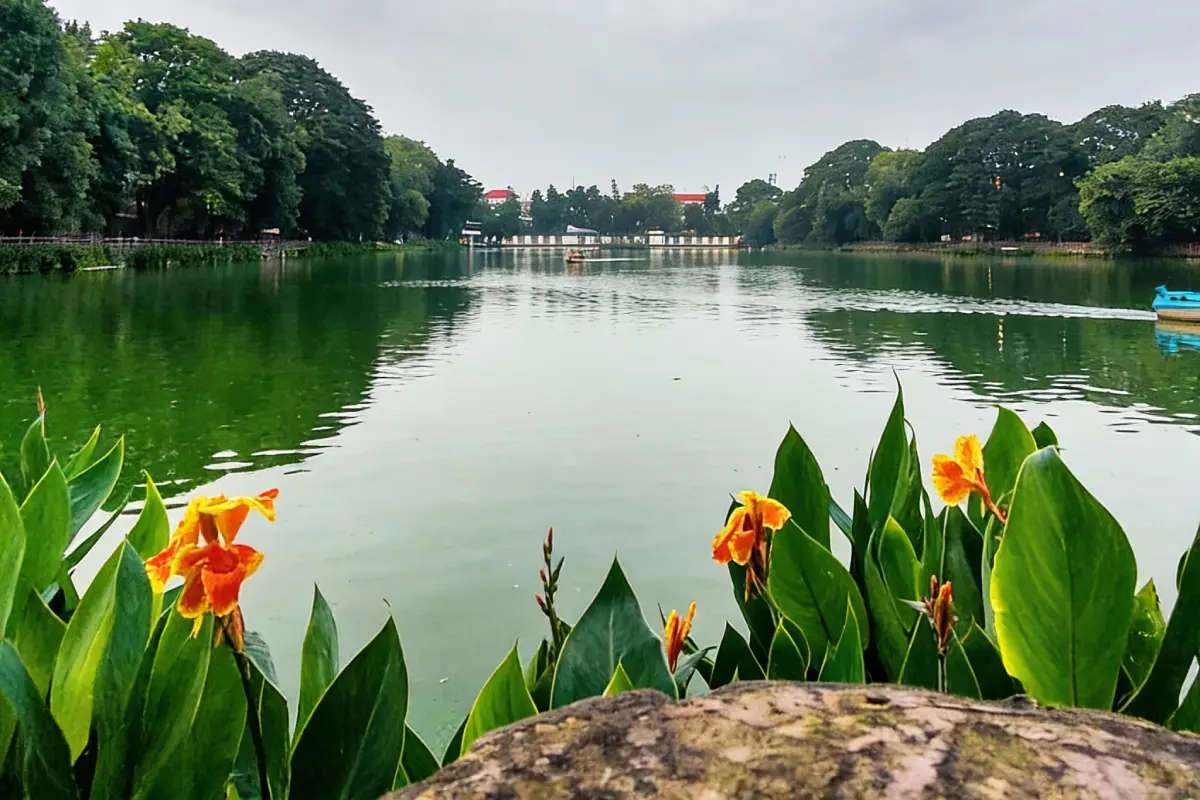
Enjoy a boat ride on the tranquil waters.

Distance From Guwahati City Centre : 9 KM

Nearest Railway Station: Guwahati Railway Station (0.4 Km)

Nearest Bus Stoppage: Silpkuhuri (0.1 Km)

Nearest Airport: LGBI Airport, Azara, Guwahati(22 )
It is easily accessible within a short time due to convenient transportation options. Local buses, autos, and private vehicles make it easy to reach. From the heart of Guwahati, you can reach Digholi Pukhuri comfortably via NH 27 using a city bus or private vehicle. Alternatively, from ISBT, you can travel about 10 km via GNB Road to reach the spot.
The nearest railway station to Dighali Pukhuri is Guwahati Railway Station, which connects Assam with various parts of the country. From the station, you can take GNB Road/Gopinath Bordoloi Road/Station Road and walk a short distance to reach the historic Digholi Pukhuri.
From Lokpriya Gopinath Bordoloi International Airport, Digholi Pukhuri is just a half-hour journey. You can travel conveniently via NH 27 and NH 17 using public transport.
Winter is the ideal season to explore Digholi Pukhuri's serene beauty. The cool air and refreshing environment during this time provide a truly blissful experience.
The best time to visit Digholi Pukhuri is during the morning and evening hours. The soft sunlight and vibrant ambiance in the morning bring a sense of joy and peace to your soul. In the evening, the illuminated surroundings create a mesmerizing view that calms your mind.
According to folklore, Digholi Pukhuri was created by King Bhagadatta of Pragjyotishpur by digging a channel from the Brahmaputra River. It is believed that Bhagadatta constructed this pond during the swayamvara of his daughter, Bhanumati. The pond is said to date back to the Mahabharata era, when King Bhagadatta held an archery contest for Bhanumati’s swayamvara.
In later years, the kings of Kamrupa and Kamata used the pond for military purposes. Historical records suggest that Digholi Pukhuri was once directly connected to the Brahmaputra River. During the Ahom era, the pond was utilized for boat transportation and served as a dock. However, this connection to the river gradually diminished over time.
During British rule, Digholi Pukhuri underwent significant changes, with parts of it being filled in and reshaped for urban development. Eventually, a park was developed around the pond, transforming it into a popular tourist attraction.
*Advertisement