Kaziranga National Park
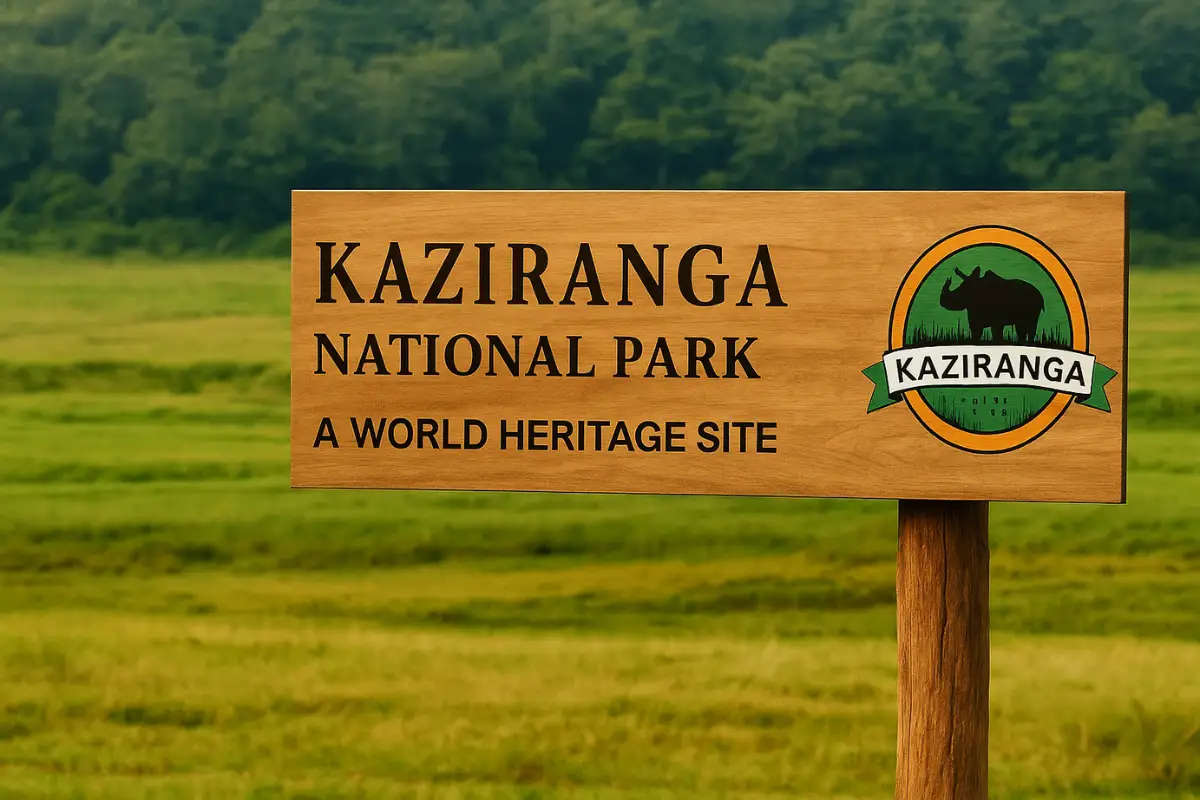
Located in the heart of Assam, Kaziranga National Park is a paradise for nature enthusiasts. Known across the globe, this protected area is a vital refuge for the endangered one-horned rhinoceros. Vast grasslands, tropical forests, and wetlands together form a vibrant landscape where nature thrives freely.
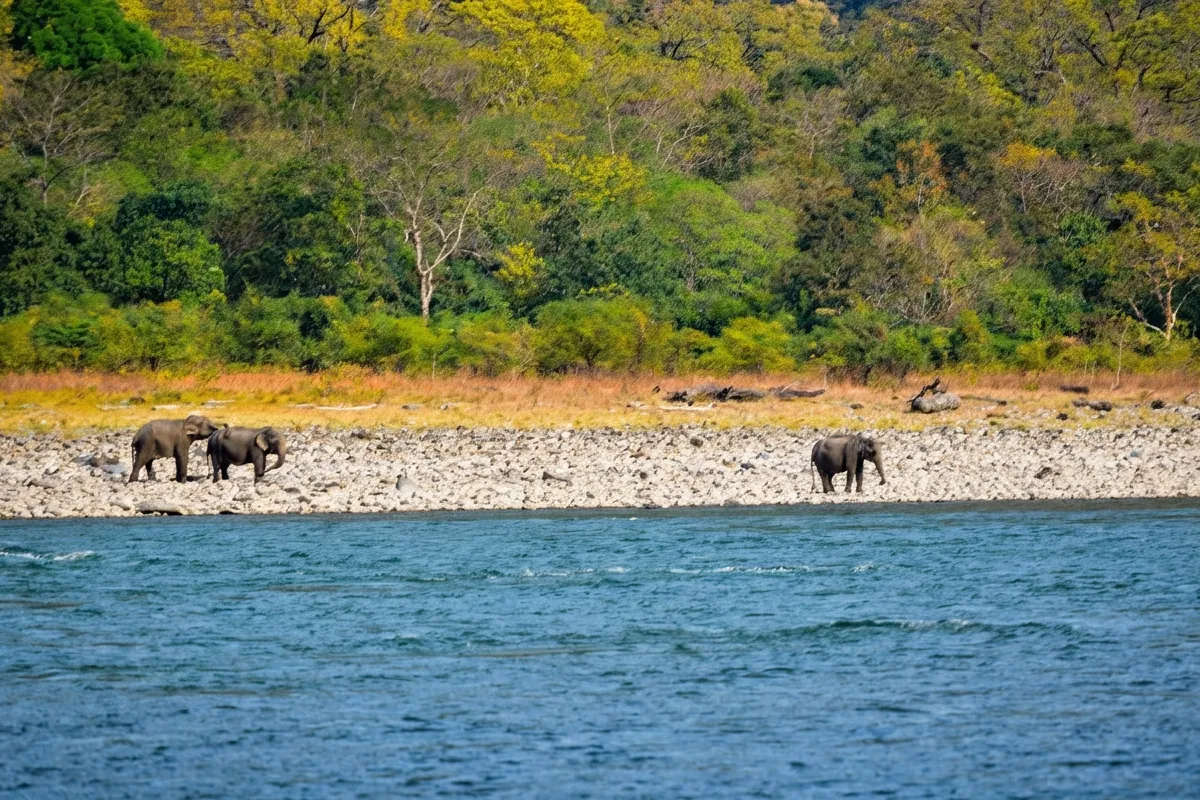
Recognized as a UNESCO World Heritage Site in 1985, Kaziranga National Park spans 1,090 sq. km. The Brahmaputra flows along its northern boundary, while smaller rivers like Borjuri, Kohora, and Diphlu cross through. Kaziranga was the first forest in Assam to become a national park and remains its proudest conservation symbol.
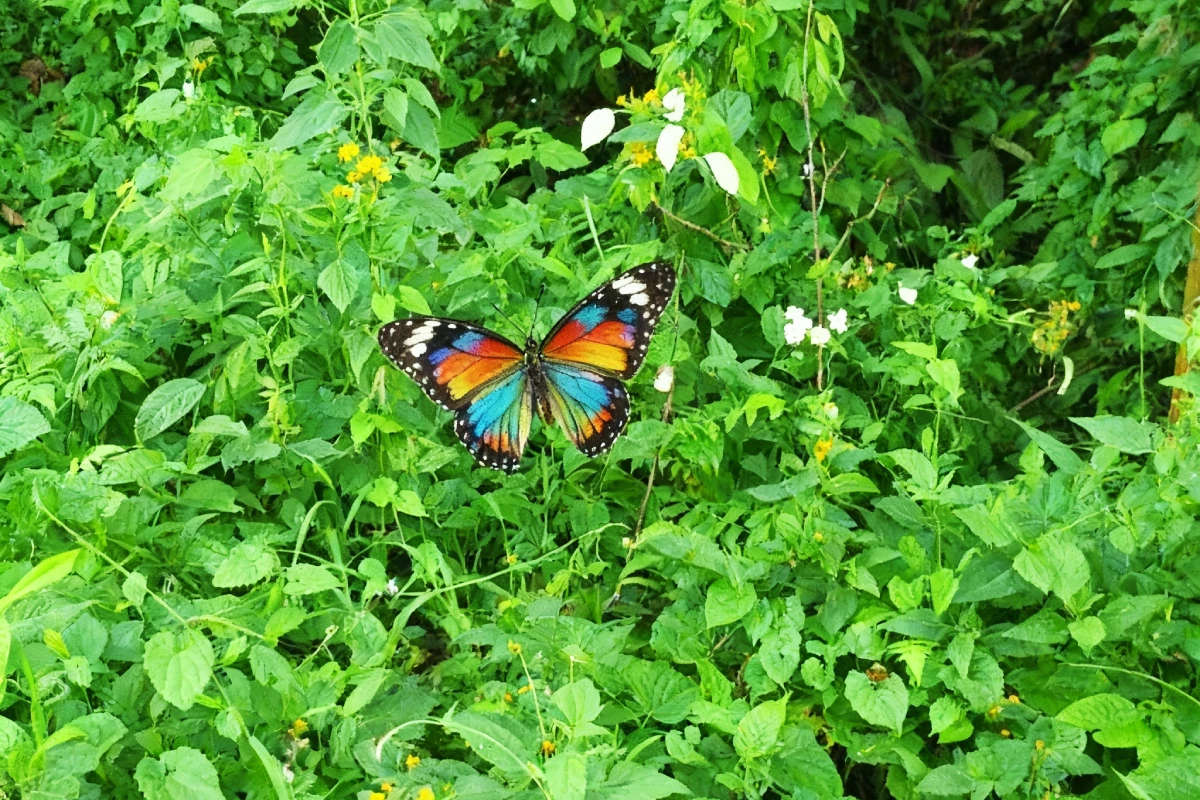
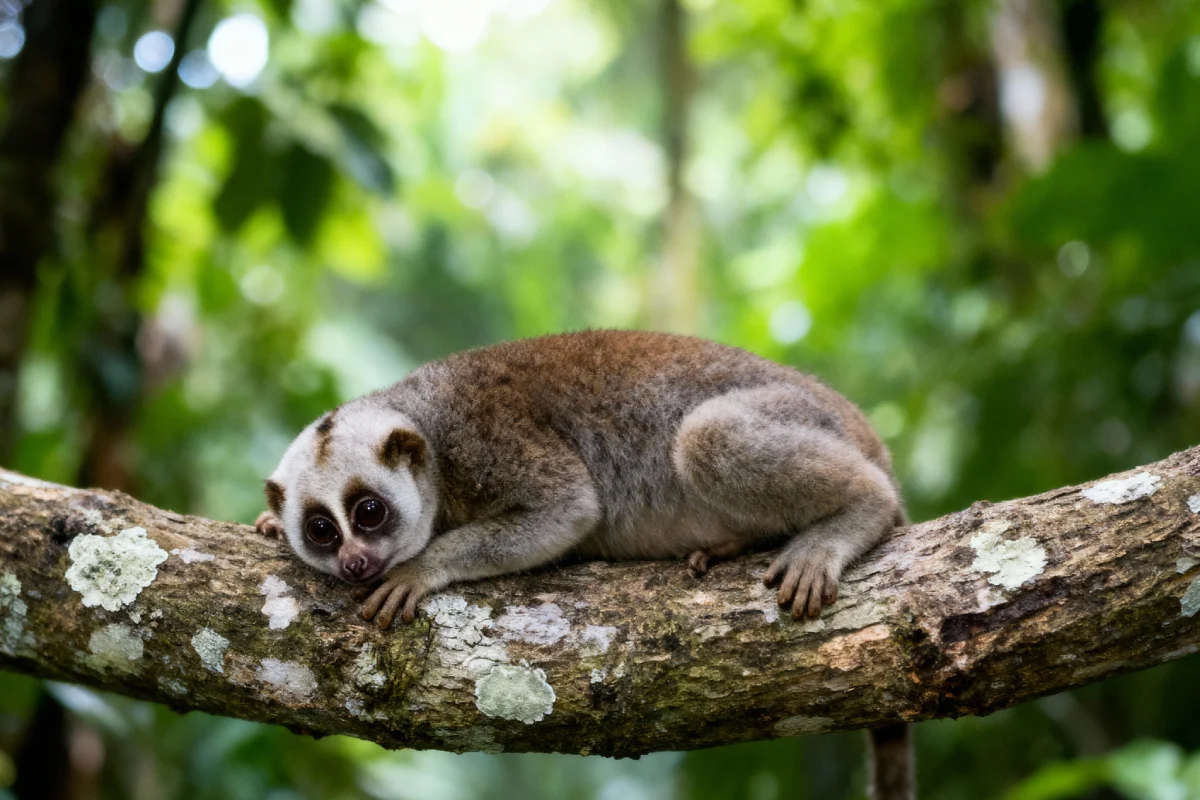
Kaziranga supports a rich variety of flora and fauna. It is covered with sedimentary grasslands, forests, and mixed dry deciduous forests, including tropical semi-evergreen forests. It is a treasure trove of many rare and unique natural resources. Kaziranga is especially known for its “Big Five,” including the one-horned rhinoceros, swamp deer, wild buffalo, royal Bengal tiger, and elephant. Holding the largest population of one-horned rhinoceroses in the world, Kaziranga shelters around 2,401 rhinos today. Additionally, the park supports over 20 mammal species, 27 types of reptiles, and 42 varieties of fish, along with several turtle species.
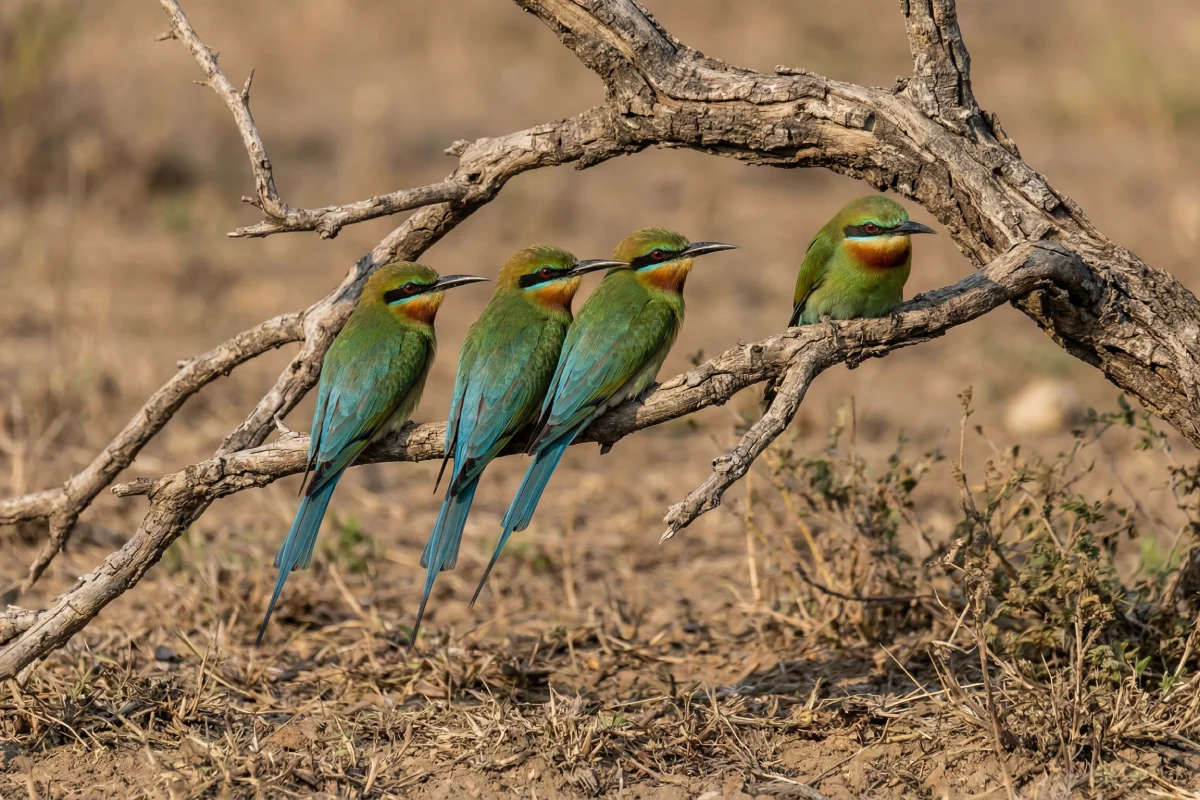
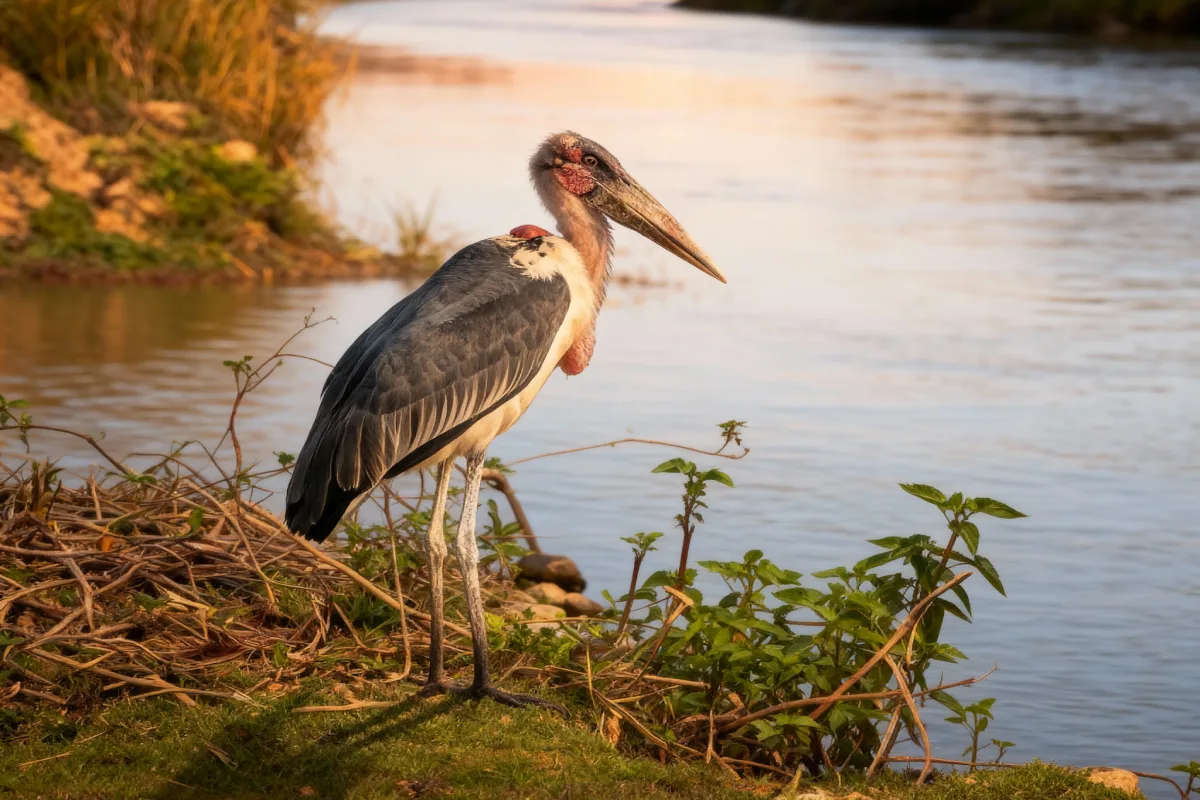
Kaziranga is also a paradise for birdwatchers. Over 480 migratory and resident bird species have been recorded here, which attract bird lovers from around the globe. For this reason, BirdLife International has also declared it an Important Bird Area.
Kaziranga is not just a wildlife destination, but it represents a strong future for Assam’s tourism sector. In Kaziranga, you can experience jeep safaris, elephant rides, bird watching, and nature trail walks, all of which will leave you mesmerized by Assam’s lush wildlife. Nature trails in Kaziranga offer an unforgettable journey through Assam’s pristine natural world.