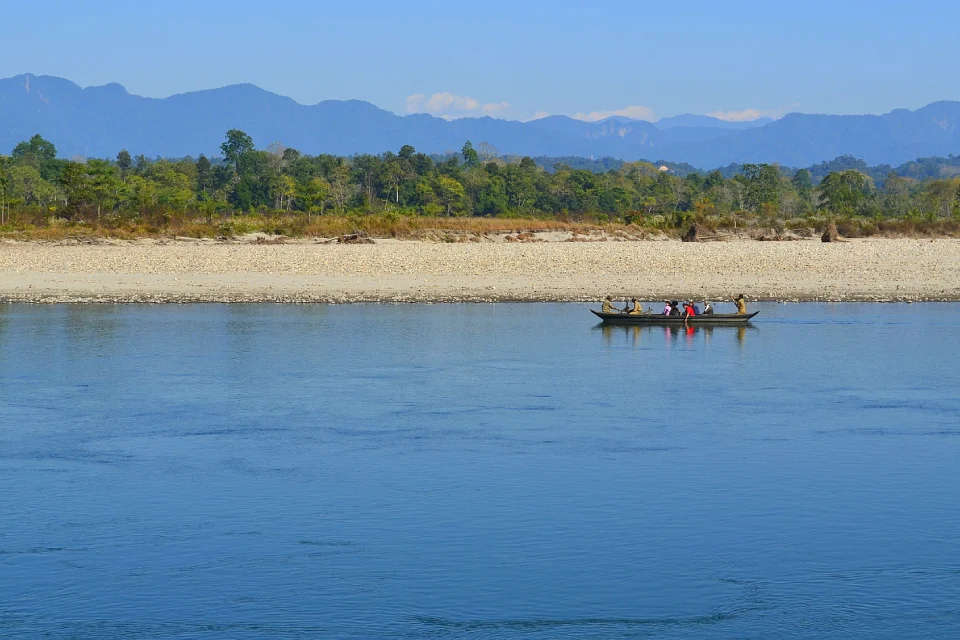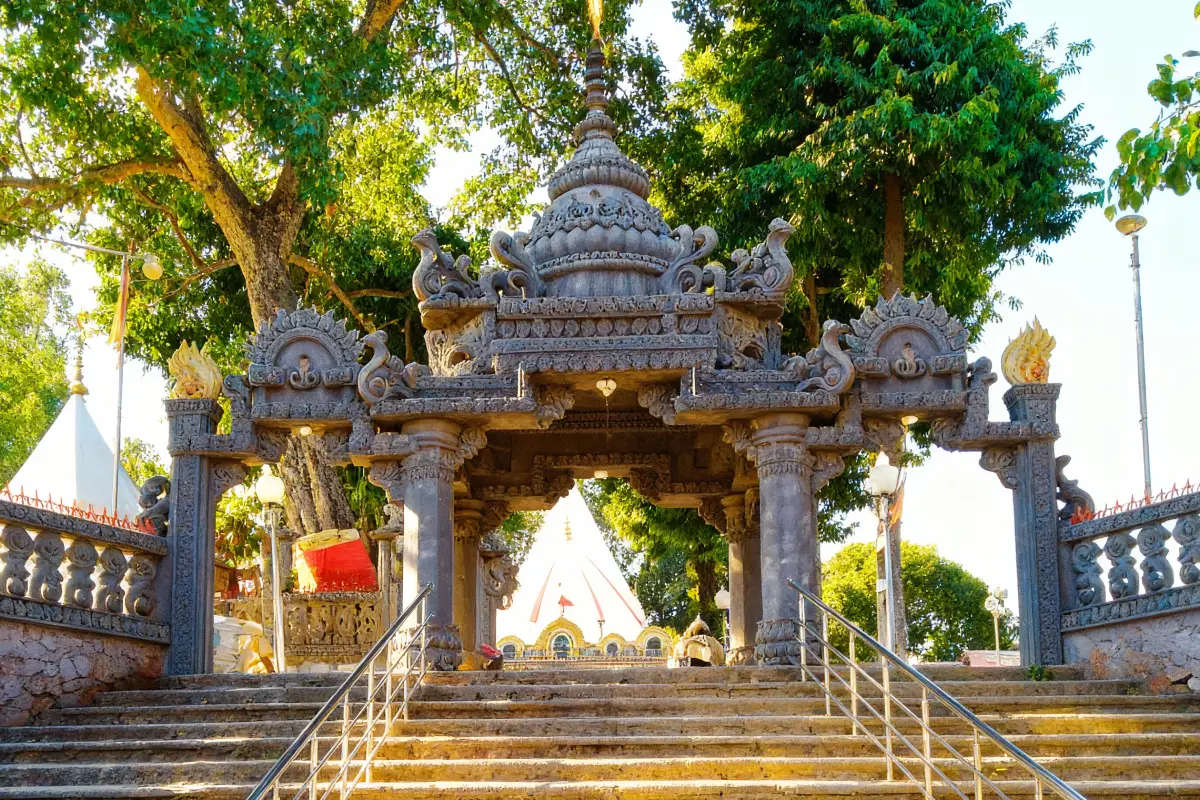
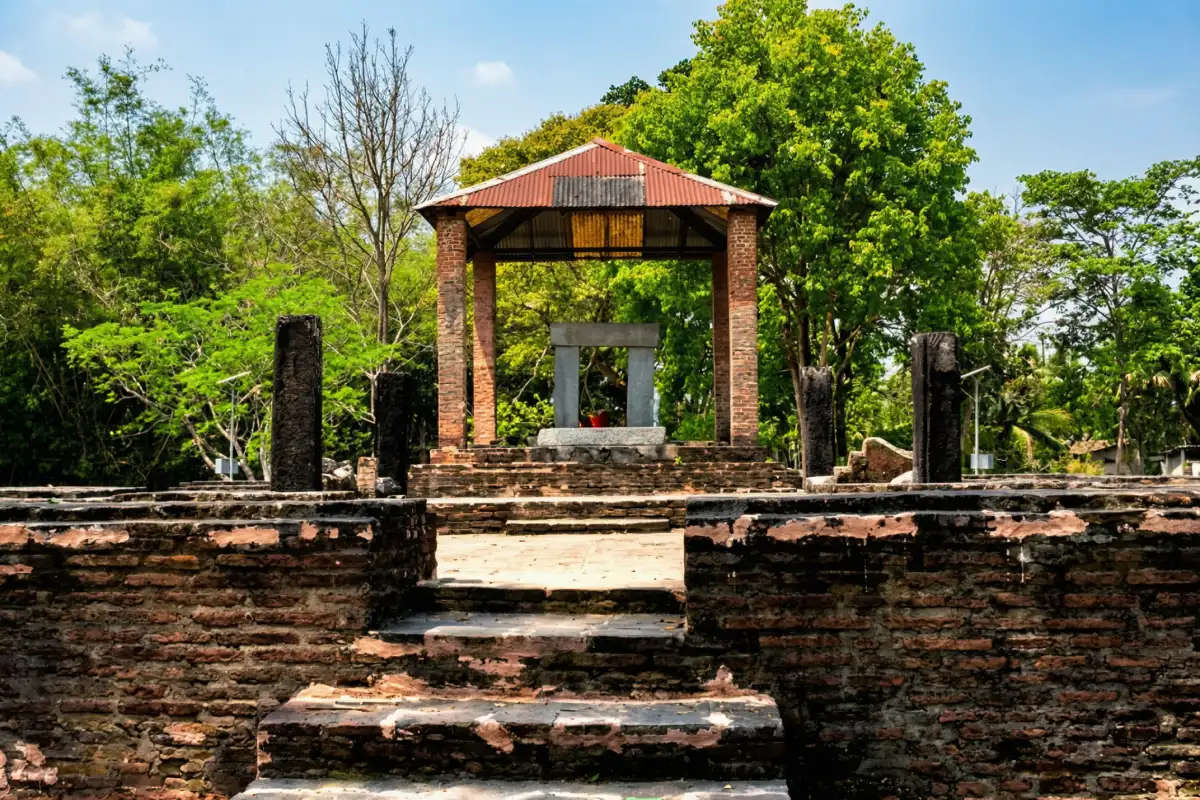
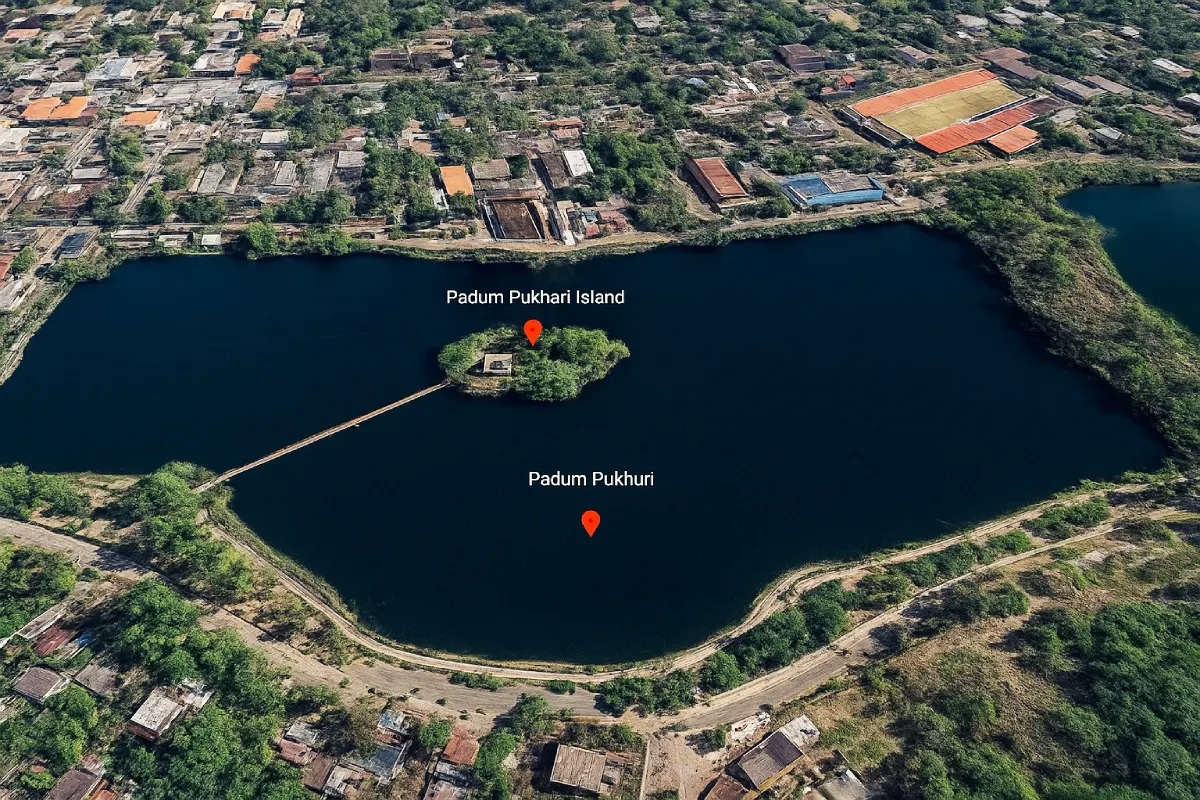
Tezpur, the cultural capital of Assam is situated on the North bank of river Brahmaputra, It is known as the land of eternal romance. The beautiful town of Tezpur holds importance in the state of Assam mainly because of it’s glorious past. From various archaeological sites to ancient remains, these ruins of the past embodies remarkable heritage, culture and art. From Agnigarh fort to Rudrapada temple, the ruins of Bamuni hills and architectural remains at Da Parbatia; the town of Tezpur displays a rich outline of heritage and culture. The ruins of the old temple known as Garh Doul, the Harjjar Varma rock inscription from the early ninth century, and so on all speak volumes about Tezpur's historical significance. The city also has several old temples, notably the well-known Maha Bhairav temple. Tezpur is endowed with spectacular scenic beauty and excellent archaeological remains, surrounded by the lush green hills of Arunachal Pradesh. Tezpur has many popular tourist attractions, including Agnigarh, Da-Parbatiya Gate, Bamuni Hills, Mahabhairav Temple, Bhairavi Temple, Ouguri Hill, Cole Park or Chitralekha Udyan, Padum Lake, Poki, and the District Museum. Tezpur and the surrounding surroundings are popular pilgrimage destinations. It has a number of revered pilgrimage sites throughout the district, including the medieval Mahabhairav Temple and the ancient ruins of the Viswakarmas Temples at Singri, as well as the Naleswar Devalaya, Hinguleswar Devalaya, Ketekeswar Devalaya, Hudupora Than, Bhairabi Temple, Haleswar Than, and many other sacred locations. Apart from that, Tezpur is home to natural beauties such as Nameri National Park, Bhalukpong, Sonai Rupai Wildlife Sanctuary, Burhachapori Wildlife Sanctuary, Devi Singh Ghat, and many others that have yet to be explored.
Tezpur was first known as 'Sonitpur'. Sonit means blood in Sanskrit. It is stated that during the historic fight between Banasura's army and Krishna's army, there was so much bloodshed that the entire region became stained with blood. Hence, Sonitpur became known as 'Tezpur'. The name Tezpur is derived from the words 'Teza' (blood) and 'Pura' (city). Tezpur too has a rich historical significance. One of the most significant mythical and historical features is the perpetual love story between Usha and Aniruddha, Lord Krishna's grandson.
Banasura's control, surrounded by fire on all sides. Usha, who was imprisoned, had a dream about a young man and fell in love with him right away. She described her dream to her friend
Chitralekha, who was not only a talented painter but also possessed supernatural abilities. Chitralekha, Usha's close friend, sketched an image of the man that Usha had described. Theyoung man happened to be Aniruddha, Lord Krishna's grandson. When Chitralekha saw Usha's blind love for him, she utilized her magical skills to convey a sleeping Aniruddha to the fort, where they eventually wedded.
When King Bana discovered the hidden affair, he imprisoned Aniruddha and bound him with snakes. Krishna was soon notified that his grandson was imprisoned. Krishna's Dwarka-based Yadava army quickly assaulted Sonitpur and destroyed the royal flagstaff. The Yadavas overwhelmed the Asuras, forcing Banasura to seek refuge with Lord Shiva, who had promised to protect him. What followed was an epic battle between Hari (Krishna) and Hara (Shiva), which was a sight for all other Gods. Banasura quickly recognized that he could not defeat Krishna's army and submitted. Banasura then released Usha and Aniruddha. He gave them a golden chariot and allowed them to return to Dwaraka.