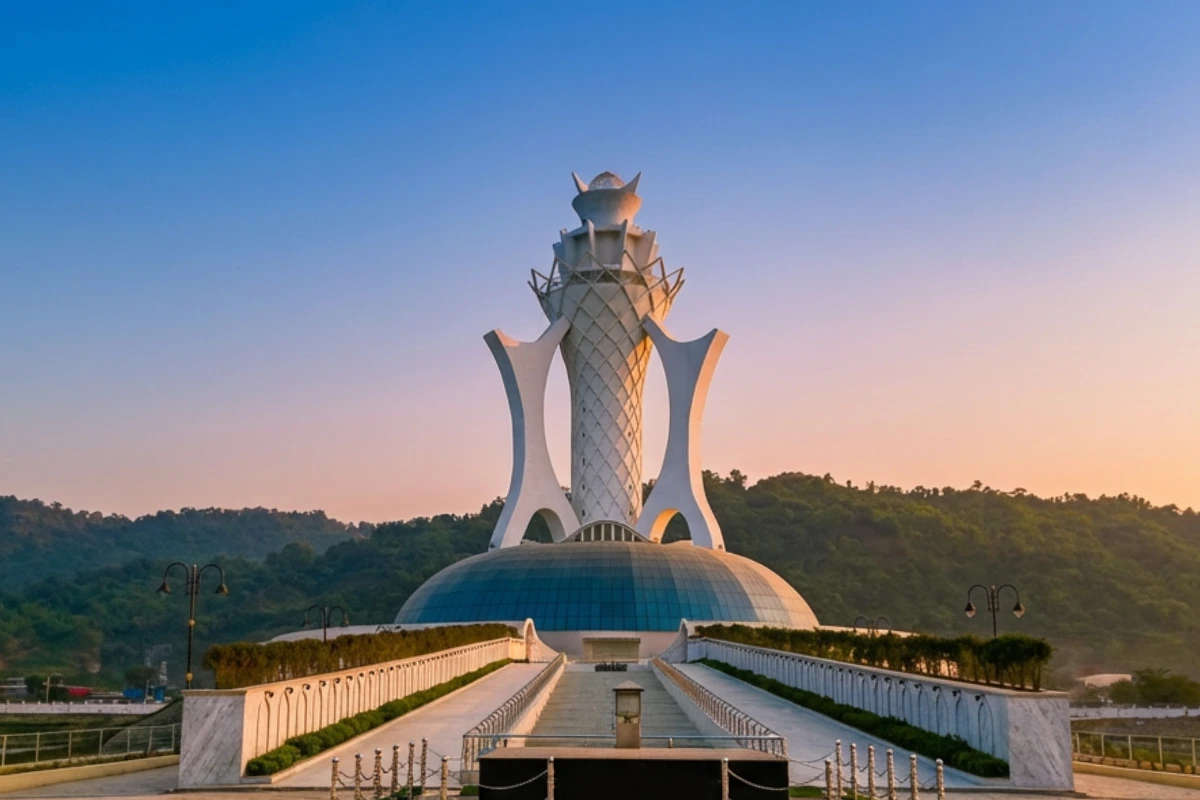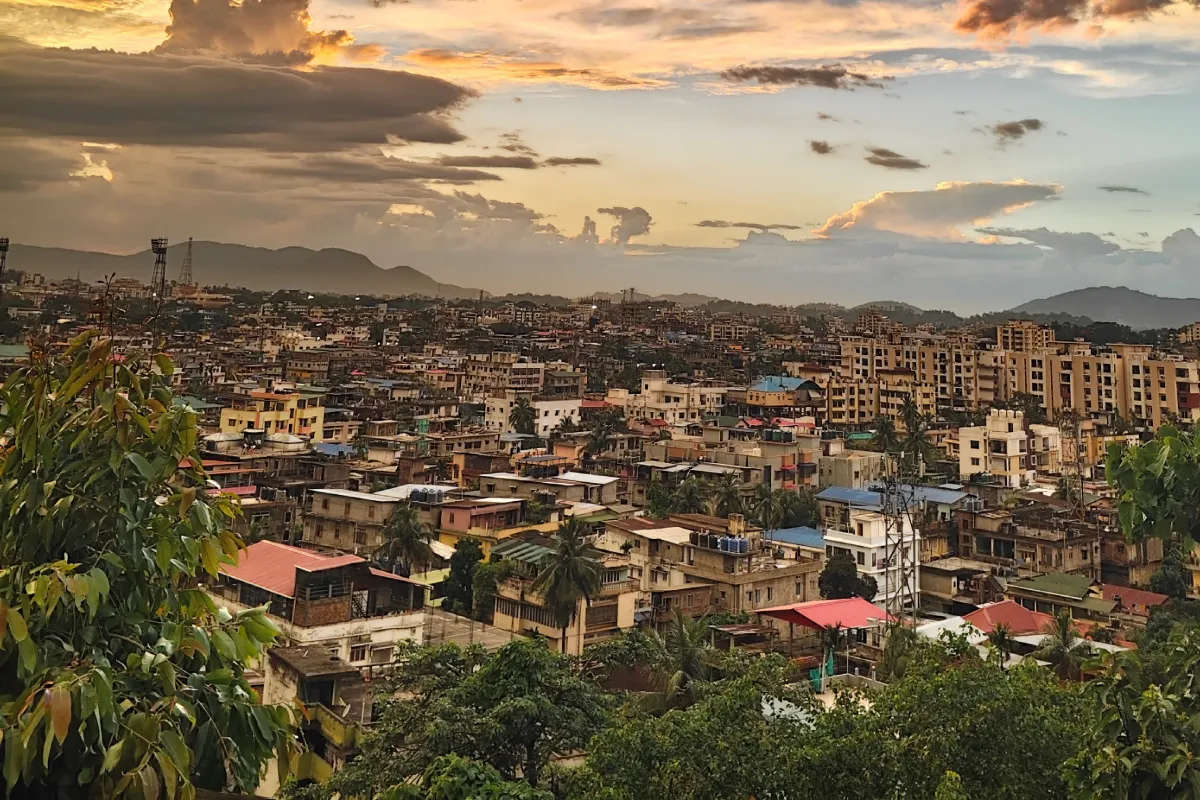



Da Parbatia is a hidden gem among the other scenic places of Tezpur. If you’re someone who loves to visit historical places trying to relive the moments of a past era then there’s nothing better than a quick trip to the town of Tezpur specially the village of Da Parbatia that is home to some ancient legacy and artistic wonder.
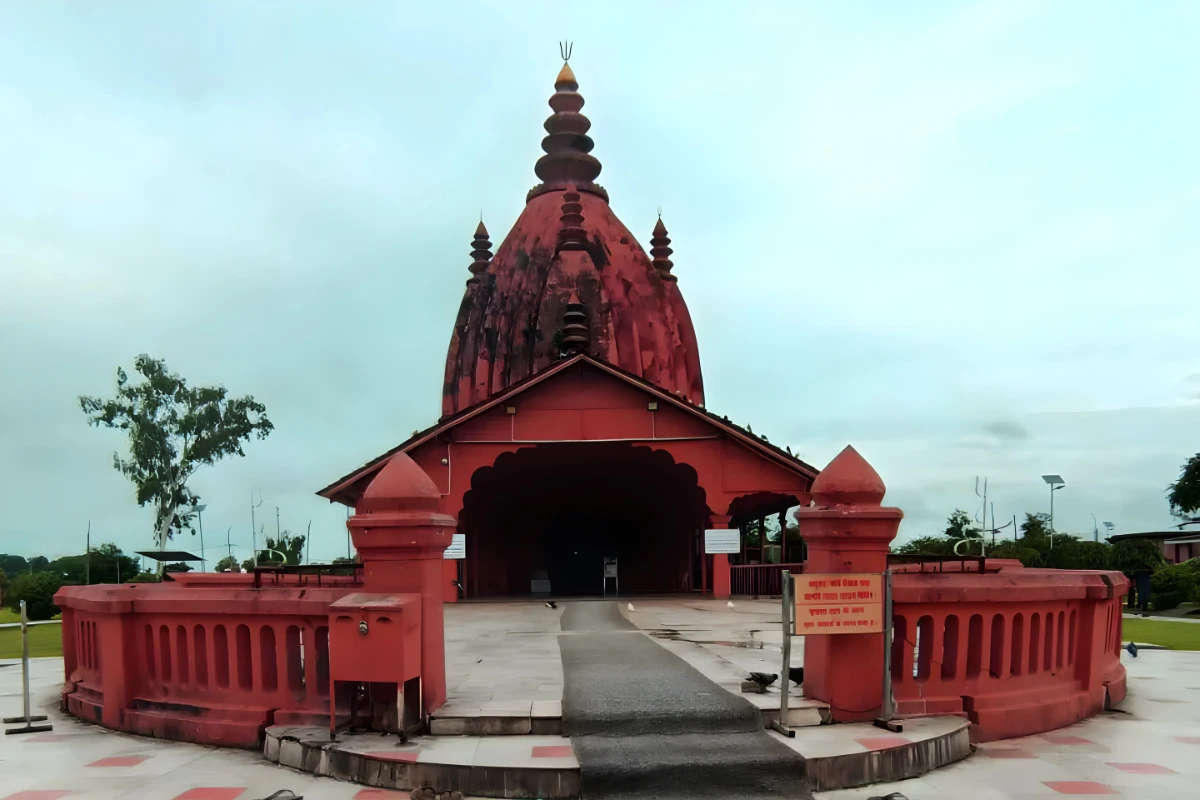
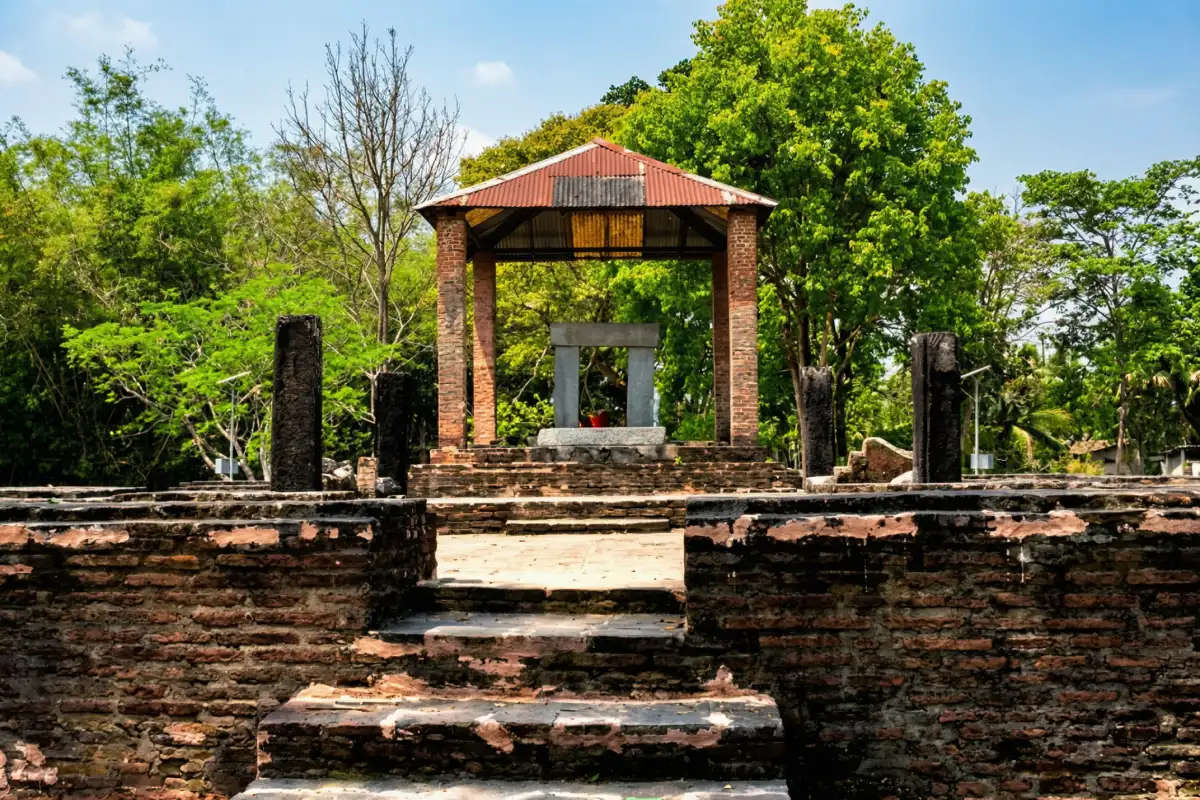
Da Parbatia is a tiny village in Assam, towards the west of Tezpur in the district of Sonitpur. Significant architectural remains of a sixth-century temple is seen in this village, standing upon the ruins of an Ahom-era Shiva temple constructed of bricks. During 1924 archaeological digs, a large, intricately carved stone door frame from the sixth century was discovered.
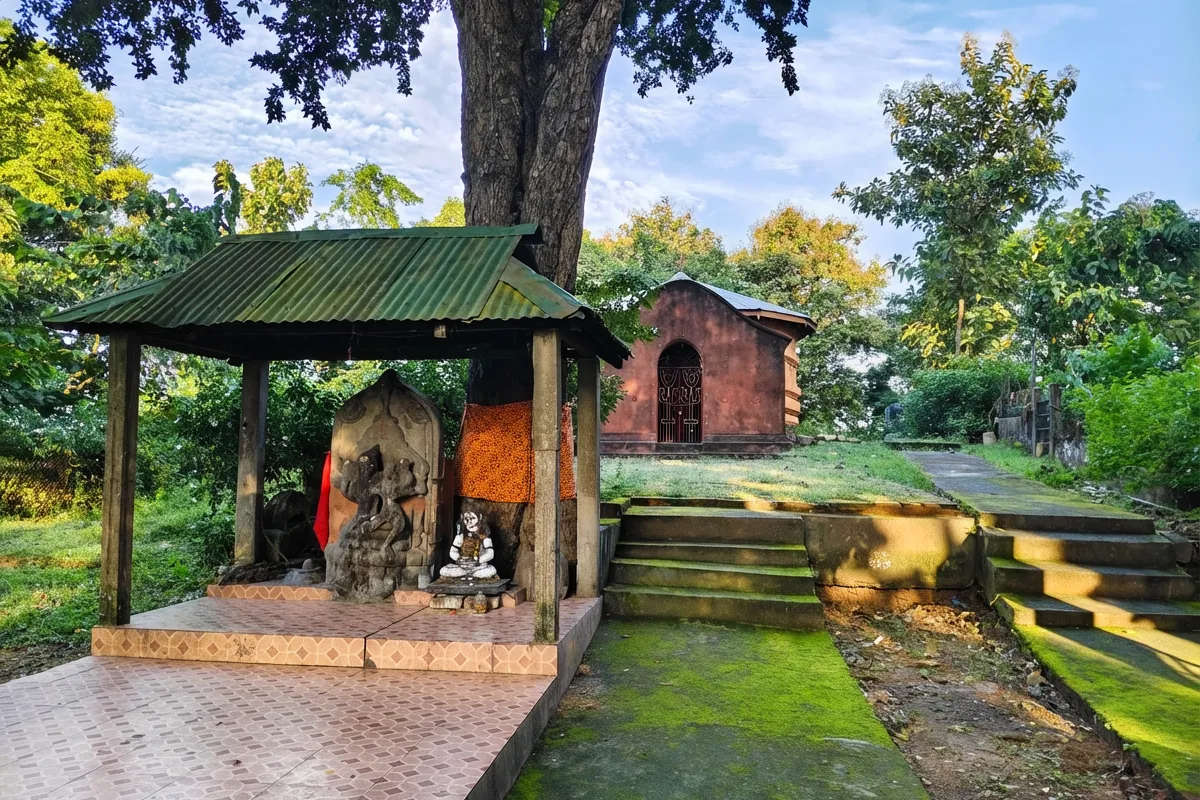
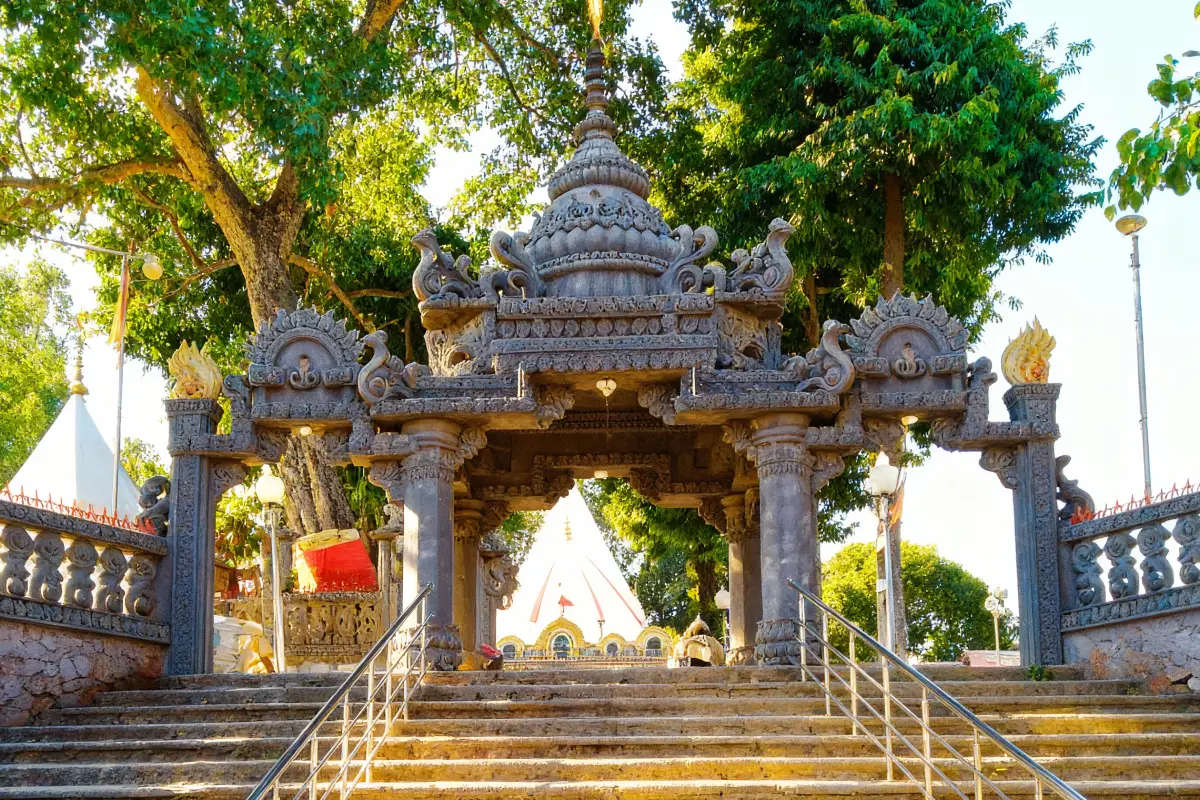
Built over the ancient temple’s foundations, the Ahom era temple ruins are arranged in the shape of a stone-paved garbhagriha and mandapa layout. Over the remains of an old Gupta period temple, a Shiva temple was constructed using bricks during the Ahom period. The Gupta period temple’s remnants were only revealed as a stone door frame when the Ahom period temple was collapsed during the Assam Earthquake of 1897. The most significant discovery here is the stone door frame, which is situated in front of a particular portion of a hollow stone that once held the original Shiva linga. The carvings on the door frame belong to the Gupta period art form. The Gupta period art traditions features human figures at the base of the door posts, representing the river goddesses Ganga and Yamuna which was seen on the carvings of the ancient ruins. Additionally, flying geese carvings were also depicted. It is claimed that this architectural representation is the “finest and oldest specimen of sculptural art in Assam“.
Da Parbatiya Temple is among the oldest surviving temple ruins in Assam, dating back to the Gupta Era. The stone entrance carved intricately into the façade depicts the quality of craftsmanship that went into ancient Hindu temples. The Parbatiya Temple ruins provide a glimpse into Assam’s ancient past that is quite unique.
Visiting Da Parbatiya Temple will give you an experience of serenity in its true spiritual form in Tezpur. The religious significance that this location holds in Tezpur is unmatchable and is associated with Assamese legends and devotion. The serenity and religiosity that this location exudes will give you the true essence of exploring in Tezpur.

Distance From Guwahati City: 179 Km

Nearest Town / City: Tezpur(3.5 Km)

Nearest Railway Station: Dekar Gaon Railway Station(6.3 Km)

Nearest Bus Stoppage: Tezpur ASTC (3.9 Km)

Nearest Airport: Tezpur Airport(10.2 Km)
The beautiful village of Da Parbatia is just a few kilometers away from the main town of Tezpur. Hiring a taxi or cab can take you to the village. But the most promising service would be the auto services that can directly take you to the temple.
The nearest Airport is Tezpur Airport.
The best time to visit Da Parbatia is during the winters months and even autumn when the weather is pleasant for exploring through the village, temples, and cultural zones. Afternoon offer a calmer atmosphere and winter sunset is best to click pictures. You can avoid peak summer afternoons due to hea.
Wear modest clothes.
Don't throw litter inside the area.
Try not to ruin any of the sculptures
With its carefully thought-out design that included a garbhagriha, a mandapa, and an ardha-mandapa, the temple of Da Parbatia proved to be a significant religious center at that time. The discovery of clay plates with human figures at the temple site, which are currently housed in the state museum, provides more evidence that the area surrounding the temple site must have been a site of great architectural work by the residents at some point before the Ahom period.
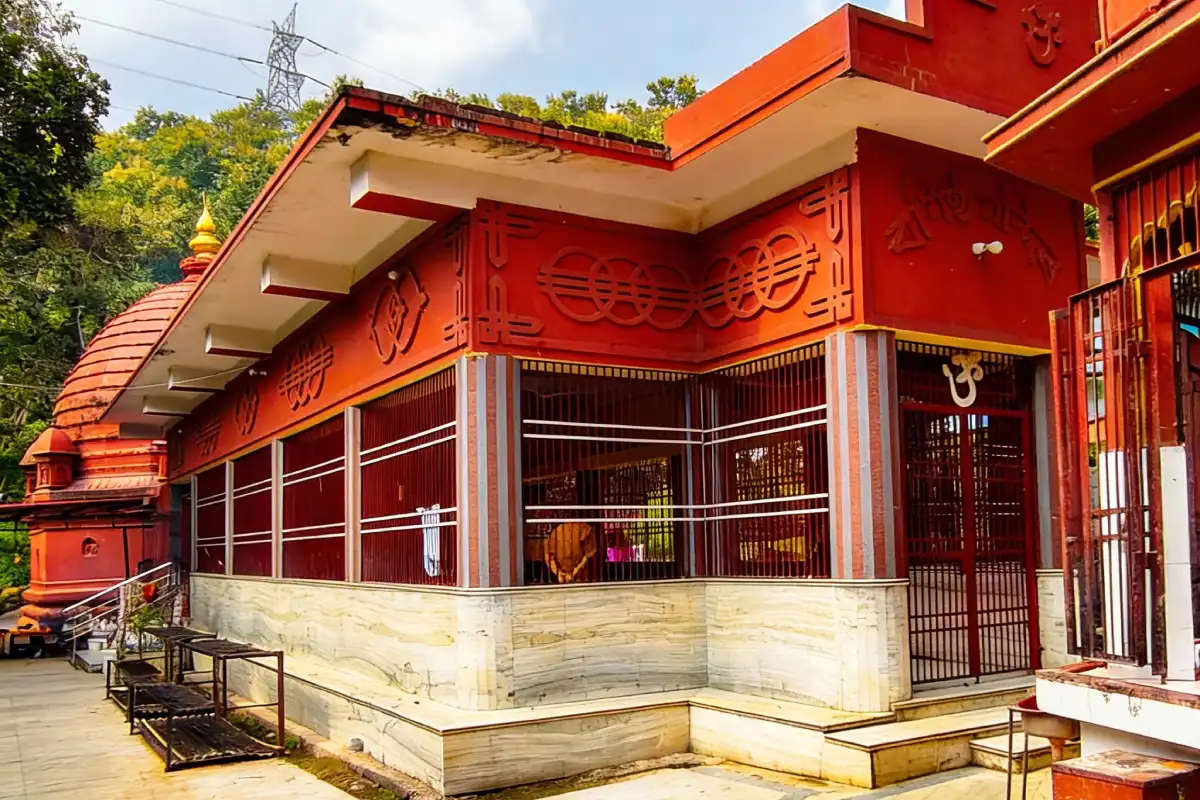
The temple is maintained by conducting daily rituals such as Archana and Aarti. Festivals like Kartik Purnima, Diwali and Maha Shivratri are celebrated every year here in a grand way. The nature of this remains indicates that Tezpur has been a religious center since a long time ago and it has quite significance upon the lives of people here. From prevailing practices of Shaivism to Shakti cult performed in the town, the history left a remarkable mark.
*Advertisement