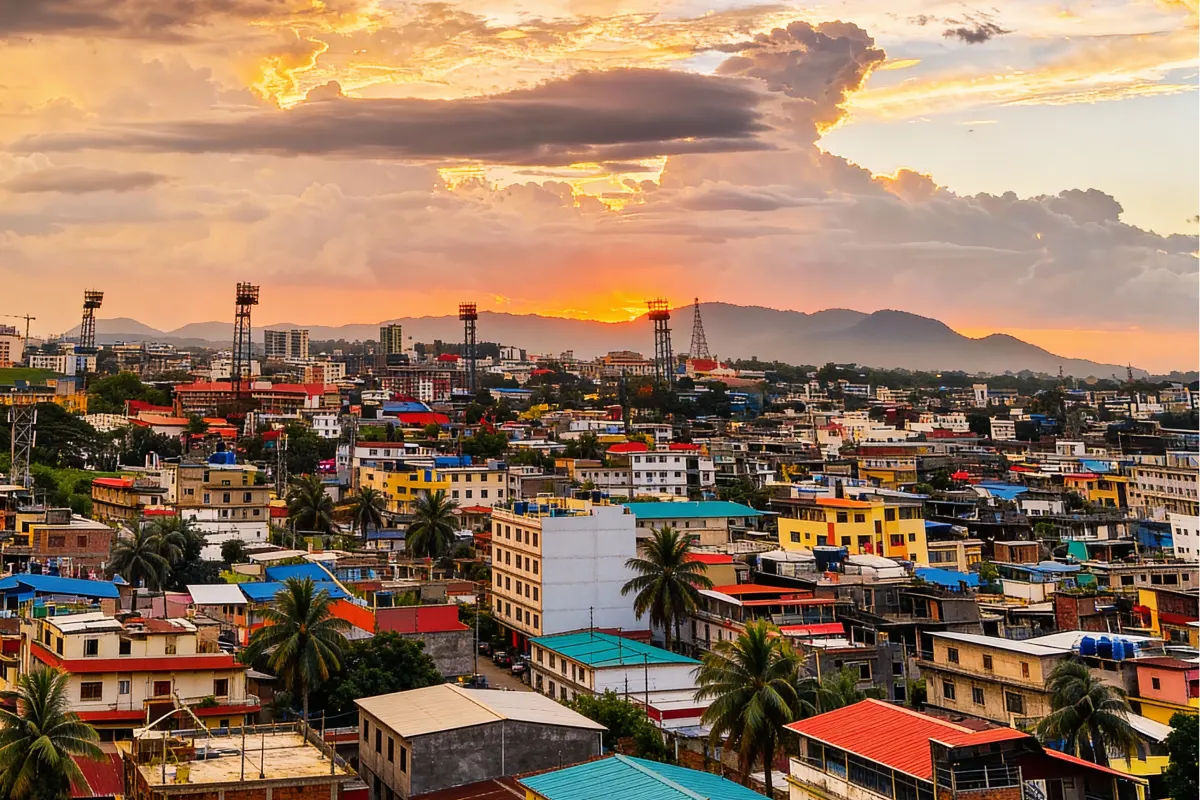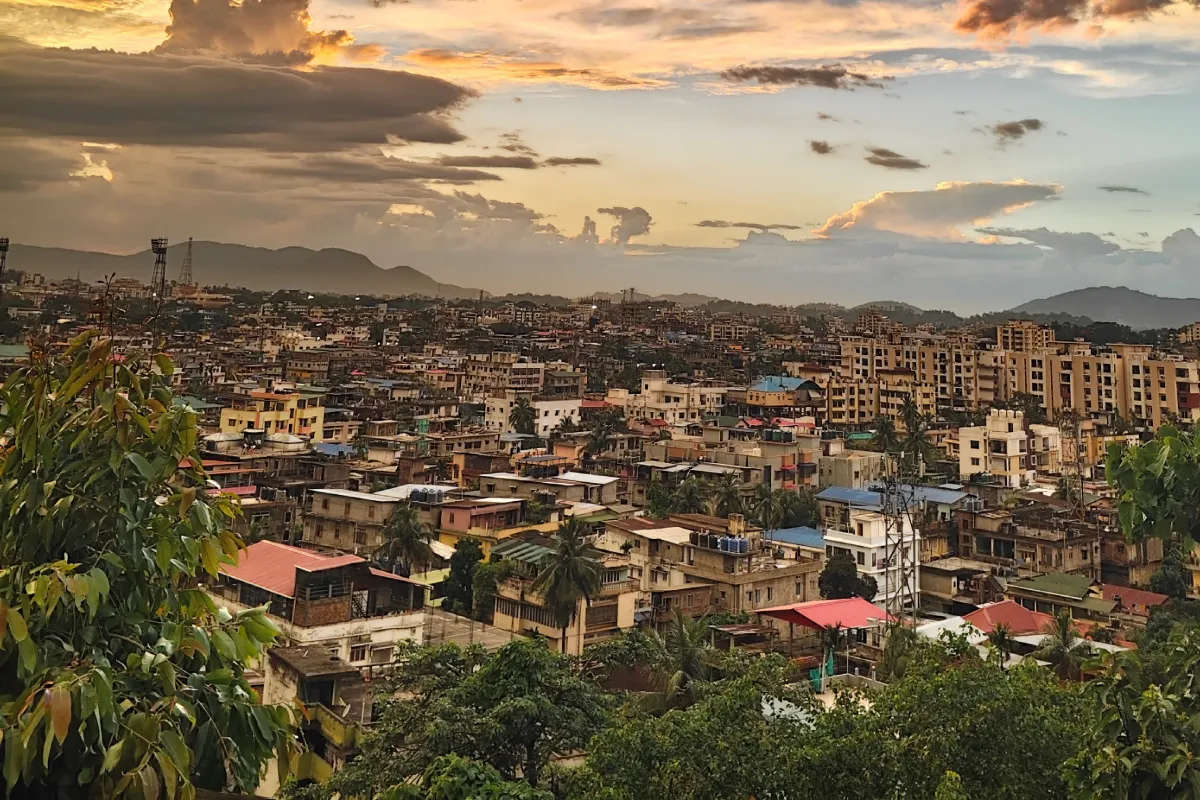
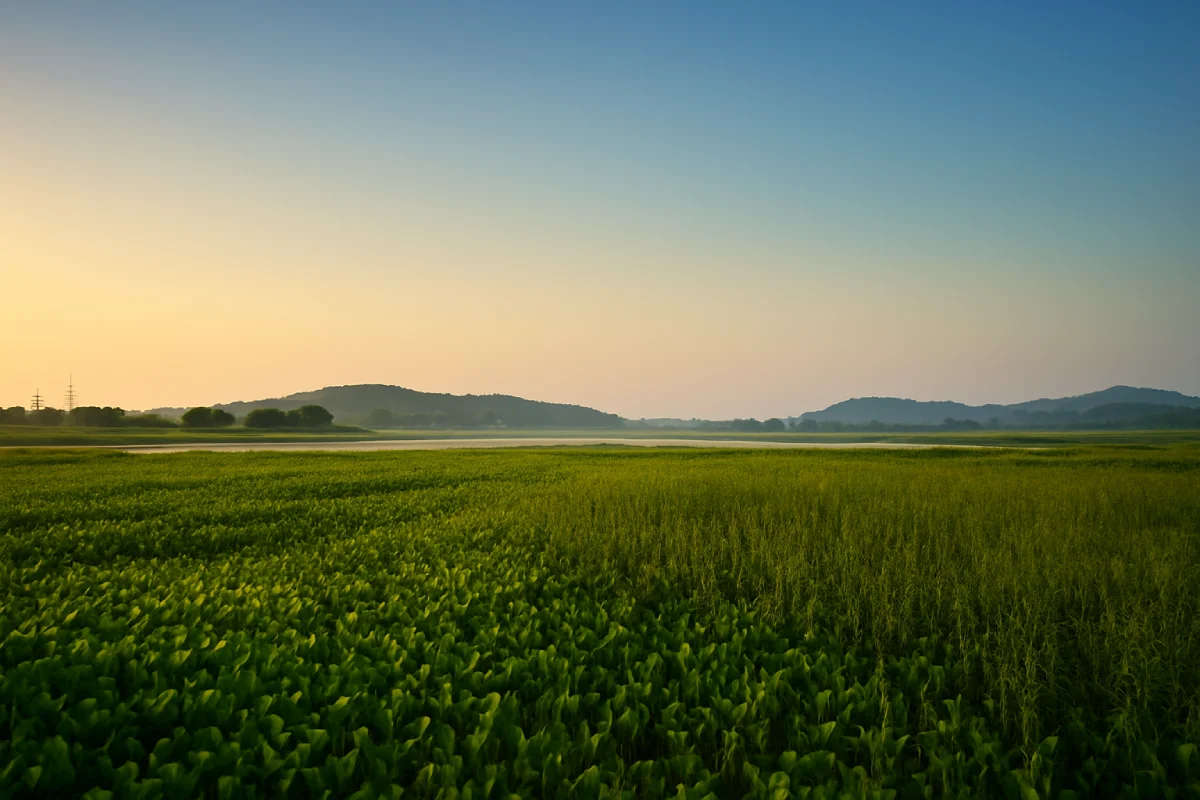
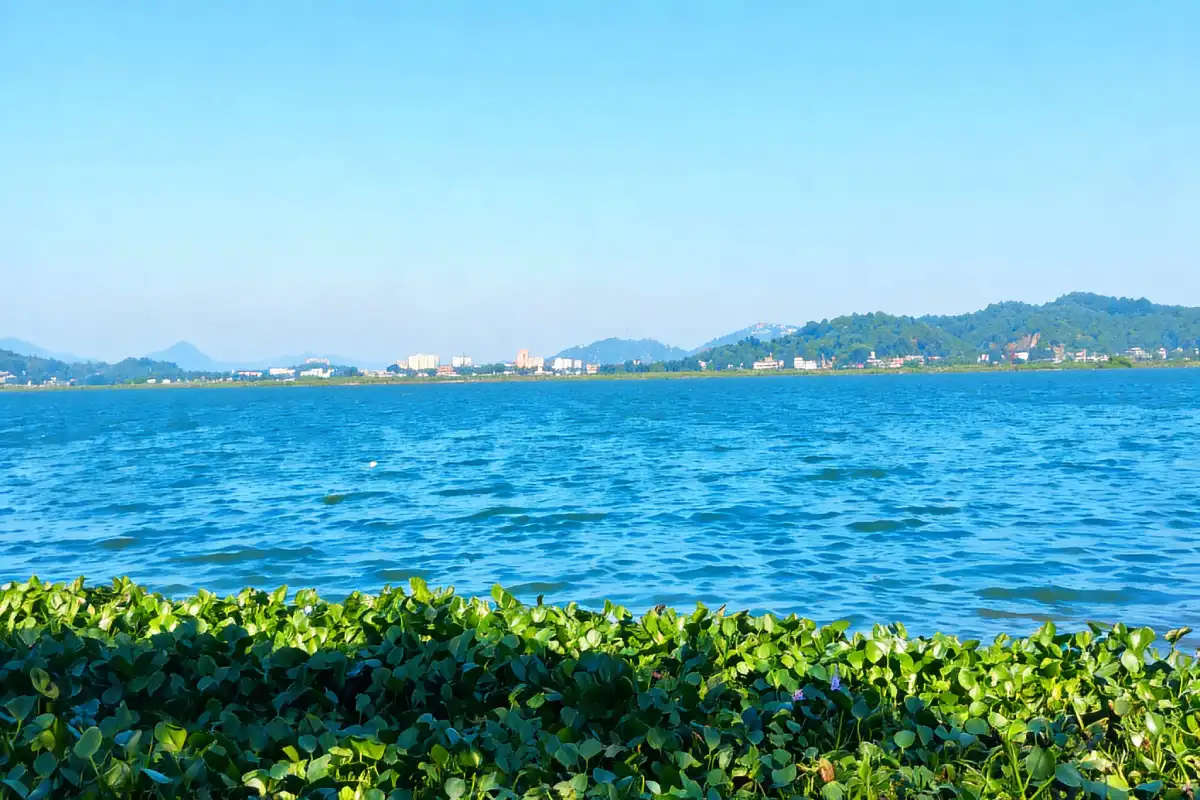
Guwahati is one of the most vibrant and culturally rich destinations in Northeast India. Located on the banks of the mighty Brahmaputra River in Kamrup District, Assam. The city serves as the main entry point to the northeastern states. Known as the “Gateway to Northeast India,” Guwahati blends ancient heritage, spiritual importance, and modern urban life.
The city is widely famous for its various popular religious sites, picnic spots, historical sites, educational institutions, and other tourist destinations. Apart from religious tourism, Guwahati attracts travelers with its scenic hills, river views, wildlife experiences, and cultural diversity. Guwahati also offers a lively urban experience. Bustling markets, riverside cafés, shopping malls, and local food streets reflect the modern side of the city. Assamese cuisine, tea culture, and traditional festivals add a unique charm that travelers remember long after their visit.
For adventure seekers, Guwahati serves as a base for exploring nearby hill areas, picnic spots, waterfalls, and trekking routes. Its well-connected airport, railway station, and road network make traveling easy and convenient for both domestic and international tourists. Whether you are a pilgrim, nature lover, culture enthusiast, or casual traveler, Guwahati offers something for everyone. With its perfect mix of history, spirituality, nature, and modern lifestyle, Guwahati stands out as a must-visit destination in Assam and Northeast India.
The history of Guwahati is deeply rooted in ancient myths, dynasties, and archaeological evidence. According to legends, the city was once known as Pragjyotisha and is closely associated with King Naraka, also called Narakasura. He is believed to be the founder of the Bhauma dynasty and a key figure in the early history of Kamarupa. Narakasura’s legacy remains significant in Assam’s cultural and religious traditions, especially due to his connection with the Kamakhya Temple on Nilachal Hill.
After Narakasura, his son Bhagadatta ruled the region and is mentioned in the Mahabharata. Several legends link him to present-day Guwahati, including the creation of Dighalipukhuri. Ancient texts and archaeological findings indicate that Guwahati was an important political and religious centre from as early as the 2nd century BCE. Excavations at Ambari reveal that the city flourished during the Shunga-Kushana period and continued to hold strategic importance until the medieval era.
During the Ahom period, Guwahati became a major administrative and military centre. It served as the headquarters of the Borphukan, the Ahom governor of Lower Assam. The city witnessed several Ahom-Mughal conflicts and was fortified with roads, temples, and water bodies. Later, under British rule, Guwahati emerged as an administrative hub before losing its capital status to Shillong.
In modern history, Guwahati regained prominence with key developments such as the establishment of the Gauhati High Court, the construction of the Saraighat Bridge, and the shifting of Assam’s capital to Dispur in 1972. Today, Guwahati stands as a city where ancient history and modern growth coexist.
Guwahati holds immense cultural significance as one of the oldest living cities of Assam. The city has long been a centre of Assamese culture, traditions, and spiritual practices. It reflects a harmonious blend of ancient heritage and modern influences.
The presence of the Kamakhya Temple makes Guwahati a major spiritual hub, especially for Shakti worship and Tantric traditions. Festivals such as Ambubachi Mela attract devotees and cultural scholars from across the country. Along with religious events, the city celebrates Bihu with great enthusiasm, showcasing traditional music, dance, and local cuisine.
Guwahati is also known for preserving Assamese art forms, folk traditions, and handloom culture. Cultural institutions, museums, and theatres in the city promote literature, drama, and performing arts. The Brahmaputra River plays a vital role in shaping local customs, livelihoods, and festivals.
As a cultural gateway to Northeast India, Guwahati represents the diversity of ethnic communities living in harmony. This cultural richness, combined with history and living traditions, makes Guwahati a culturally significant destination in Assam.
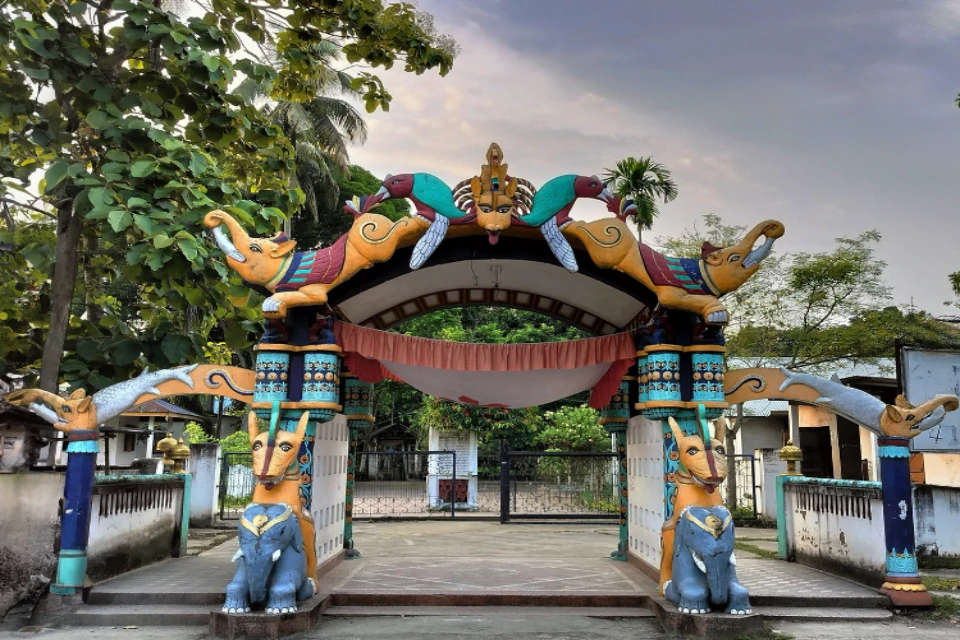
Are you looking for the best tourist places in Assam ? Here are the top 11 most visited tourist places according to official data.
Learn More >>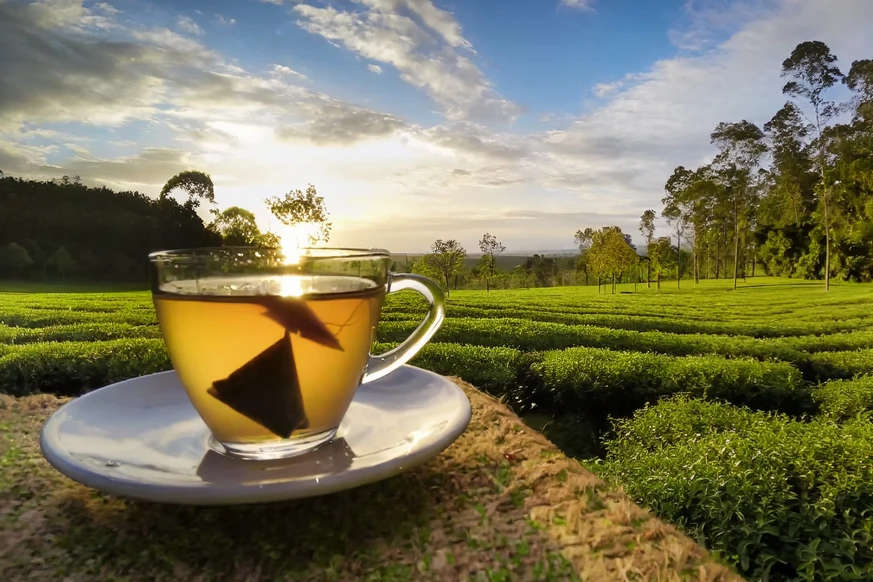
As Assam is renowned for producing smooth, refreshing tea, these tea gardens of Assam are known for being the largest tea producers by area.
Learn More >>