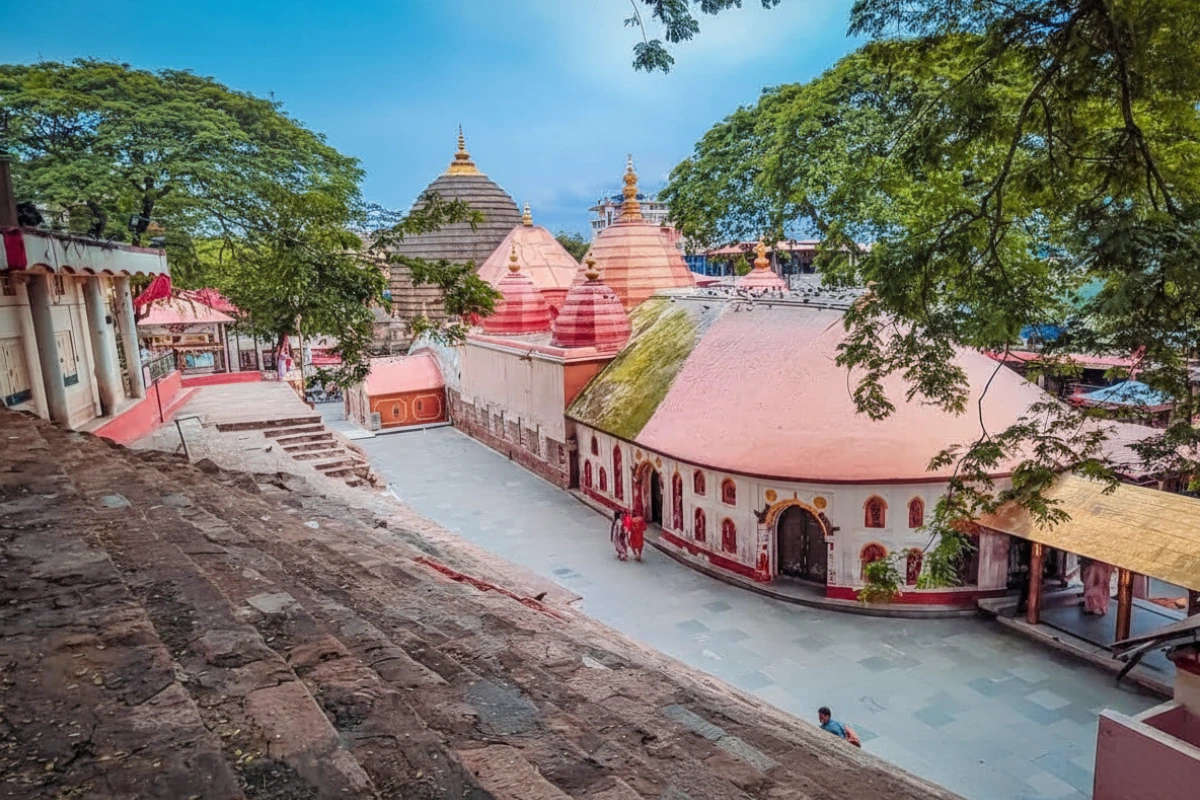
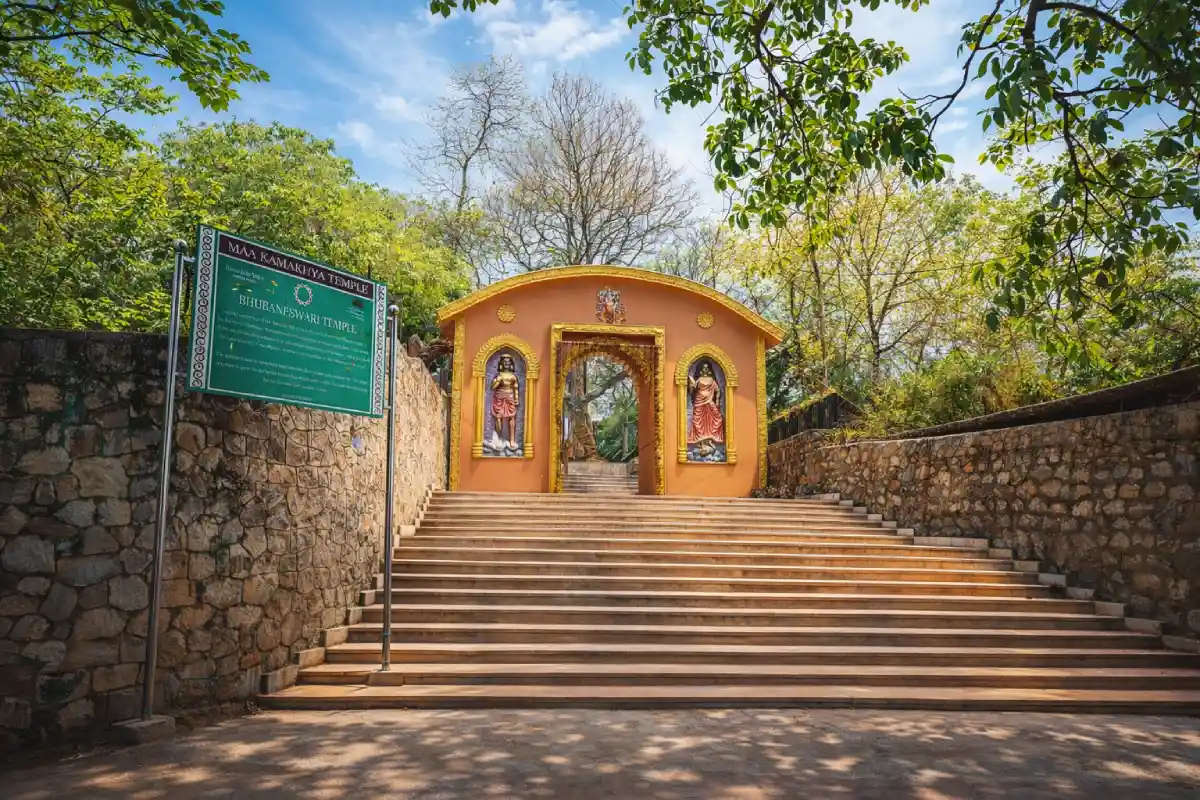


Many people know about the famous Kamakhya Temple in Assam and may have even visited it. However, not everyone is informed about the Bhubaneswari Temple. It is located at the top of the same hill, beyond the renowned Kamakhya Temple. Dedicated to Goddess Bhubaneswari, this temple is one of the notable ancient temples of Assam.
Situated on the summit of Nilachal Hill in the Guwahati, Kamrup district of Assam, it lies 1 km east of the Kamakhya Temple and 165 feet higher in elevation. Well-connected by road, this Hindu temple offers a peaceful ambiance, surrounded by serene silence. It is believed to have been built between the 7th and 9th centuries. Among the ten Mahavidya temples near Kamakhya, Bhubaneswari Temple holds a special place.
Bhubaneswari Temple is more than just a place of worship; it is a sanctuary of peace, spirituality, and breathtaking natural beauty. Overlooking the majestic Brahmaputra River and Guwahati city, this hidden gem offers an experience that blends devotion with scenic serenity. Whether you seek divine blessings, a tranquil retreat, or a mesmerizing sunset view, this temple promises a visit worth remembering.
Deeply rooted in Hindu mythology, the Bhubaneswari Temple holds significant importance for devotees of the Shakti tradition. Pilgrims visit this sacred site to seek blessings for prosperity, peace, and wisdom.
This temple captivates visitors with its deep spiritual significance and tranquil ambiance. It is a must-visit for devotees and travelers seeking peace and divine blessings. The serene surroundings enhance its spiritual essence, offering visitors a sense of calm and tranquility.
Another Reason
Devotees can perform prayers and rituals at this temple.
The ambiance of this temple makes it a perfect spot for relaxation.

Distance From Guwahati City: 4 Km

Nearest City: Guwahati(4 Km)

Nearest Railway Station: Kamakhya Junction(5.3 Km)

Nearest Bus Stoppage: Maligaon Bus Stand(5 Km)

Nearest Airport: LGBI Airport, Azara, Guwahati(21 Km)
Reaching Bhubaneswari Temple is effortless, with its well-connected transportation network. Whether you prefer a private vehicle or public transport, you can easily access the temple from any part of Guwahati.
You can travel to the Bhubaneswari Temple by private car, cab, or public transport. The temple is about 15 km from the heart of Guwahati and only 12 km via Kamakhya Mandir Road. The well-paved roads ensure a smooth and comfortable journey.
The nearest railway station is Kamakhya Junction, just 6 km away. From the Junction, you can take Assam Trunk Road or Kamakhya Mandir Road to reach the temple. If you come from Guwahati Railway Station (9 km away), you can take small vehicles like cabs and taxis, which are available.
For air travelers, Lokpriya Gopinath Bordoloi International Airport (LGBI) is around 20 km away via NH 17. You can hire a cab from the airport for a hassle-free journey to the temple. With smooth connectivity by road, rail, and air, visiting the Bhubaneswari Temple is convenient and enjoyable.
You may visit the Bhubaneswari Temple throughout the year, as it remains open every day.Early morning and late afternoon are considered the best times to visit, as the weather is pleasant and the surroundings remain calm, offering a peaceful darshan experience. Since the temple is located at the top of a hill, it not only provides a deeply spiritual atmosphere but also breathtaking views of the surrounding landscape.
The vibrant beauty of nature can be witnessed in every season. During the monsoon, you can enjoy the magnificent sight of the Brahmaputra River overflowing with waves. Similarly, each season brings a different scenic charm, making the temple a captivating destination throughout the year.
This temple is dedicated to Goddess Bhubaneswari and is associated with several popular legends. As the name suggests, Bhubaneswari refers to the goddess of the Tri-Bhuvan (three worlds). There is a faith that she is the supreme power who sustains and nurtures the entire universe.
Goddess Bhubaneswari is also believed as the holder of three eyes, standing for willpower, desire, and creative energy. According to Hindu mythology, she is considered the divine feminine ruler of the universe. The word "Bhubaneswari" has its origin in the Sanskrit term "Bhuvan Ishwari," meaning "Goddess of all worlds." In her manifested form, she is identified with Parvati, the consort of Lord Shiva. Devotees believe that Goddess Bhubaneswari is known for her gentle and compassionate nature.
A widespread belief among devotees is that worshipping Goddess Bhubaneswari blesses one with children, enhances respect and honor in life, and grants powerful energy like the Sun.
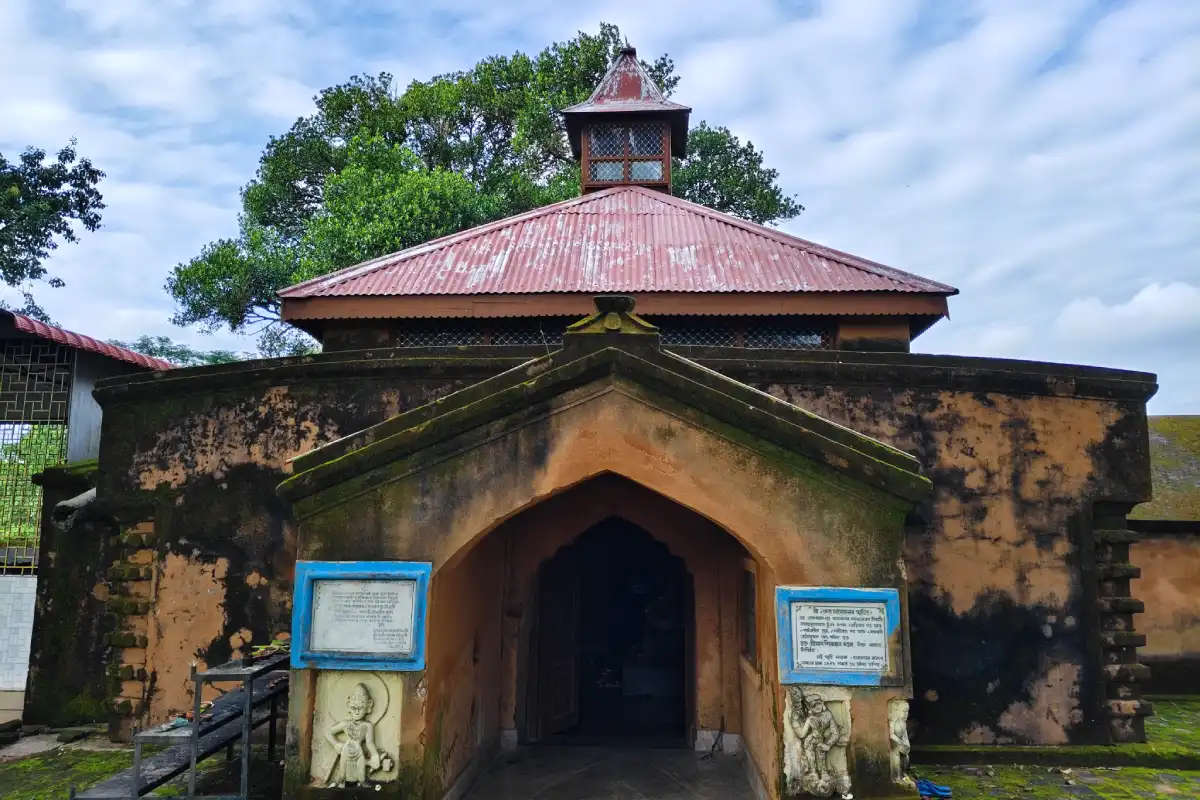
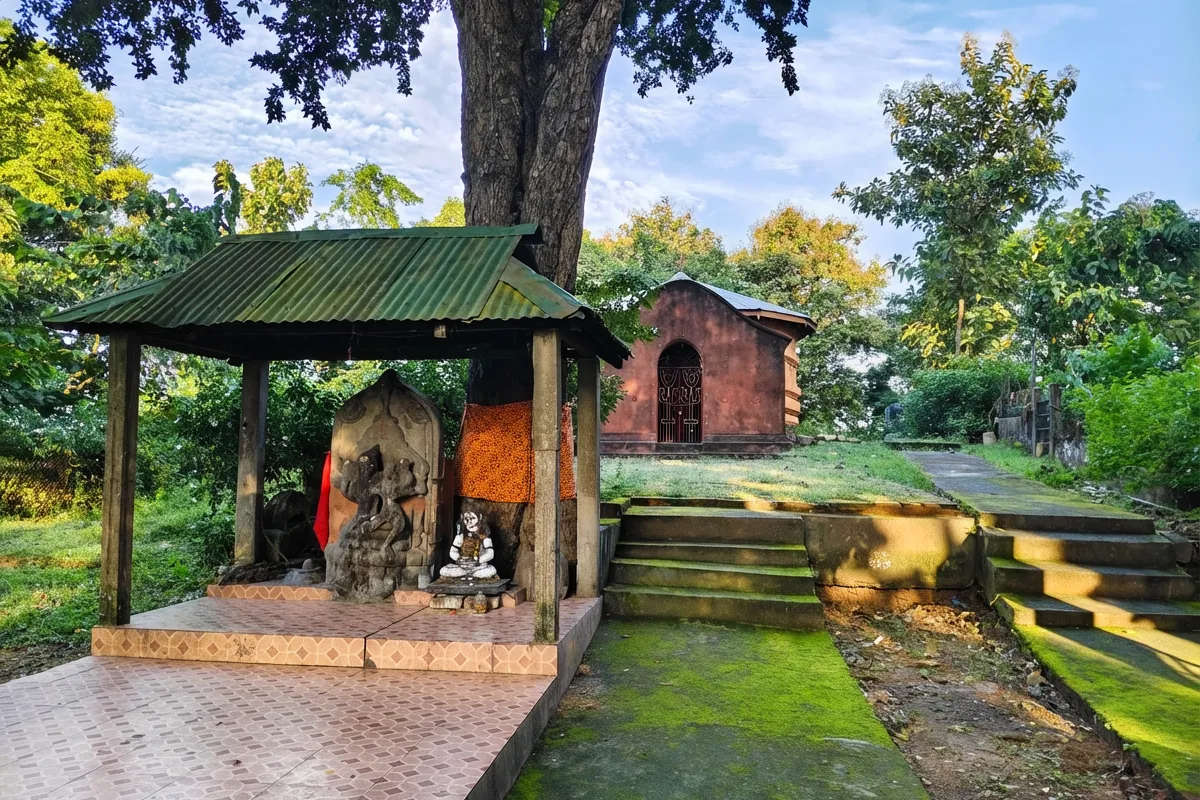
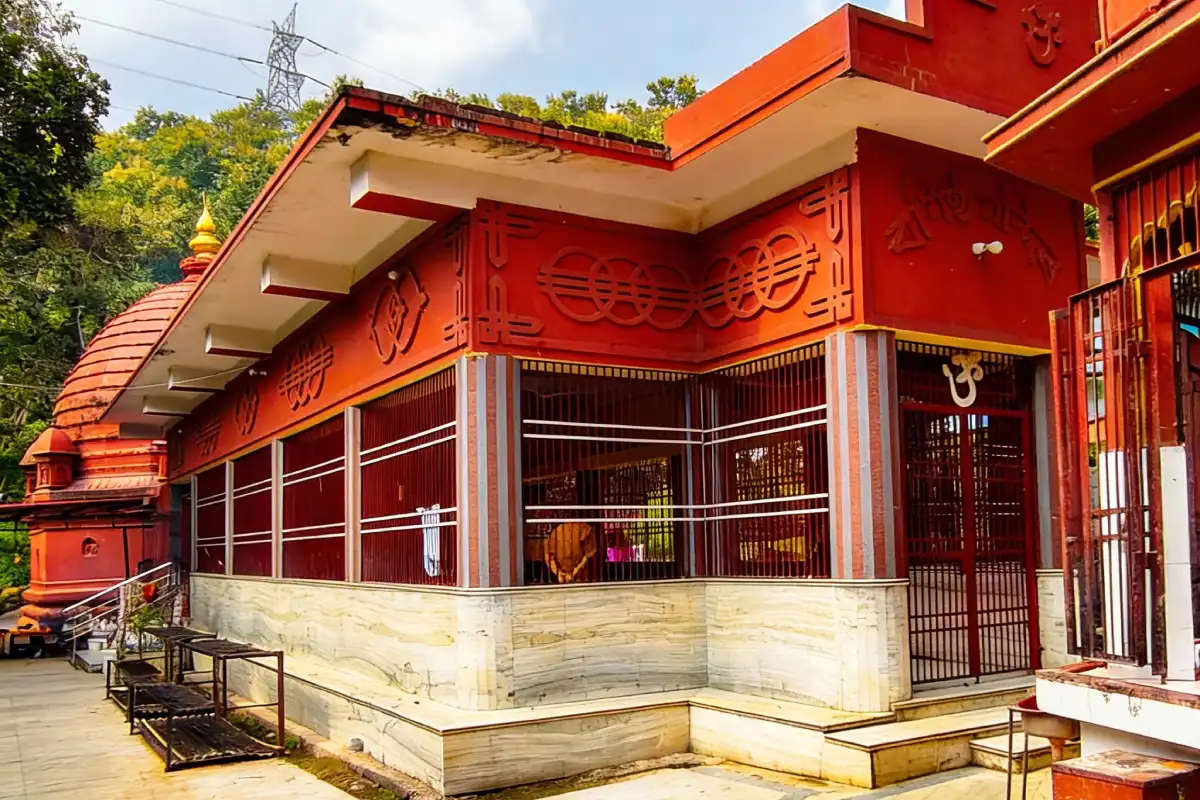
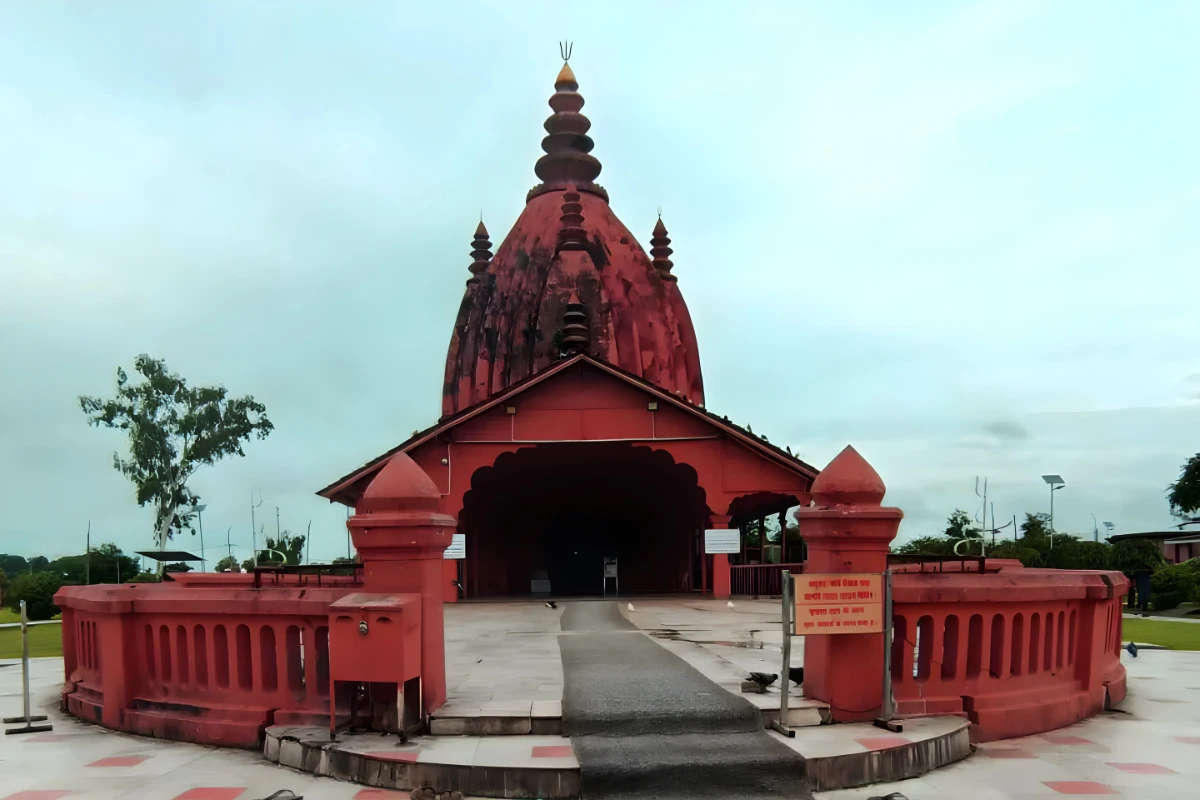
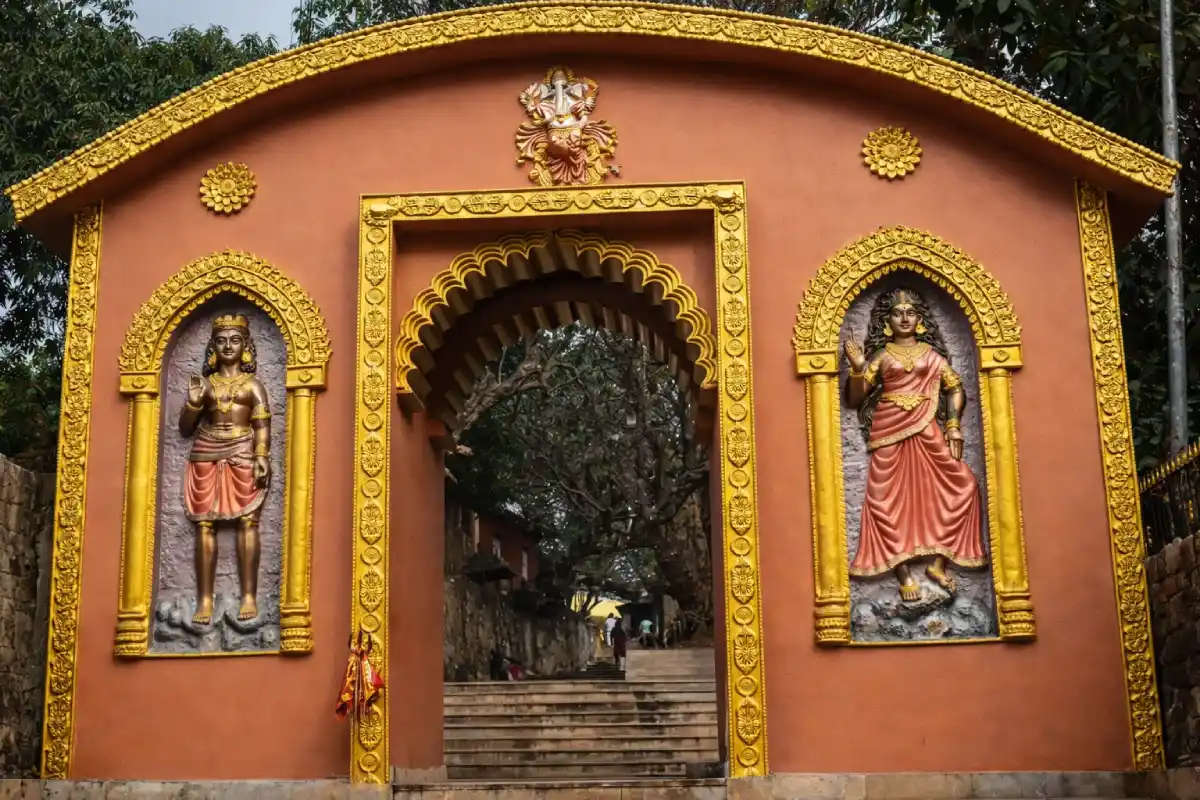
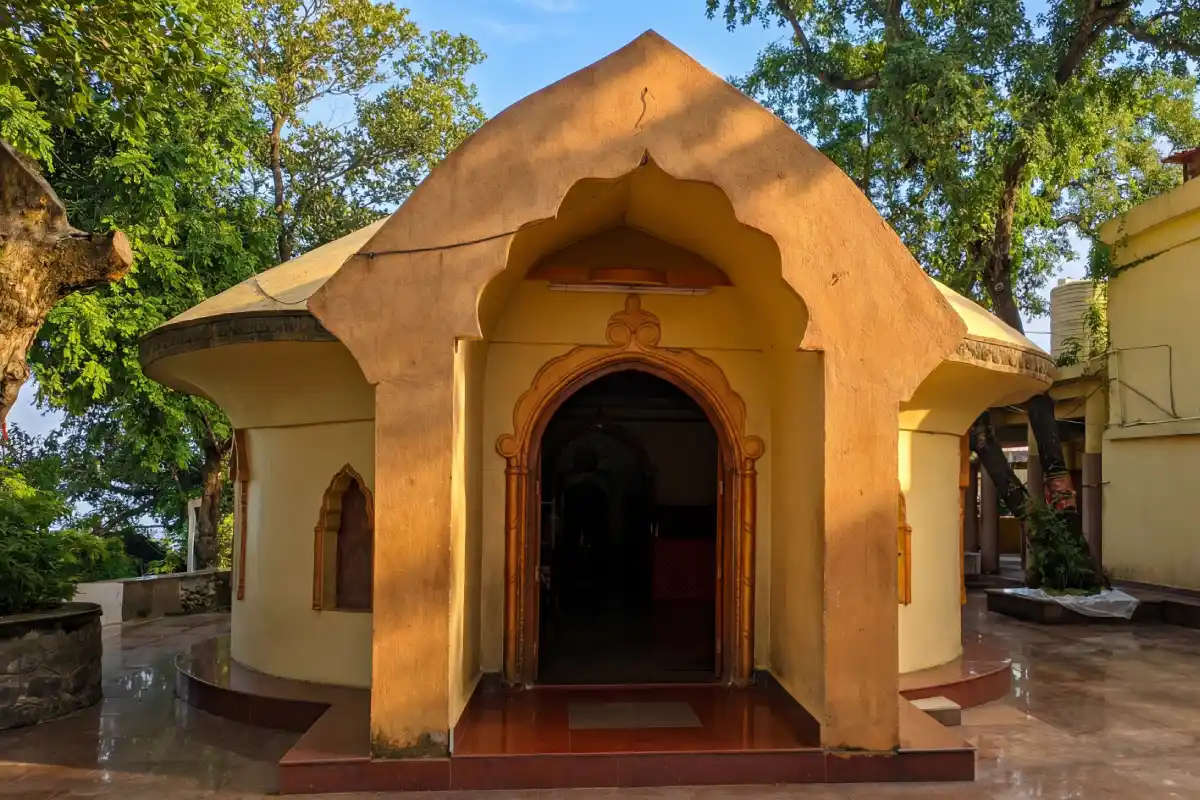
Bhubaneswari Temple showcases Assam's traditional architectural style, adorned with intricate carvings. Built between the 7th and 9th centuries, its structure resembles the Kamakhya Temple.
Inside the sanctum sanctorum, the idol of Goddess Bhubaneswari is enshrined. Devotees offer flowers and prasad, and decorate the deity beautifully at all times.
*Advertisement