

Explore Sikhna Jwhwlao National Park, Assam’s Eighth Wildlife Treasure
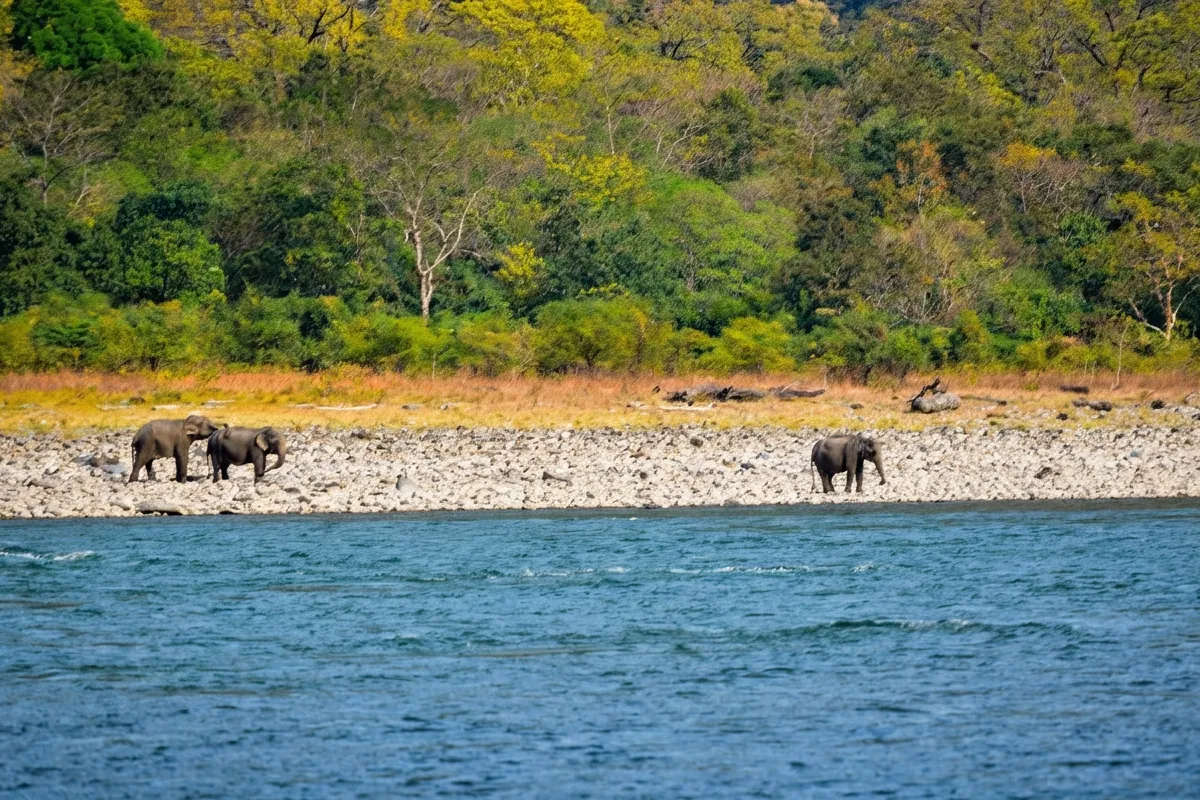
The newest addition to Assam’s natural treasures, Sikhna Jwhwlao National Park, strengthens the state’s identity as a biodiversity hotspot. Located in the Bodoland Territorial Region, the park spreads across parts of Kokrajhar and Chirang districts along the India-Bhutan border. It includes areas of the Chirang and Manas Reserve Forests and forms a vital wildlife corridor connecting Raimona National Park, Manas National Park, Buxa Tiger Reserve in West Bengal, and Phibsoo Wildlife Sanctuary in Bhutan. Covering 316.29 sq. km along the Saralbhanga River, it lies near the Saralpara picnic spot.
The Assam Cabinet recently declared the Sikhna Jwhwlao Reserve Forest as the state’s eighth national park, marking a significant step toward wildlife conservation. This historic announcement was made by the honorable Chief Minister of Assam, Dr. Himanta Biswa Sarma, during his 78th Independence Day speech on August 15, 2024. The declaration highlighted the government’s commitment to protecting rare species and forest ecosystems. The park was officially notified on 16th February 2025, giving it national park status and ensuring stronger protection for its rich natural heritage.
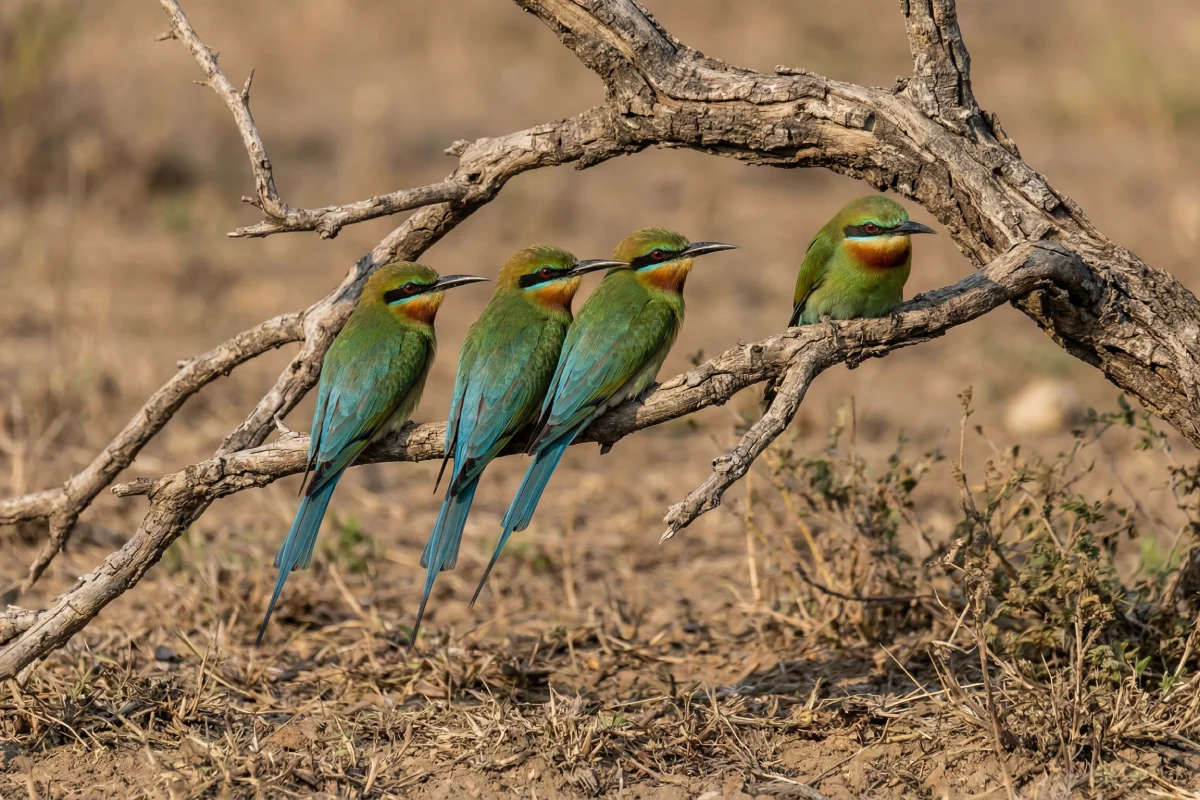
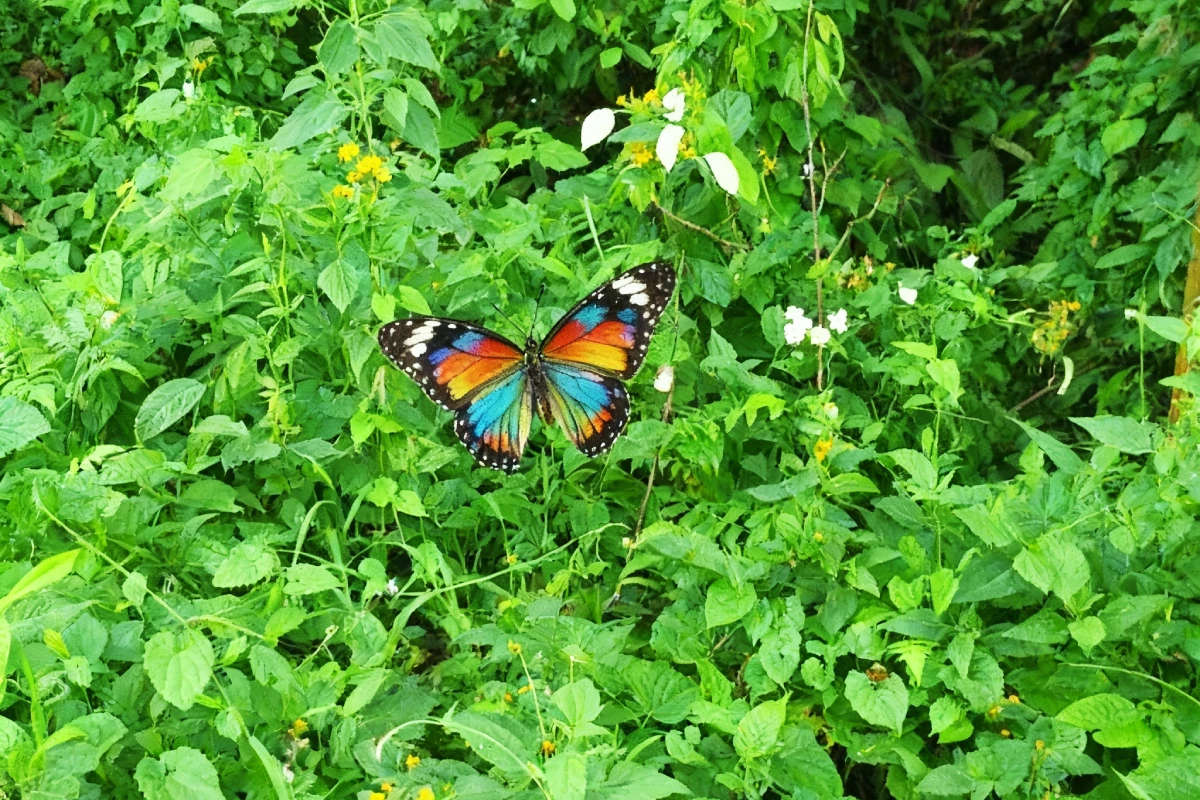
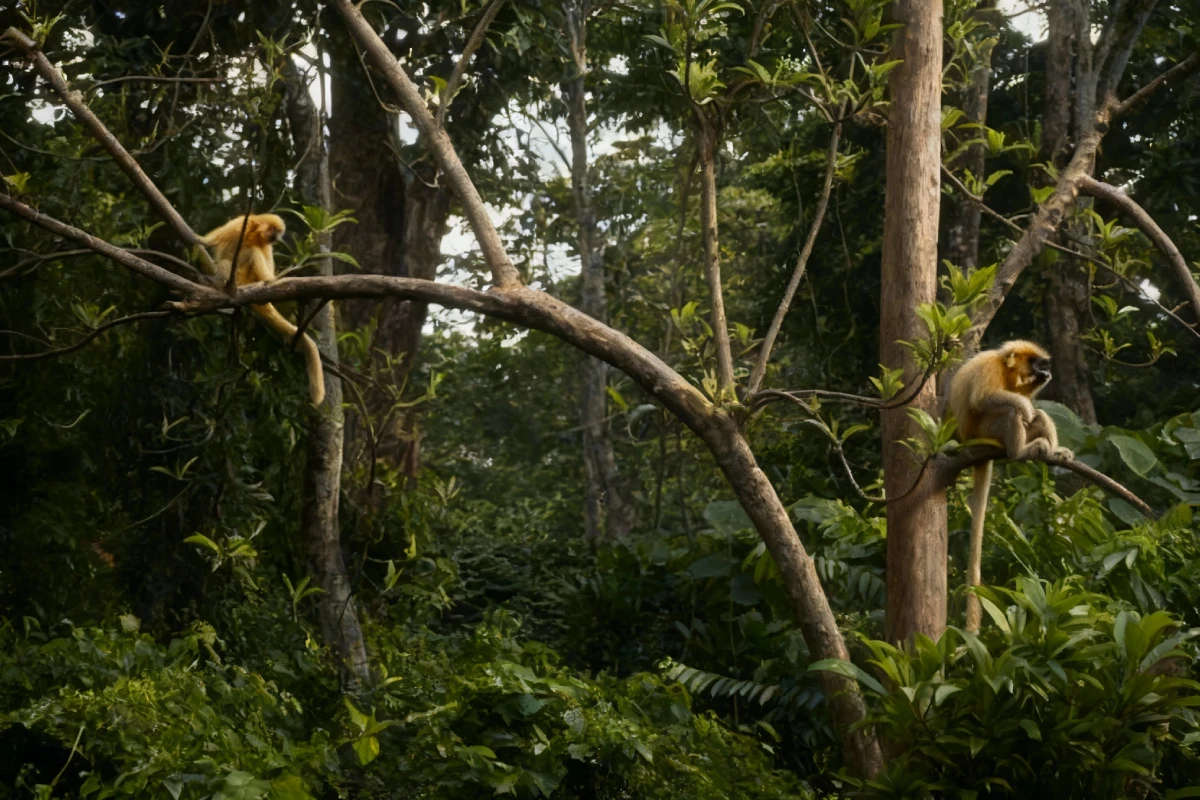
The park is home to a rich flora and fauna. Sikhna Jwhwlao National Park is mainly famous for its Golden Langur. It provides a habitat for various birds, animals, plants, and other wildlife. Its lush forests support diverse species, ensuring a thriving ecosystem. Apart from Golden Langurs, you can also spot the Great Indian Hornbill. People call this park a haven for butterflies, with over 460 species recorded. It also has rare plant species, adding to Assam’s rich biodiversity.
Rich Natural Beauty:
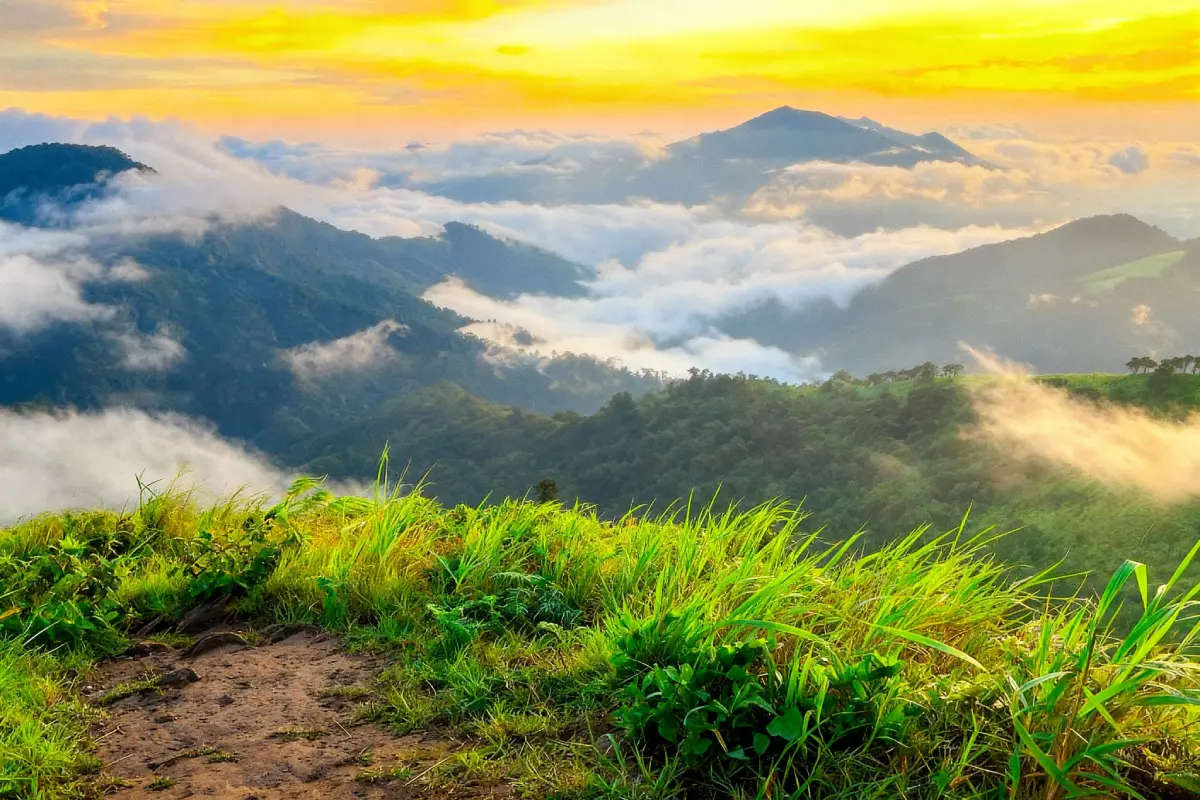
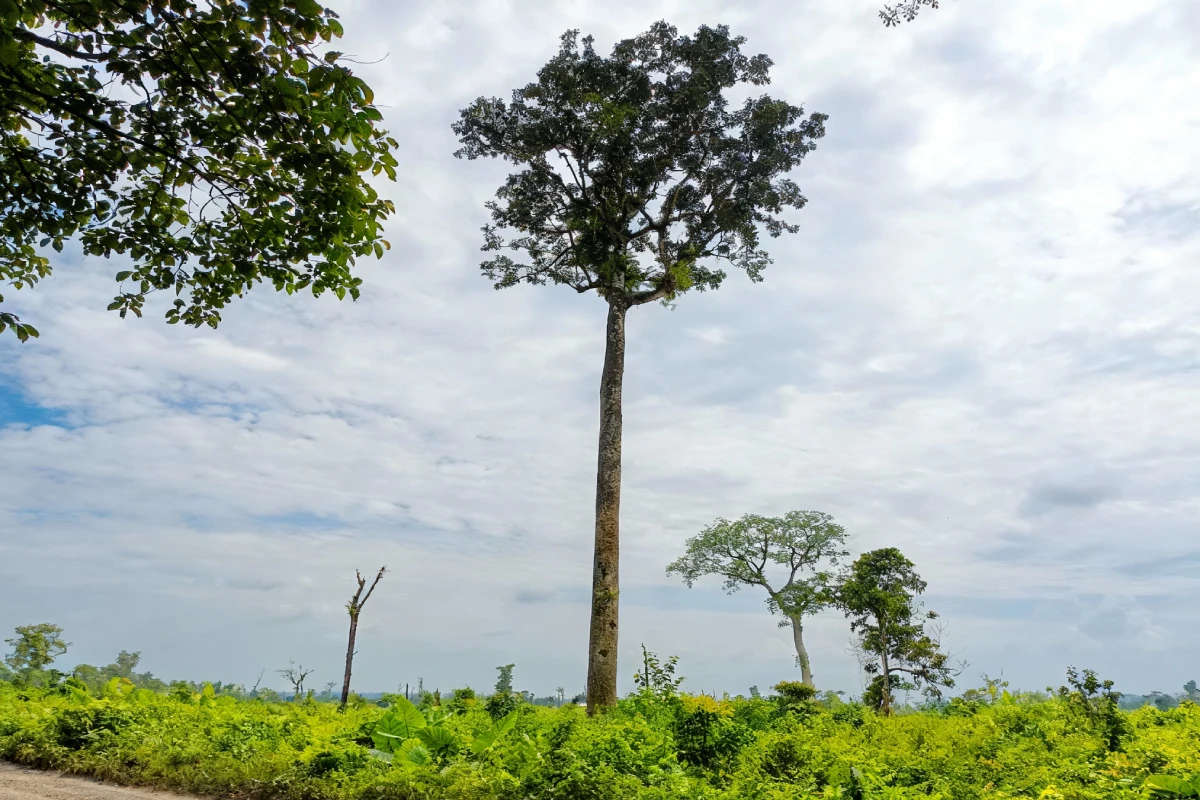
Sikhna Jwhwlao National Park captivates visitors with its lush forests, rare wildlife, and serene surroundings. The park’s dense greenery, rolling hills along the Indo-Bhutan border, and the scenic Saralbhanga River together create a breathtaking natural landscape. Fresh air, untouched wilderness, and soothing natural sounds add to its charm, making the park an ideal escape for nature lovers and adventure seekers seeking peace and tranquility
A Treasure of Wildlife and Nature:
Sikhna Jwhwlao National Park is a true storehouse of biodiversity, supporting a wide range of wildlife species. The forest shelters rare animals, diverse bird species, and vibrant butterflies that thrive in its undisturbed habitat. Its rich plant life further strengthens the ecosystem, making the park an important area for conservation. This peaceful forest environment offers visitors a unique chance to witness Assam’s natural diversity up close.
Cultural Significance:
Connect with the Bodo community’s traditions, festivals, food, and daily lifestyle. This place offers a meaningful cultural experience, allowing visitors to immerse themselves in the rich Bodo heritage and understand local customs in an authentic and engaging way.
Wildlife Watching: Observe animals, birds, and butterflies in their natural forest habitat.
Birdwatching: Spot native and migratory birds, including rare species, in the peaceful surroundings.
Nature Walks: Enjoy slow walks through forest trails while experiencing fresh air and scenic views.
Nature Photography: Capture landscapes, wildlife, butterflies, and forest life in natural light.
Butterfly Observation: Explore butterfly-rich zones and witness colorful species up close.
Eco-Tourism Exploration: Learn about conservation efforts and the park’s rich biodiversity.
Peaceful Retreat: Spend quiet time surrounded by nature, away from noise and crowds.

Distance From Guwahati: 224 km.

Nearest City: Kokrajhar Town(38-42 km.)

Nearest Railway Station: Kokrajhar Railway Station.(37-47 km.)

Nearest Bus Stoppage: CIT Kokrajhar Bus Stand. (28-33 km.)

Nearest Airport: Lokpriya Gopinath Bordoloi International Airport.(230 km.)
By Road:
Sikhna Jwhwlao National Park is around 224 km from Guwahati city. You can drive via NH27 and NH17 toward Kokrajhar, which is the nearest major town located about 38-42 km from the park. From Kokrajhar, local roads lead to the park area. Hiring a private taxi from Guwahati or Kokrajhar is the most convenient option, as public transport facilities are limited near the forest region. The nearest bus stop is CIT Kokrajhar Bus Stand, located about 28-33 km away. Regular buses are available from Guwahati and nearby towns to Kokrajhar. After reaching the bus stand, travelers can take a taxi or a hired vehicle to access the park area.
By Train:
The nearest railway station is Kokrajhar Railway Station, situated approximately 37-47 km from the national park. The station is well-connected to major cities like Guwahati, New Jalpaiguri, and Kolkata. From the railway station, you can hire a taxi or a local vehicle to reach the park comfortably.
By Air:
Lokpriya Gopinath Bordoloi International Airport, Borjhar, is the nearest airport, around 230 km from Sikhna Jwhwlao National Park. From the airport, you can travel by road or train to Kokrajhar and then continue the journey by taxi to the park.
The best time to visit Sikhna Jwhwlao National Park is from October to April. During these months, the weather remains pleasant, forest paths are accessible, and wildlife sightings are more frequent. This period is ideal for nature walks, birdwatching, and wildlife observation, making the overall experience comfortable and enjoyable for visitors.
There is a story behind the origin of this park’s name. It is said that the park is named after Sikhna Jwhwlao, a legendary Bodo hero known as Jaolia Dewan. He is regarded as a national warrior of the Bodo community. Notably, between 1866 and 1868, he fought against the British forces in the Duar War, which took place between Bhutan and the East India Company.
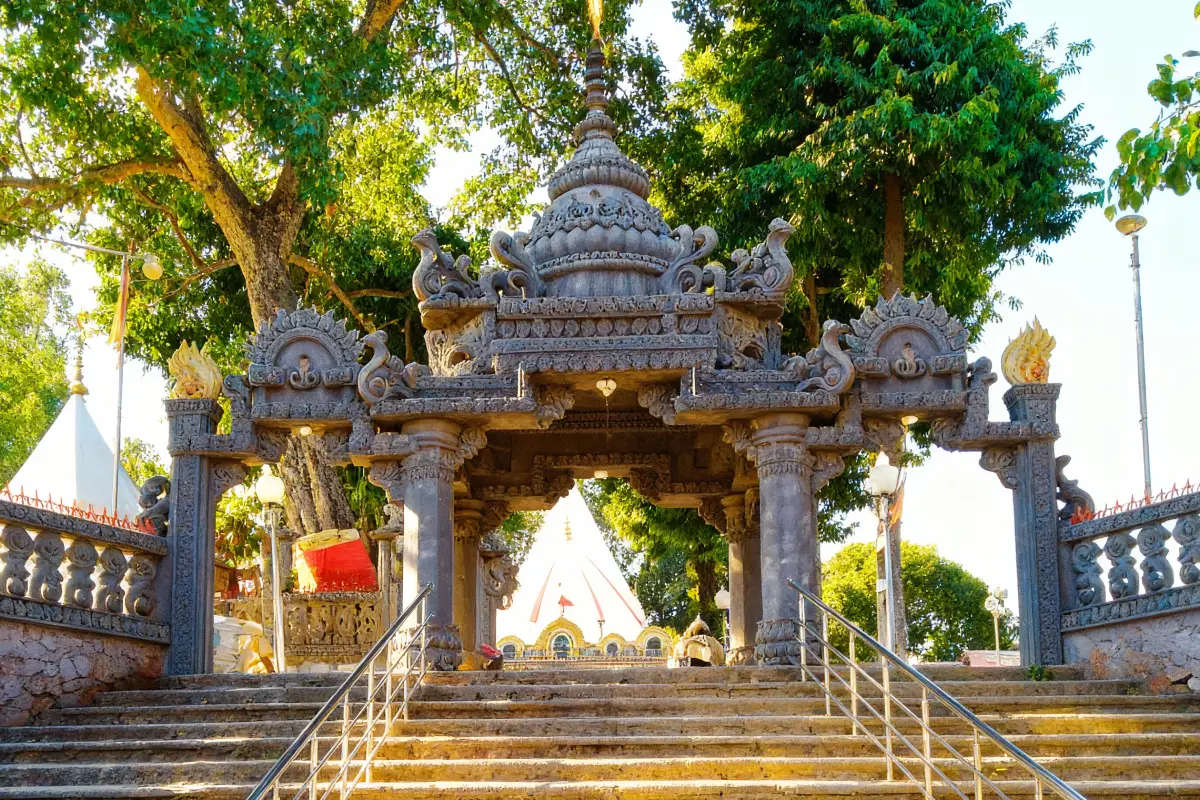
During that time, he ruled this region. His capital was Sikhnajhar, located in Ultapani Reserve Forest near Saralbhanga, on the India-Bhutan border. This area is now part of Sikhna Jwhwlao National Park. The local people consider this place a sacred abode of deities and spirits. Every year, the Bodo community traditionally performs the Bathou Kherai Puja here.
This newly formed or newly added national park has brought new prospects to Assam's tourism sector. Sikhna Jwhwlao National Park offers a unique blend of nature, wildlife, and culture, making it an ideal ecotourism destination. Tourists can enjoy wildlife safaris and birdwatching, especially spotting the golden langur and great Indian hornbill, among other rare species.
The serene Saralbhanga River enhances the park’s beauty and attracts adventure enthusiasts. Visitors can experience nature walks, trekking, and breathtaking landscapes along the riverbank.
The park holds strong cultural significance as the Bodo community traditionally celebrates Bathou Kherai Puja here. Tourists can explore local traditions, lifestyles, and rituals, which add to the park’s tourism appeal.
Located close to Guwahati and Kokrajhar, the park ensures easy accessibility, making it a perfect destination for nature lovers and tourists.
*Advertisement