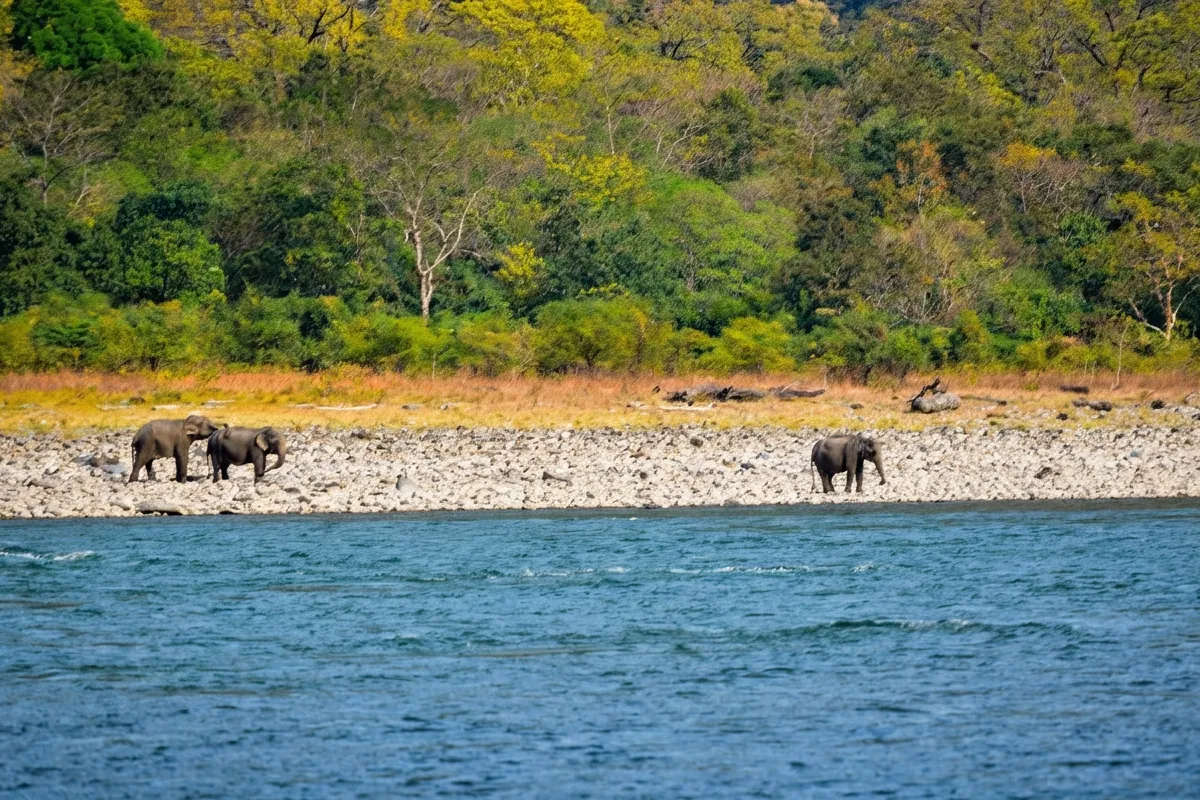
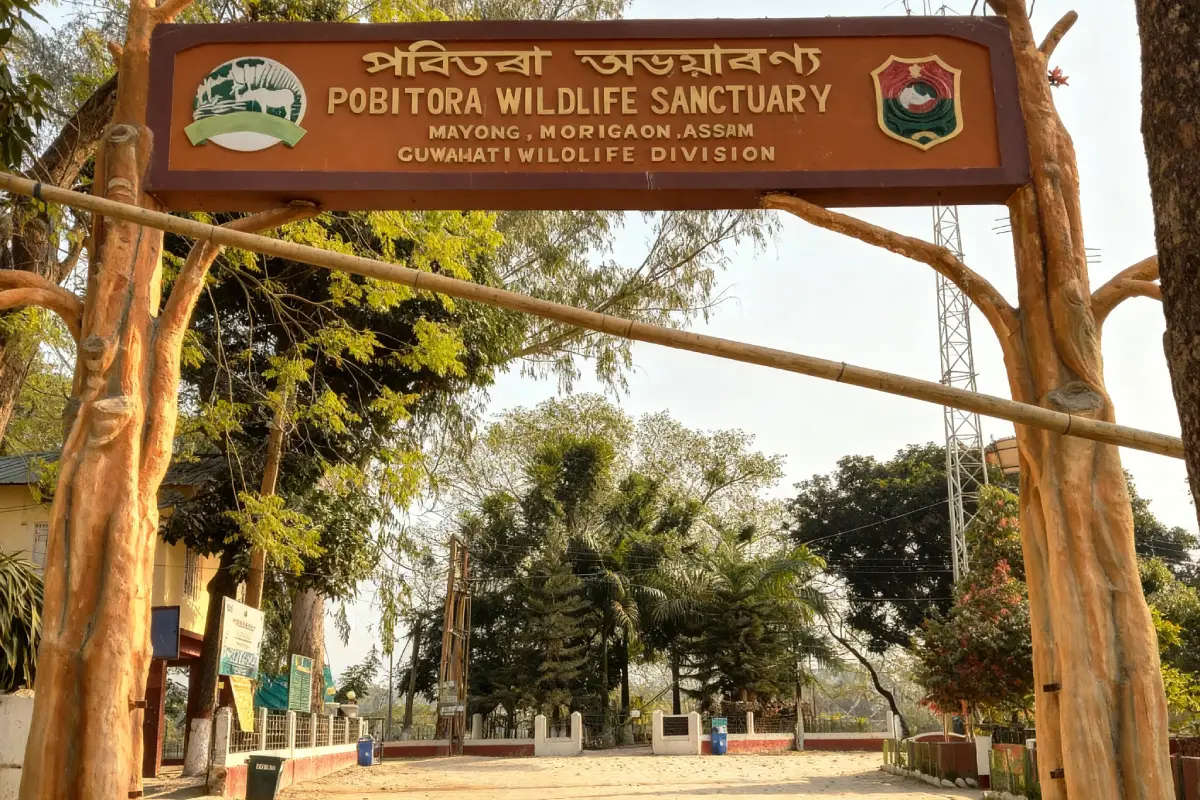


Nestled quietly among Assam’s lesser-known wild landscapes is a sanctuary—Pobitora. Blessed with unmatched natural beauty, Pobitora Wildlife Sanctuary lies in the Mayong region of Morigaon district, about 40 kilometers east of Guwahati city. Spreading out from the banks of the mighty Brahmaputra, Pobitora holds the highest density of one-horned rhinoceroses in the world.
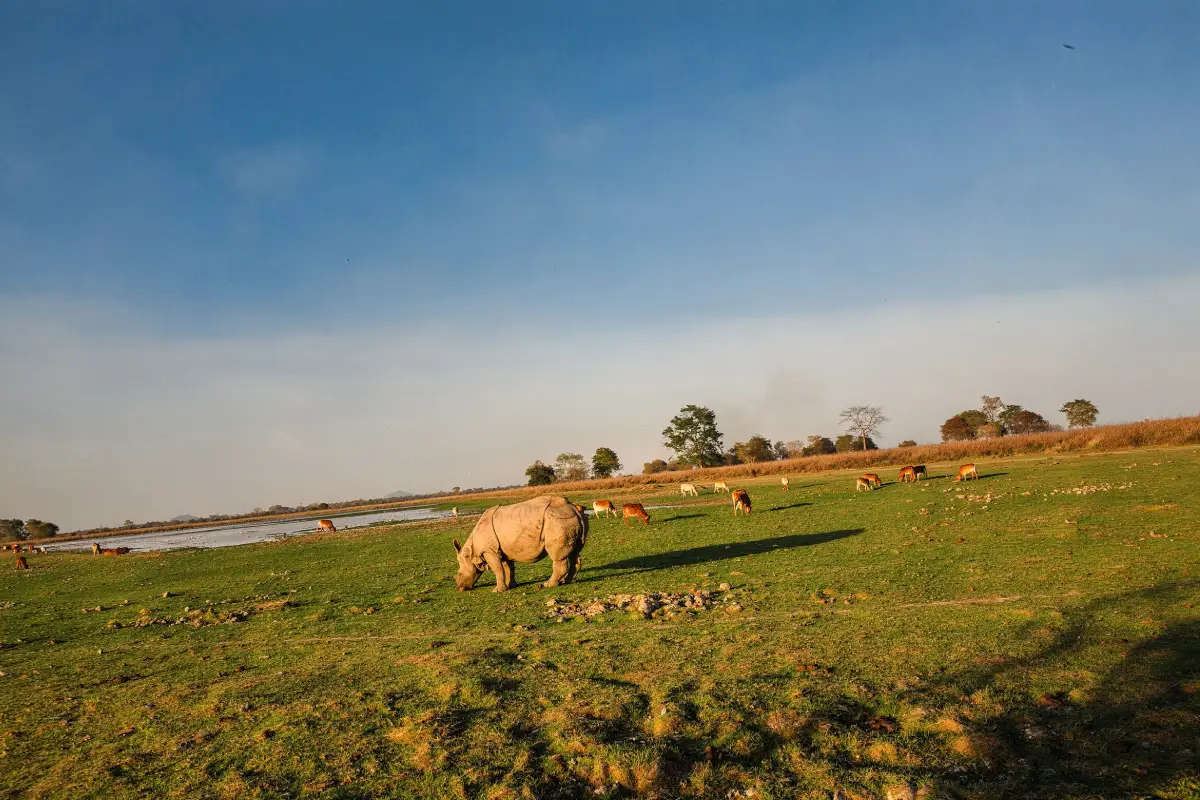
Although relatively small, Pobitora is home to an exceptionally high concentration of one-horned rhinoceroses, around 10 per square kilometer. As of 2012, there are 93 rhinoceros in the Pobitora Wildlife Sanctuary.
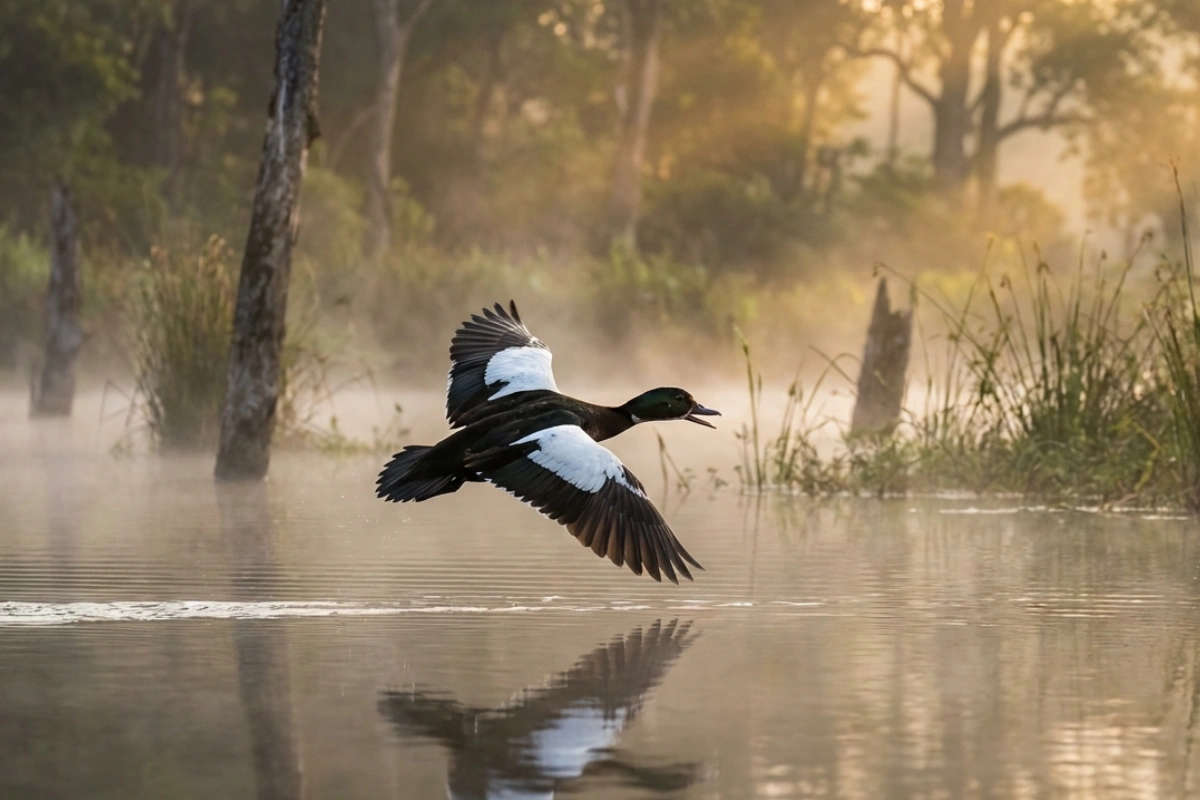
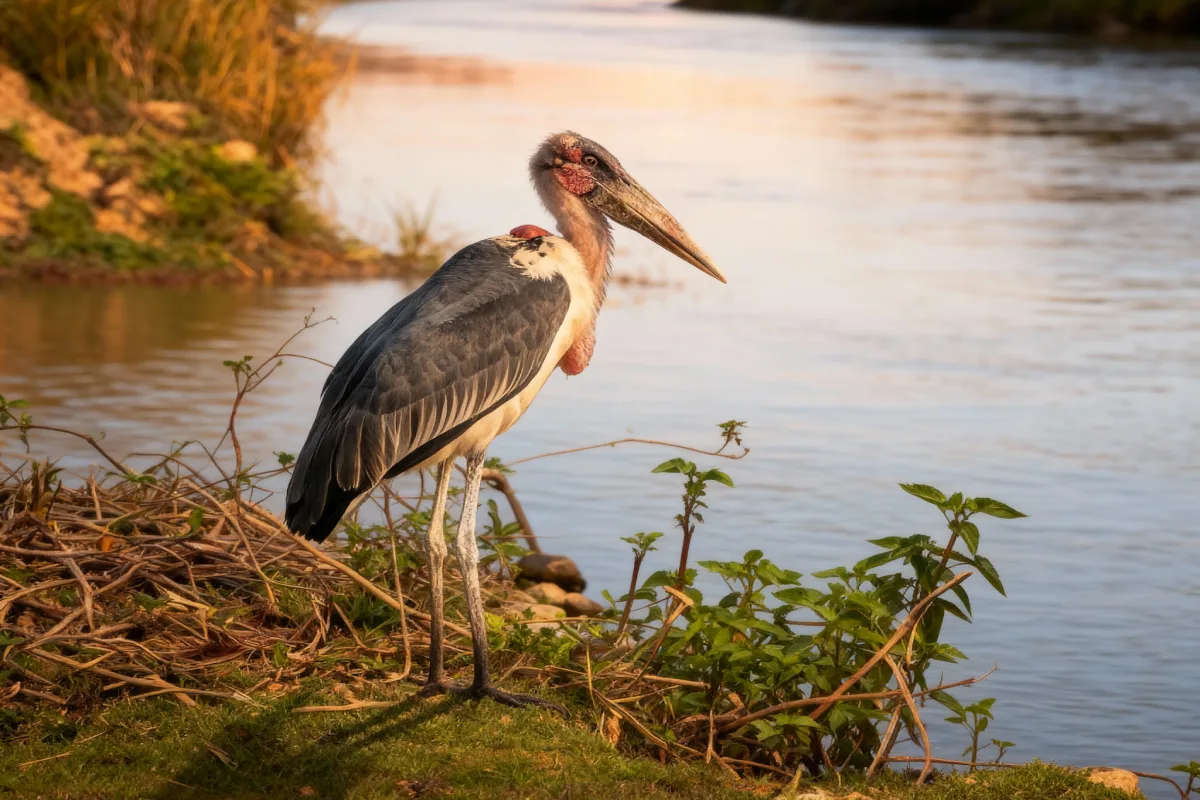
It’s not just the rhinos; Pobitora Wildlife Sanctuary is also a paradise for birdwatchers. It is home to over 200 bird species. In October, numerous migratory birds, especially ducks, arrive in Pobitora from the distant Siberian region. Various waterfowl fill the rivers, wetlands, and beels with their lively presence. If you visit during this time, it will be a wonderful opportunity to witness both native and migratory birds in their natural habitat.
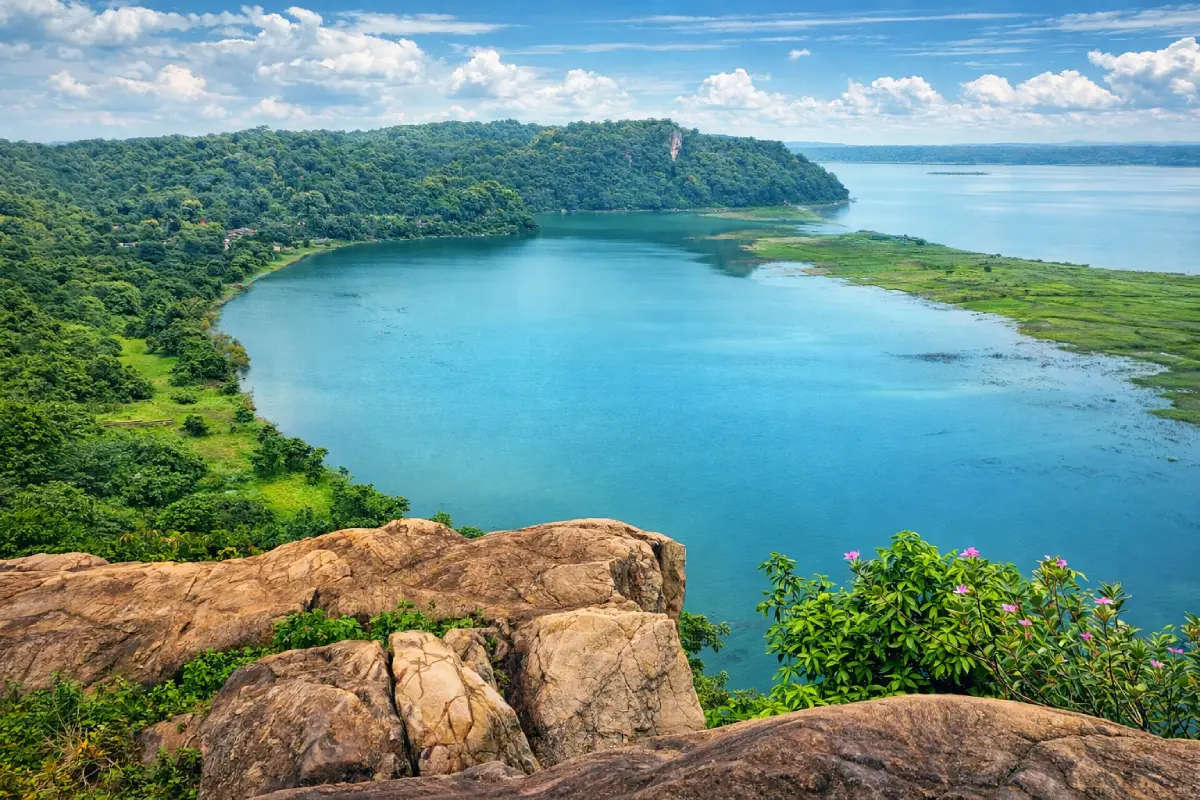
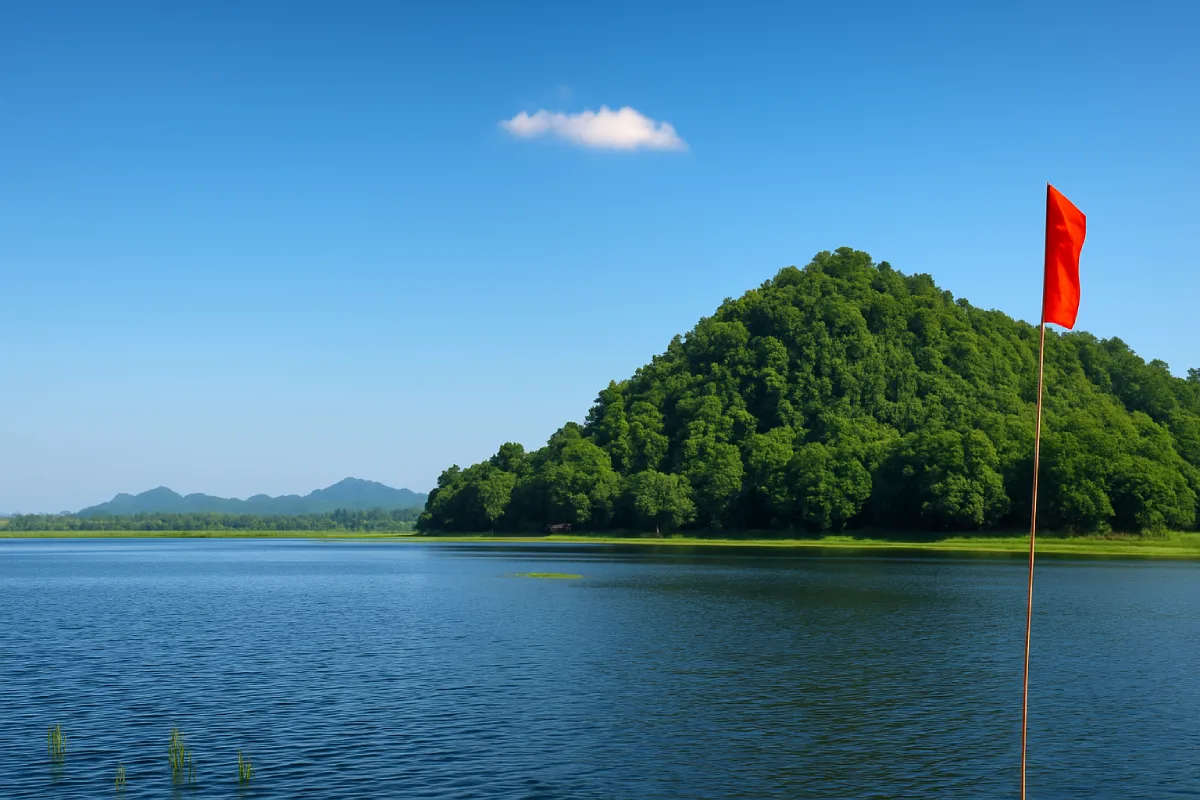
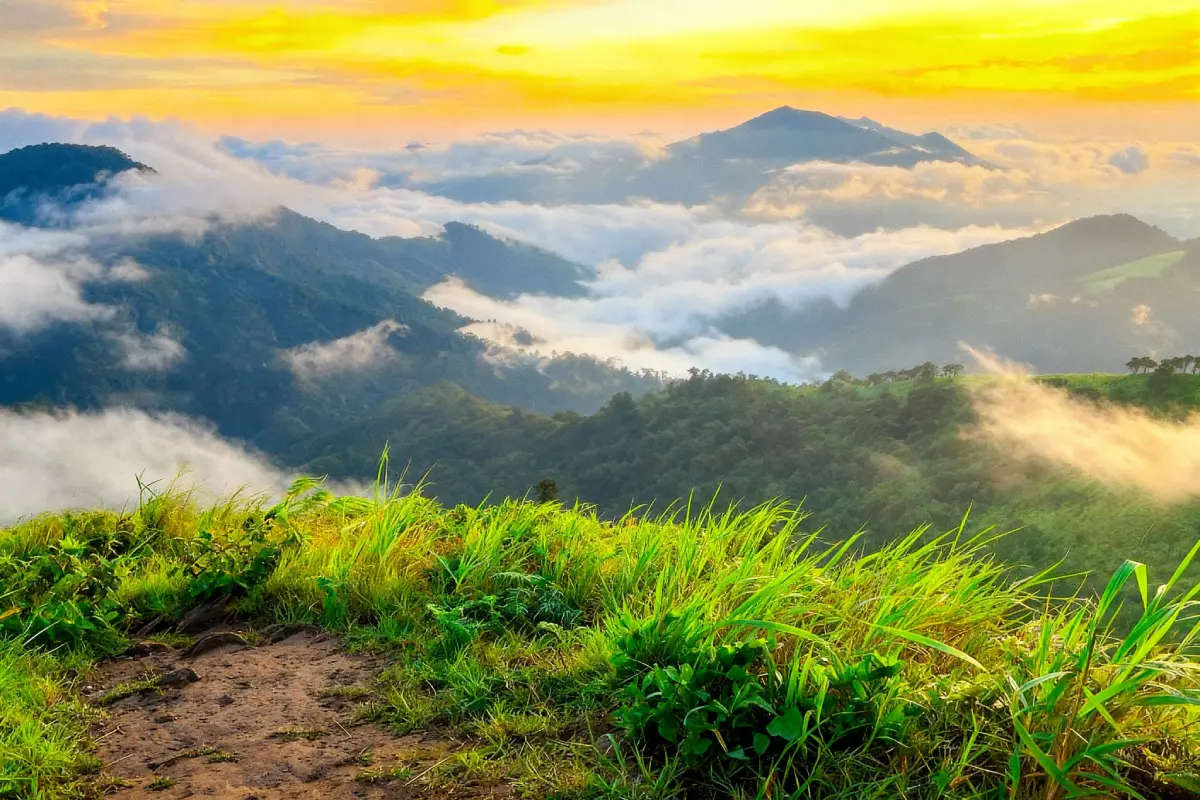
With its scenic mix of beels (wetlands), hills, and open grasslands, Pobitora feels like a green world of its own. A jeep safari here may bring you face-to-face with rhinos, wild buffalo, and even a rare glimpse of a leopard. Pobitora is the perfect escape for wildlife enthusiasts, bird lovers, and peace-seeking travelers. Its serene environment, warm local hospitality, and untouched natural beauty will surely captivate your heart.
Pobitora has the highest density of one-horned rhinoceroses in the world. Unlike vast national parks where sightings are a matter of luck, here the experience is intimate and intense. Every safari feels personal—raw grasslands, towering rhinos, and moments that stay etched long after you leave.
This is not a polished, over-commercialized jungle. Pobitora is wild in its truest sense—muddy tracks, sudden bird calls, buffalo herds blocking your path, and nature operating on its own terms. If you want an authentic wildlife encounter instead of a curated one, this is it.
Set against wetlands and grasslands, Pobitora becomes a seasonal stage for migratory birds, dramatic skies, and golden-hour landscapes. Whether you carry a professional camera or just curiosity, the sanctuary rewards patience with frames that look untouched by time.
How would a family picnic in a natural paradise feel? A peaceful, serene picnic spot is available inside the wildlife sanctuary, and many other spots (Garanga Beel) are available near Pobitora Wildlife Sanctuary for public picnics. However, those places are managed by local authorities, and charges (approx. Rs. 50 per person) are applied for picnics.
Jeep Safari.
Elephant Safari.
Birdwatching.
Wildlife Photography.

Distance From Guwahati City: 47 Km

Nearest City: Morigaon(39 Km)

Nearest Railway Station: Thakurkuchi Railway Station(23 Km)

Nearest Airport: Lokpriya Gopinath Bordoloi International Airport, Borjhar(77 Km)
Pobitora Wildlife Sanctuary lies just a short drive from Guwahati and is easily accessible by road. You can hire a cab or drive your vehicle from Guwahati, reaching the sanctuary in about 1.5 to 2 hours. Shared cabs frequently operate from Paltan Bazar and Khanapara, offering a budget-friendly option.
If you're arriving at Lokpriya Gopinath Bordoloi International Airport, private taxis provide the most convenient travel option. Public buses also run towards Mayong, though they are fewer in number, but they suit travelers looking for an economical journey.
The best time to visit Pobitora Wildlife Sanctuary is from October to March, when the weather is cool and pleasant. During these winter months, the chances of spotting one-horned rhinoceroses, migratory birds, and other wildlife are high. The grasslands remain lush, and visibility improves after the monsoon. Nature photographers, birdwatchers, and wildlife lovers find this season perfect. Morning jeep safaris are especially popular during this time for clearer sightings. So, plan your trip in the post-monsoon to early spring season to enjoy Pobitora’s wild charm at its best.
Pobitora Wildlife Sanctuary's terrain is dominated by alluvial meadows and dense clumps of tall elephant grass. It is noted for having the highest concentration of greater one-horned rhinoceros in the nation. Pobitora Wildlife Sanctuary also provides a safe environment for around 2000 migratory birds and a variety of reptiles.
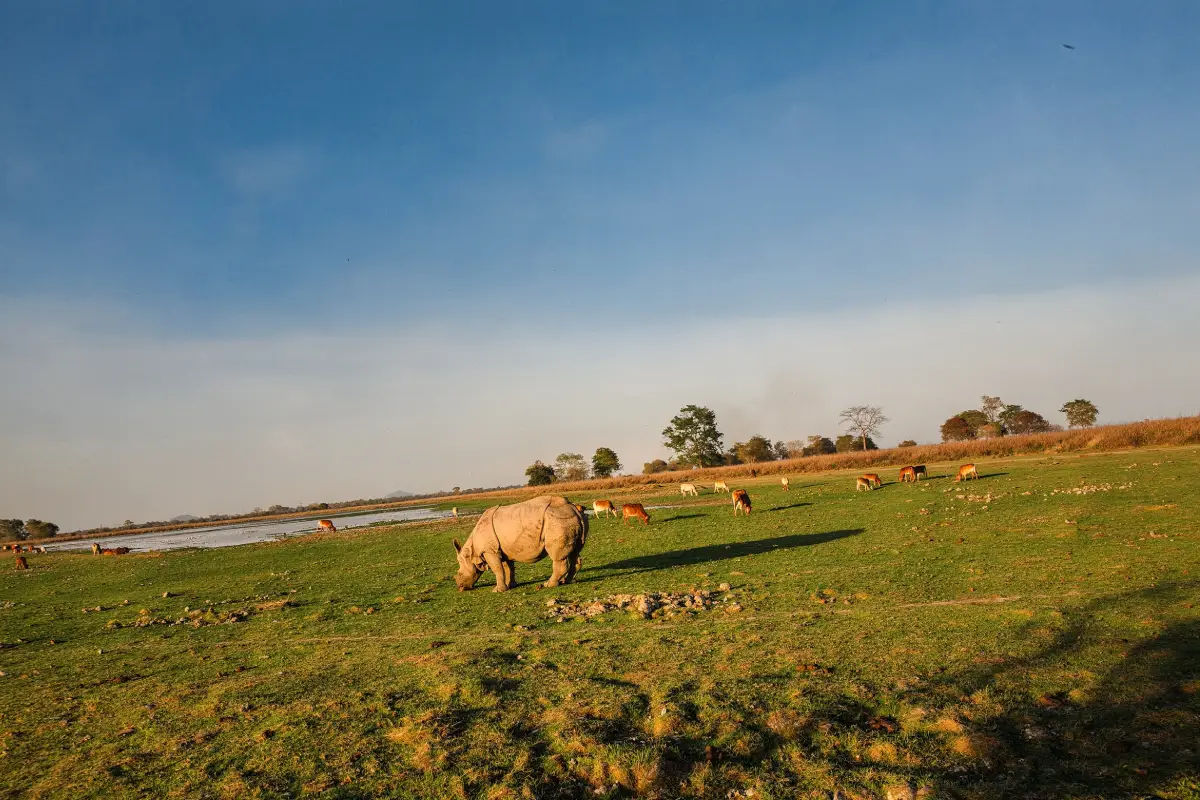
Pobitora wildlife sanctuary is noted for having the highest concentration of Greater One Horned Rhinoceros in India. It is the largest rhinoceros species. It is listed in Appendix I of the CITES and in Schedule I of the Wildlife Protection Act. It is distinguished by a single black horn measuring 8-25 inches long and a grey-brown hide with skin wrinkles that give it an armor-plated look. They graze predominantly, eating mostly grasses, leaves, shrub and tree branches, fruit, and aquatic plants.
Other animals found in the Pobitora Wildlife Sanctuary forest reserves include Asiatic wild water buffaloes, leopards, foxes, jungle cats, fishing cats, mongooses, deer, weasels, wild boars, civets, rhesus macaques, Chinese pangolins, otters, and more. Gangetic River Dolphins are highly endangered and can be seen on boat safari tours alongside Assam Roofed Top Turtles, Spotted Pond Turtles, Indian Roof Turtles, and other species.
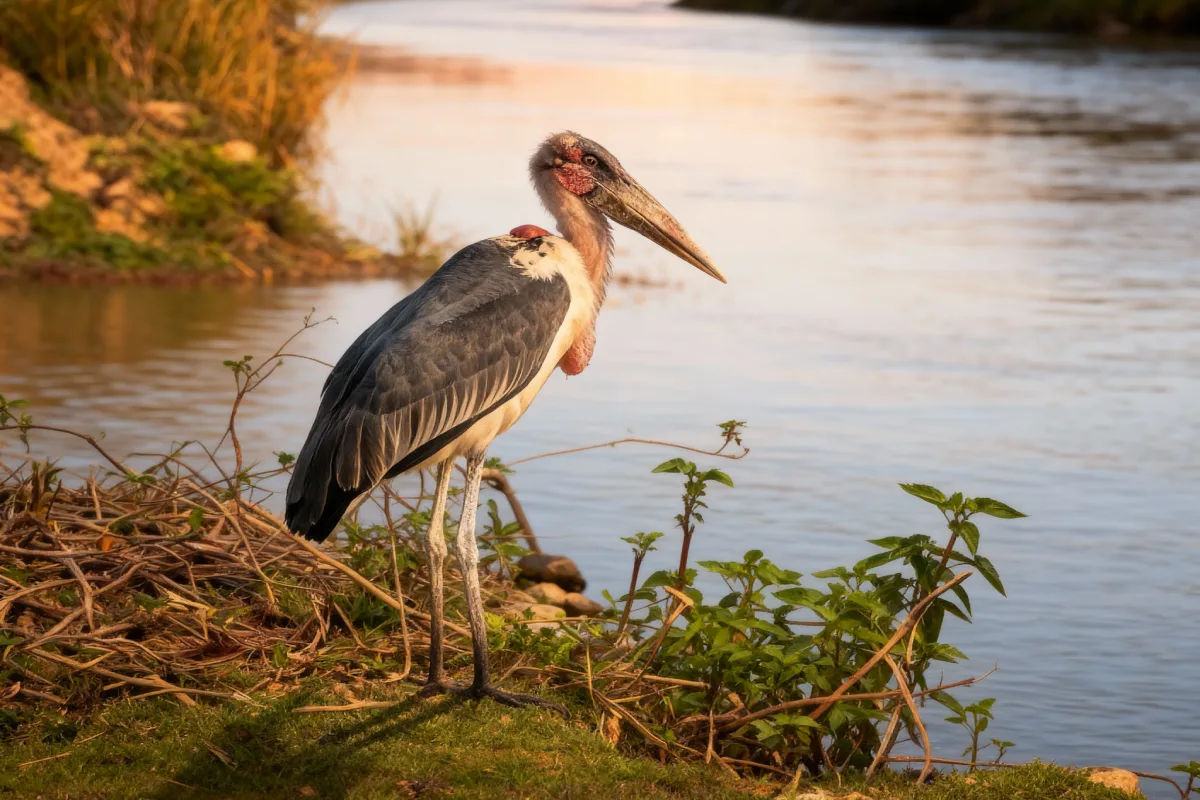
Lesser adjutant storks, ferruginous ducks, pied harriers, crested serpent eagles, Pallas's fish eagles, bar-headed geese, kites, kingfishers, paddy birds, cormorants, black-necked cranes, egrets, grey pelicans, Brahminy ducks, great Indian hornbills, oriental pied hornbills, barbets, larks, magpie robins, and many migratory birds can be found in Pobitora.
Arundo donax, Erianthus ravennae, Phragmites karka, Imperata cylindrica, and Saccharum spp. account for 72% of Pabitora's wet savannah. Water hyacinth is a severe nuisance, particularly for waterfowl, as it creates thick mats on the water's surface. Tall grasses such as sugarcane and elephant grass distinguish the various Pobitora ranges. In addition, there are numerous tiny grasses around the area. Small grasses grow largely near cotton trees, Kumbhi trees, Indian gooseberries, and elephant apples.
On November 18, 1971, the Government of Assam officially demarcated this area through a gazette notification, declaring it a reserved forest. Spanning approximately 1584.76 hectares, Pobitora became a protected zone. Residents from Haduga Khuti were relocated to 150 bighas of land in the northern part of Hatigarh VGR for rehabilitation. Later, in 1987, another notification (No. F.W.R/19/87/39) upgraded its status to a wildlife sanctuary. At present, the total area of Pobitora Wildlife Sanctuary is 2,776.62 hectares (38.80 sq. km).
The name "Pobitora" is believed to have multiple origins rooted in local legends and folklore. One version traces the name back to the ancient kingdom of Mayong, once ruled by a king named SuiNanta Singha around 1607 CE. According to the story, the king had a beloved elder daughter named Rajkumari Pobitra. Following her untimely death, the grieving king named the forested land in her memory. Over time, the name "Pobitra" gradually transformed into "Pobitora" through oral tradition.
Another explanation links the name to the rich vegetation once found in the area, especially plants like patidoi and tara. Locals say the region was once referred to as “Patitora” due to the abundance of these plants. Eventually, this evolved into “Pobitora.”
A different tale comes from the residents of Hadugpar village, situated north of Hadug Beel. Long ago, the villagers cleared the dense forest on the southern bank of the beel to create farmland. Since they had to travel a long distance to plow the land, they would begin their work early in the morning, just as the morning star appeared. Because of this routine, the area came to be called "Puwoti Tara," meaning “morning star.” Over time, the name is believed to have morphed into "Pobitora.”
While these accounts offer fascinating insights, there is no documented evidence to confirm any single version as definitive.
*Advertisement