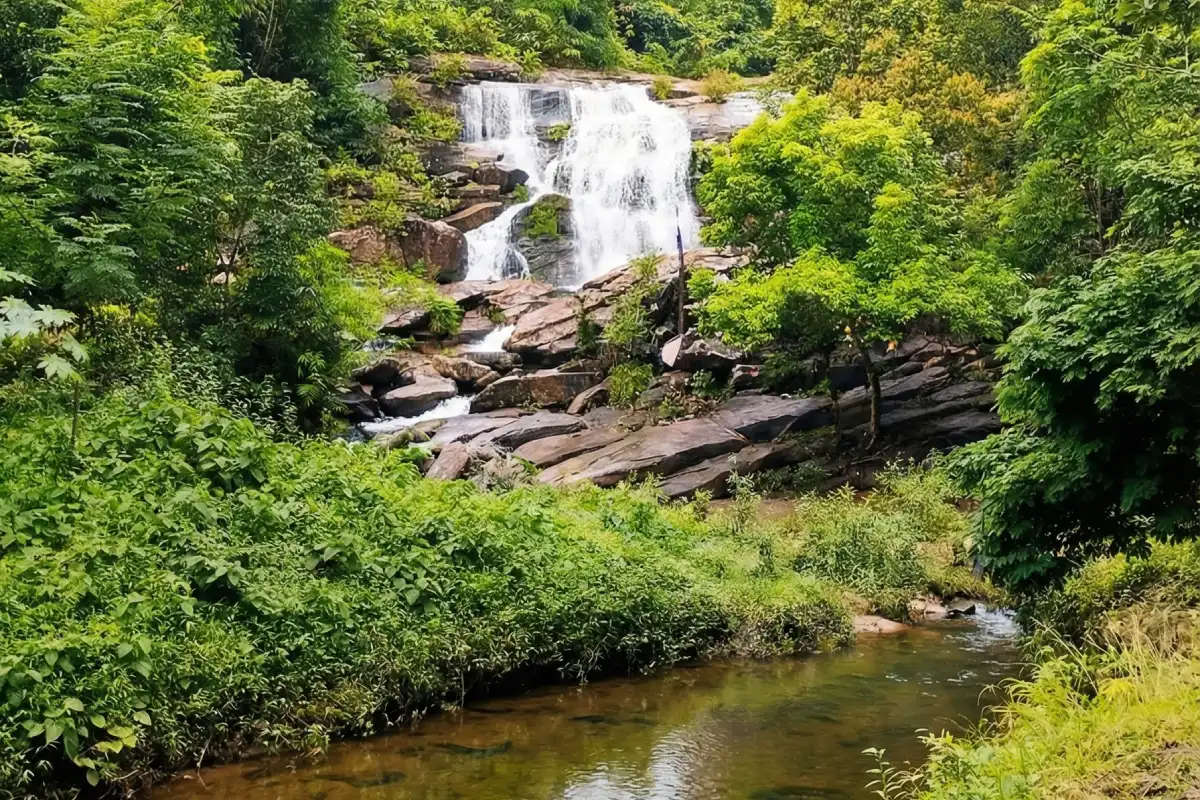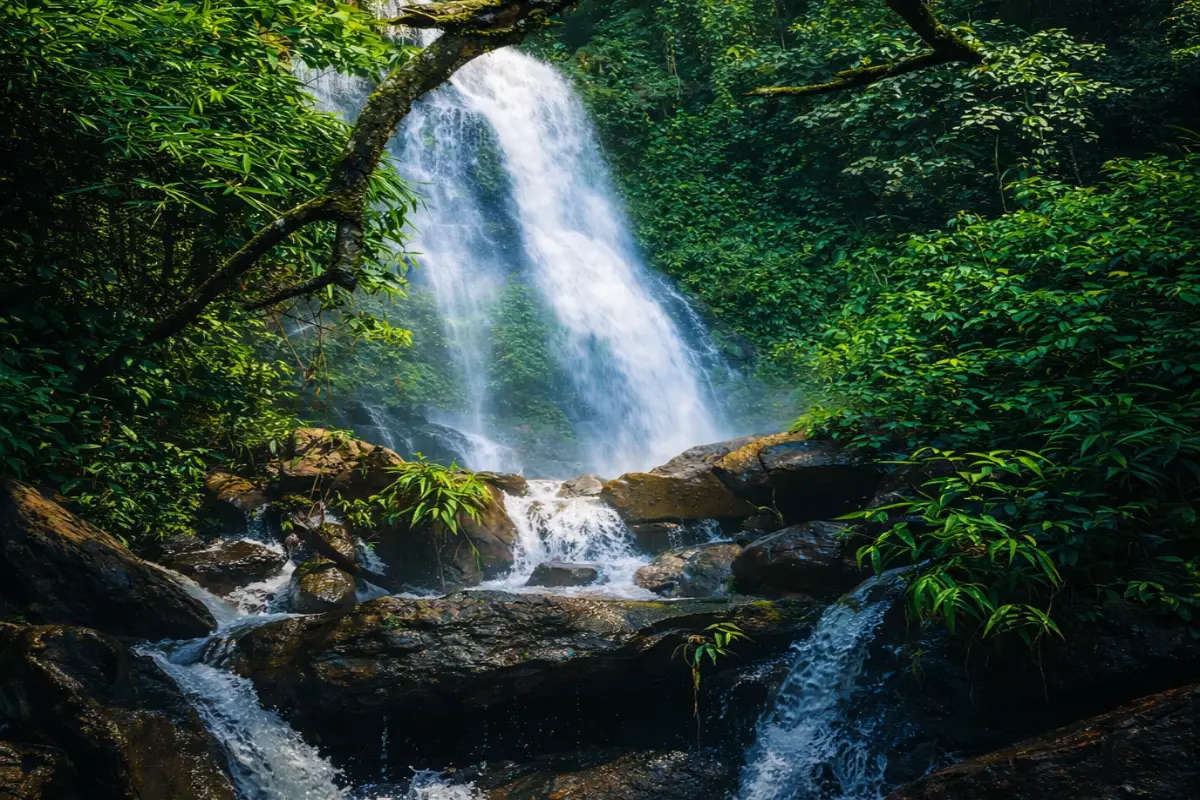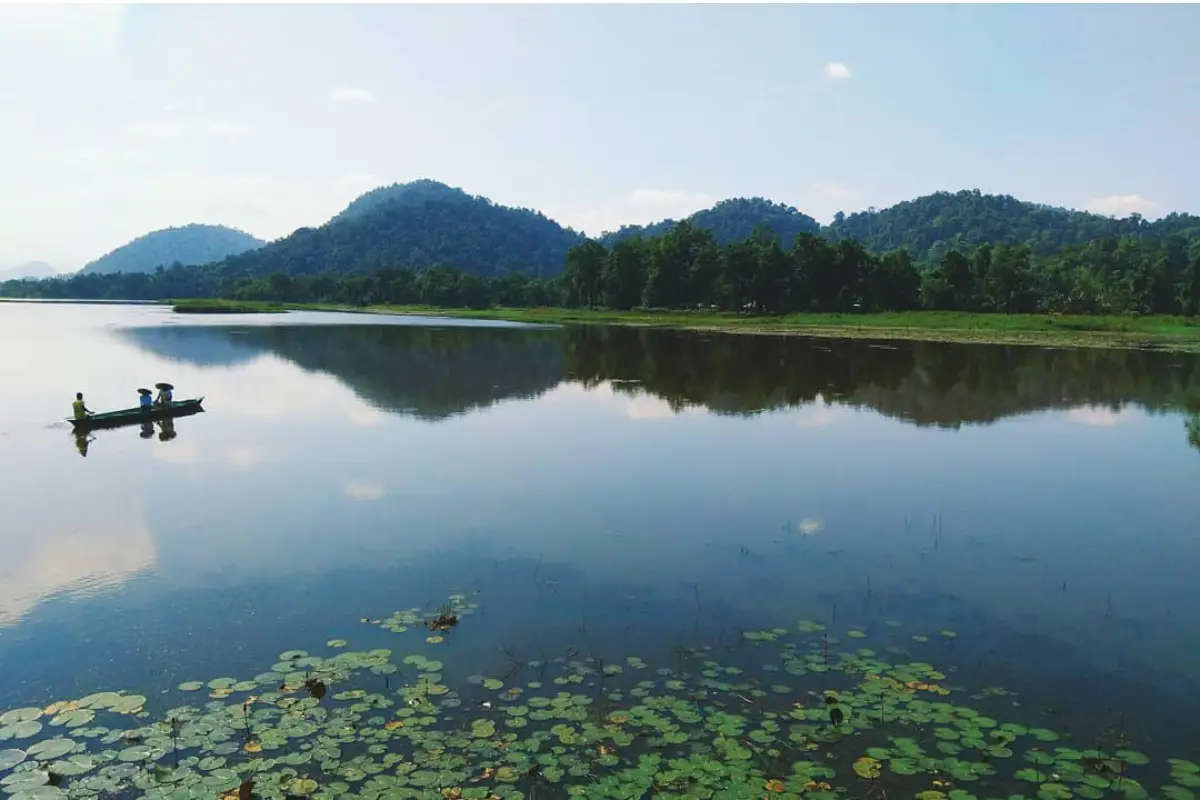


Chandubi Beel is a beautiful creation of nature. Escape your busy life and experience the peaceful beauty of Chandubi. Nestled in the Rabha Hasong Autonomous Council area of Kamrup district, Assam, Chandubi Beel lies about 65 km from Guwahati. Located on the Assam-Meghalaya border, it is a remarkable natural destination rich in biodiversity. Surrounded by lush green hills and dense forests, Chandubi offers a tranquil and peaceful environment. Its natural beauty is complemented by diverse flora and fauna that thrive in a vibrant ecosystem.
If you want to relax and connect with nature, Chandubi Beel is perfect for you. Enjoy the captivating landscapes, feel the tranquil ambiance, and let this peaceful spot refresh your mind and body.
Chandubi Beel is a unique gift of nature, offering stunning beauty and a peaceful environment to everyone. Its calm atmosphere and picturesque scenery will mesmerize you, making it an ideal escape from daily life. Explore Chandubi Beel to enjoy nature, engage in tourism, and connect with local culture at its best. The vibrant biodiversity, traditional festivals, and fun activities make this place more attractive for visitors.
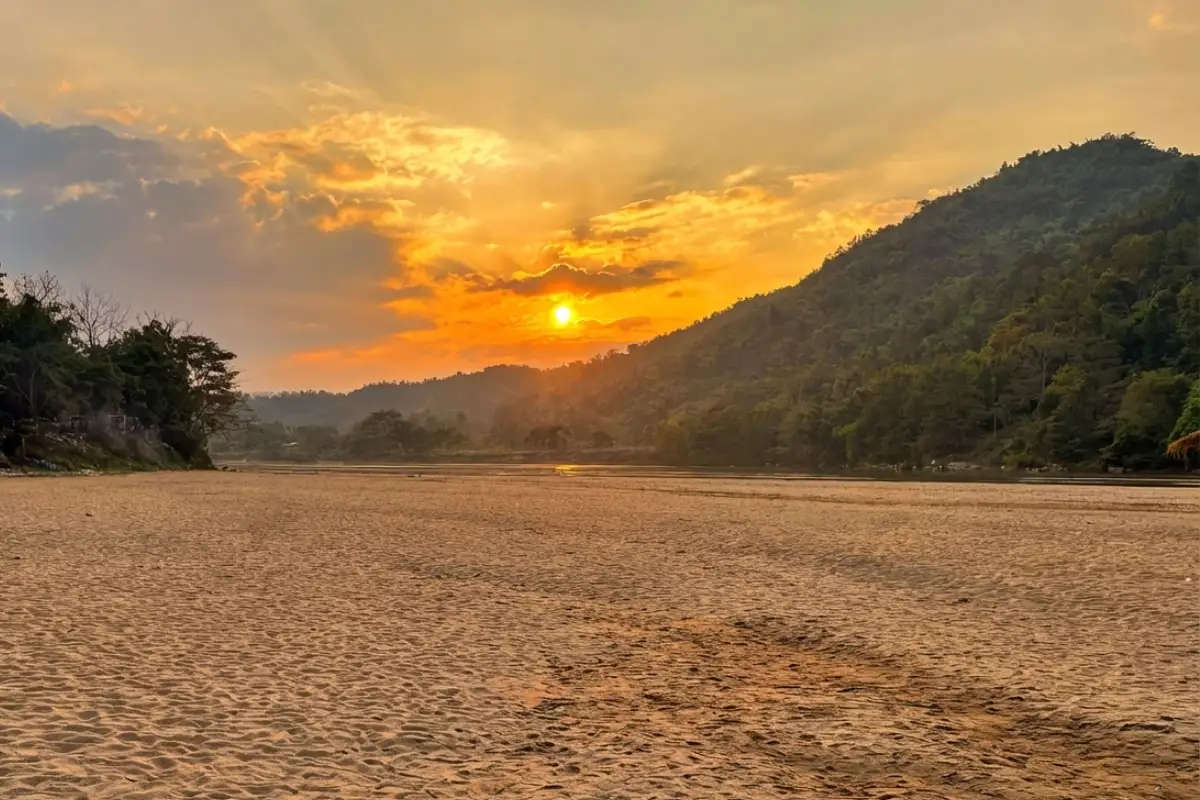
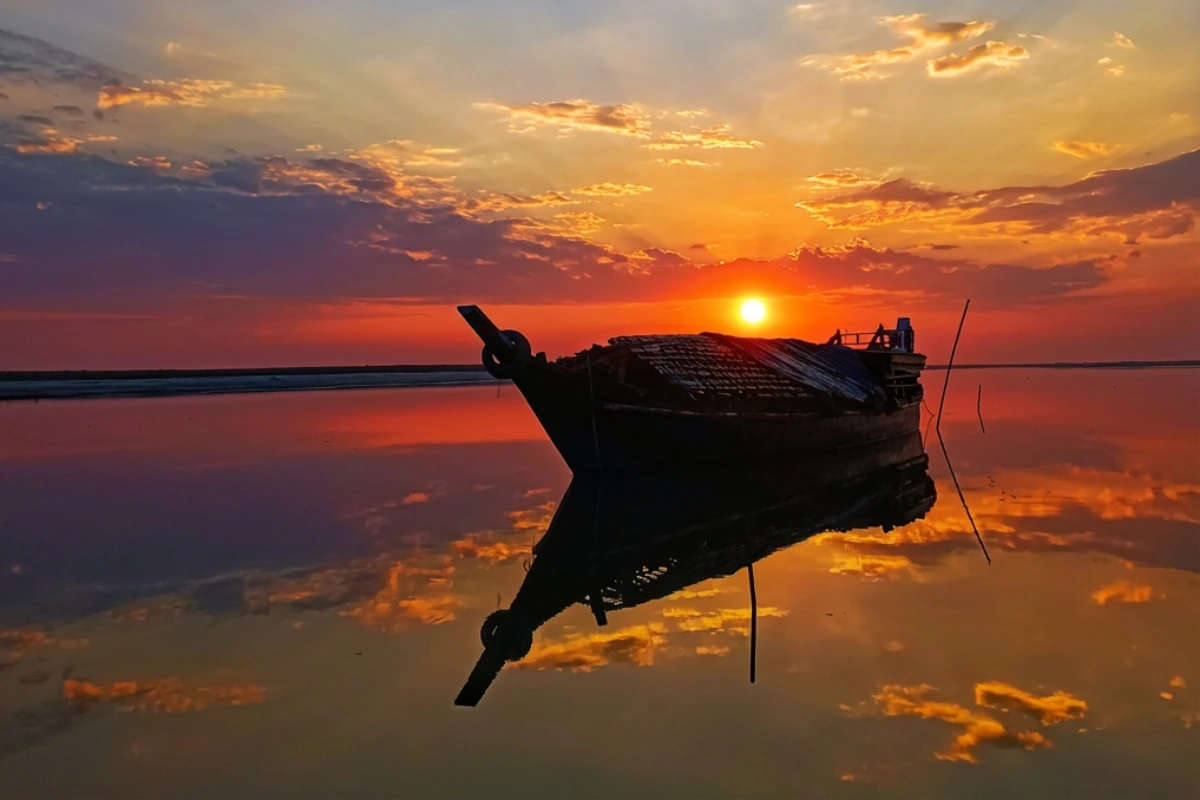
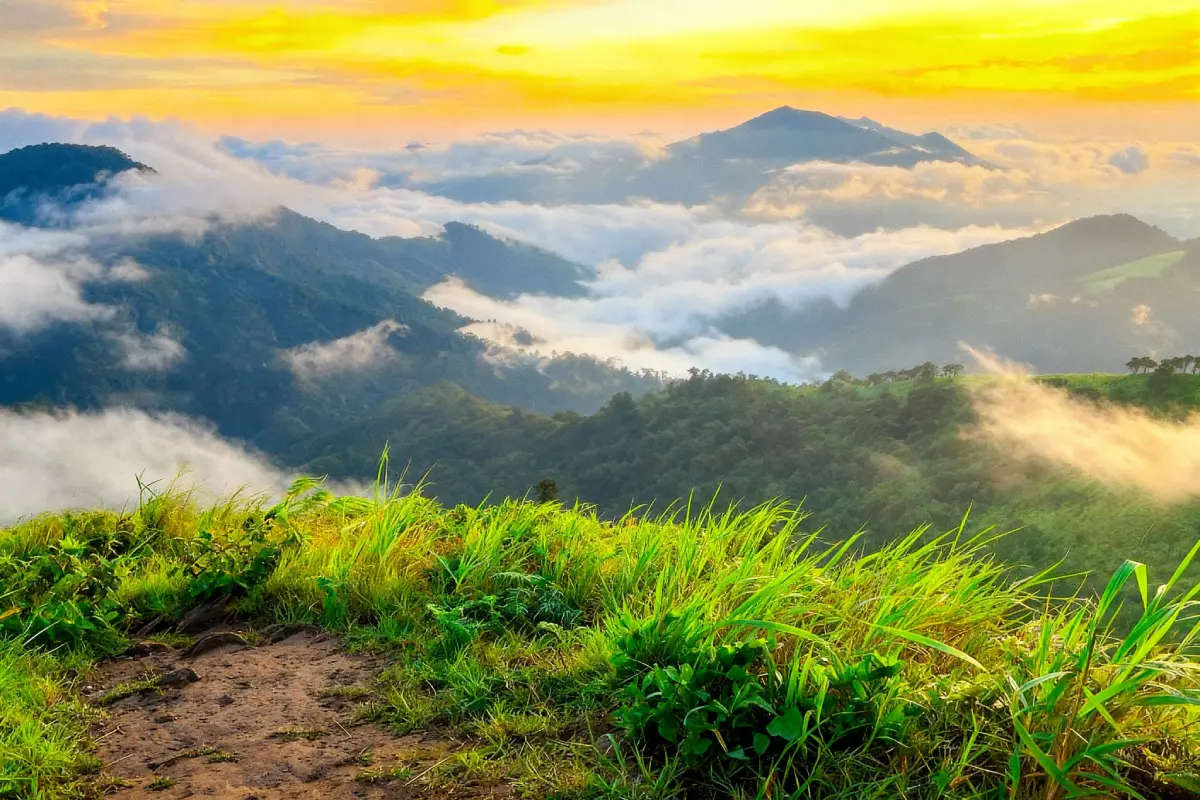
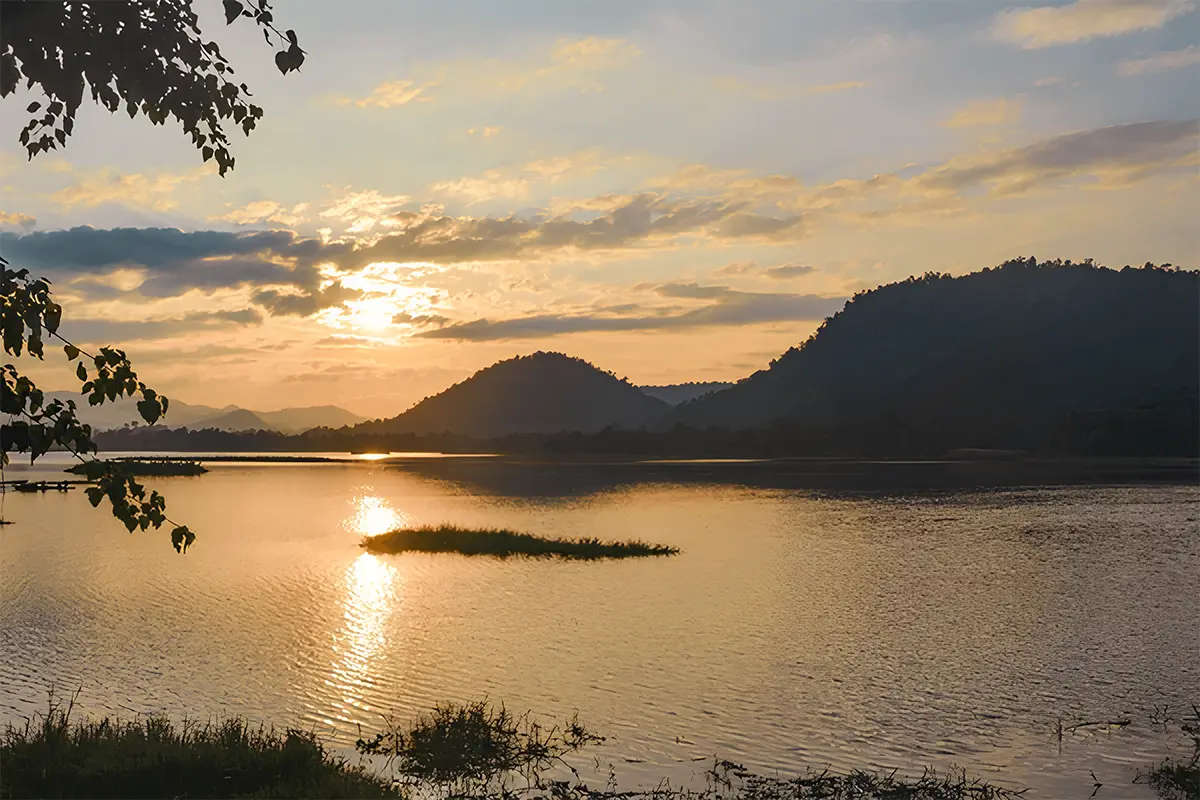
Chandubi Beel is a picturesque land of natural elegance. Surrounded by evergreen forests, it captivates visitors with its beauty. The natural serenity of Chandubi Beel can mesmerize any traveler who visits it. Its calm, clear water, lush green forests, and nearby hills make the place unique. The sunrise and sunset here offer enchanting views that enhance the lake's allure. The area is lined with sal, teak, and other forest trees, creating a haven for nature lovers like you. Exploring Chandubi Beel’s beauty will fill you with a sense of refreshment and inspiration.
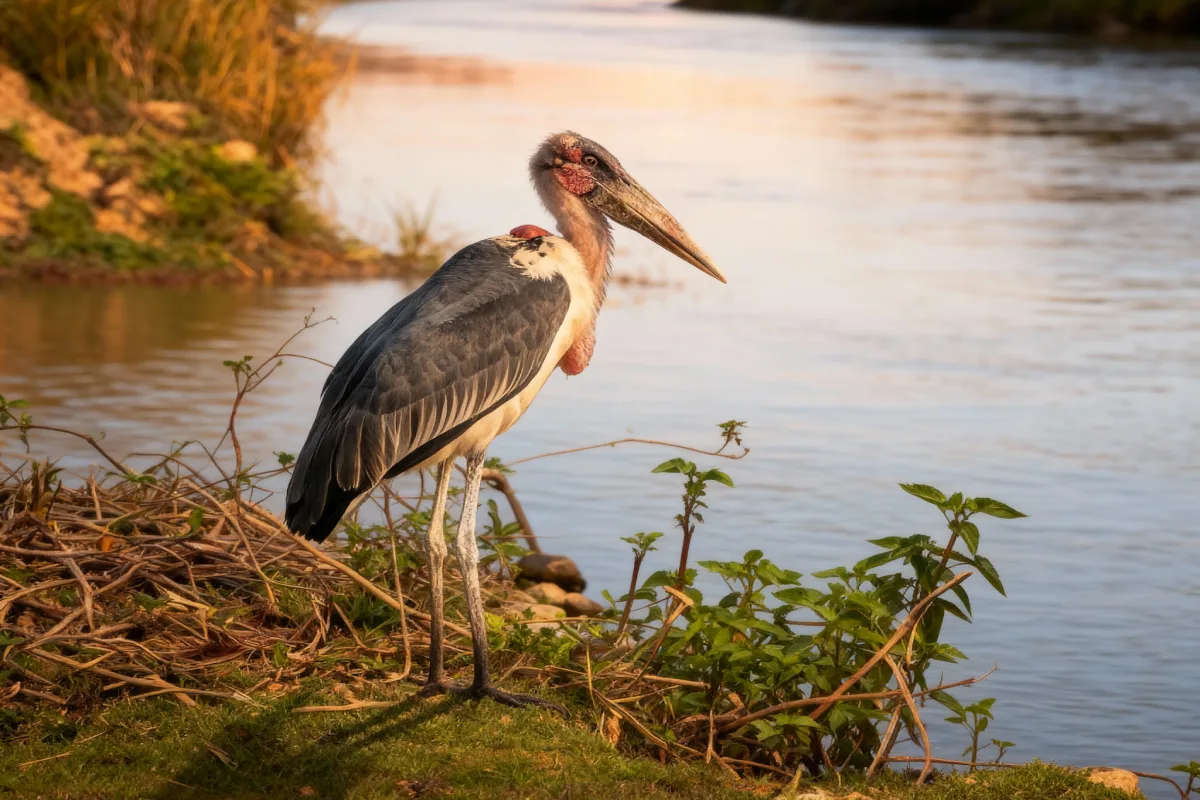
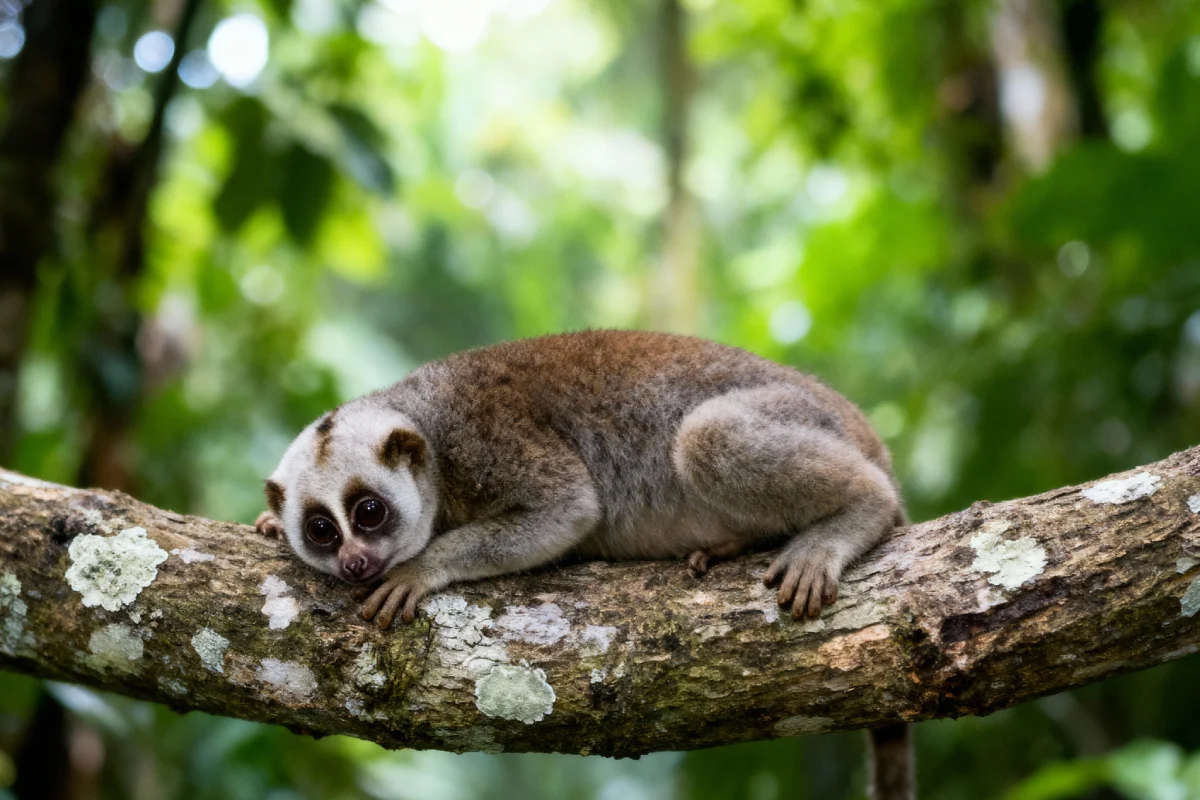
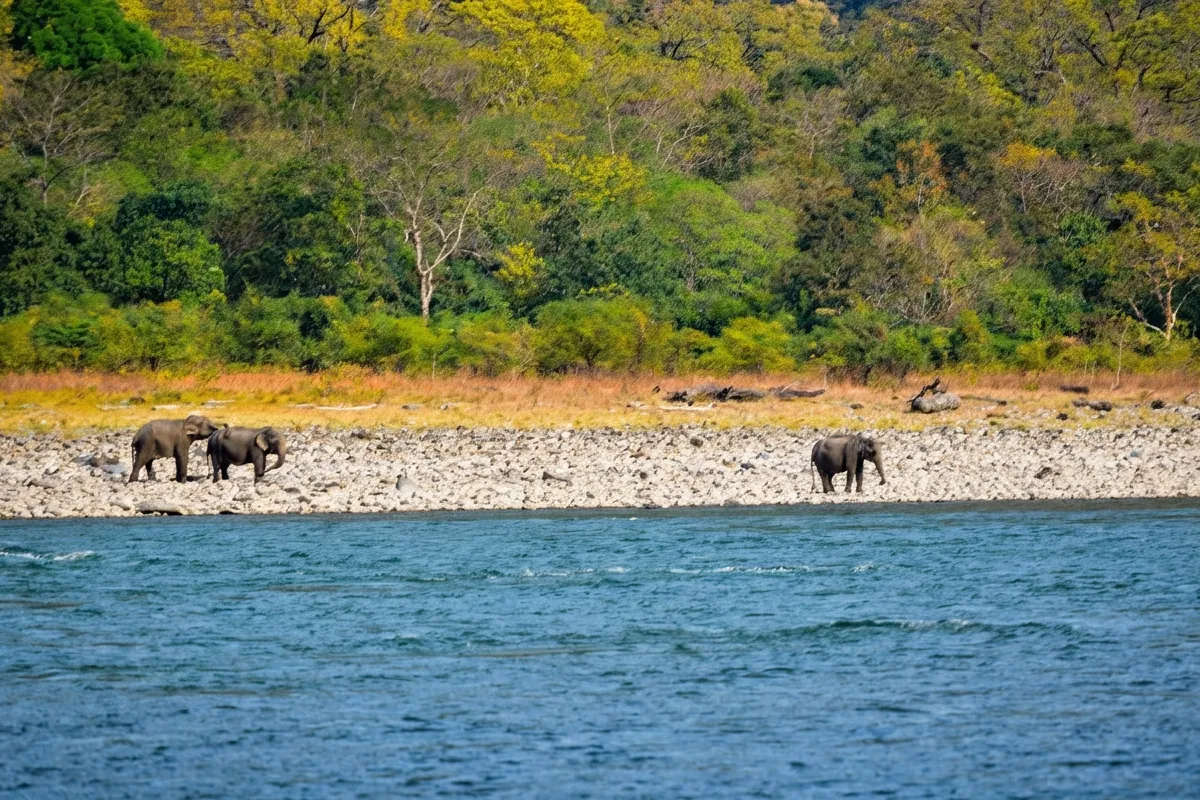
Chandubi Beel is a haven of biodiversity, providing a unique habitat for nature's wonders. It is home to various animals, birds, fish, turtles, aquatic plants, and migratory species. The surrounding sal, teak, bamboo, and other forest trees enhance the area's natural charm. You can observe numerous aquatic plants, climbers, and thriving local bird species.
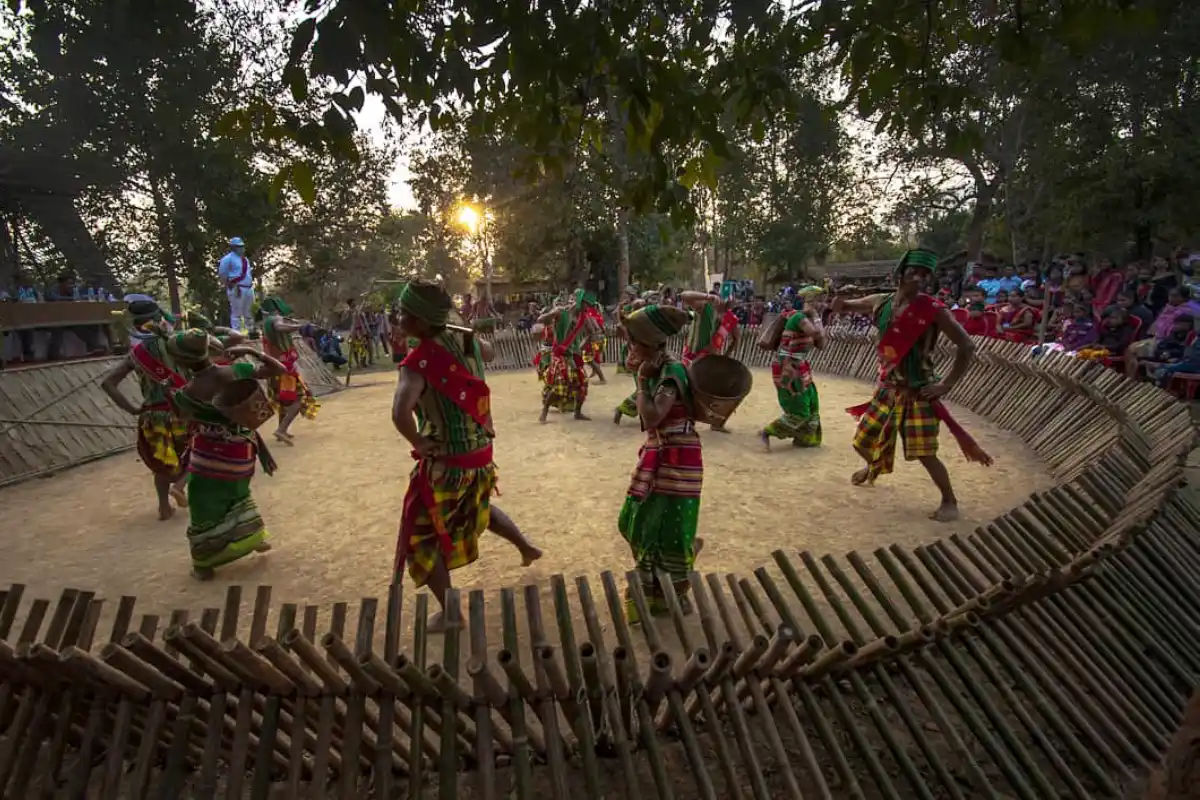
The Chandubi Beel Festival is a major attraction in the region. It is celebrated every year in the first week of January. This festival showcases local culture and traditions through folk music, dance, and handicrafts. You can enjoy a variety of traditional delicacies during the event. One of the highlights is the folk dance and music, reflecting the region's vibrant heritage.
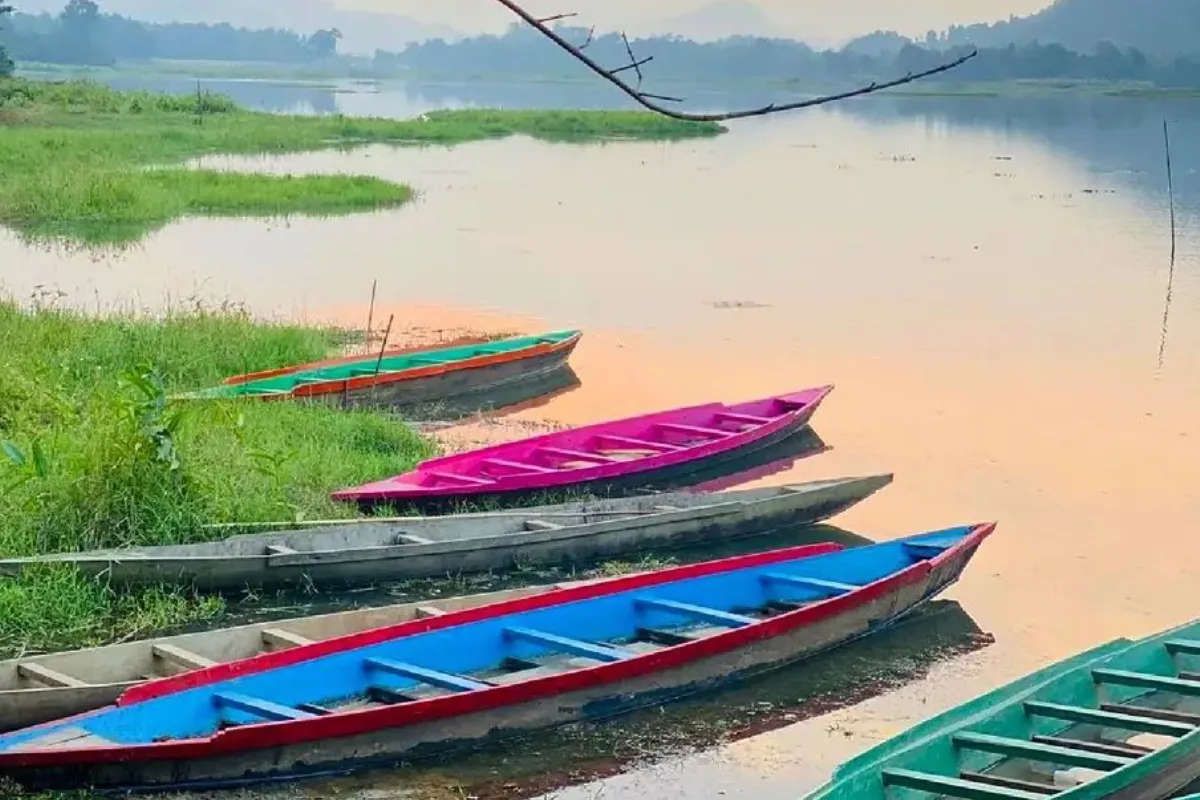
Take a boat ride on the serene waters of the beel.
Fishing enthusiasts can try fishing in designated areas.
Bird watching.
Enjoy a picnic.
Jungle camping.

Distance From Guwahati City: 56 Km

Nearest City: Mirza(33 Km)

Nearest Railway Station: Mirza Railway Station(31 Km)

Nearest Bus Stoppage: Lohar Ghat Bus Stop(17 Km)

Nearest Airport: LGBI Airport, Azara, Guwahati(39 Km)
Chandubi Beel is well-connected and easily accessible from Guwahati. Chandubi is located about 65 km from Guwahati. You can hire a taxi or drive via NH17 and Chandubi Road. Local buses and private vehicles also operate from Guwahati to nearby areas.
The nearest railway station to Chandubi Beel is Mirza Railway Station. From there, you can hire a cab or use local transport to reach the lake. Alternatively, Guwahati Railway Station is around 57 km from Chandubi Beel and is well-connected to major cities. From Guwahati, you can easily reach Chandubi Beel by taxi or bus.
The closest airport to Chandubi Beel is Lokpriya Gopinath Bordoloi International Airport in Guwahati. From the airport, you can take a bus or a cab via NH 37 toward Goalpara. Travel about 10 km west from the airport to reach the small town of Mirza. From Mirza, head south along a direct road for approximately 35 km to reach Chandubi Beel.
The ideal time to visit Chandubi Beel is between November and February, during the winter months. The weather remains pleasant and perfect for outdoor activities like boating, camping, and birdwatching. This period also coincides with the migratory bird season, offering you a chance to witness exotic bird species.
Additionally, the Chandubi Beel Festival, held in January, adds to the charm of visiting during this time. The festival showcases local culture, traditional dances, and delicious cuisine, making your trip even more memorable. Winter ensures you experience the lake's natural beauty at its best.
There are many legends and disagreements about the history of Chandubi Beel. The tall sal and teak trees by the lake narrate their story to every visitor. However, everyone agrees that the beel was formed after the devastating earthquake of June 12, 1897. This massive quake, with a magnitude of 8.7 on the Richter scale, caused the land in this area to sink. Five nearby hills collapsed and slowly submerged underwater, leading to the formation of Chandubi Beel. Local people view the beel as a unique gift of nature and consider it a priceless natural treasure of Assam.
There is a legend about the formation of Chandubi Beel that says it existed as a wetland thousands of years ago. However, its current form likely did not exist at that time. Many believe a wetland existed in this area, though its name remains uncertain. It might have been called Chandubi or something entirely different.
There are different opinions about the origin of Chandubi's name. It is said that the Boro, Kochari, Rabha, Khasi, and other communities once lived near the present-day Chandubi area. It is believed that the Khasi language influenced the region in various ways. The Khasi people used to offer prayers to various deities in the past. According to legend, there was a water body (dubi) in the area where five deities (Chan Ublei) were worshiped. In Khasi, 'Chan' means five, and 'Ublei' means deity. Over time, the name 'Chan Ublei' is believed to have transformed into 'Chandubi,' as the local lore suggests.
*Advertisement