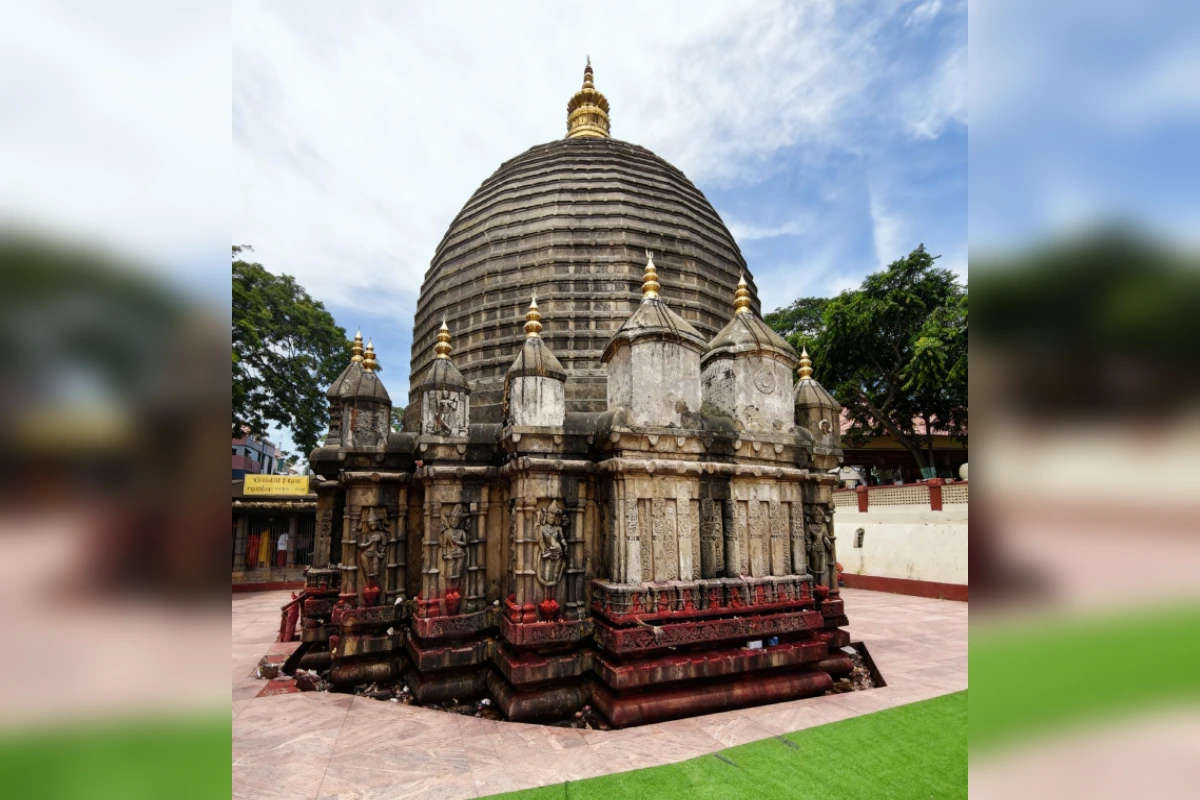


One of The Most Prominent Sakti Peethas in Assam:
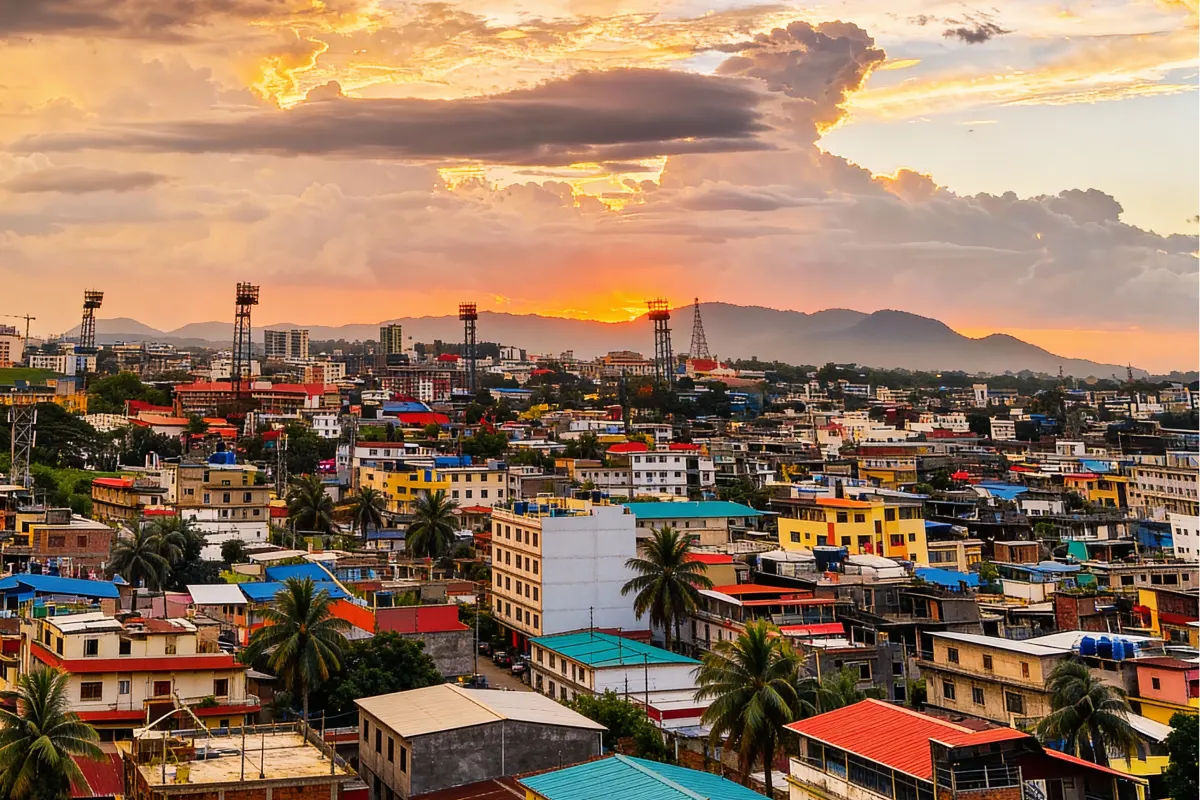
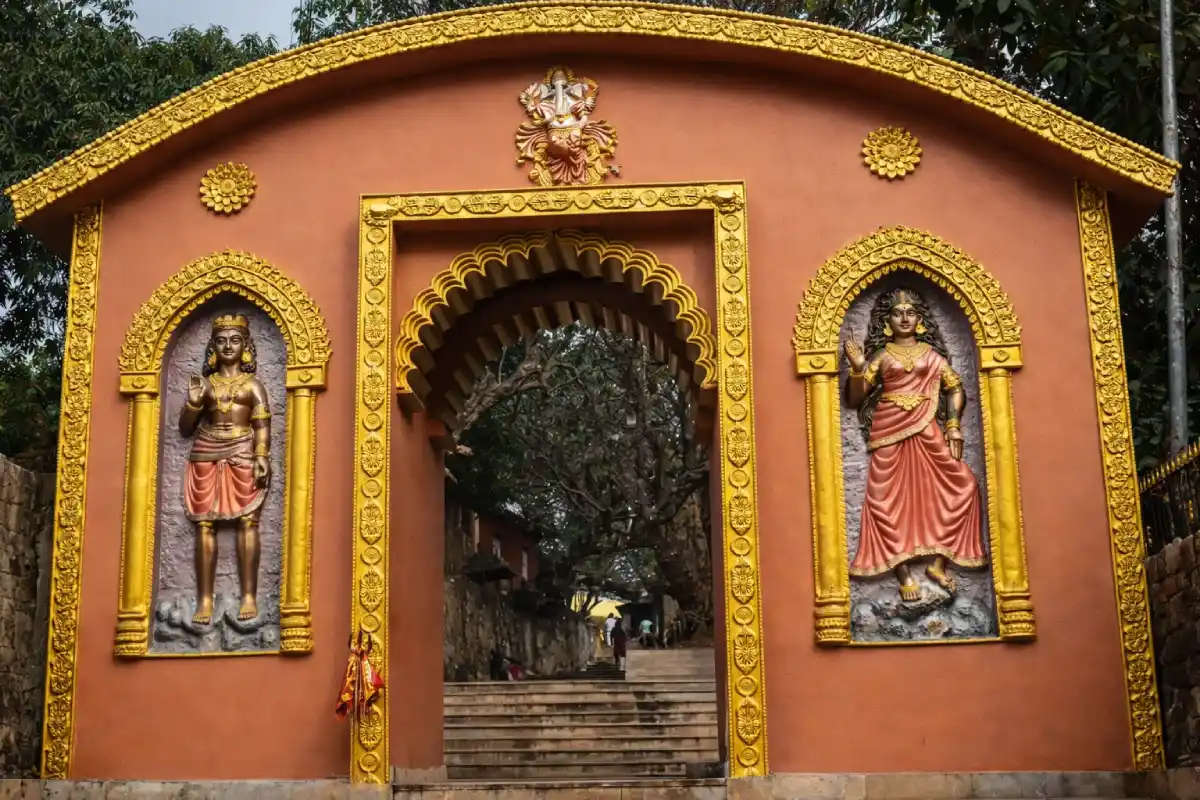
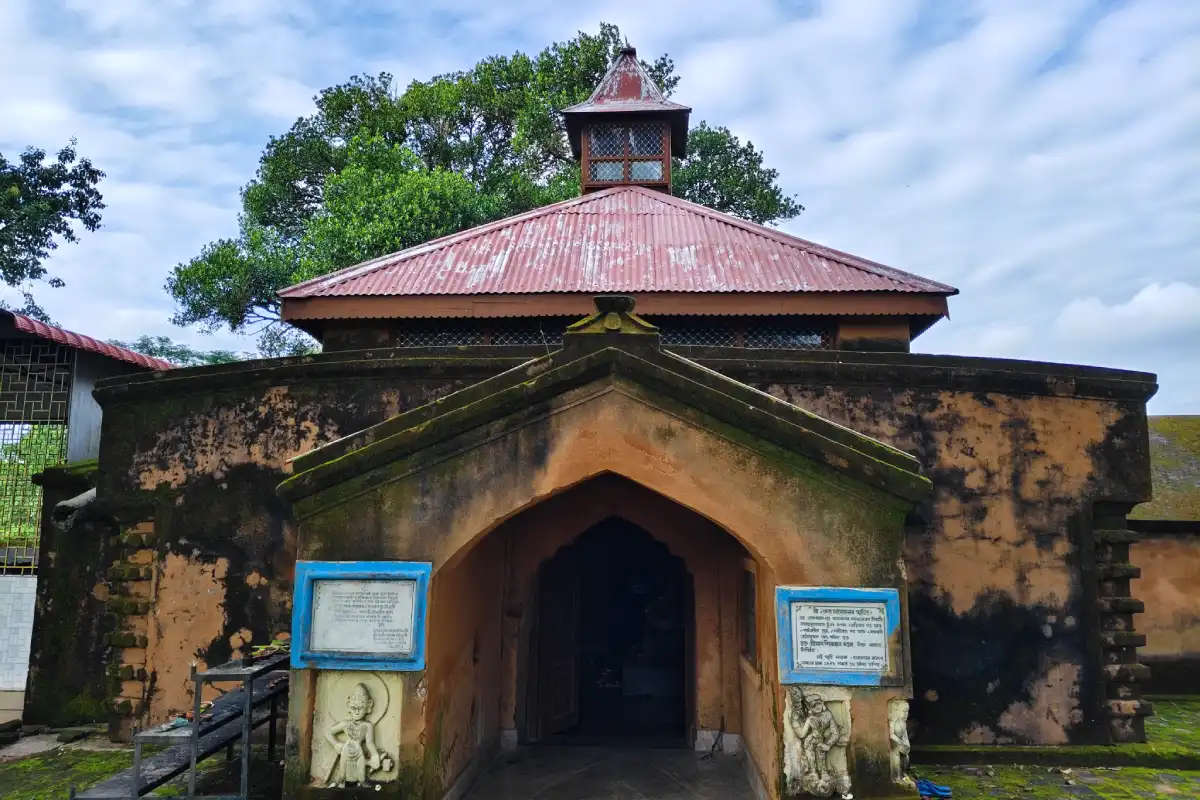
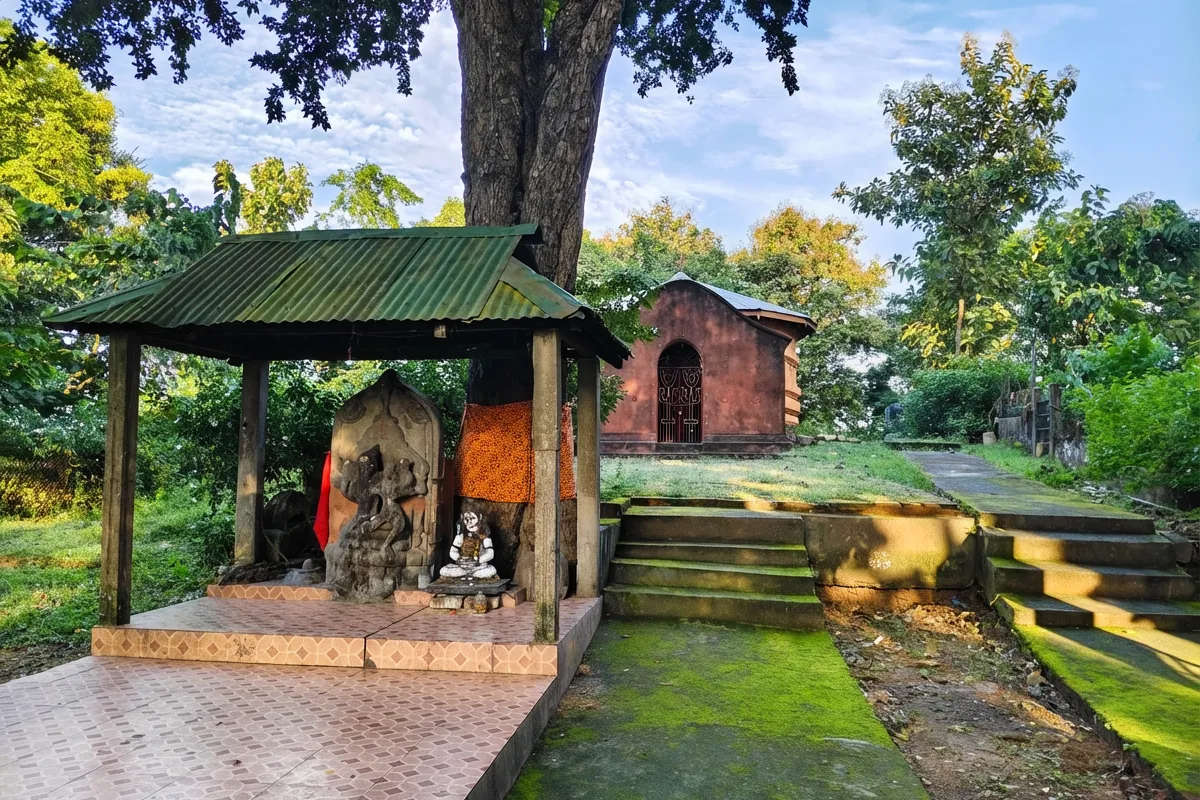
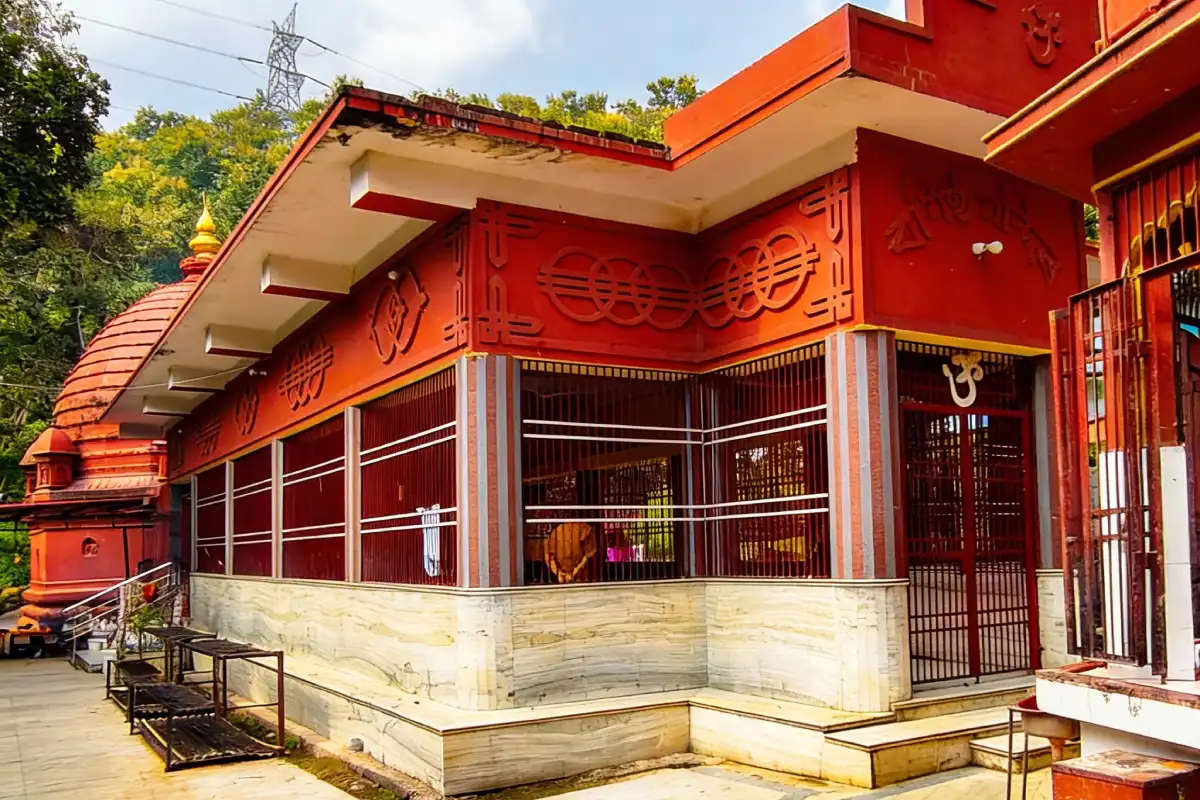
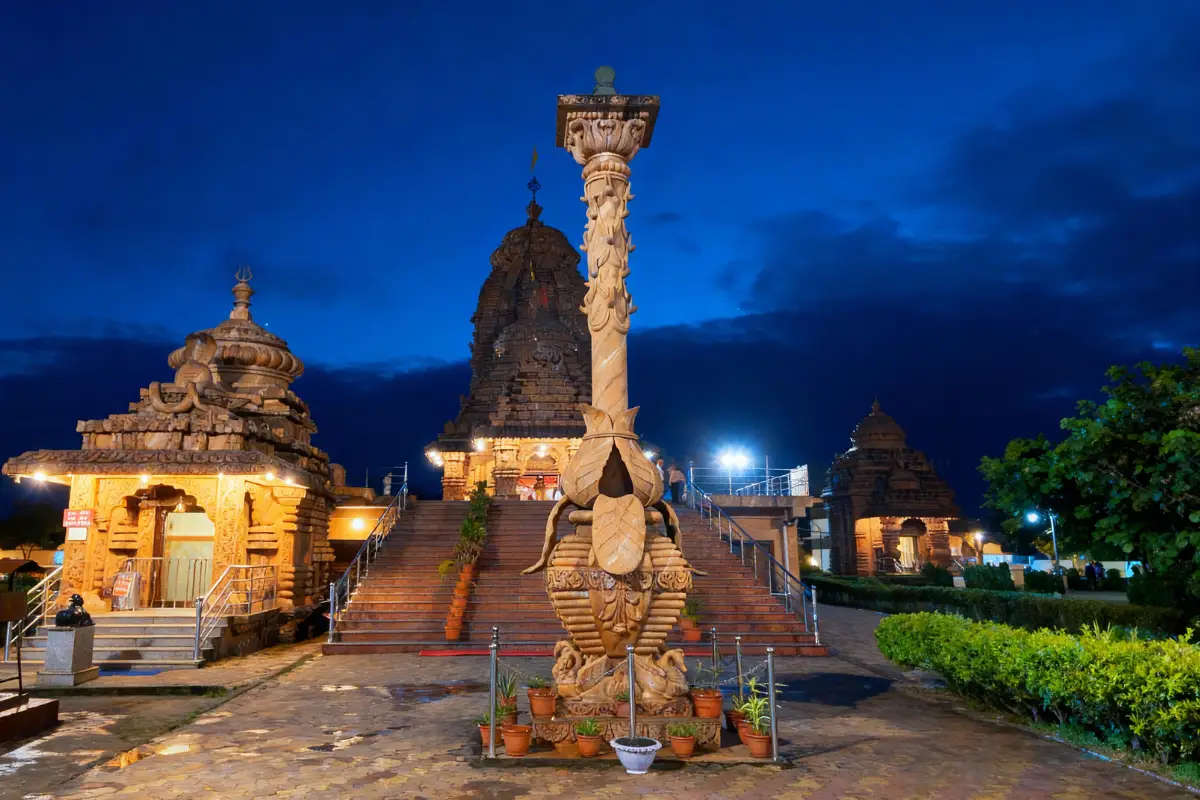
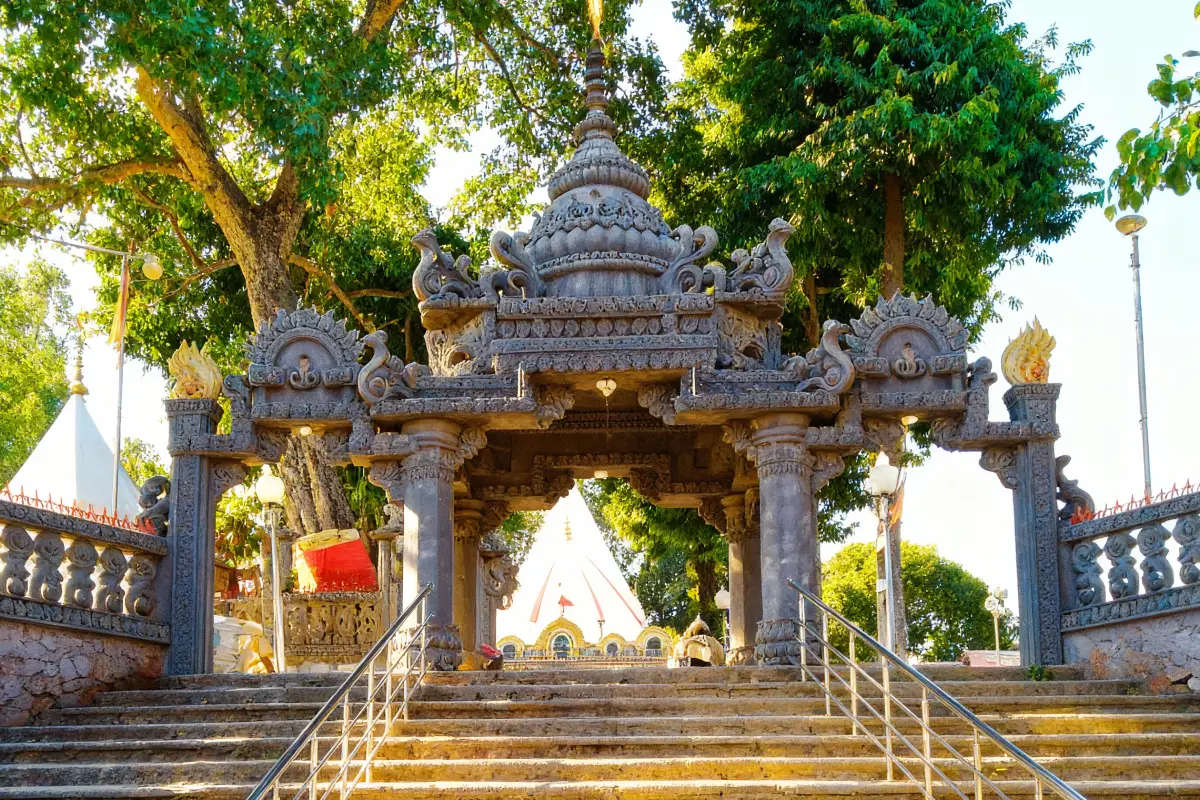
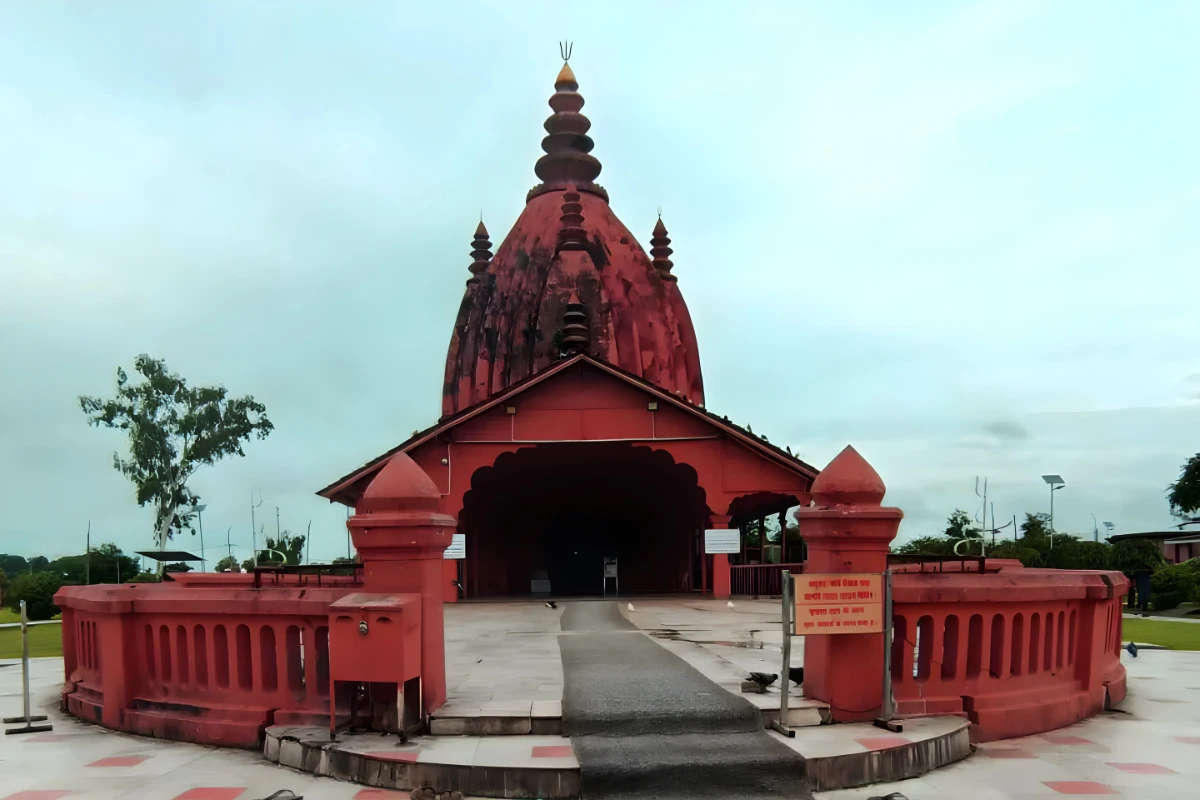
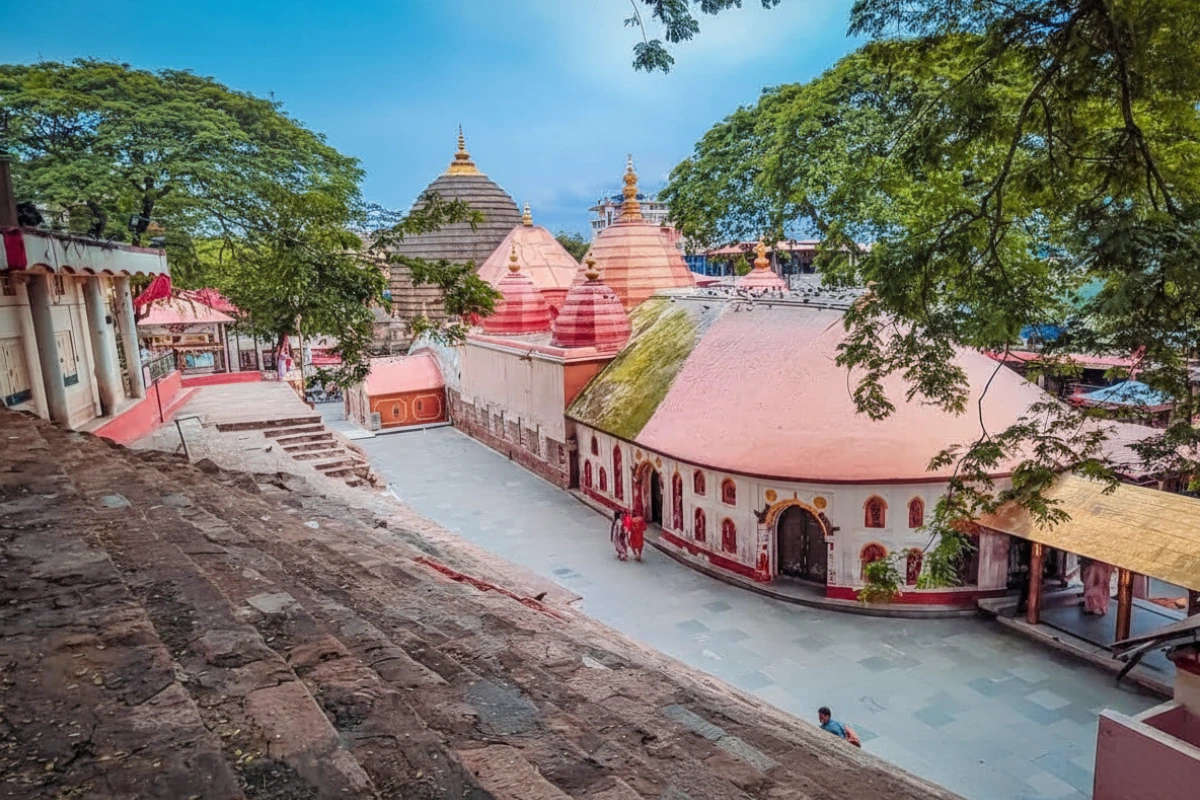
An ancient Hindu temple perched atop the Nilachala Hill. The Kamakhya Temple is not just an ordinary religious site; it is a source of miraculous power, a gateway to a hidden spiritual world. For centuries, the place has attracted devotees, tantrics, and interested tourists alike. This temple is a significant seat of the ten Mahavidyas, the manifestations of the goddess Shakti. The Kamakhya Temple is an unprecedented blend of tradition, belief, history, and culture.
According to Hinduism, the Kamakhya Temple is one of the 51 Shakti Peethas. This temple is not just a Shakti Peetha but also a major center for Tantric practices. Many legends and folk tales are associated with the construction of this temple. It is believed that the temple was built in the 8th century. As per legend, the temple was originally constructed by Narakasura. However, historical accounts suggest that in the 16th century, Koch king Maharaja Vishwasingha, along with his son Naranarayan and Chilarai, played a significant role in its development. Later, during the reign of Ahom king Swargadeo Rajeswar Singha, further renovations were carried out.
It is believed that the current site of the Kamakhya Temple marks the spot where Sati's yoni (genital organ) fell, and the temple was built there. Unlike other temples, no idol is worshipped here. Instead, the yoni of Goddess Sati is worshipped, which is enshrined in the sanctum sanctorum, where a natural spring constantly flows.
Another mystery that attracts devotees from far and wide to this temple is the annual Ambubachi Mela. The Ambubachi Mela is believed to be the menstrual period of the goddess, during which the temple is closed for three days. During this period, the worship of holiness and the power of creation takes center stage. The annual Ambubachi Mela creates an atmosphere that attracts millions of devotees. It is celebrated every year during the Assamese month of Ahar, between June and July.
History and Mythological significance
The Kamakhya Temple of Assam, situated atop the Nilachal Hill, is regarded as the most renowned and powerful Shakti Peetha. Since ancient times, Kamakhya has been a central hub for Shakti worship, playing a vital role in shaping both the religious and political landscape of Assam. Numerous myths, legends, and beliefs are associated with the origin of this ancient shrine.
According to the Kalika Purana, Daksha was a deity and king in Hindu mythology. His daughter, Sati, married Lord Shiva against his wishes. Daksha, who disapproved of the marriage due to Shiva's austere lifestyle, once organized a grand yajna (sacrificial ritual) and invited everyone except Shiva. Still, Sati attended the ritual uninvited. Enraged upon seeing her, Daksha began insulting Shiva. Unable to bear the humiliation of her husband, Sati sacrificed herself at the yajna site. Grief-stricken, Shiva wandered the world carrying her corpse on his shoulders.
To relieve him of his sorrow, Lord Vishnu used his Sudarshan Chakra to cut Sati’s body into 51 parts. Each place where a body part fell became a sacred Shakti Peetha. It is believed that Sati's yoni (genital organ) fell on the Nilachal Hill, where the Kamakhya Temple was established.
There are two paths to reach the Kamakhya Temple. One of them is known as the “Makhela Ujuwa Path,” which reminds visitors of the temple’s ancient history. According to another popular legend, Narakasura, the Kirata king of Pragjyotishpur, was a devoted worshipper of Goddess Kamakhya. It is believed that he was the first to establish a temple dedicated to the goddess on Nilachal Hill.
One day, Narakasura happened to see the goddess and was so mesmerized by her divine beauty that he proposed marriage. The goddess declined, stating that a union between a deity and a mortal was impossible. However, as Narakasura insisted, the goddess devised a clever plan to rid herself of him.
She told him that if he could build a staircase of stone from the foothills to the temple in a single night for the ease of pilgrims, she would agree to marry him. The goddess assumed Narakasura would fail. But to her surprise, he was about to complete the task before dawn. Alarmed, the goddess sought to stop him. She instructed a rooster to crow before sunrise. Hearing the crow, Narakasura believed dawn had arrived and abandoned the work. The goddess then told him that since the rooster had crowed, his time was up, and the condition remained unfulfilled.
In a fit of rage, Narakasura chased the rooster to a place now known as Kukurakata and sliced it into pieces. The unfinished stone staircase, believed to have been built by Narakasura, is still visible today and is called “Mekhela Ujuwa” (a stepped path shaped like a traditional Assamese female garment, mekhela).
Following this event, conflict broke out between Narakasura and the gods. His tyranny increased to such a level that Lord Krishna ultimately killed him and handed over the throne of Pragjyotishpur to his son, Bhagadatta.
*Advertisement
Deep Spiritual Significance:
Kamakhya Temple is dedicated to Goddess Kamakhya, a powerful embodiment of feminine energy. Devotees believe that visiting the temple can bring spiritual awakening, blessings, and fulfilment of wishes. The temple holds special importance during the Ambubachi Mela, a festival celebrating fertility and the divine feminine, drawing thousands of pilgrims from across India. Its serene hilltop location allows visitors to meditate and reflect, enhancing spiritual experience. The daily rituals and chants create an atmosphere of devotion and peace, making it a soul-refreshing visit.
Historical Significance:
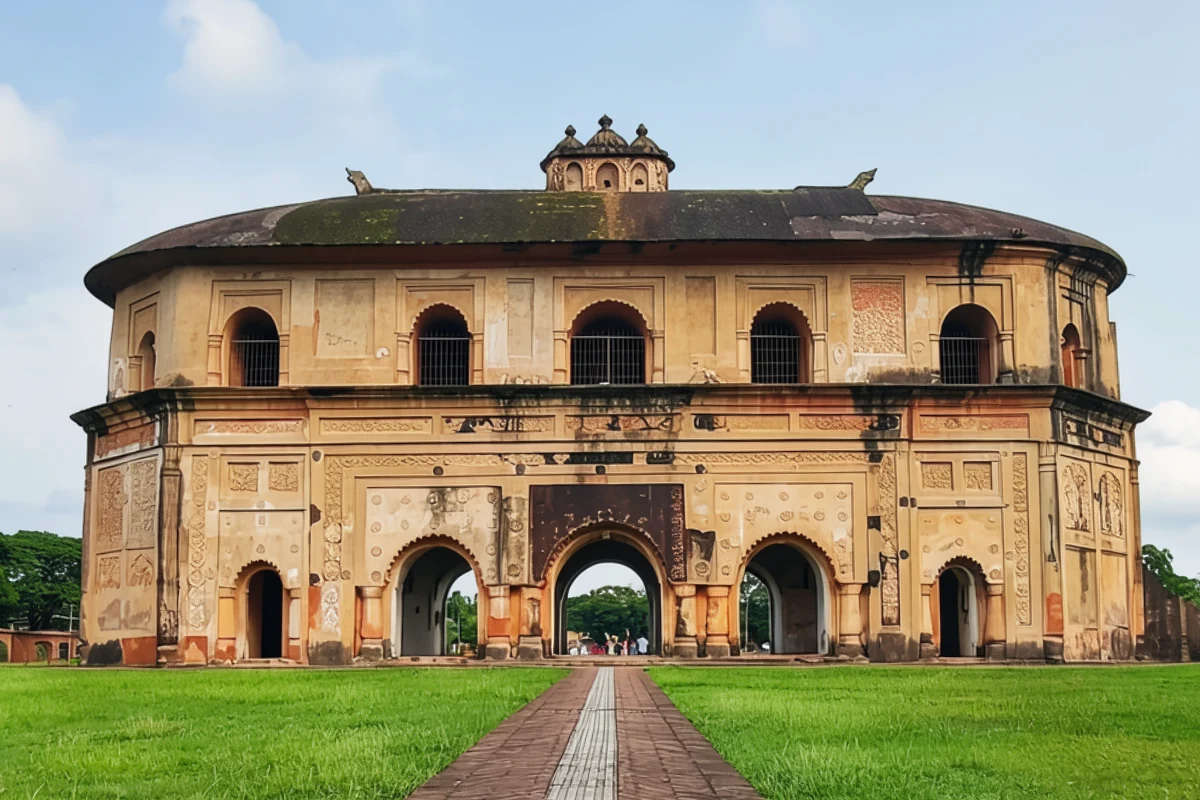
The temple has a rich history dating back centuries and reflects the architectural brilliance of ancient Assam. It played a significant role during the Ahom dynasty and has been a centre of Shakti worship for generations. The intricate carvings, stone structures, and age-old legends connected to the temple make it an important landmark for history enthusiasts. Its resilience through time and natural calamities showcases the devotion and craftsmanship of past generations. Visitors can also explore nearby ancient monuments, offering deeper insight into Assam’s historical and cultural evolution.
Cultural Importance:
Kamakhya Temple is a symbol of Assam’s cultural identity. The rituals, festivals, and traditional practices performed here showcase the state’s unique customs and religious heritage. It also serves as a hub for scholars and devotees interested in Shakta traditions, preserving and promoting Assam’s spiritual and cultural legacy. During major festivals, the temple becomes a vibrant centre of community gatherings, reflecting Assam’s living culture.
Experience the power of a Shakti Peeth: Participate in rituals and offer prayers to feel the temple’s divine energy.
Witness the mystique of Ambubachi Mela: Attend the annual festival celebrating fertility and the divine feminine, a unique cultural spectacle.
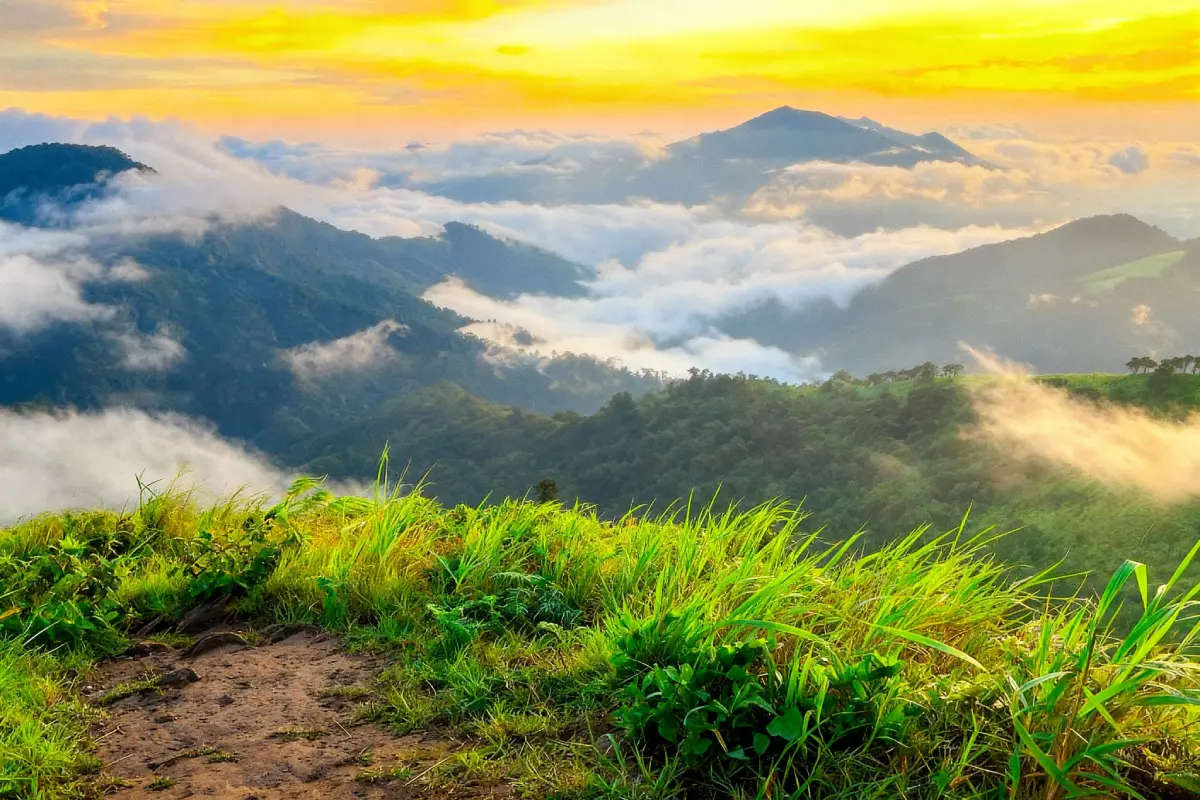
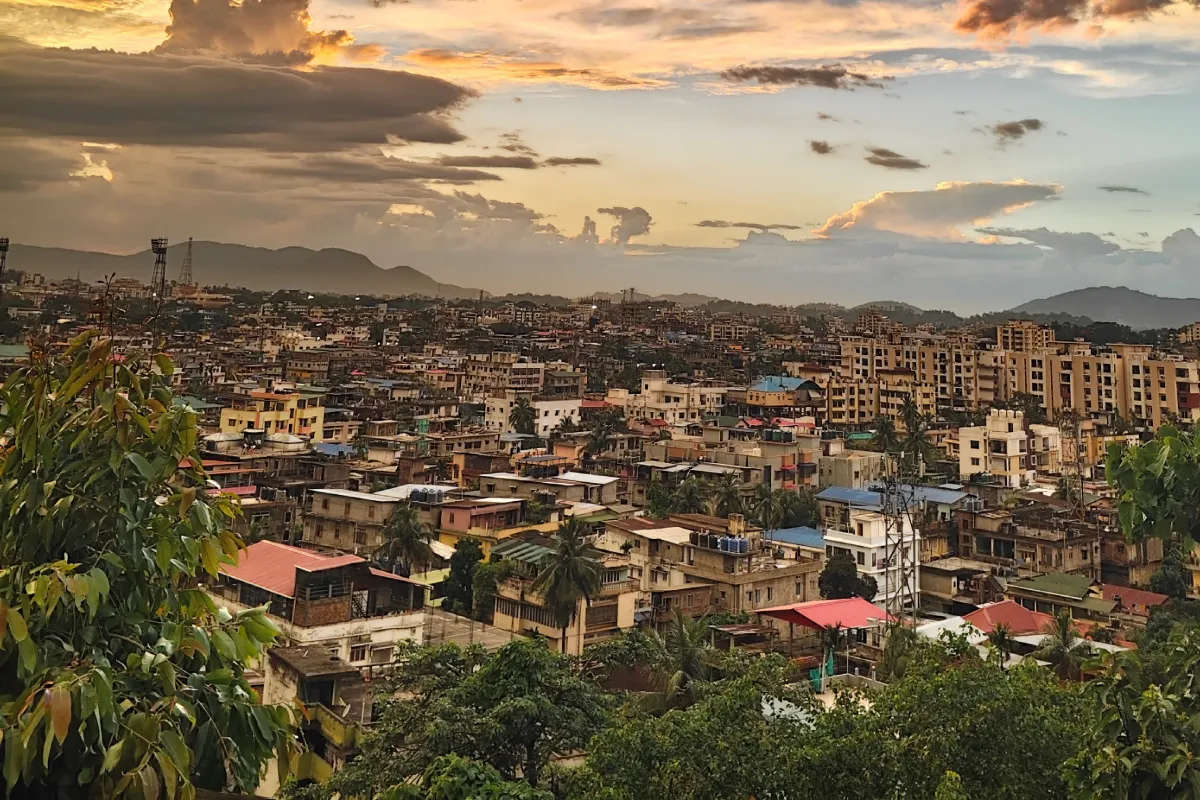
Enjoy a peaceful hilltop retreat: Meditate, relax, and enjoy panoramic views of the Brahmaputra River while soaking in nature and spirituality.
Explore temple architecture: Admire intricate stone carvings, ancient sculptures, and age-old legends preserved in the temple complex.

Distance From Guwahati City: 3 Km

Nearest Town / City: Guwahati (3 Km)

Nearest Railway Station: Kamakhya Junction(4.3 Km)

Nearest Bus Stoppage: Maligaon Bus Stand(4 Km)

Nearest Airport: LGBI Airport, Azara, Guwahati(21 Km)
Kamakhya Temple is easily accessible from all parts of Guwahati. Local taxis, auto-rickshaws, and app-based cabs like Ola and Uber are available from railway stations, airports, and city centres. City buses and trekkers can drop you at the base of Nilachal Hill, from where shared jeeps and small vehicles take visitors up to the temple gate.
By Road: Kamakhya Temple is well connected by road. You can hire a cab or take an auto-rickshaw from Guwahati city. Regular buses and private taxis are also available from ISBT Guwahati. The journey takes around 30-45 minutes, depending on traffic.
By Train: The nearest railway station is Kamakhya Junction, just 5 km from the temple. From there, you can hire a taxi or an auto to reach the temple easily.
By Air: The nearest airport is Lokpriya Gopinath Bordoloi International Airport (LGBI), about 20 km away. From the airport, cabs and taxis are available to reach the temple in approximately 45-60 minutes.
You can visit Kamakhya Temple at any time of the year. Though September to February is the best time to visit because of the pleasant weather. The temple is open all days of the week with visiting hours from 8:00 AM to 1:00 PM and again from 2:30 PM to 5:30 PM. If you want to experience the Ambubachi Mela, plan your journey in June, but be prepared for large crowds during this spiritually significant event.