

Rang Ghar, The Royal Pavilion of Assam
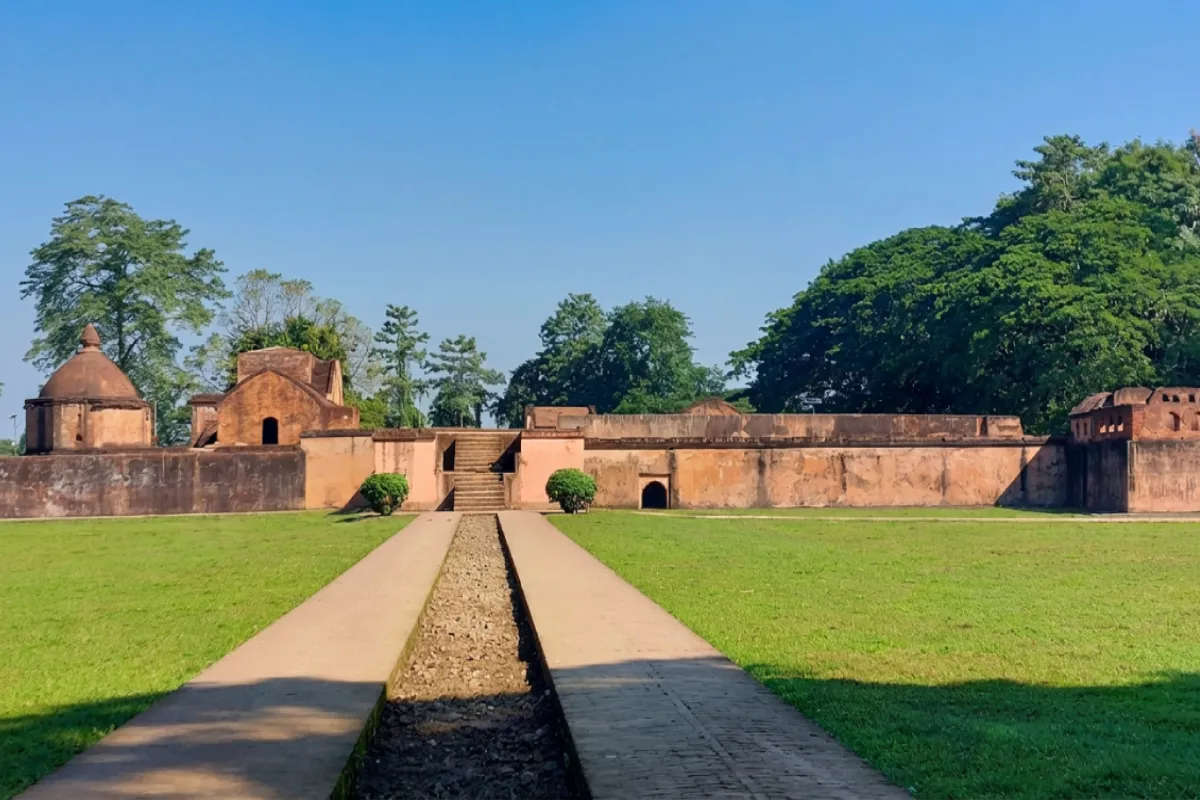
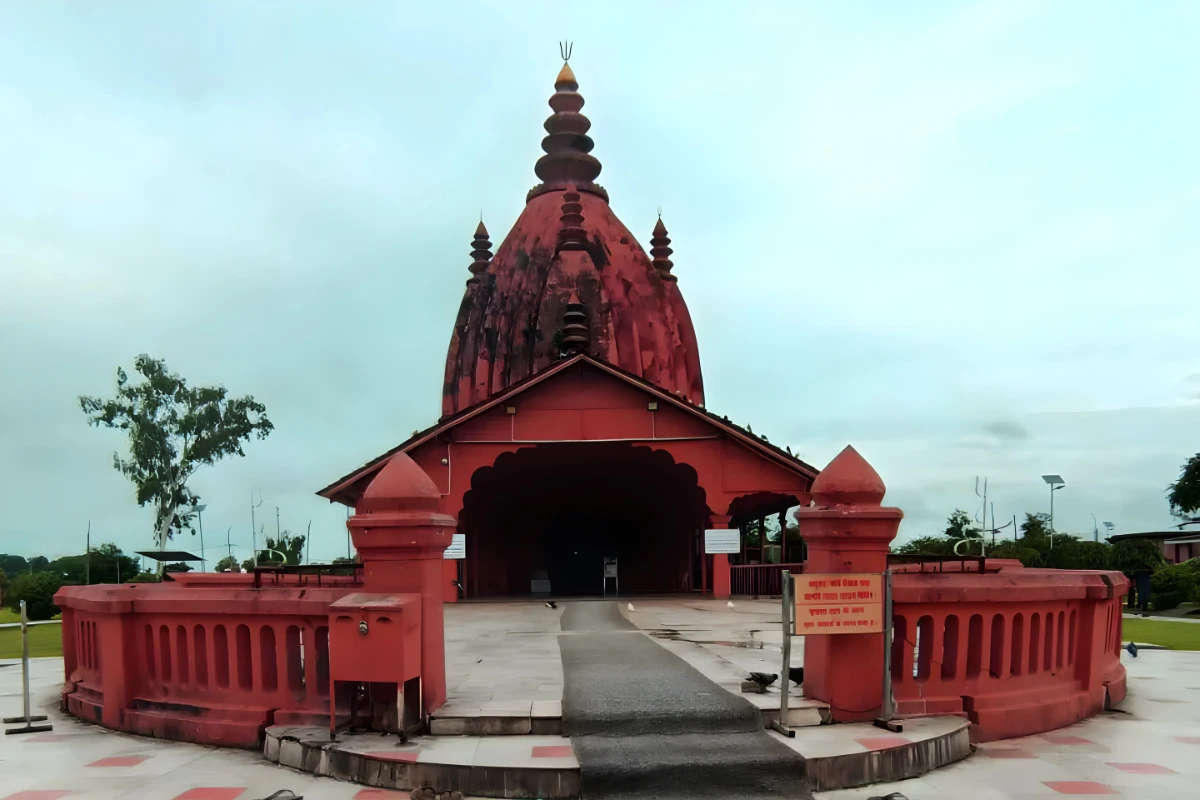
Rang Ghar of Rangpur is one of the living symbols of Assam’s golden era. Located in Rangpur, the former capital of the Ahom kingdom (present-day Sivasagar), this historic structure is considered the first pavilion in Asia. Today, Rang Ghar attracts visitors from across the world and stands as one of the most famous tourist attractions in Assam. Situated just 3 km away from the heart of Sivasagar town, the pavilion carries centuries of history. In the Ahom era, it served as a royal sports pavilion where the kings, queens, and nobles gathered to witness various recreational activities.
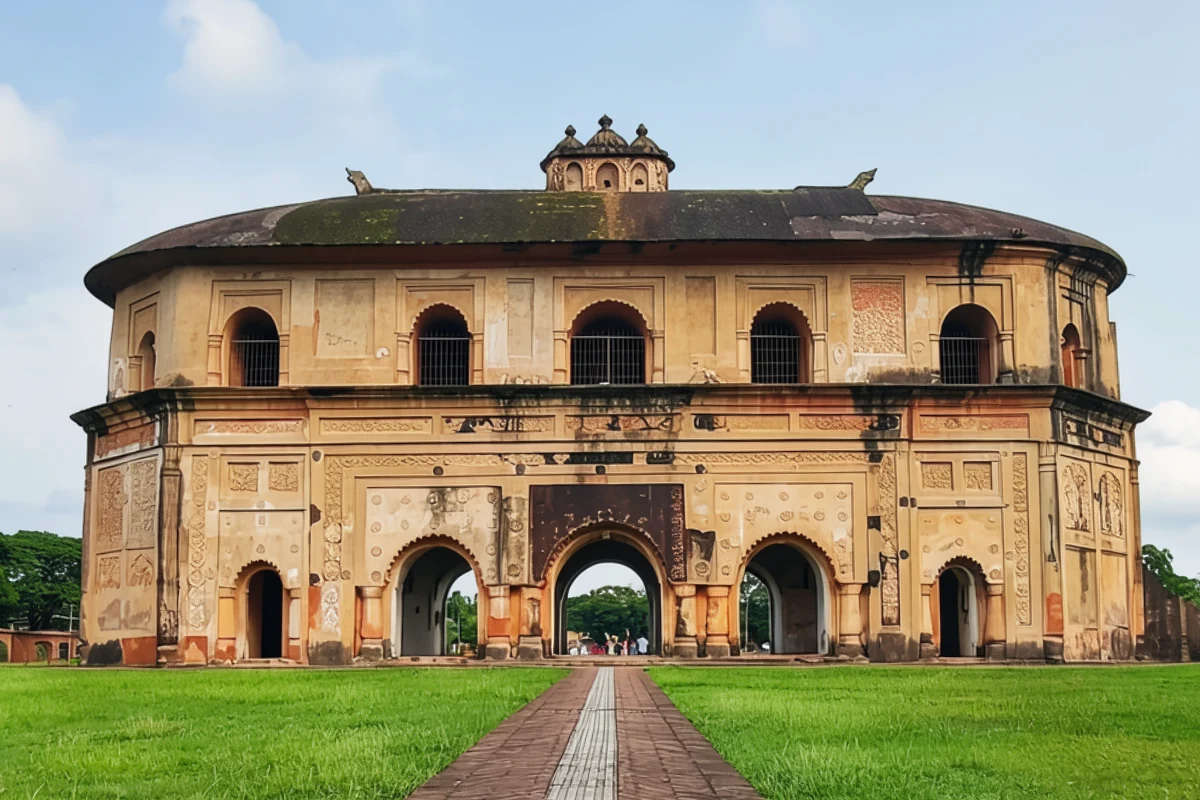
Ahom king Swargadeo Rudra Singha first built the historic Rang Ghar. In its initial form, the structure was made of bamboo and wood. Later, in 1746, Swargadeo Pramatta Singha reconstructed it in its final structure. The two-storied Rang Ghar, about 88 feet long and 36.5 feet wide, is uniquely designed in the shape of an egg. Local materials were used in the construction of the Rang Ghar. The bricks were made of clay, while a traditional mixture of rice, duck eggs, fish, black gram, and other local ingredients was used as a natural binding material, much like cement.
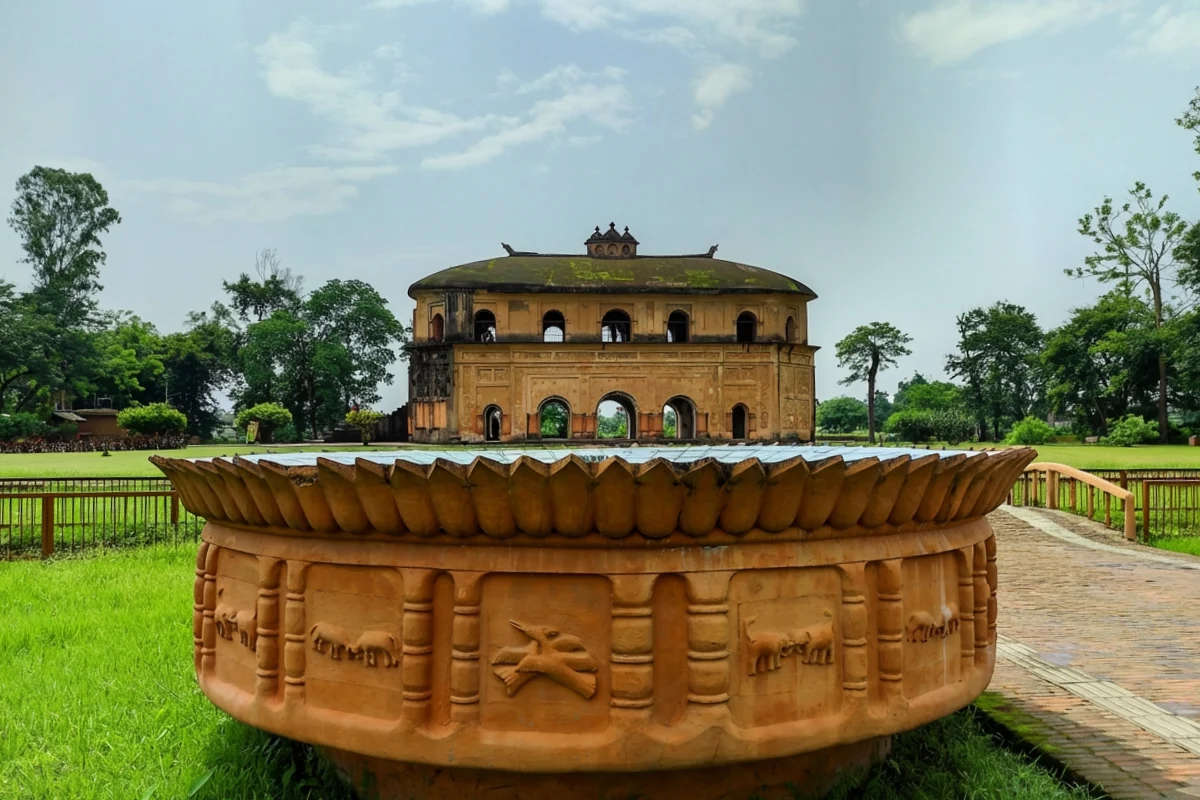
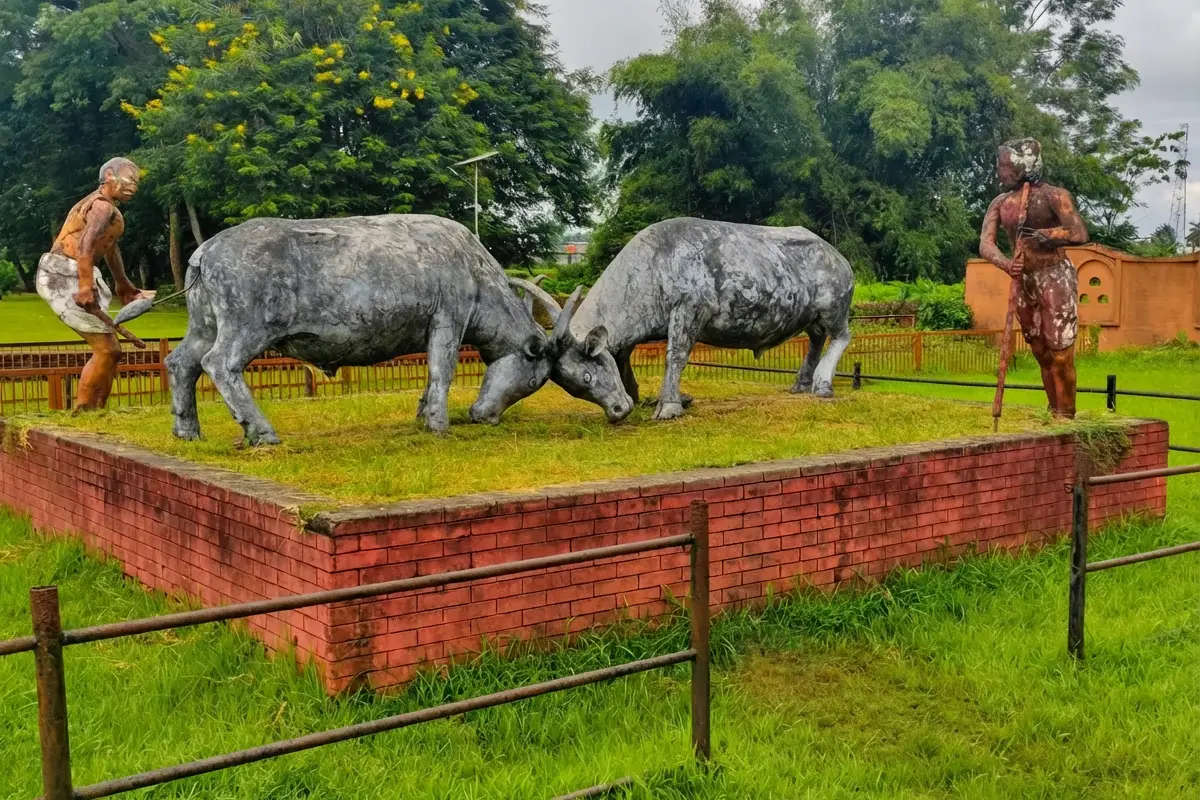
Rang Ghar has a deep connection with Bihu, the most celebrated festival of Assam. Here, people celebrated Rongali Bihu and Bhogali Bihu with grandeur. During the reign of the Ahom kingdom, this royal pavilion hosted grand events, cultural programs, and traditional games. Back then, you would have witnessed thrilling activities like buffalo fights, elephant fights, and bird fights held in the area of Rang Ghar. Even today, the tradition continues in a refined form. Every year, both Magh Bihu and Rongali Bihu are celebrated here with great enthusiasm.
Architectural Significance:
Rang Ghar allows you to admire the unique architectural style of Assam’s oldest sports pavilion. Built during the Ahom period, this two-storeyed structure features strong brick construction, an open pavilion design, and an elongated shape. Its layout and artistic details reflect the advanced engineering skills of that era, offering a glimpse into the royal lifestyle. The architecture of Rang Ghar helps visitors understand the rich history, culture, and traditional sports practices of the Ahom kingdom.
Historical Importance:
As you walk through Rang Ghar, you learn how Ahom kings, queens, and nobles once used it to enjoy festivals, games, and cultural events. During that period, Rang Ghar served as a royal stadium and a symbol of Ahom power and pride. It was mainly used to watch traditional sports like buffalo fights during Rongali Bihu and other celebrations. The monument also reflects the well-organized social and cultural life of the Ahom era. Visiting Rang Ghar truly feels like stepping back into Assam’s glorious and royal past.
Cultural Significance:
Rang Ghar stands as a strong cultural symbol of the Ahom dynasty. Here, you witness the deep-rooted traditions of Assam that continue to influence the state’s festivals and celebrations even today. During Bihu, the Rang Ghar’s “bakori” (field) turns into a vibrant space of grand celebration, filled with music, dance, and community spirit. This age-old practice keeps the cultural legacy of the Ahoms alive and connects present generations with their rich heritage. Rang Ghar thus remains a living monument of Assam’s cultural pride and collective identity.
Photography: Capture the stunning architecture and historical charm of Rong Ghar through your lens.
Relaxation: Spend some quiet time around the pavilion and enjoy the peaceful surroundings.

Distance From Guwahati: 360 km.

Nearest City: Sivasagar Town(3.5 km.)

Nearest Railway Station: Sibsagar Town Railway Station. (4 km.)

Nearest Bus Stoppage: Sivasagar ASTC Bus Stand.(3.5 km.)

Nearest Airport: Jorhat Airport.(63 km.)
Rang Ghar is easily accessible and well-connected by road, rail, and air. Located beside the Assam trunk road, it offers convenient travel options for visitors coming from nearby towns and cities.
By Road: Reaching Rang Ghar is very easy and convenient as it is located beside the Assam Trunk Road. If you are traveling by public transport, get down at the Sivasagar ASTC Bus Stand. From there, you can take a tempo to Rang Ghar. The fare is around ₹30 per person.
By Train: The nearest railway station is Sivasagar Town Railway Station, just 3 km away. Once you come out of the station, you will find local tempos and auto-rickshaws waiting to take you to Rang Ghar.
By Air: The nearest airport is Jorhat Airport. From here, it takes about 1.5 to 2 hours to reach Rang Ghar. You will travel via National Highway 37 and then take the Assam Trunk Road towards Sivasagar, where Rang Ghar is located.
The most lively time to visit Rong Ghar is during the Bihu festivals. In April, during Bohag month, the pavilion comes alive with the vibrant celebration of Rongali Bihu. In January, Bhugali Bihu is celebrated with traditional feasts and cultural programs. To fully enjoy this energetic atmosphere, you should plan your visit during these festivals. However, if you prefer to avoid large crowds, you can also visit in other months. Visiting in the late afternoon is ideal for a peaceful experience and to explore the pavilion comfortably.
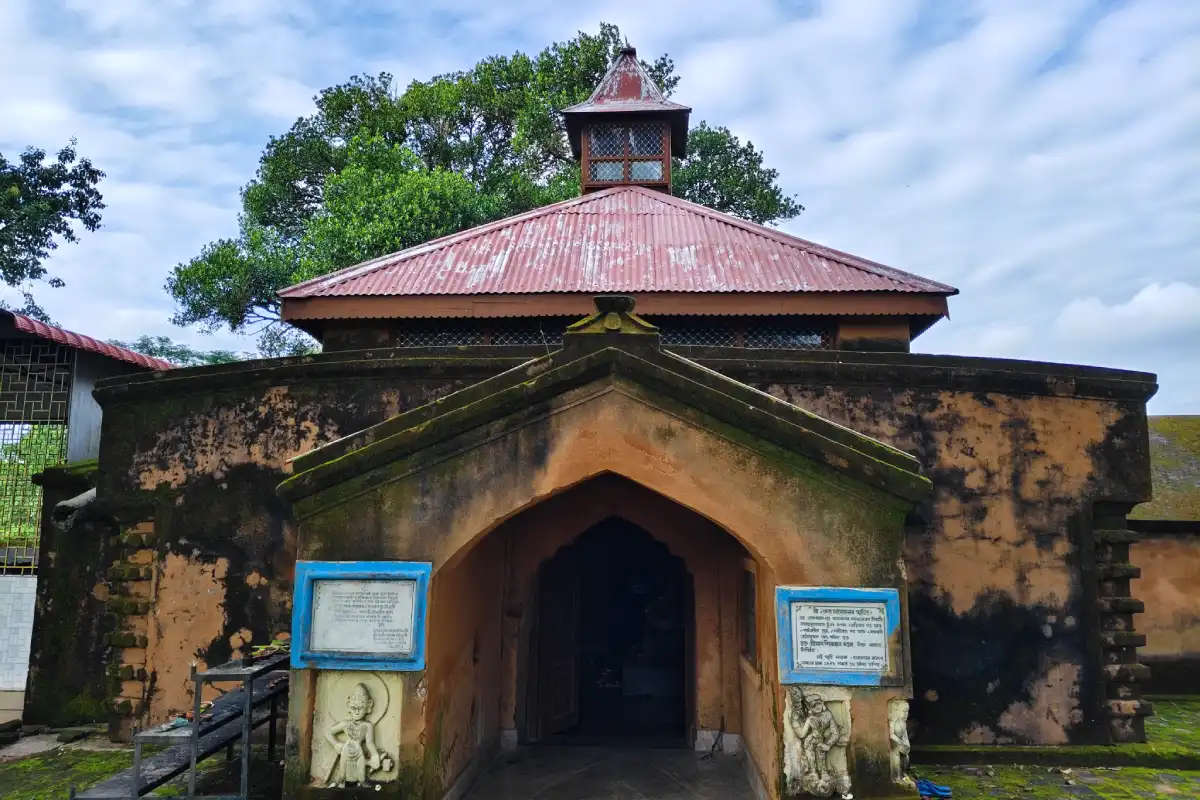
The Rang Ghar stands as one of the finest creations of the Ahom kingdom, reflecting a fusion of indigenous craftsmanship and subtle Islamic influences. While its central framework is rectangular, the extended edges lend it a trapezoidal outline, creating an overall octagonal form. This double-storied pavilion is particularly striking for its oval design and sloping walls. Its roof, modeled after an inverted royal Ahom boat, rests upon massive stone pillars and arched supports. Along the roofline, carved stone crocodiles add a distinctive charm.
At the grand entrance, two sculpted figures of the Ahom dragon, known as ‘Ngi Nao Kham,’ flank the gateway, captivating every visitor’s attention. Interestingly, the monument was built without the use of metal; instead, baked bricks were joined with a traditional mortar prepared from rice paste, duck eggs, and black lentils.
After the Treaty of Yandabo in 1826, when the British assumed control of Assam, an officer named Bothan reportedly sold the Rang Ghar, along with the Talatal Ghar and Kareng Ghar, to local traders for a meager sum of around 1,300 rupees. In front of the present structure, there once stood a smaller Rang Ghar, which was later demolished by one such trader.
*Advertisement