

Kareng Ghar, a Glorious Royal Palace of the Great Ahom Kingdom
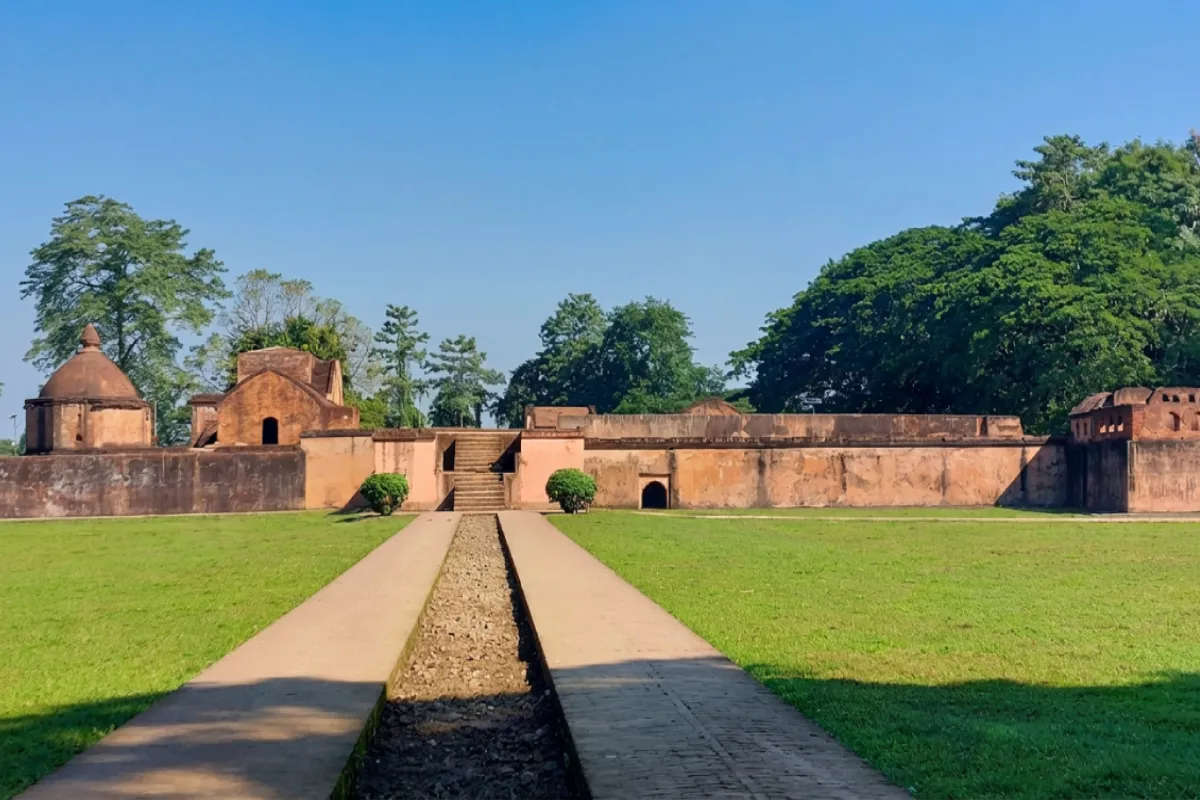
Kareng Ghar is one of the most prominent royal palaces in Assam’s history. It is located 13 km east of Sivasagar, in Garhgaon, the third capital city of the Ahom kingdom. The palace is still surrounded by the historic earthen fort, which carries with it many untold stories of the past. This is a majestic royal palace, surrounded by high earthen forts and a wide moat filled with water throughout the year, built so that enemy elephants would sink while attempting to cross. Kareng Ghar is not just a palace but a living symbol of Ahom power, artistry, and pride.
In Assamese, the word “Kareng” means royal palace. Although the word "ghar" (house) is generally unnecessary. The construction of this palace was first initiated in 1540 by Ahom king Suklengmung (garhgaya raja) using wood and bamboo. Later, King Pramatta Singha rebuilt it with bricks, giving it a stronger structure. In 1752, when the palace was badly damaged, it was renovated by King Rajeswar Singha, who gave it its present attractive form. If you visit Garhgaon, you will experience the heritage, art, and architectural brilliance of the Ahom dynasty at Kareng Ghar.
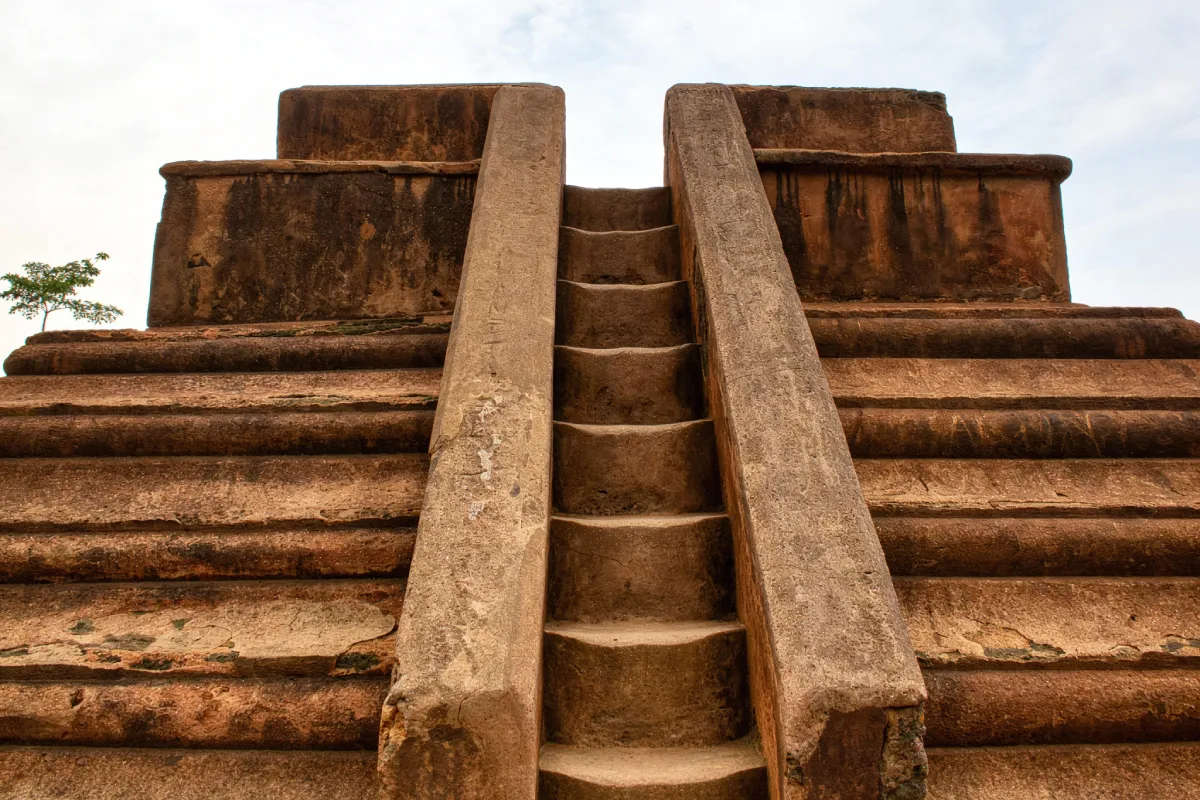
The architecture is pyramid-like, with two underground levels and five stories above the ground. The king’s royal hall was called the Holong Ghar, known for its exquisite wooden craftsmanship. It is said that nearly 12,000 Assamese artisans built this palace within a single year. The palace had four main gates known as the Singha Duwars, like Rajgarh Singhadwar, Cherekapar Singhadwar, Nonglamora Singhadwar, and Bogi Dol Singhadwar. For security, guard rooms were also constructed at every corner. From the underground chambers, a 16-km-long secret tunnel once connected Kareng Ghar with Talatal Ghar, though this tunnel remains closed today.
For Historical Significance:
You can visit to explore the glorious history of the Ahom kingdom. Every story linked with this palace offers you a memorable experience. Moreover, the hidden mysteries associated with it will leave you with many questions. This royal palace stands as a living witness to the tales of Assam’s defense under the Ahoms. So, step in and feel the aura of its history.
Cultural Significance:
Kareng Ghar hosts the grand celebration of Rongali Bihu every year, turning the historic site into a lively center of music, dance, and tradition. During this time, the palace complex comes alive with folk performances, traditional attire, and festive rituals. Culture enthusiasts from across Assam gather here to celebrate together, creating a strong sense of unity and pride. These cultural programs highlight the enduring legacy of the Ahom dynasty and keep Assam’s age-old traditions alive for future generations.
Attractive Architecture of the Royal Palace:
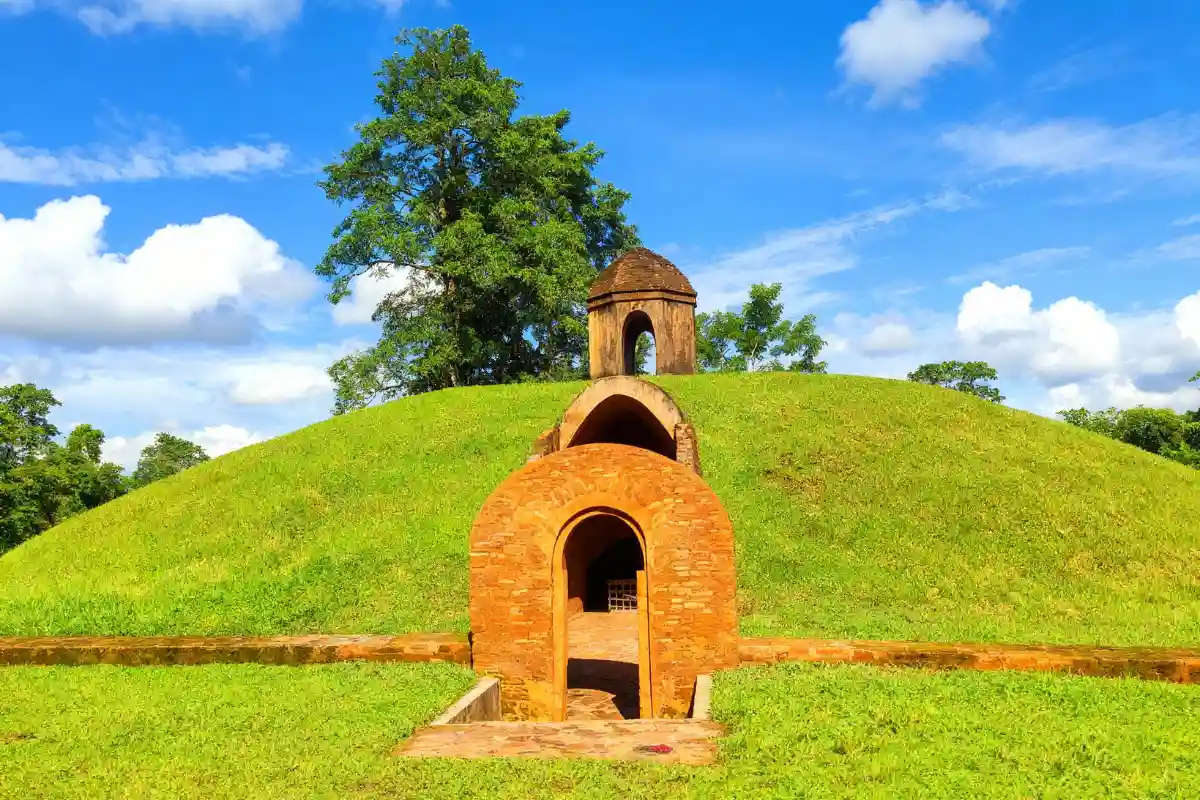
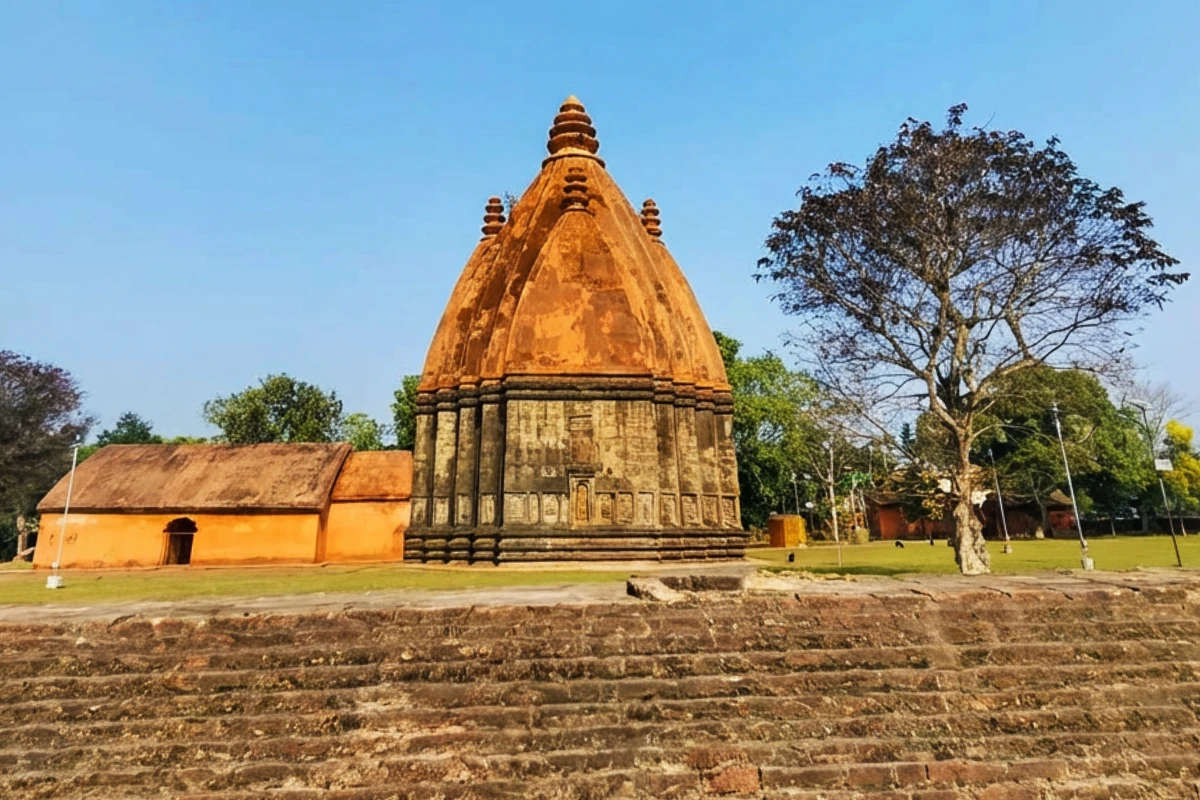
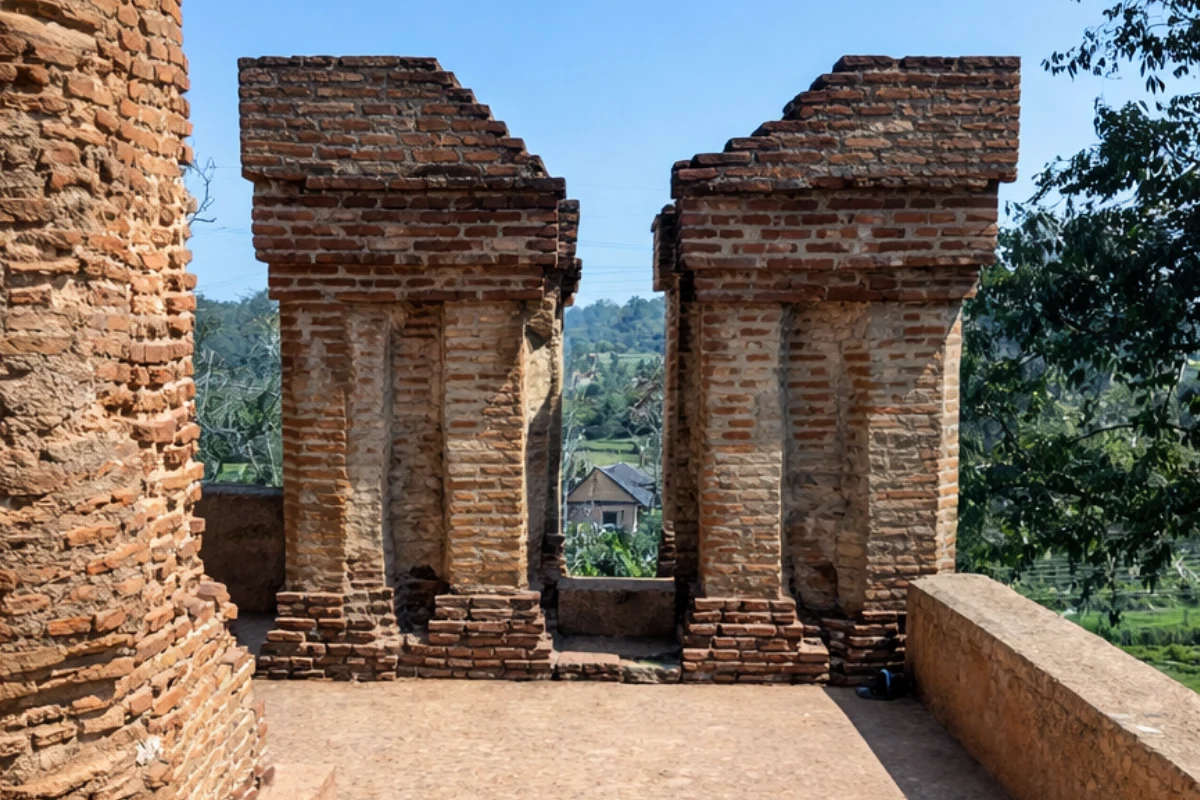
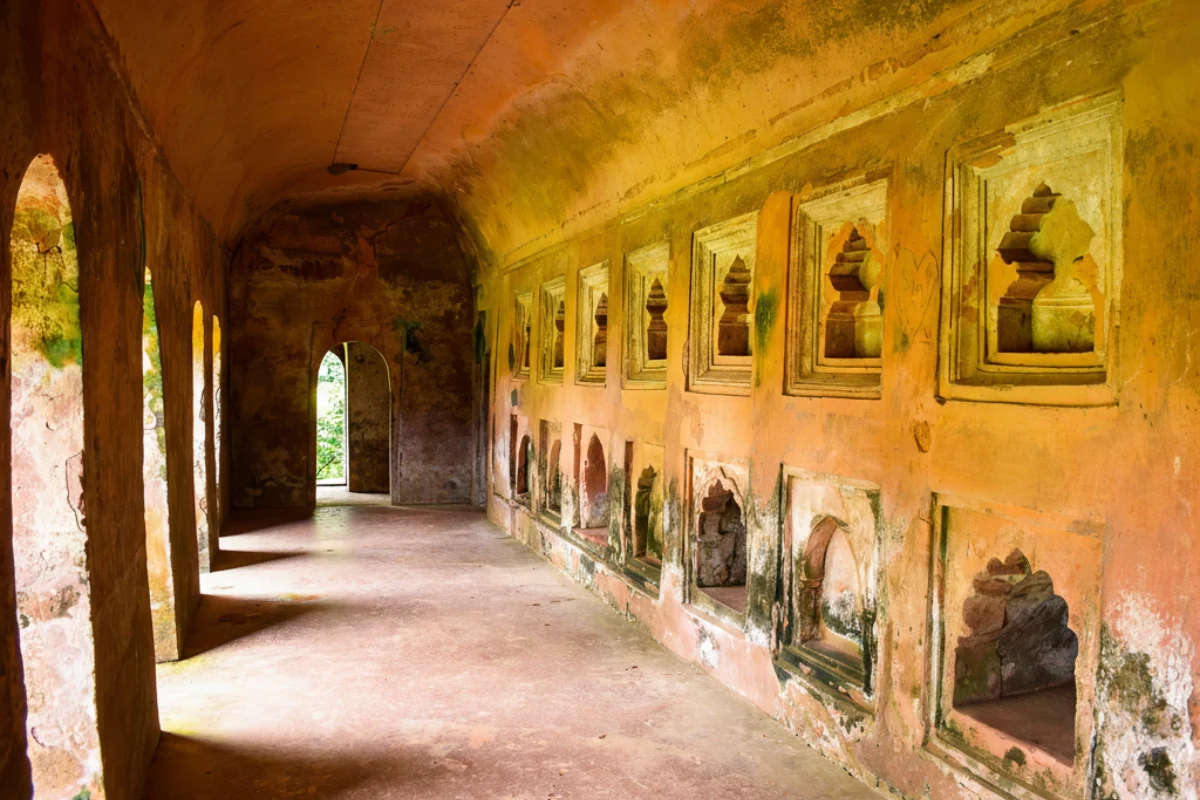
Kareng Ghar is an ideal place to admire the impressive architecture of the Ahom royal palace. Its massive brick structures, multi-storeyed design, and well-planned layout reflect the advanced engineering skills of the Ahom period. The palace showcases a blend of strength and elegance, with every section revealing fine craftsmanship. Exploring Kareng Ghar helps you understand the architectural vision of the Ahom dynasty and the timeless legacy of Assam’s royal past.
Explore the royal palace complex and admire its grand Ahom-era architecture. Observe the strong brickwork, multi-storeyed structure, and unique design details.
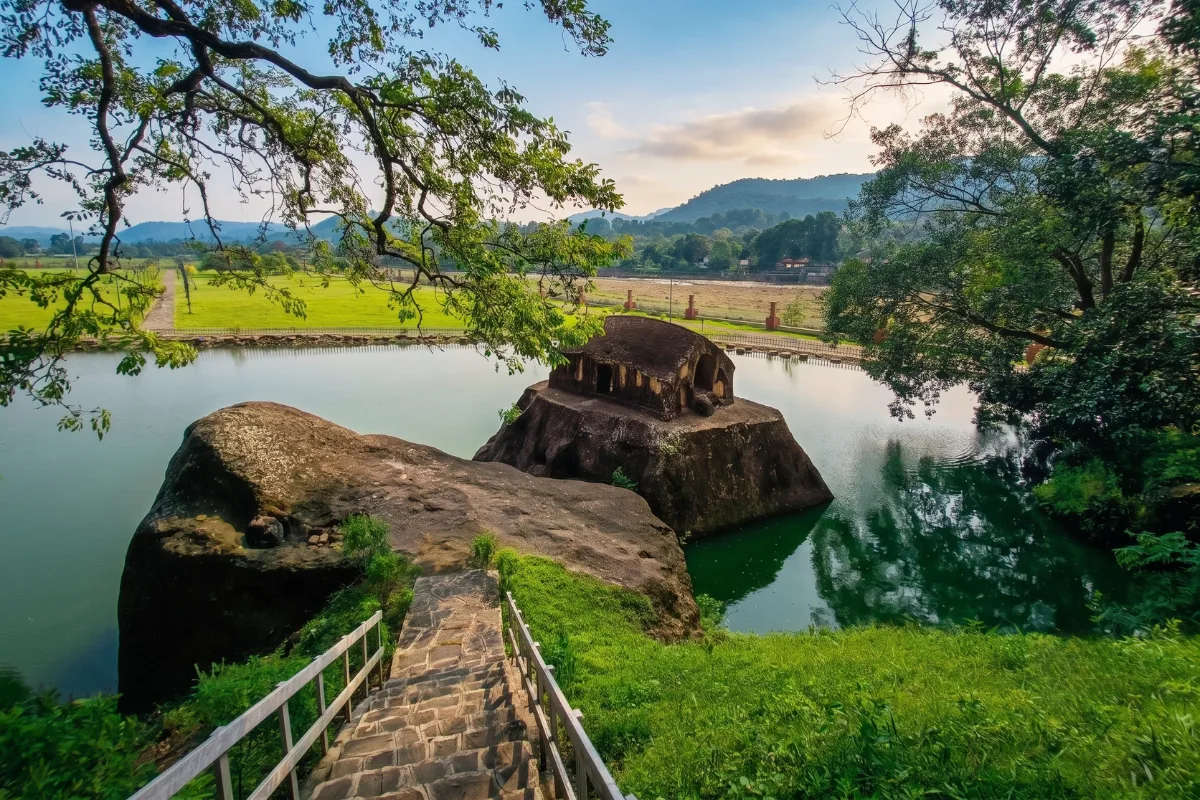
Click photographs of the historic ruins and the scenic surroundings.
Enjoy a calm walk around the site and soak in the heritage-rich atmosphere.

Distance From Guwahati: 365 km.

Nearest City: Sivasagar Town(13 km.)

Nearest Railway Station: Simaluguri Junction.(3.3 km.)

Nearest Bus Stoppage: Sivasagar ASTC Bus Stand.(13 km.)

Nearest Airport: Jorhat Airport.(72 km.)
Visiting Kareng Ghar is quite easy. Located close to the historic town of Sivasagar in Assam, this royal palace is well-connected by different modes of transport. You can reach here conveniently by air, rail, or road.
By Road: Gargaon is well-connected to various parts of Assam. From the historic town of Sivasagar, it takes only about half an hour to reach Kareng Ghar by public transport or a private vehicle. Regular buses and transport services are available from Guwahati, Jorhat, Dibrugarh, and other towns. If you travel by public vehicle, you will have to get down at the main road, walk a short distance through a narrow lane, and soon you will reach this royal palace.
By Train: If you prefer traveling by train, the nearest railway station is Simluguri Junction, which is well-connected with different parts of Assam and other states of India. Kareng Ghar is located just 3.5 km away from the station. From Simluguri Junction, autos and rickshaws are easily available to reach the site.
By Air: If you are traveling by flight, you can land at Jorhat Airport. From there, you can take a private car or a public bus to Sivasagar, and from the ASTC bus stand in Sivasagar, board a bus towards Sonari to reach Gargaon. Alternatively, you can also land at Dibrugarh Airport. From Dibrugarh, you need to travel by bus to Sivasagar or by public vehicles to Sonari. However, there is no direct bus or vehicle service available from Dibrugarh to Gargaon.
The ideal time to explore Kareng Ghar in Assam is between October and March. During these months, the weather is pleasant, making it perfect for sightseeing and enjoying the palace’s surroundings. Temperatures remain comfortable, allowing you to wander around without the discomfort of extreme heat.
For photography enthusiasts, early mornings are the best. The soft light and serene atmosphere make it easier to capture the palace’s historic charm and its beautiful setting.
Kareng Ghar in Garhgaon, Sivasagar, is a remarkable example of Ahom-era architecture. Originally built using wood and bamboo, the palace was later reconstructed in brick, giving it greater strength and durability. The palace has a unique pyramidal structure with two underground floors and five floors above ground, reflecting the advanced architectural planning of the time.
The palace features four main gates, known as the Singha Dwar, and watchtowers at each corner of the ground floor, demonstrating strategic design for both defense and surveillance. The entire palace is surrounded by earthen ramparts and a moat, designed to prevent enemy forces from easily attacking during wartime. Its walls and ceilings display intricate woodwork and ornamental carvings, highlighting the fine craftsmanship of the period.
With a length of 120 feet and a width of 30 feet, the palace was designed not only as a royal residence but also as a fortified structure. It also has two underground floors connected by a 16 km-long tunnel to the Talatal Ghar in Rangpur, which was used for secret movement during wartime. Today, Kareng Ghar stands as a significant heritage monument, admired for its combination of functional design, aesthetic detailing, and historical importance, offering insight into the grandeur of Ahom architecture.
*Advertisement