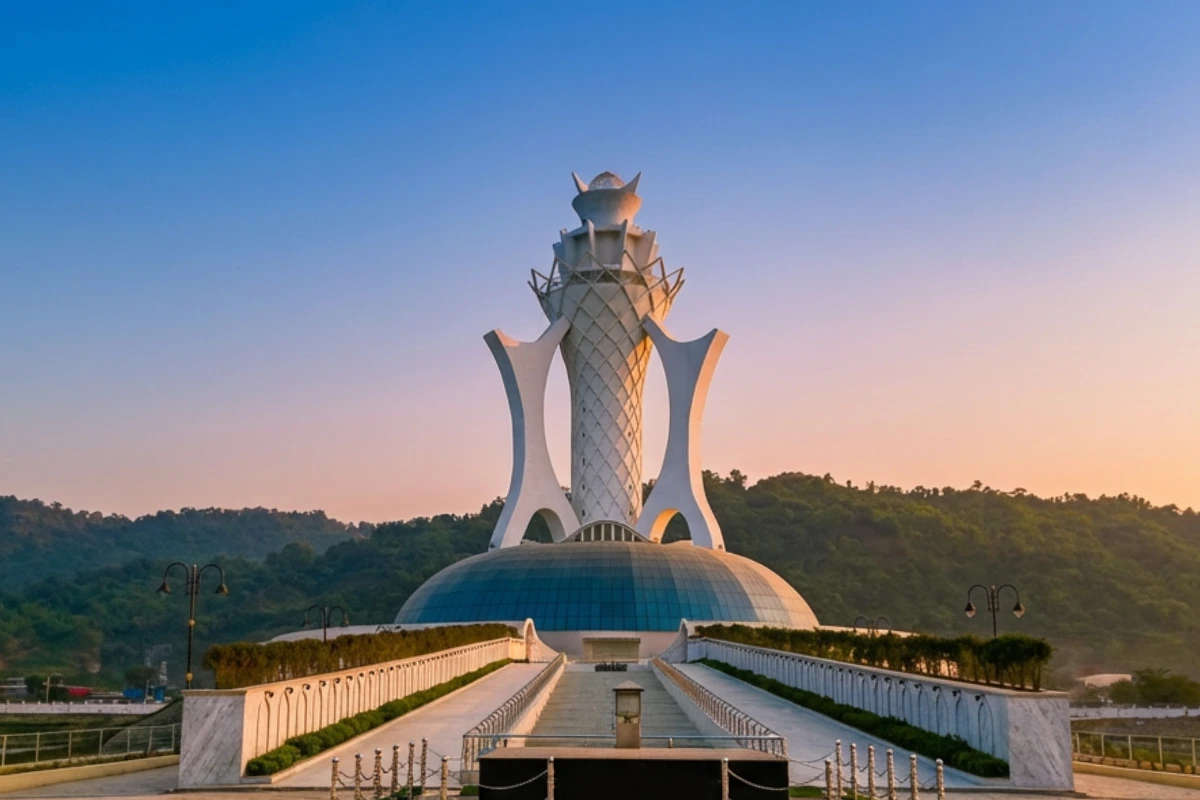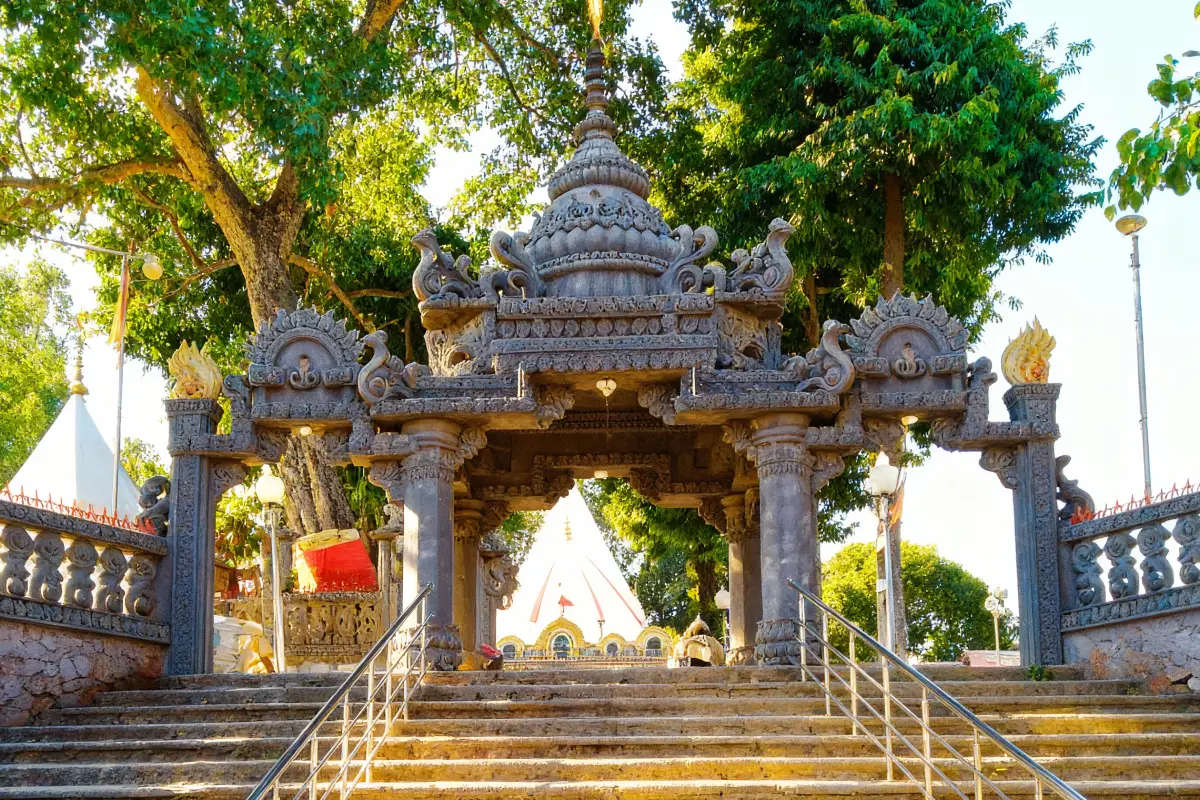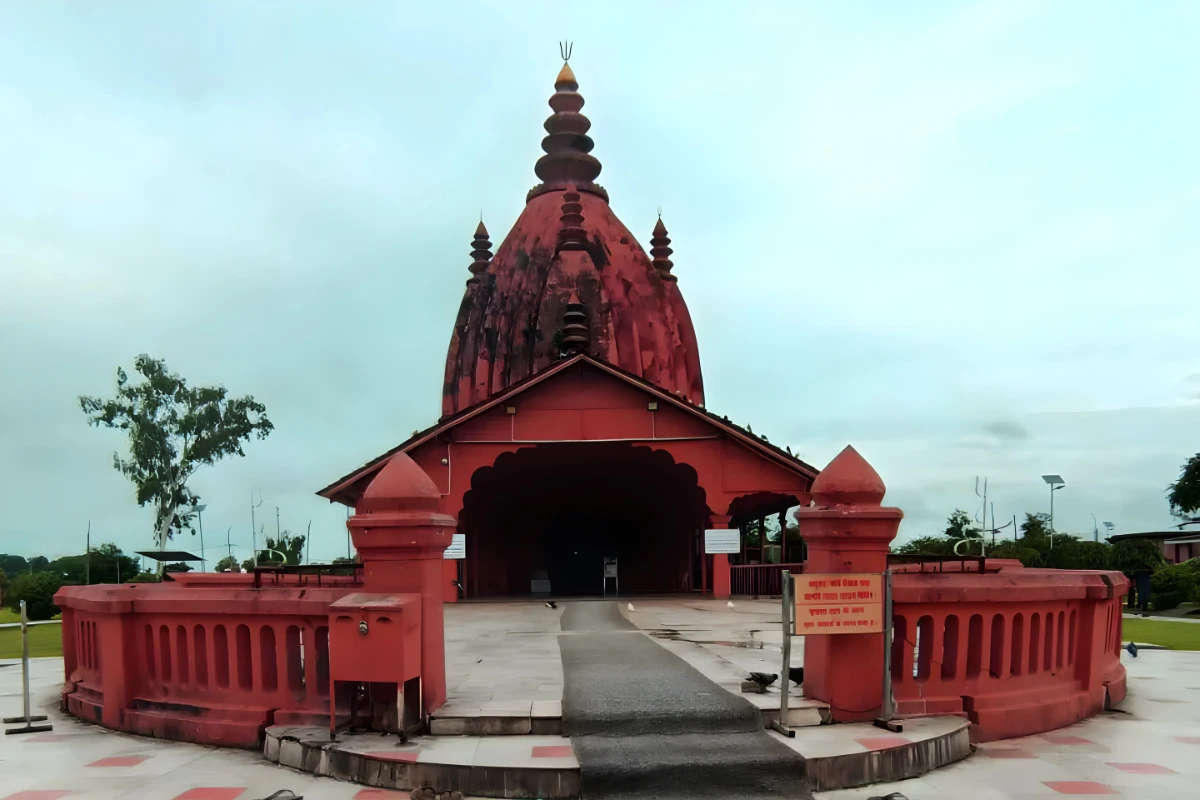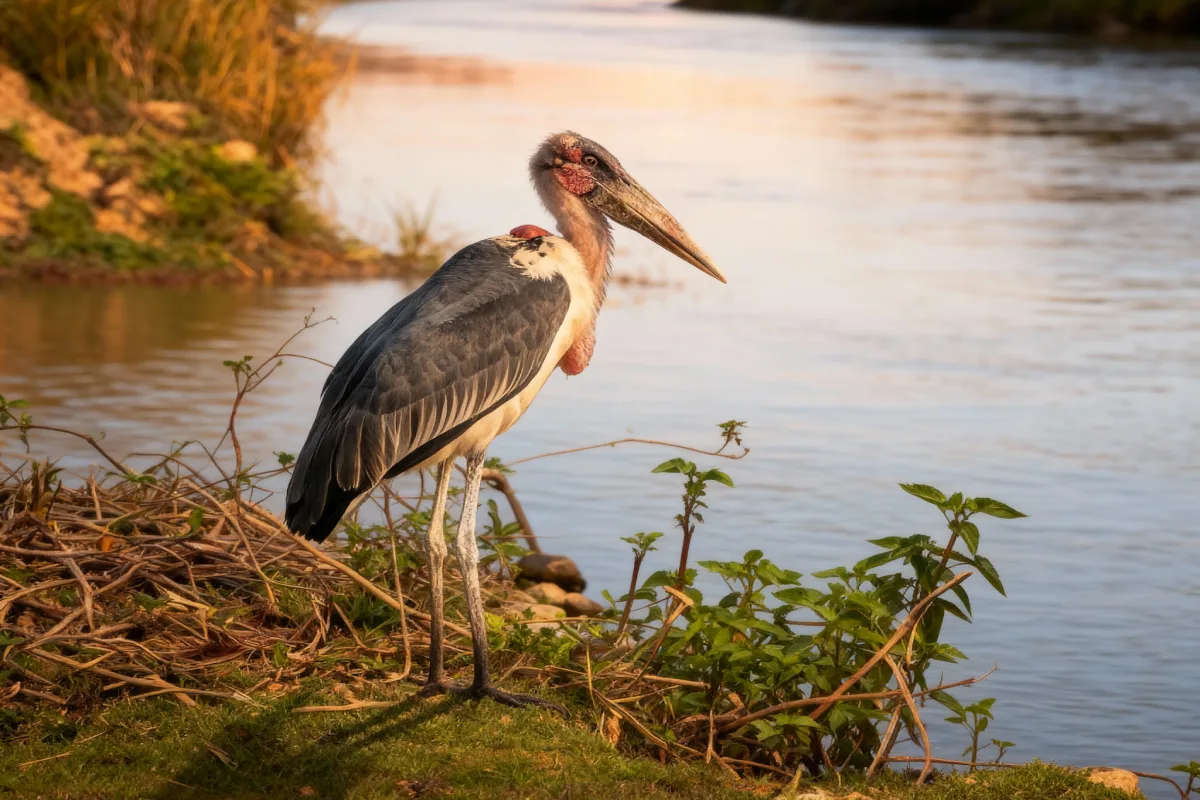
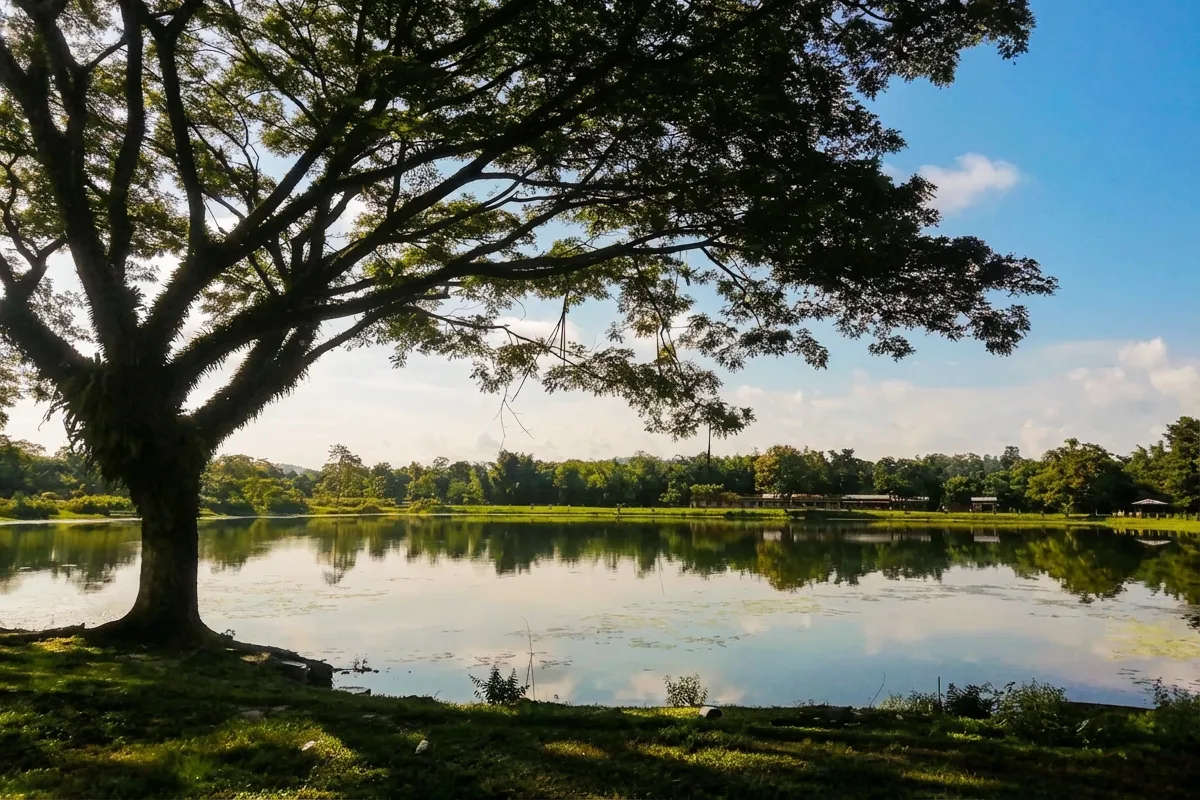


In medieval Assam, digging ponds was considered a traditional practice. During the Ahom reign, ponds were dug across Assam, from the upper to lower regions, for various purposes. Apart from commemorating victories in wars or honoring brave men and women, kings and nobles also commissioned ponds for the welfare of their subjects and for personal reasons. Ponds were created for drinking water, cattle watering, royal rituals and worship, washing ceremonial clothes or mats, cleaning fields, threshing, washing royal attire, fish farming, boat activities, and many other purposes.
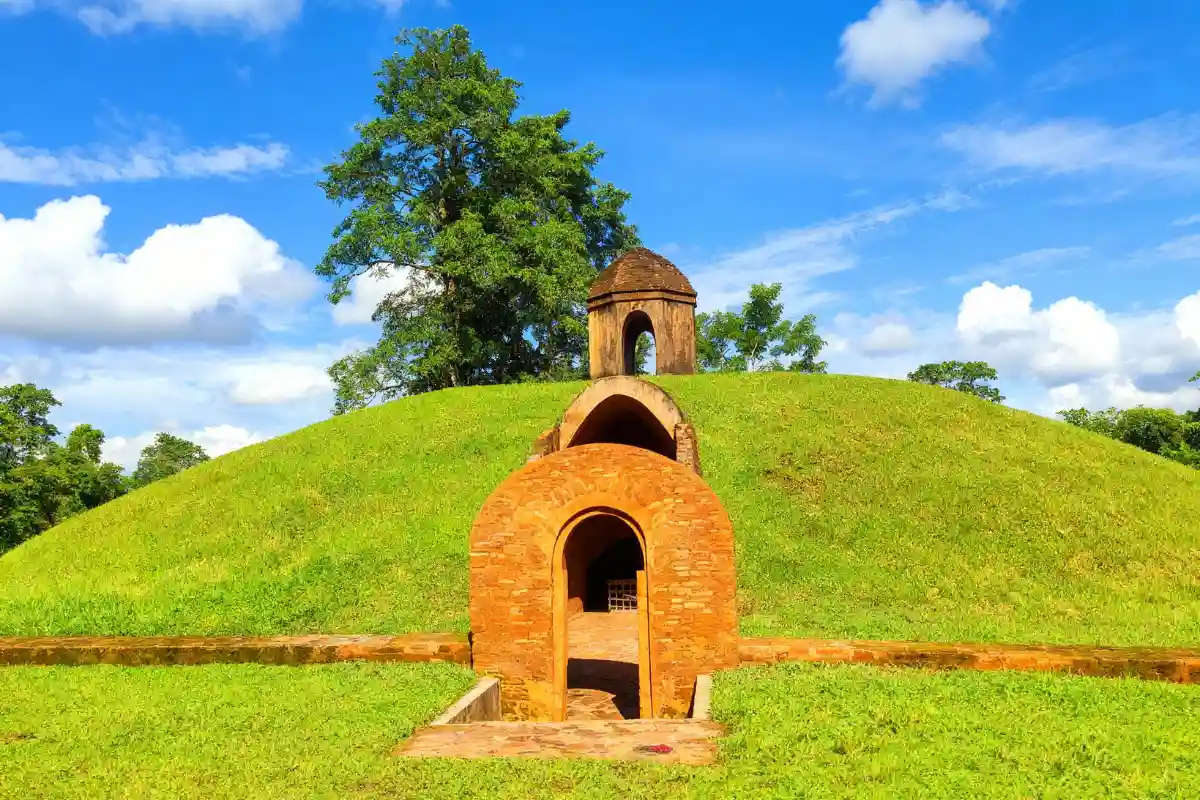
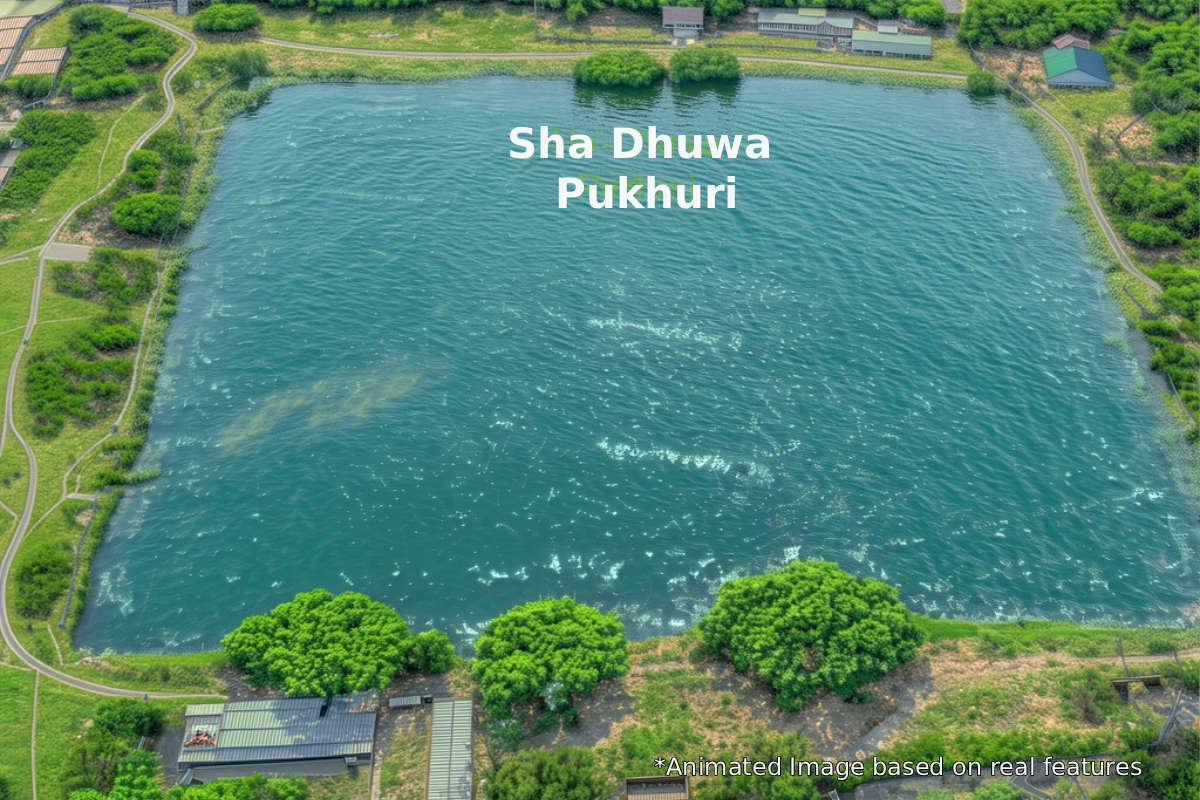
The Sha Dhua Pukhuri, located in the historical region of the Charaideo district, is a priceless reflection of the heritage of the Ahom era. Spanning an area of approximately 754.511 hectares, this pond has a history of over 600 years and is deeply connected with the Ahom royal lineage and religious traditions. Following religious customs, people ritually washed the dead bodies of Ahom kings and royal family members in Sha Dhua Pokhuri. After the ritual, they placed the bodies in the royal maidams for the final rites. This tradition has established the pond as an important religious and historical site.
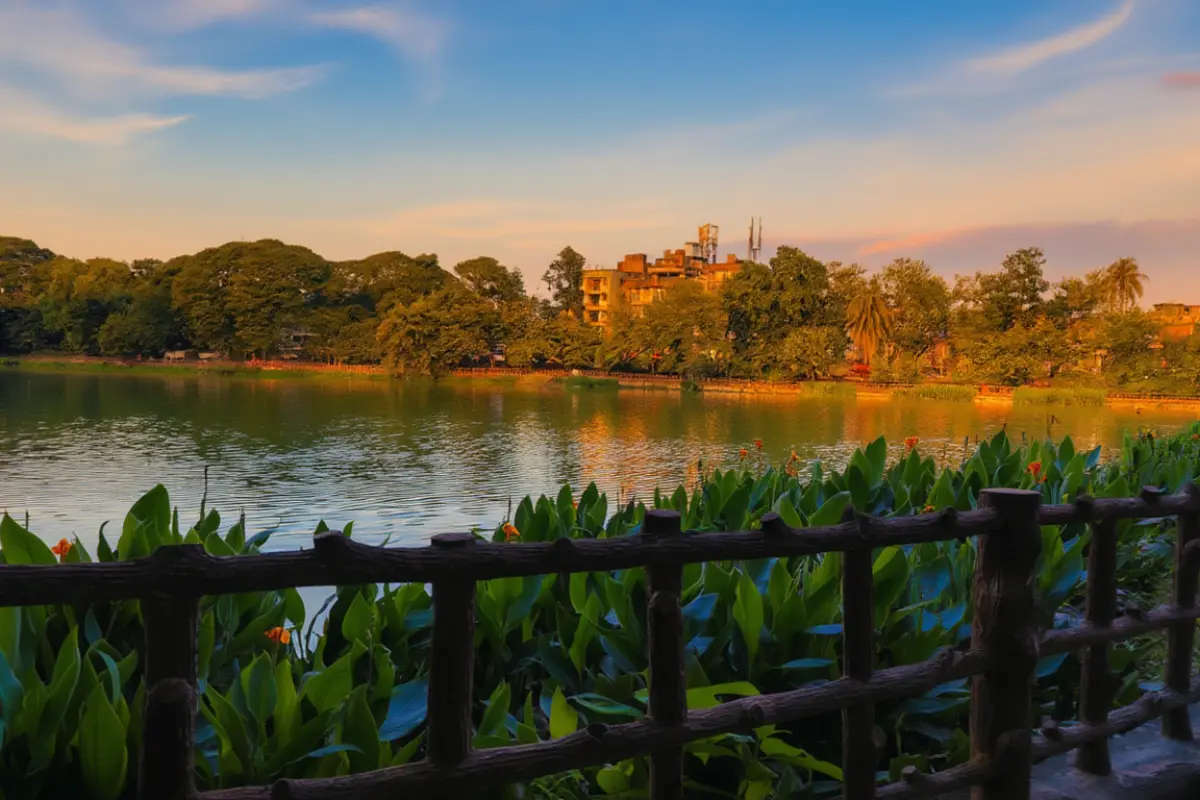
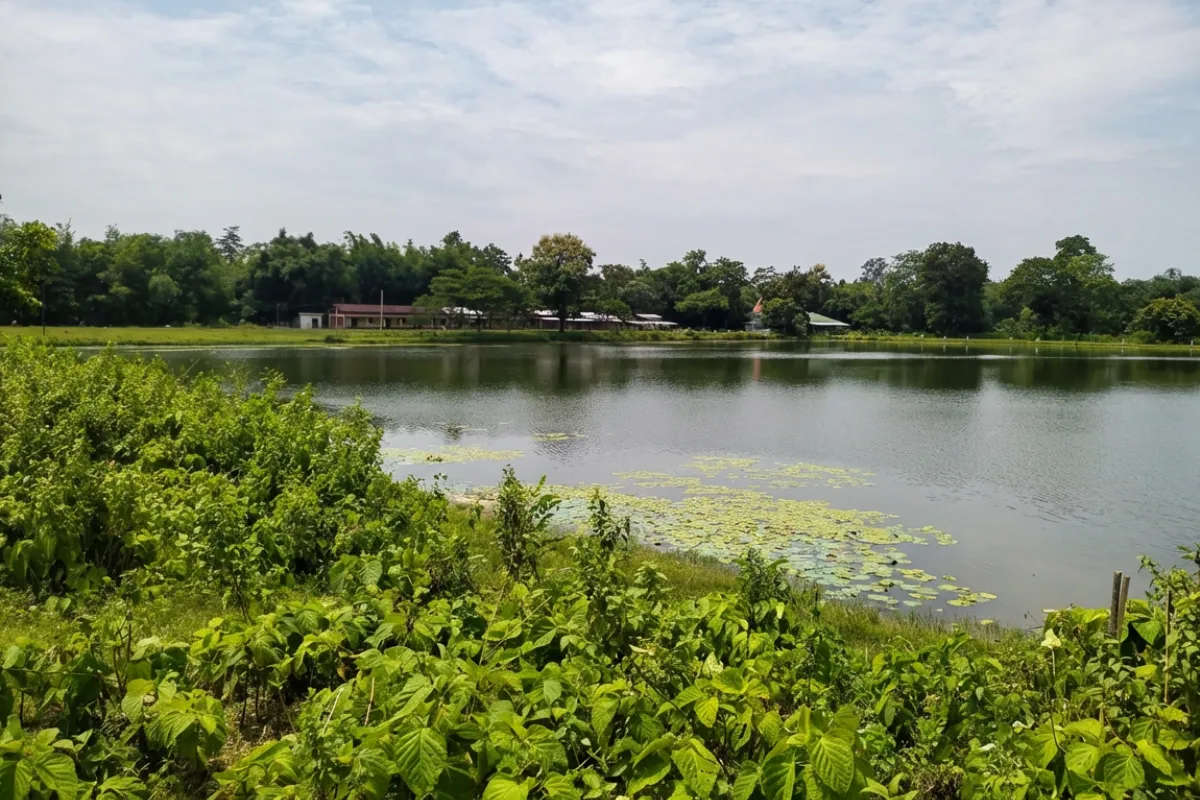
Visiting the Sha Dhuwa Pukhuri is not just about enjoying a scenic view; it offers a connection to the life, traditions, and royal practices of the Ahom dynasty. Located about 1 km north of the Charaideo royal grounds, the pond provides tourists with a unique experience of the Ahom Empire’s past. Its calm waters and historical surroundings create a serene and contemplative environment.
The Sha Dhua Pukhuri is not merely a tourist spot; it is a living witness to Assam’s royal past, traditions, and religious values. The combination of history, culture, and natural beauty makes it especially attractive to visitors. Whether you are a history enthusiast, a cultural explorer, or a traveler seeking peace and solitude, the Sha Dhua Pukhuri promises a memorable and enriching experience. Here, one gets a remarkable opportunity to connect with the heritage of the Ahom era.
Visit Sha Dhua Pukhuri to enjoy a serene atmosphere that refreshes your mind. The lush greenery and trees around the pond create a calm setting, perfect for relaxation and reflection.
You can explore more than 600 years of Ahom history as you discover the customs, rituals, and traditions of the royal era. Since the pond lies close to the UNESCO World Heritage Site of Charaideo Maidam, you will see how deeply it connects to the royal burial grounds. If you skip Sha Dhua Pukhuri, you will miss an essential part of your Charaideo Maidam tour, because both are inseparably linked.

Distance From Guwahati City: 378 Km

Nearest City: Sonari Town(18 Km)

Nearest Railway Station: Simaluguri Junction(13 Km)

Nearest Bus Stoppage: Sonari Bus Stand(18 Km)

Nearest Airport: Jorhat Airport(83 Km)
By Road
Reaching Sh Dhua Pukhuri is very easy and convenient. The pond is located beside the historic Dhodar Ali. If you travel by public bus, you can take a Sivasagar to Sonari bus from Sivasagar town. The journey takes about 45 minutes. You can get down at the Sukapha Gate or directly in front of Sh Dhua Pukhuri. Another nearby bus stand is the Sonari Bus Stand. If you are traveling from Upper Assam, Sonari Bus Stand is well-connected with towns like Tinsukia and Dibrugarh. From Sonari, the site is about 35 minutes away, and local vehicles and public transport are available on time.
By Train
For train travelers, Simaluguri Junction is the most convenient option, as it is well-connected to different states. From the station, you can take a rickshaw or walk a short distance to reach the main road, where buses and local vehicles are available to continue your journey.
By Air
For air travelers, both Jorhat Airport and Dibrugarh Airport are almost equidistant from the site. From Dibrugarh, you can reach Sivasagar and Sonari easily with public transport. Similarly, from Jorhat, public transport to Sivasagar is available. Reaching Sh Dhua Pukhuri from either airport is hassle-free.
You can visit at any time of the year except during the peak summer and heavy monsoon months. However, if you go on summer days in the evening hours, when the surroundings become calm and quiet. Especially from October to March, the entire area is covered with a pleasant atmosphere. Therefore, visiting during the afternoon or evening in this season is ideal.
Winter and post-winter seasons are the best times to visit here. The months of October and November are ideal for exploring this place, as rainfall gradually decreases and humidity levels also drop. The period from January to March is equally suitable for visiting Sha Dhuwa Pukhuri. Especially during spring, the gentle breeze brings a unique joy to the surroundings. Therefore, I would say that if you come to visit Charaideo, you should not miss this place; immerse yourself at least once in its peaceful environment.
*Advertisement