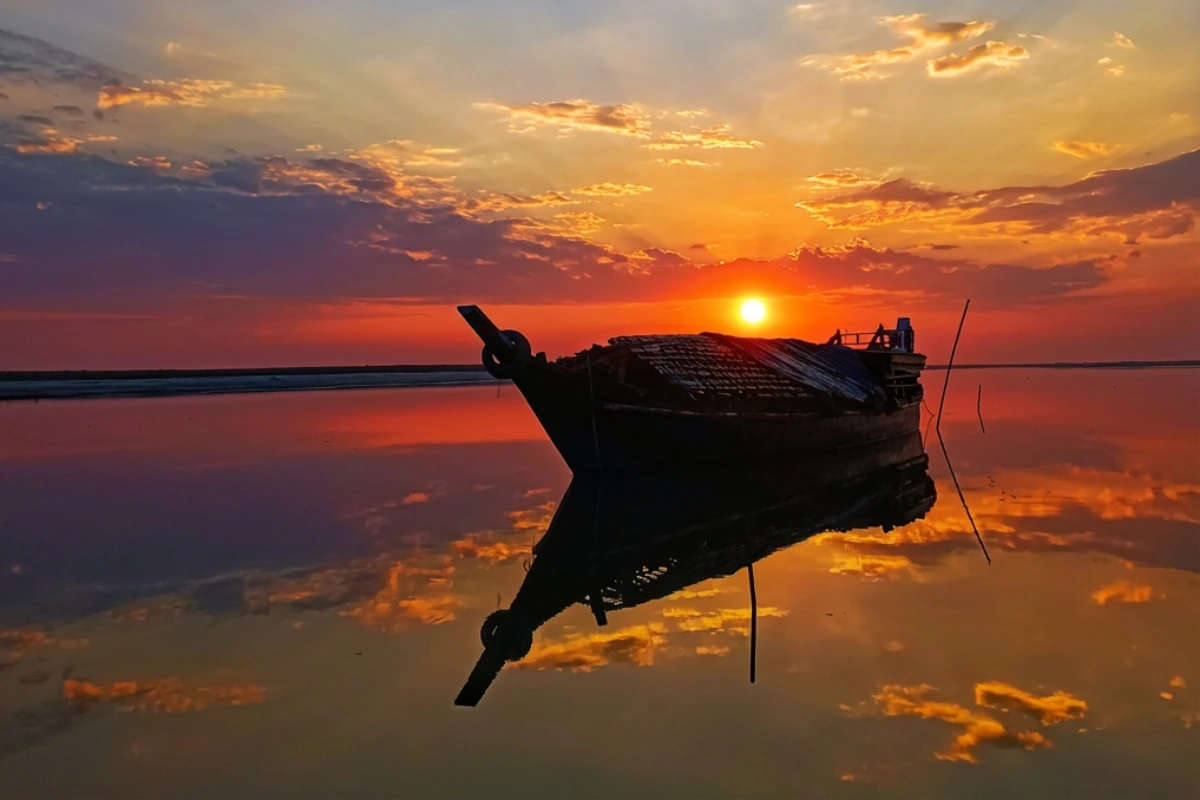
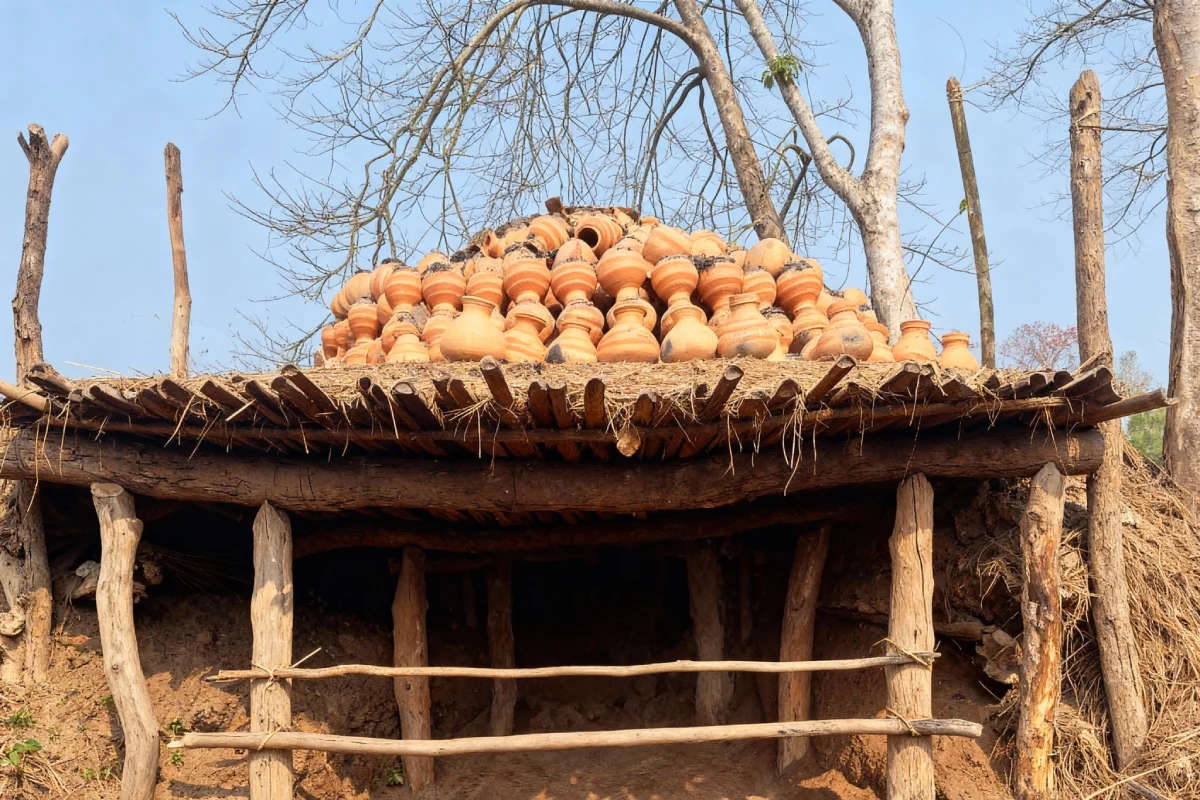
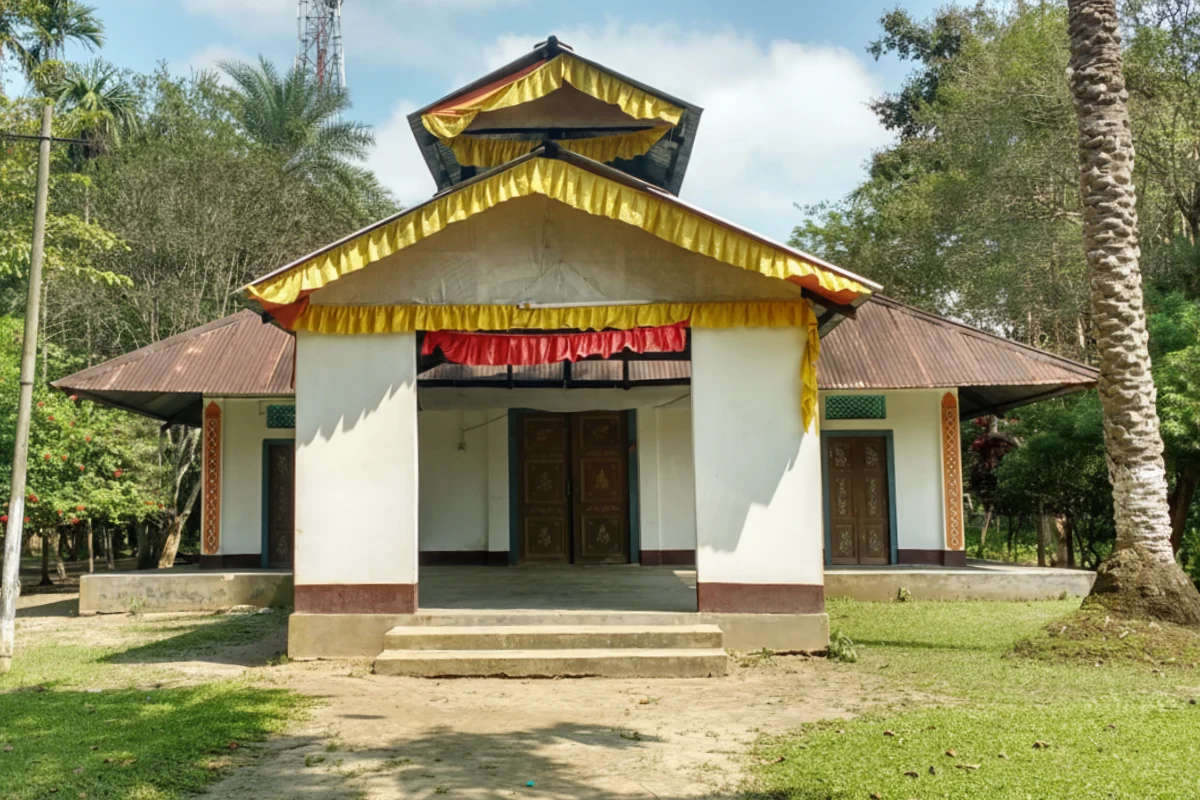
There's hardly anyone who wouldn't want to visit the largest river island in the world. But Majuli is not only limited to its geographical uniqueness, it's a land of diverse cultural practices and a hub of Assamese heritage. As you travel across its lush environment, you'll discover a world where time appears to pass differently, with centuries-old rituals infusing life into every landscape and encounter. Traditional rhythms pulse across Majuli's communities, offering stories of craftsmanship and deep spiritual connections that have weathered the passage of time.
Majuli's Satras are more than just monasteries; they are alive, breathing reservoirs of the Assamese cultural essence that will radically shift your perception of spiritual settings. Majuli is home to a fascinating human environment in which tribal and non-tribal populations live in harmony. As you tour the island, you'll come across the Misings, the largest tribal community with rich traditions that have merged smoothly into the local fabric.The Deoris and Sonowal-Kacharis also contribute unique ethnic nuances to this complicated song. Explore the art of mask making, classical sattriya nritya, bhaona (drama) and pilgrimage sites in Majuli all together.
Majuli is noted for its rich cultural heritage, which revolve around Neo-Vaishnavite monasteries or Satras. Srimanta Sankaradeva, an Assamese Vaishnavite saint from the 15th to 16th centuries, was aware of the burgeoning Bhakti movement throughout India. In the Brahmaputra valley, he established a distinct style of Vaishnavism known as Eksaran Naamdharma or Shelter-in-One Religion, which promoted devotion or Bhakti to Krishna through mass listening or Sravana, as well as chanting his name and deeds in the form of Kirtans.
The Satra, a monastic space central to Neo-Vaishnavism, began as a religious gathering or association for the purpose of reciting or teaching the Bhagavata. Over time, the Satra evolved into a fully fledged socio-religious and cultural institution that supported literature, music, theater, and dance and art.
Majuli mask making has long been recognized as a rare and traditional creative craft. With a cultural tradition dating back over 500 years, it has successfully preserved its heritage while attracting a growing population from all over the world. Majuli masks were made in Assam between the 15th and 16th centuries as part of the Bhakti movement, also known as Neo-Vaishnavism, led by Shrimata Shankardev, who is also considered the first mask maker or khanikar. These masks were an essential component of the bhaona, or one-act plays (Ankiya Naat). It was necessary to capture various descriptions of fabled inhuman beings.
The great river island of Majuli is world-famous for its satras, the Vaishnavite monasteries, which stand as testaments to the spiritual and cultural marvels of Assam. Founded by the disciples of Srimanta Sankardeva, they were centers for spreading Neo-Vaishnavism, which supported devotion, equality, and ethical living. Auniati, Dakhinpat, Garamur, Kamalabari, Bengenaati, and Samaguri are some of the premier satras which have preserved Assam’s rich artistic traditions for centuries. Their stately prayer halls and graceful courtyards enjoy the thriving Sattriya dance, devotional music, theatrical performances, manuscript preservation, and traditional crafts like mask-making, for which Samaguri Satra is famous.