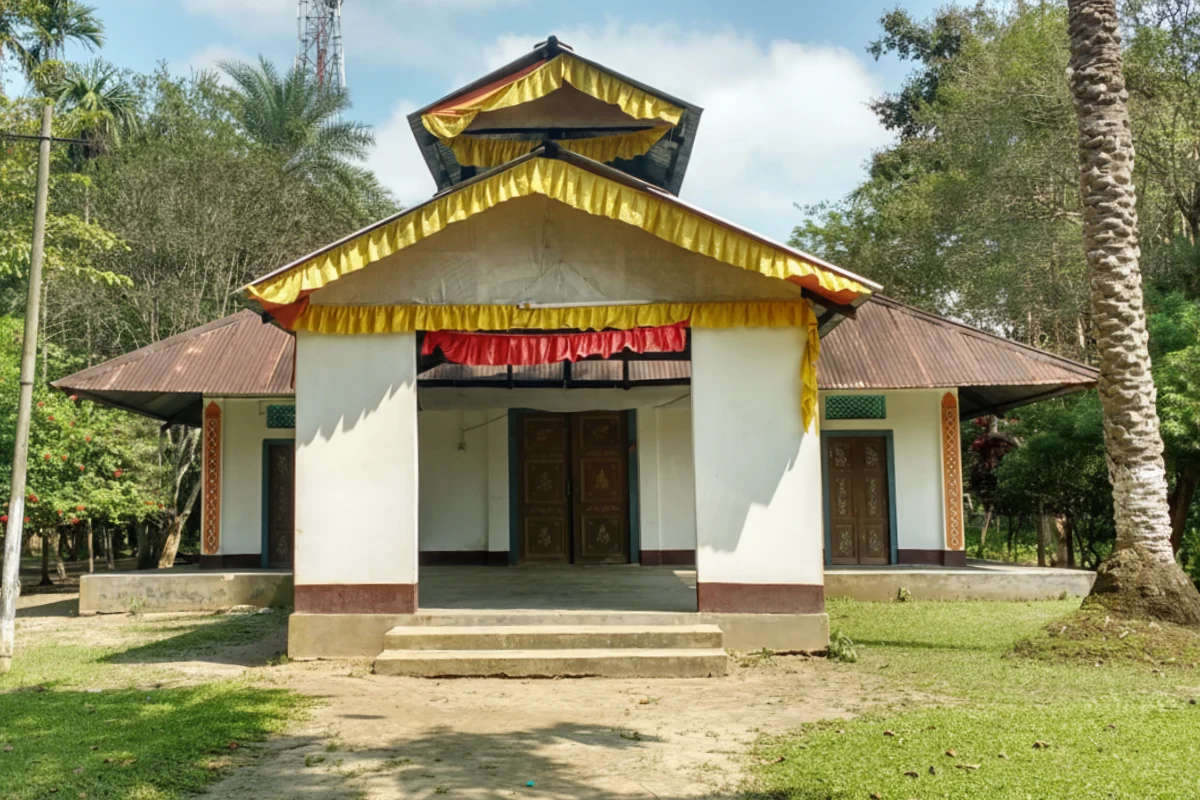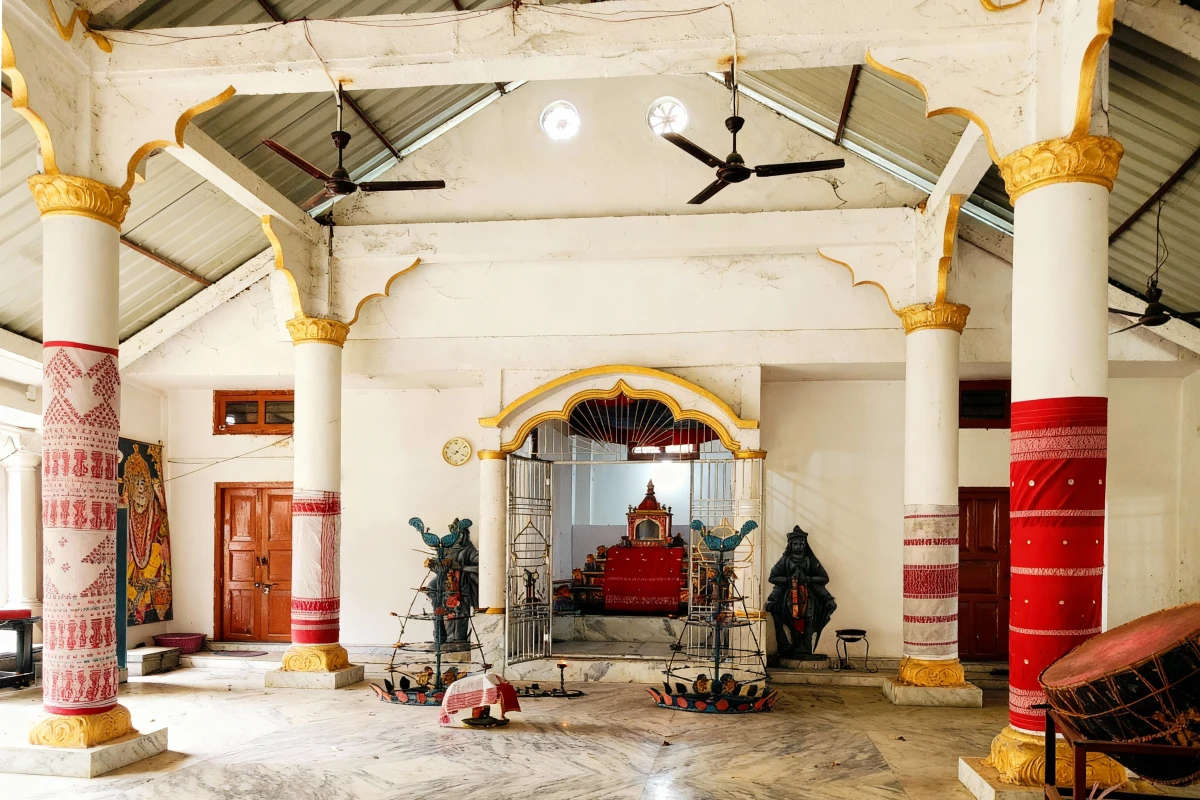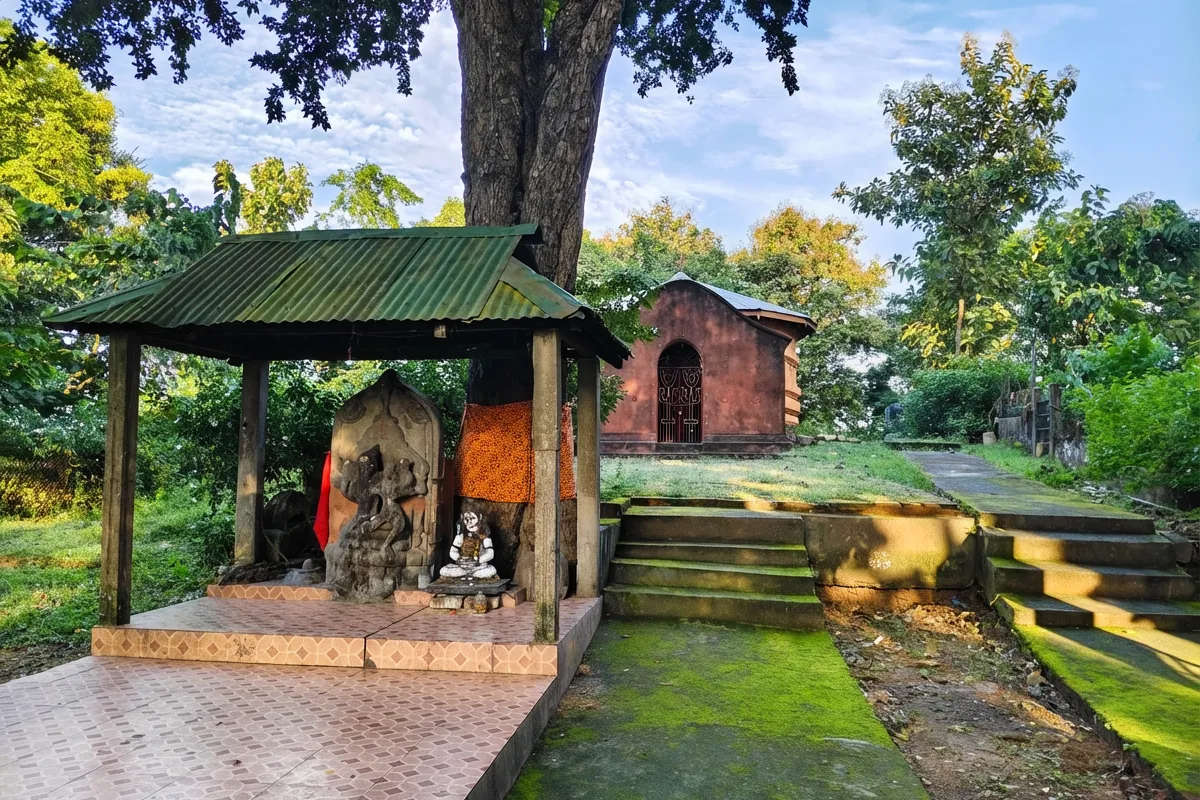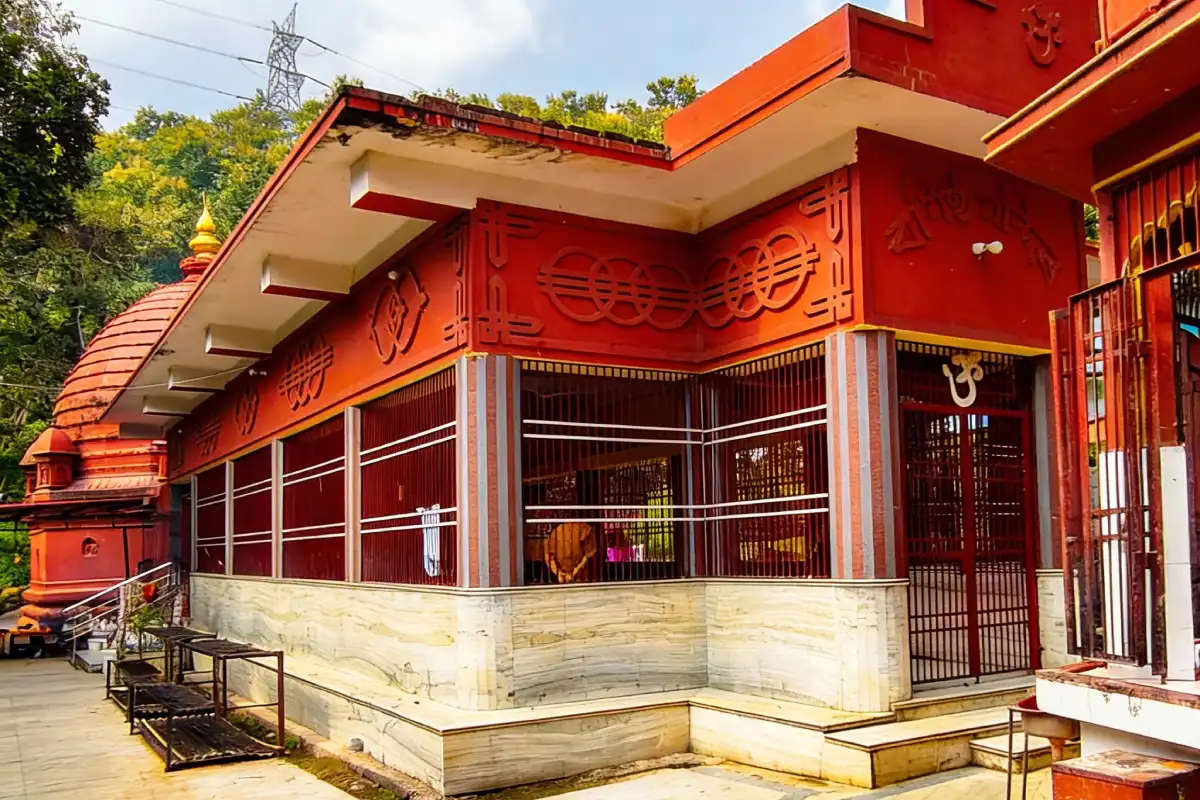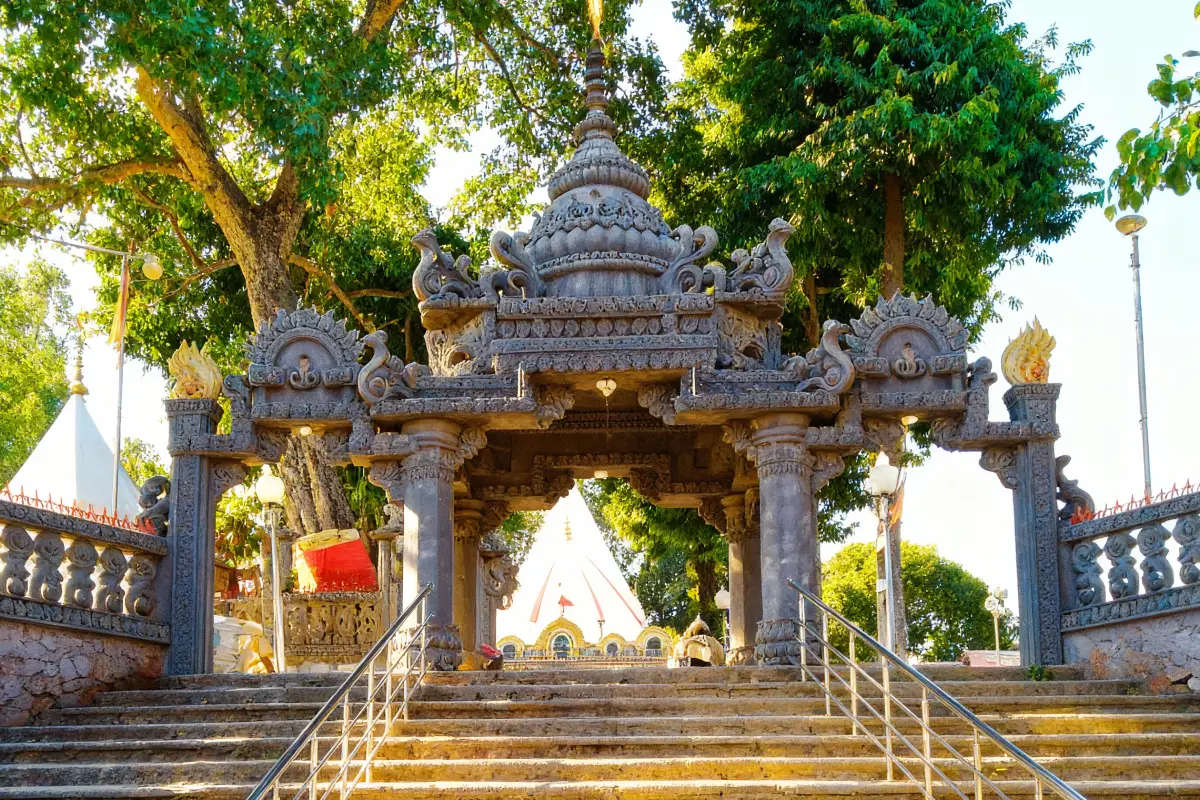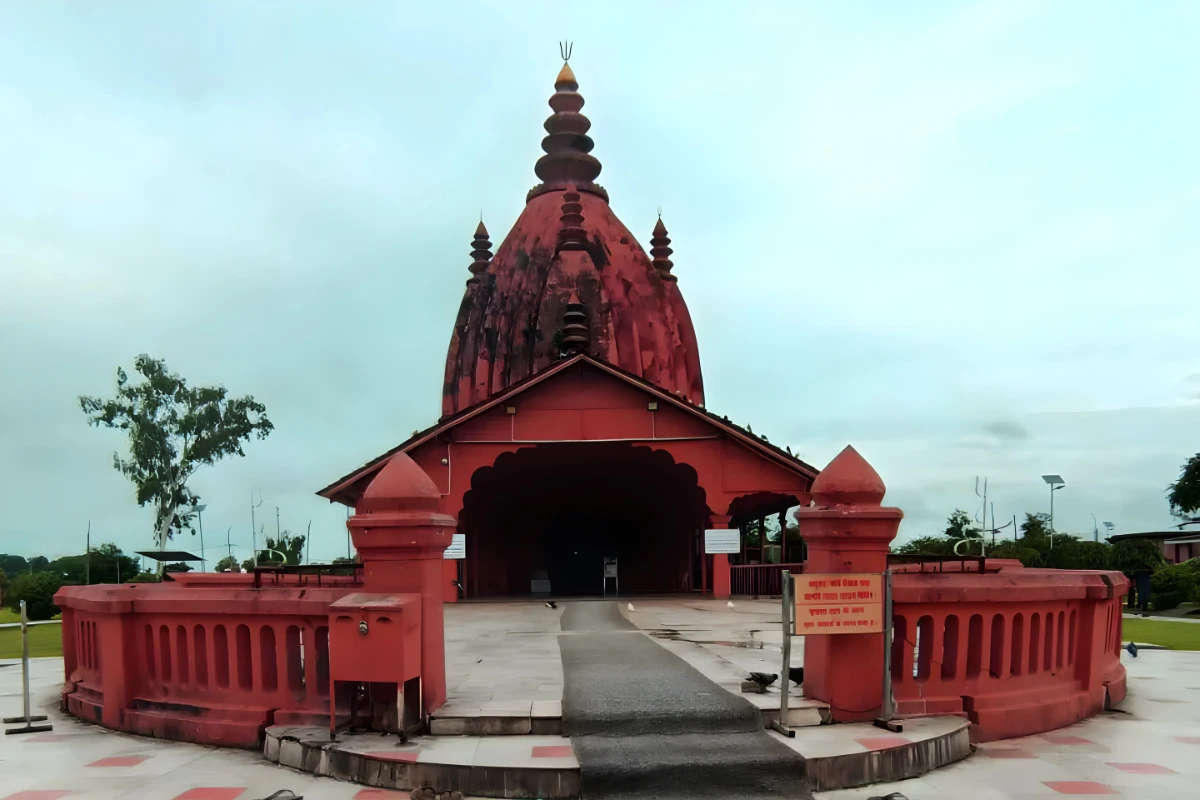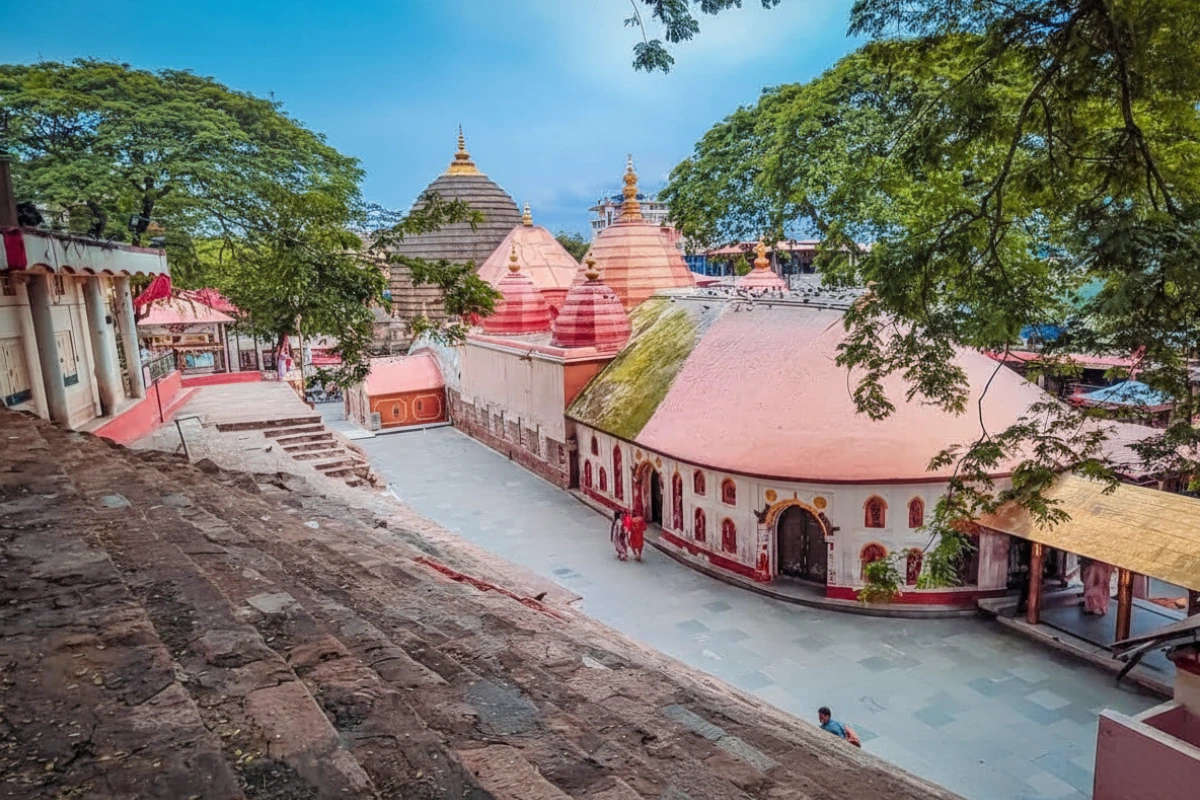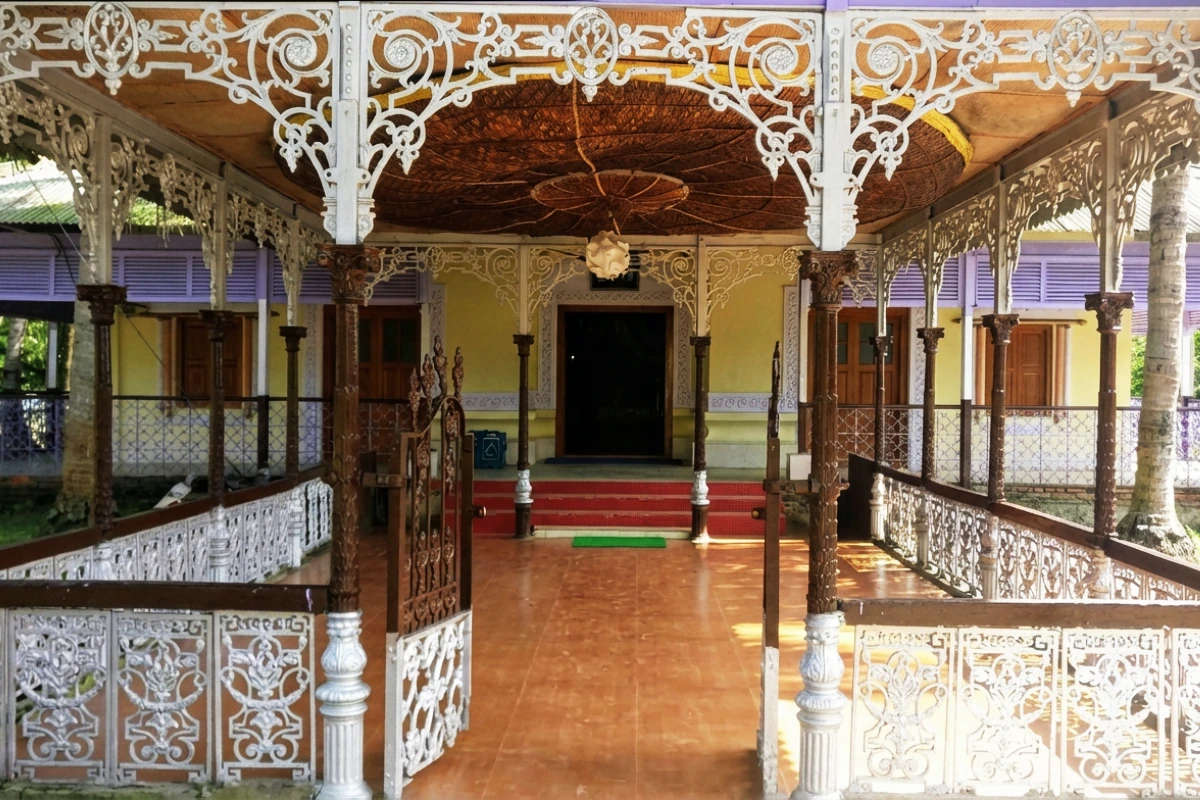
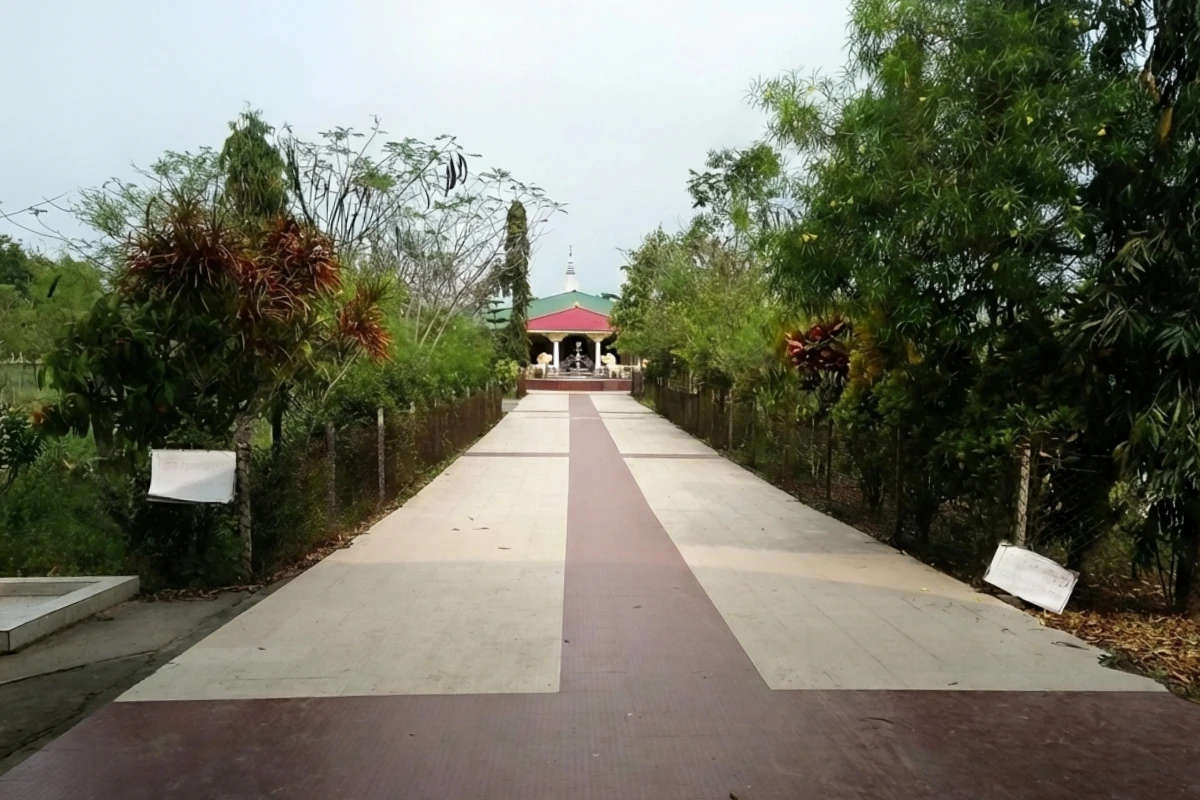
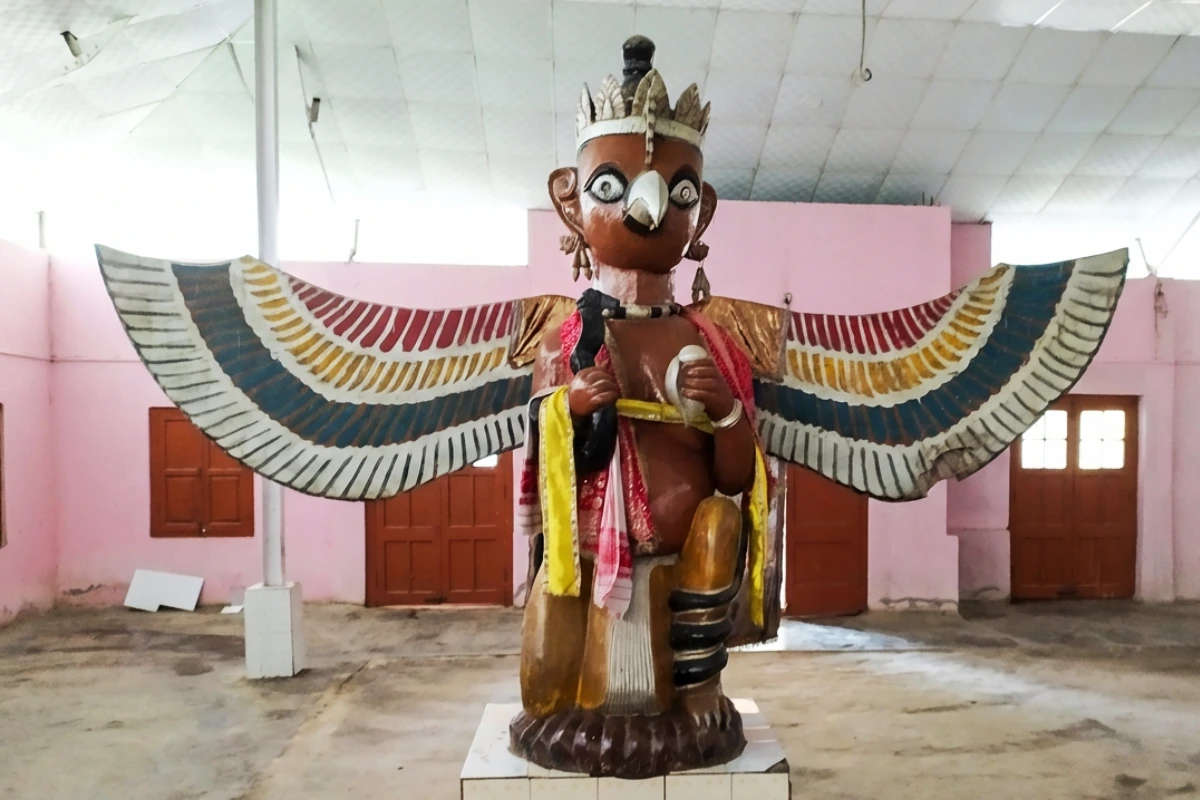


The Sri Sri Auniati Satra, nestled in the tranquil settings of Majuli, is a timeless symbol of Assamese culture and Vaishnavite heritage. Established in 1653 AD by Ahom King Sutamla, this monastery has a particular place in the hearts of almost a million devotees. The term "Auniati" is derived from the elevated land of "Auni Paan" (a type of betel creeper), implying its spiritual significance. At its heart, the Satra is a center of devotion to Lord Krishna, or Govinda, whose idol was originally transported from Puri, Odisha. You can immerse yourself in a spiritual and culturally diverse environment. Daily prayers and devotional performances, which have been ongoing for over 50 years, fill the air with a sense of calm.
The Satra's one-of-a-kind "Sattriya" performances, which include various forms of prayer, dances, and theatrical acts based on ancient epics such as the Ramayana and Mahabharata, are breathtaking. In addition to its spiritual activities, the Satra is a living heritage site with branches in North Guwahati and Kaliapani (Teok).
The Satra is circular in shape, with a row of "Baha" homes on the outside and Namghara and Manikuta in the center. The Satradhika lives near the temple. All Bhakatas (Vaishnava devotees) live along the four lines of the Satra. These are known as Hati in Assamese, which means a row of cottages. It proudly upholds Assamese identity by showcasing its cultural programs at national events, making it a must-visit destination for anyone seeking to experience the true essence of Assam.
The satra is a thriving hub for Assamese art, literature, and performance. It is well-known for preserving Sattriya Nritya, an Indian traditional dance form, as well as devotional music, drama, and manuscript art. Exploring its courtyards and performances allows visitors to see Assam's living traditions, where culture survives alongside everyday spiritual practice.
Sri Sri Auniati Satra was founded in 1653 AD and is one of Majuli's oldest and most respected satras. It upholds the Neo-Vaishnavite doctrine of Srimanta Sankardev and Madhabdev by combining devotion with community living. Visitors are drawn to its religious atmosphere, monastic traditions, and centuries-old legacy, all of which represent Assam's deep spiritual roots.
Spiritual tourism
Learn about Neo-Vaishnavism

Distance From Guwahati: 340 Km

Nearest City: Majuli(5 Km)

Nearest Railway Station: Jorhat town Railway station to Nimati ghat (35 Km)

Nearest Bus Stoppage: Jorhat Bus stand to the ferry point, Nimati ghat of Majuli(20 Km)

Nearest Airport: Jorhat Airport(42 Km)
It can be reached by traveling to Jorhat first. From Jorhat, take a ferry across the Brahmaputra River to Majuli. Regular ferries connect Nimati Ghat to Kamalabari Ghat. From Kamalabari, hire an auto or cab to Auniati Satra.
The best time to visit Sri Sri Auniati Satra in Majuli is between October and March. During these months, the weather is good, the Brahmaputra's water level is safe for ferries, and cultural festivals such as Raas Leela celebrate lively traditions. Avoid monsoons because they create flooding and travel problems.
Dress modestly.
Respect local culture
Sri Sri Auniati Satra, established in 1663 by Ahom King Jayaddhaja Singha after converting to Vaishnavism, is an important part of Assam's spiritual and cultural legacy. It was founded on Majuli's slightly raised soil covered in Auni Paan creepers, hence the name "Auniati". At its core stands Lord Krishna's idol, Govinda, which was carried from Jagannath Puri with religious rites. It thrived for generations, having branches throughout Assam, including one in North Guwahati. The satra, which was rebuilt in 1959 and expanded in 2003, continues to represent devotion, art, and tradition, acting as a living icon of Assam's Neo-Vaishnavite heritage and spiritual vibrancy.
*Advertisement