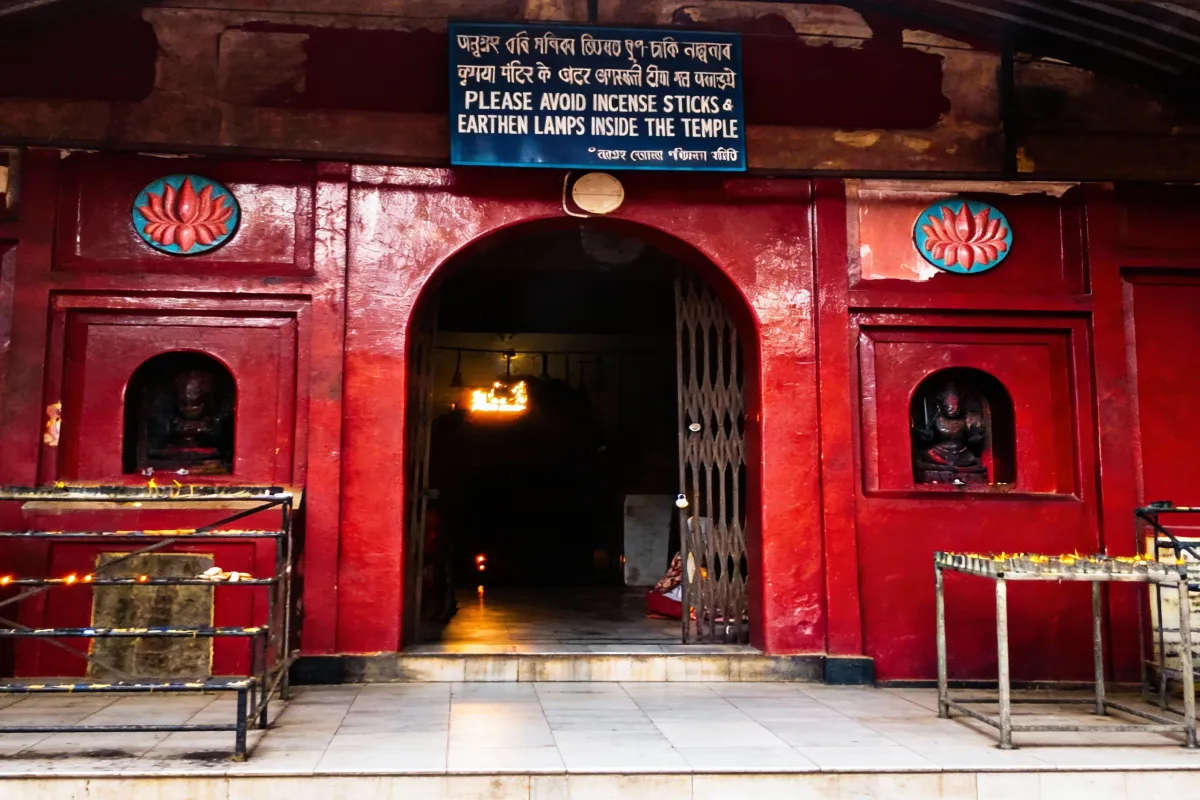


The Navagraha Temple, peacefully resting atop Chitrasal Hill in Guwahati, stands as one of Assam’s most historic religious sites. Dedicated to the nine celestial deities, this temple holds deep astrological and spiritual significance. People believe that this sacred site once served as an important center for astrology and astronomical studies. Its unique blend of culture, spirituality, and natural beauty makes this holy place one of Guwahati’s most remarkable tourist destinations.
It is said that Ahom king Swargadeu Rajeswar Singha built the Navagraha Temple in the late 18th century. According to popular belief, praying at this temple helps devotees overcome hardships. You can visit this place and offer prayers for your well-being.
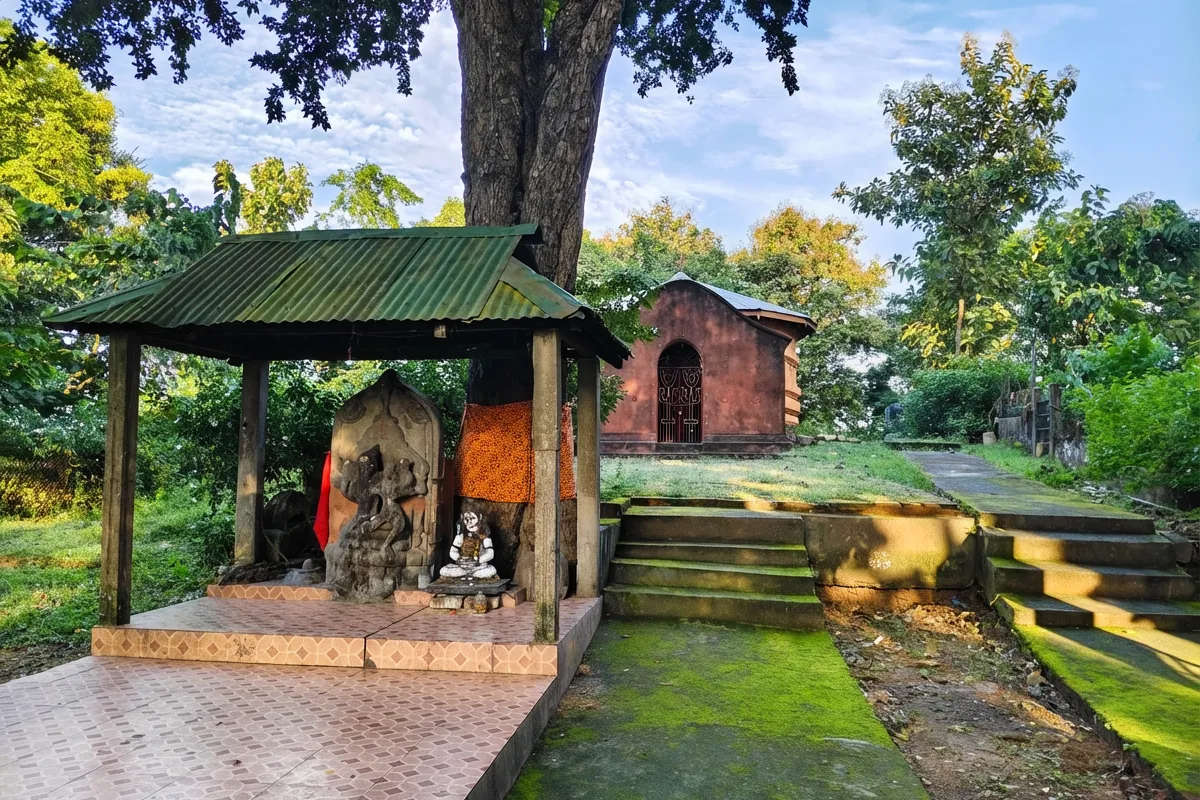
The temple is dedicated to nine celestial bodies, which are Surya (Sun), Chandra (Moon), Chevvai/Mangal (Mars), Budhan (Mercury), Guru/Brihaspati (Jupiter), Shukra (Venus), Shani (Saturn), Rahu (North Lunar Node), and Ketu (South Lunar Node). Here, nine Shiva lingas represent the nine planets. At the center lies a Shiva linga symbolizing the Sun, while the remaining celestial bodies appear as Shiva lingas draped in symbolic colored cloths. The rituals, the influx of devotees, and the surrounding natural beauty have made it a prominent attraction for tourists and devotees.
Whether you are a devoted worshiper or a curious traveler, the Navagraha Temple welcomes everyone. This temple offers a rich experience for those seeking blessings or tranquility. Its historical significance and spiritual atmosphere resonate with visitors deeply. The picturesque location enhances the temple’s appeal in Guwahati. The Navagraha Temple is a must-visit destination for anyone exploring the city.
You can visit the Navagraha Temple to experience spiritual peace and devotion. You can offer prayers in the morning and evening. Pilgrims visit here to seek divine grace and blessings for improvement in different aspects of life. According to belief, praying here helps one attain success in health and well-being, prosperity and financial growth, career and education, harmony in relationships and marriage, and overcoming obstacles and fears. If you share these beliefs, you can also visit to seek blessings.
Visiting temples offers a chance to experience unique rituals, learn about Hindu mythology and cosmic science, and admire ancient Indian architecture. At Navagraha Temple, you can witness traditional rituals, religious ceremonies, and yajnas (holy offerings) held from time to time. These experiences let you connect deeply with Indian Hindu traditions and culture.
The temple is dedicated to the nine celestial planets known as Navagrahas. Built on the principles of Hindu astrology, it symbolizes the belief that these planets influence human destiny. A unique Shiva Lingam represents each planet. Devotees visit the temple to mitigate the negative effects of planetary positions in their birth charts and to amplify the positive influence of their ruling planets. It is believed that all nine planets play distinct roles in shaping different aspects of human life, from emotions and vitality to intellect and action.
Navagraha Temple in Guwahati once served as an ancient center for astronomical and astrological studies. With its historical importance, architecture, and art, the temple stands as a significant destination for those interested in history and culture.
The scenic beauty surrounding the Navagraha Temple attracts every visitor. If you wish to spend time in a calm and pleasant environment, this temple serves as a perfect destination for peace and relaxation.

Distance From Guwahati City : 7 Km

Nearest Town / City: Guwahati City (7 Km)

Nearest Railway Station: Guwahati Railway Station (3.3 Km)

Nearest Bus Stoppage: Silpukhuri (2.2 Km)

Nearest Airport: LGBI Airport, Azara, Guwahati(27 Km)
The Navagraha Temple, located in the heart of Guwahati city, is easily accessible by well-connected roads. You can reach the temple comfortably using public or local transport, buses, taxis, cabs, or auto rickshaws.
The temple is well-connected to different parts of Assam. Once you arrive in Guwahati, you can easily reach the temple. The distance from ISBT Guwahati to Navagraha Temple takes around 45 minutes by road. You can hire any vehicle from there or take a public bus to the Chandmari or Chenikuthi bus stop and then walk uphill to the temple.
If you prefer to travel by train, the nearest railway station to the Navagraha Temple is Guwahati Railway Station. It takes around 15 minutes to reach the temple from there. Various local transport options are available outside the station to take you directly to the temple.
If you are travelling by flight, the nearest airport is Lokpriya Gopinath Bordoloi International Airport, Borjhar. From there, you can reach the Navagraha Temple in about one hour via NH 17. You can book a cab or use public transport to arrive at the temple conveniently
You can visit the Navagraha Temple at any time of the year. Generally, the winter season, from October to March, is ideal for outdoor activities, sightseeing, and enjoying pleasant weather.
From April to June, the climate becomes slightly warmer, but you can still visit the temple if you wish.
During the monsoon season, from July to September, the surroundings of the temple turn lush green, creating a refreshing and peaceful environment. However, heavy rainfall during this period may make outdoor activities a bit difficult. If you wish to spend time amidst greenery, this season can still be a wonderful choice.
You can visit the Navagraha Temple on any day of the week. You may choose a specific day based on the planet you wish to worship, for example, Sunday for Surya (Sun), Monday for Chandra (Moon), and so on. On weekdays, the crowd is usually lighter compared to weekends. Mornings and evenings are the best times for prayers.
The ideal time to visit the Navagraha Temple is during the winter season, that is, from October to March. If you wish to experience religious rituals, the best period to visit is from January to March. Apart from the daily worship of the nine planets, a grand three-day Mahayajna is held every year during the Magh-Fagun Sankranti, offering visitors a truly divine experience.
Additionally, the temple remains open every day of the week, and the best time to visit for prayers is usually in the morning and evening.
The Navagraha Temple, located on Chitrachal Hill, is an ancient and sacred pilgrimage site for Hindus. This historic temple holds deep cultural significance and is associated with numerous legends and folklore. Although the exact date and founder of the temple remain unclear, inscriptions in the temple precinct suggest that Ahom King Rajeswar Singha built it in 1752. The devastating earthquake of 1897 caused significant damage to the temple. However, with the support of devoted followers, the temple was later repaired and restored to its former glory.
The Navagraha Temple is primarily dedicated to the worship of the nine celestial deities, known as the Navagrahas. The Navagrahas include the Sun (Surya), Moon (Chandra), Mars (Mangal), Jupiter (Brihaspati), Mercury (Budh), Venus (Shukra), Saturn (Shani), Rahu, and Ketu. Each of these celestial bodies holds significant spiritual importance and is symbolically represented in the temple, making it a revered site for devotees. The temple houses artistic representations of each of these nine celestial bodies, making it a significant spiritual site.
Every year, during the transition period between the Assamese months of Magh and Phagun, a grand three-day Yajna (ritualistic offering) is conducted with great fervor. As part of the rituals, offerings such as goats, ducks, and pigeons are made to the deities. Additionally, group yajnas are conducted, and individuals can also arrange for personal yajnas to seek blessings. The temple’s religious practices hold deep cultural and spiritual significance for the devotees.
The Navagraha Temple is among the most significant pilgrimage sites. Devotees come here to seek blessings from the nine celestial deities. Its serene location on Chitrachal Hill creates a calming spiritual atmosphere. Many believe the temple has the power to strengthen faith. Each year, thousands of pilgrims visit for worship and inner peace. The Navagraha Temple remains a major attraction for both pilgrims and tourists.
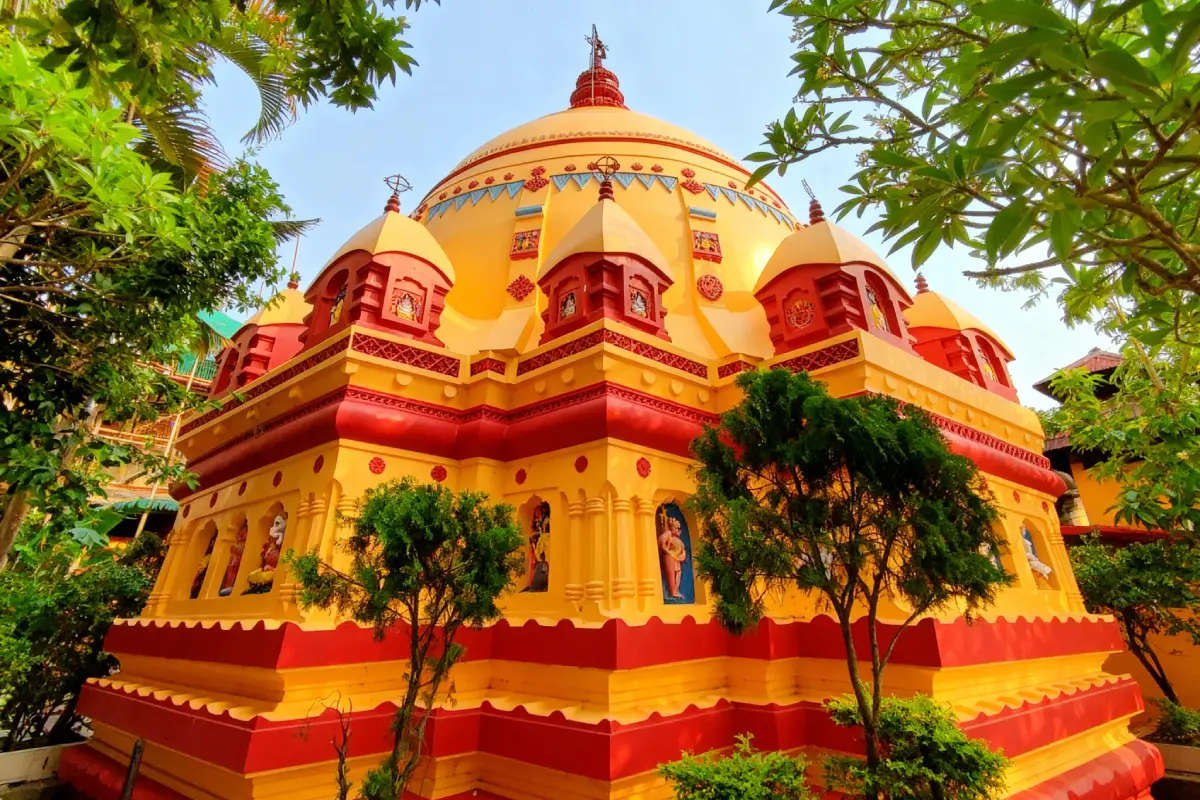
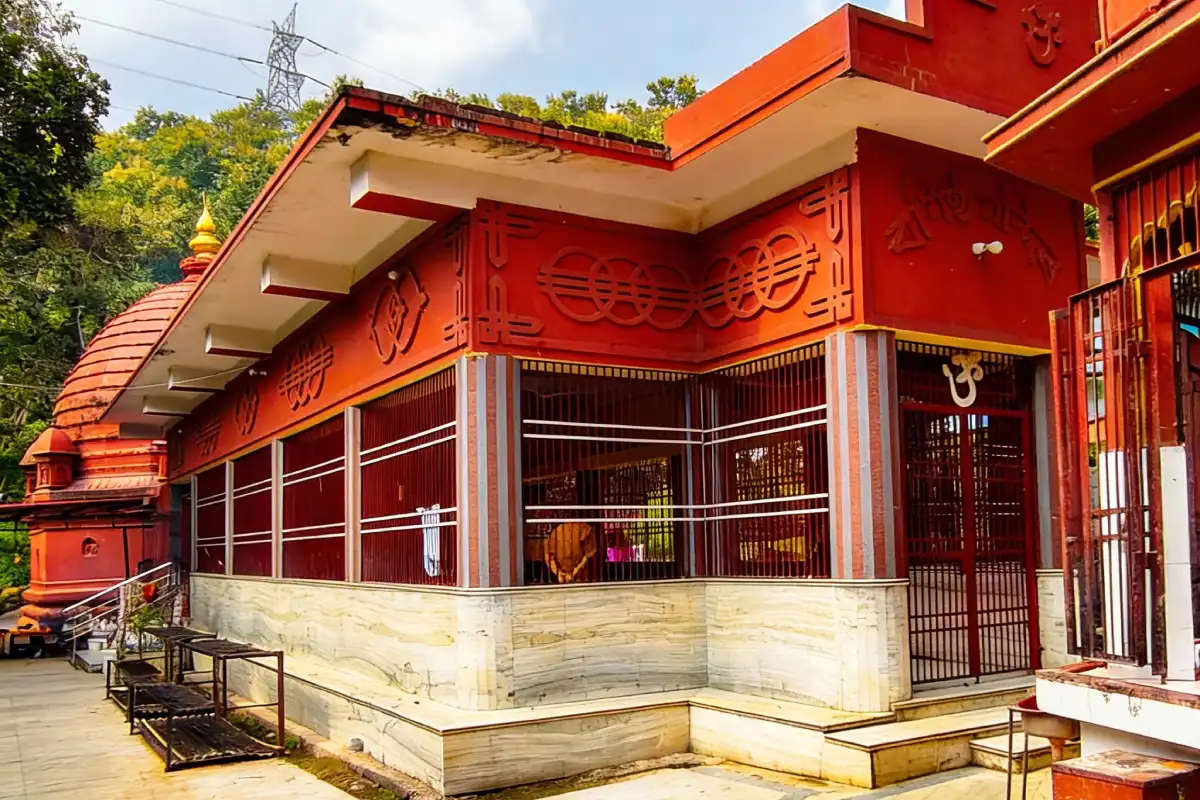
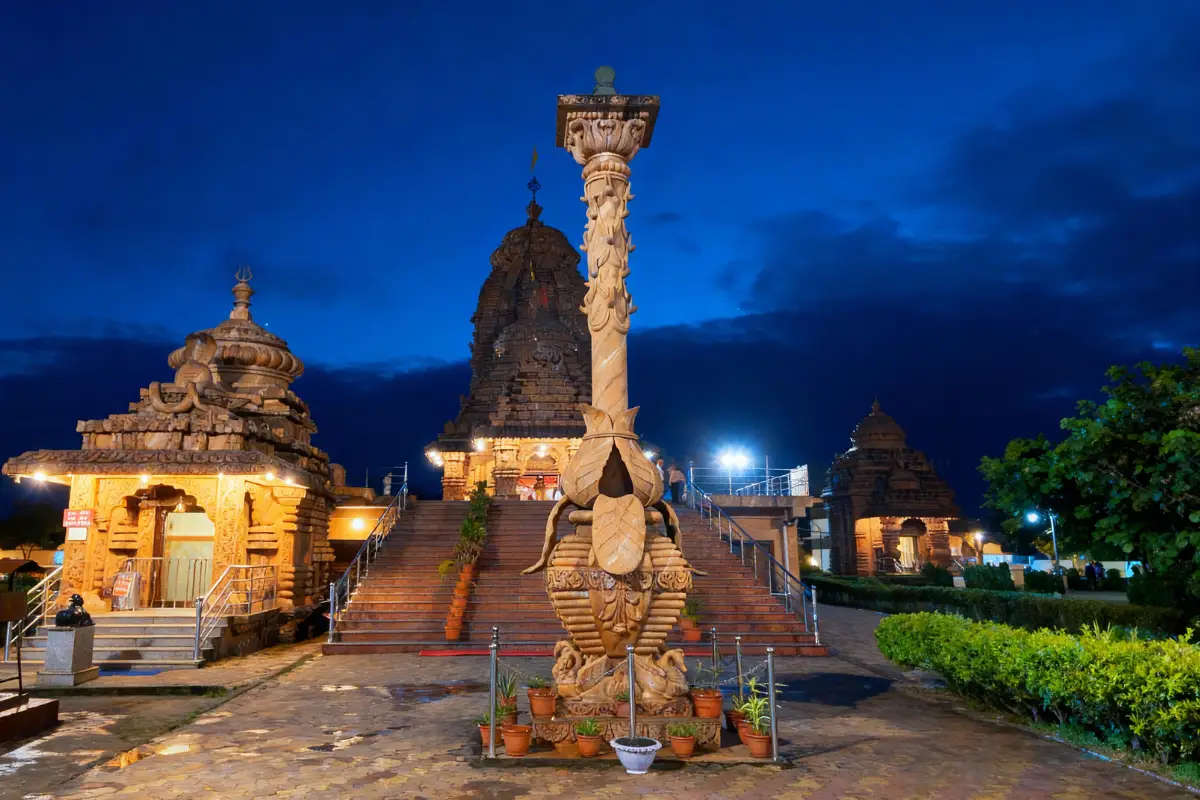
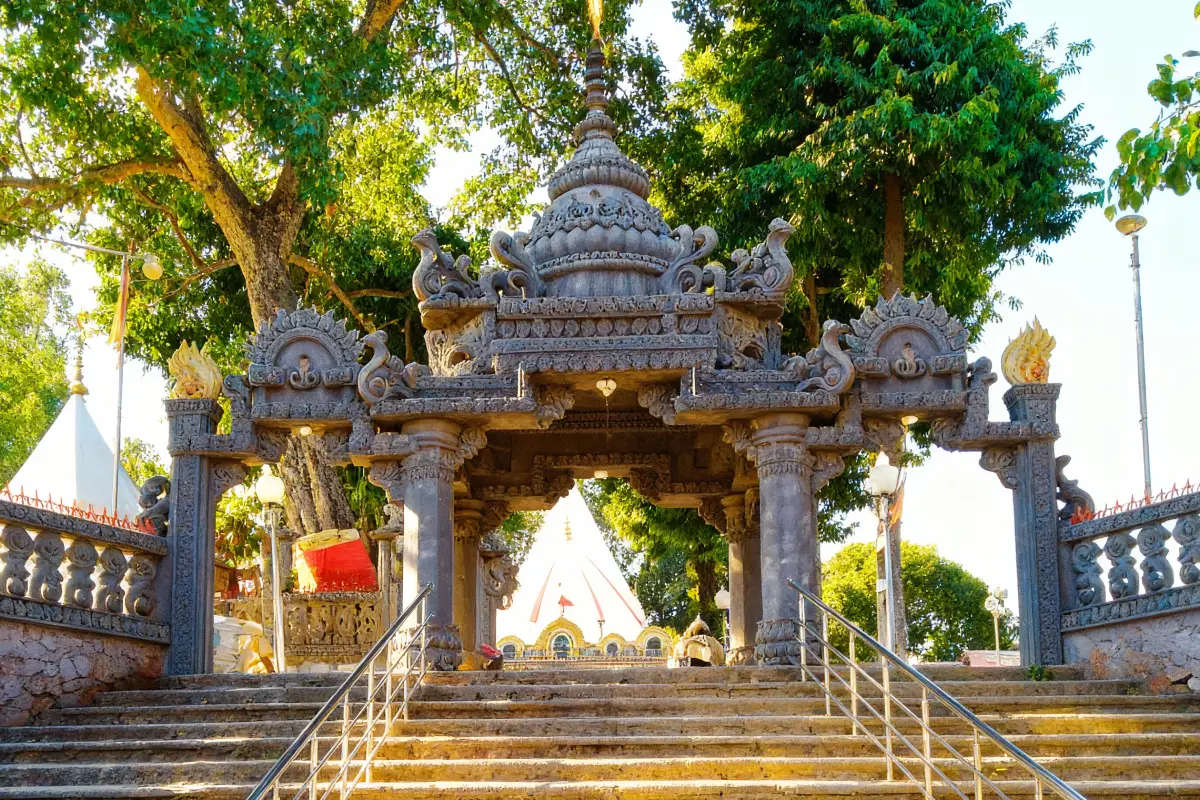
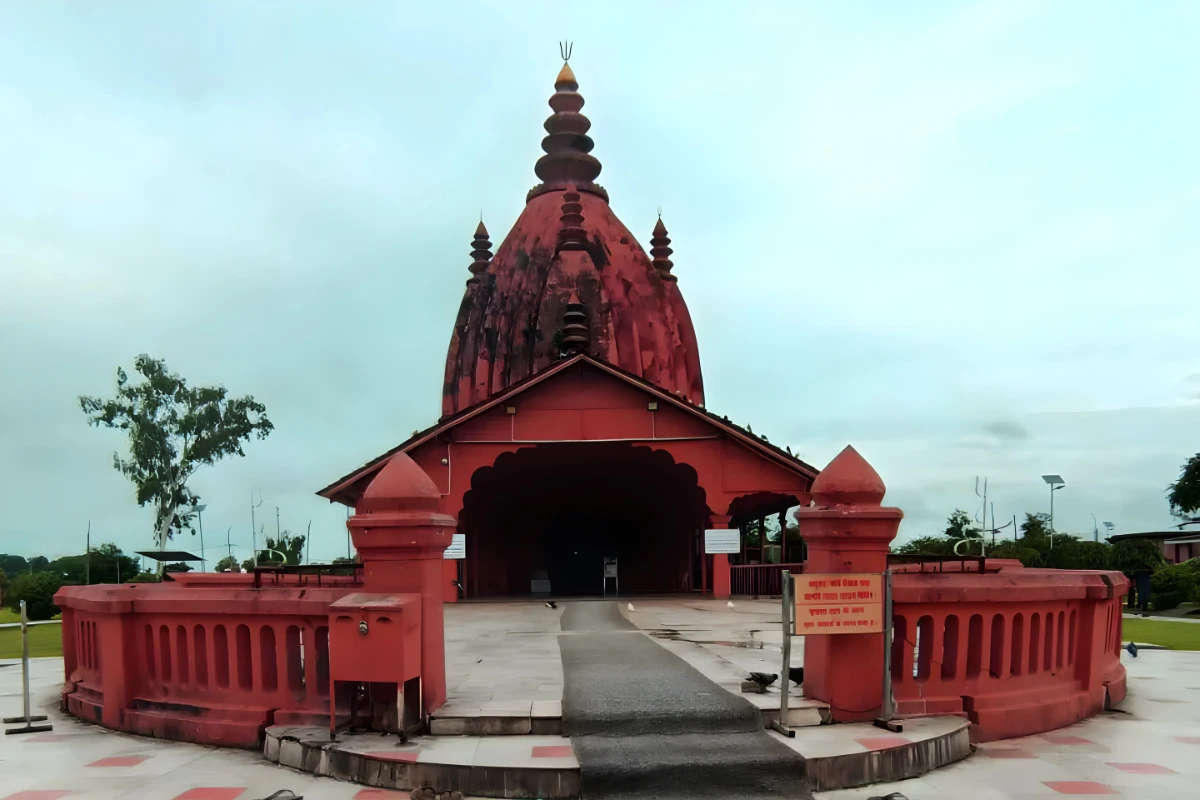
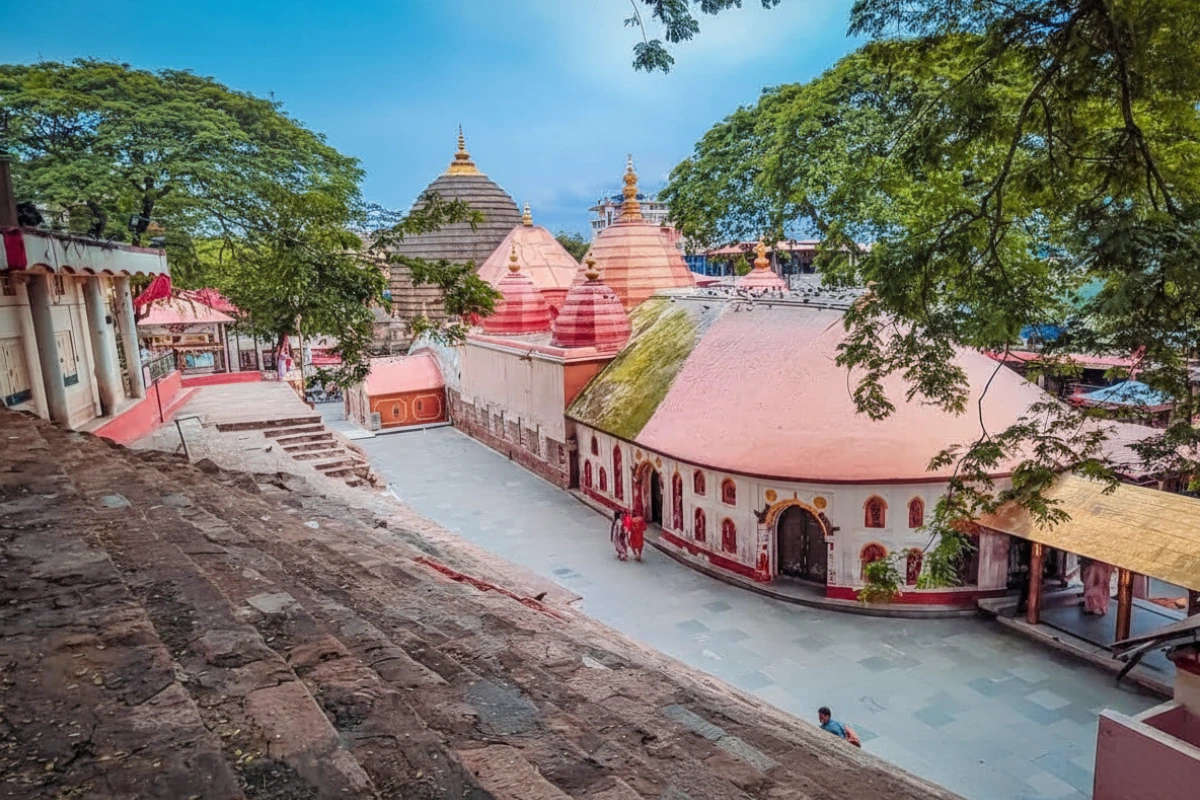
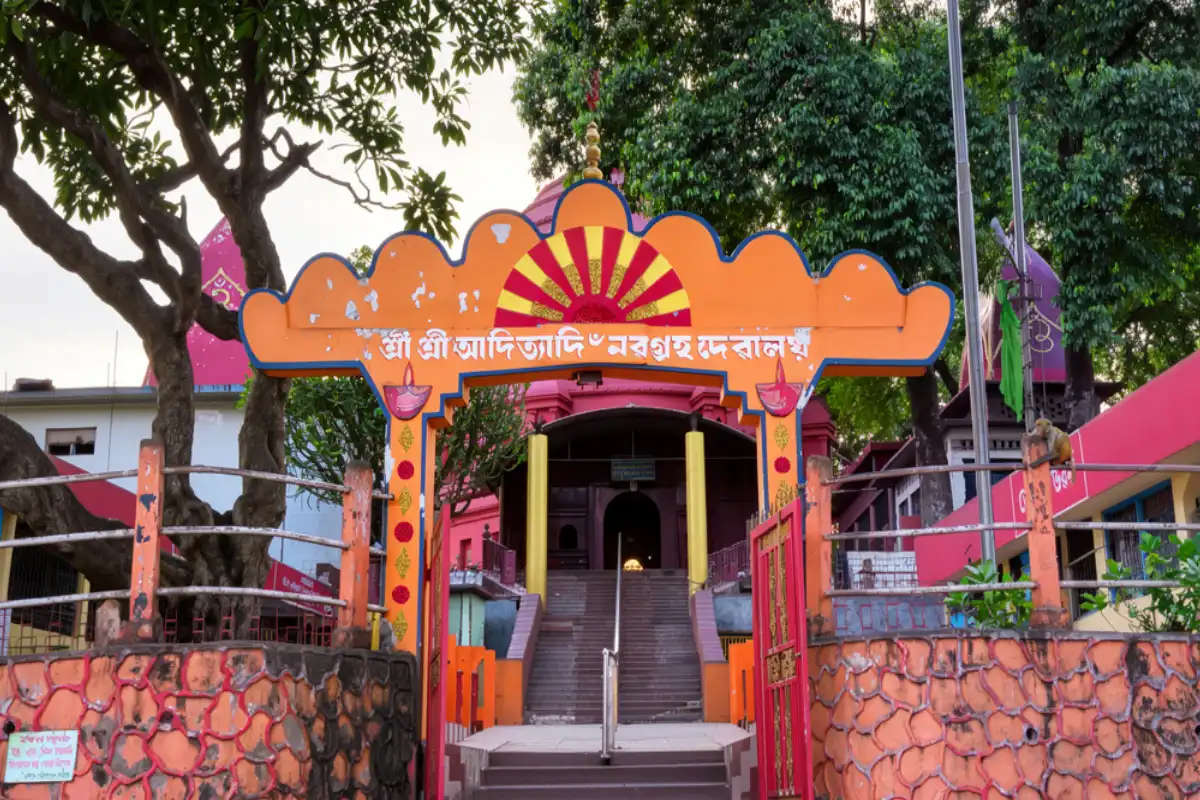
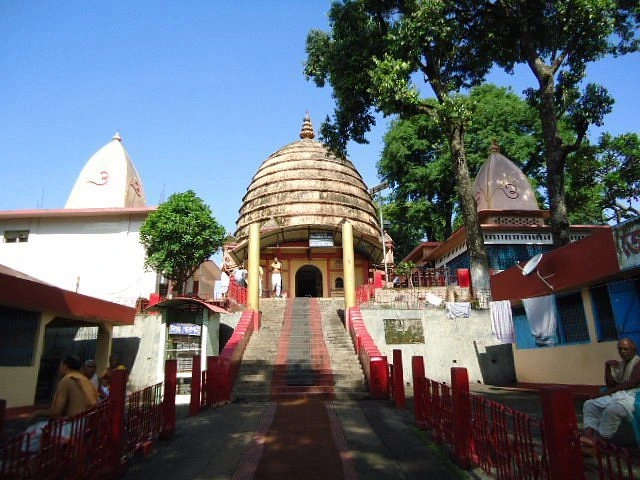
The Navagraha Temple seamlessly blends spirituality and tradition in its architecture. The temple reflects the rich cultural heritage of the Brahmaputra Valley. Built entirely of bricks, it showcases exquisite traditional craftsmanship. Inside, you will find Shiva lingas representing the Navagrahas. Statues of Ganesh, Shiva, Vishnu, and Lakshmi beautifully adorn the entrance. The outer walls feature intricate carvings of Vishnu’s Dashavatara and other deities.
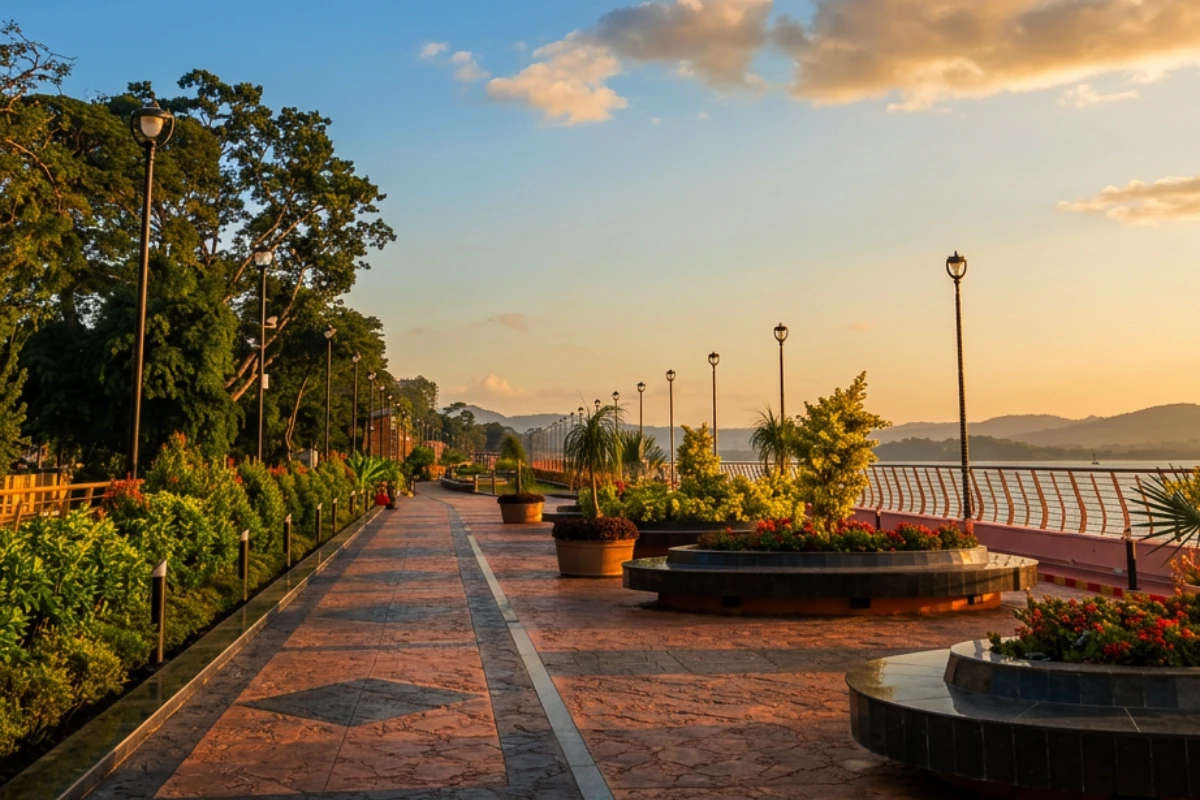
The Navagraha Temple, perched gracefully on a hill, offers beautiful panoramic views of Guwahati. From the temple premises, you can enjoy the serene scenery of the majestic Brahmaputra River. The view is particularly captivating during sunrise and sunset when the sky creates a mesmerizing canvas. This stunning backdrop enhances the temple’s spiritual atmosphere and attracts visitors seeking tranquility.
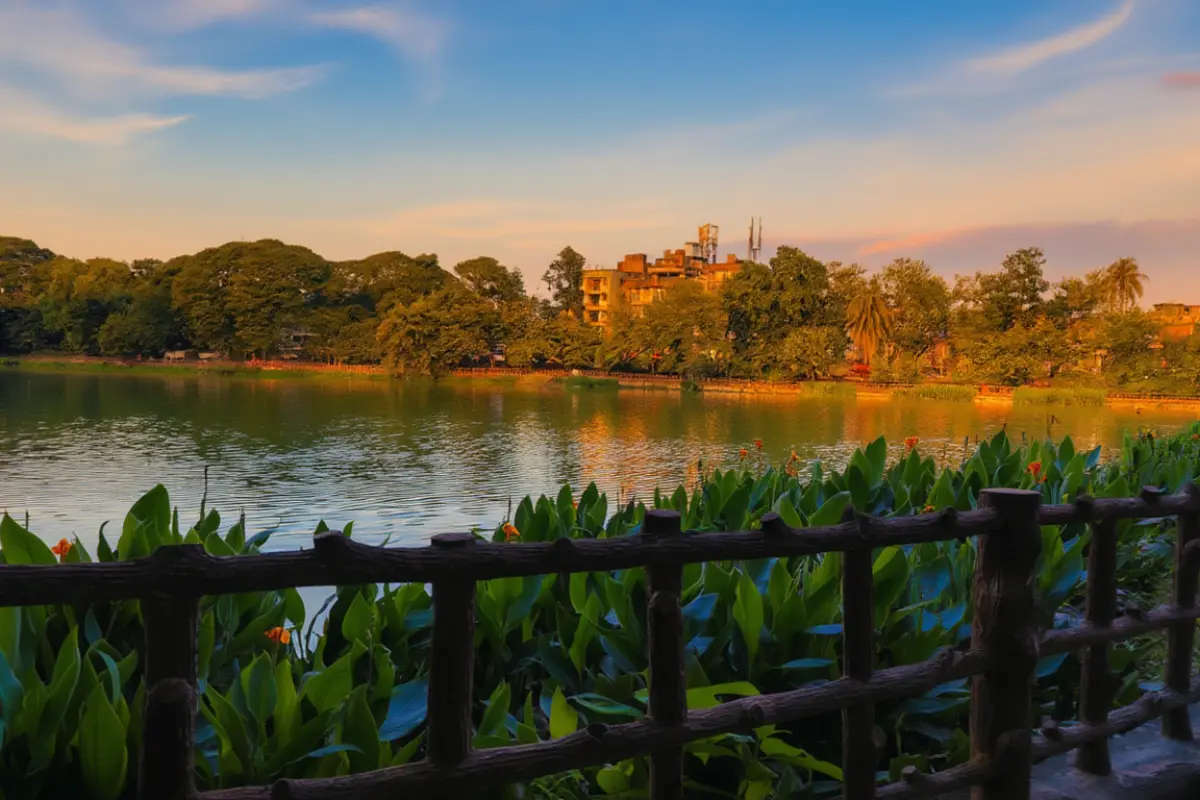
The natural surroundings of the temple are equally enchanting, with lush greenery adding to its charm. Around the temple, playful monkeys bring life to the area, entertaining visitors with their antics. Their presence creates a lively and cheerful atmosphere amidst the peaceful landscape.
The temple’s peaceful ambiance, coupled with its spiritual energy, provides a perfect escape from bustling city life. Every corner of the temple reflects tranquility, leaving visitors with an unforgettable experience that blends natural beauty with divine grace.
*Advertisement