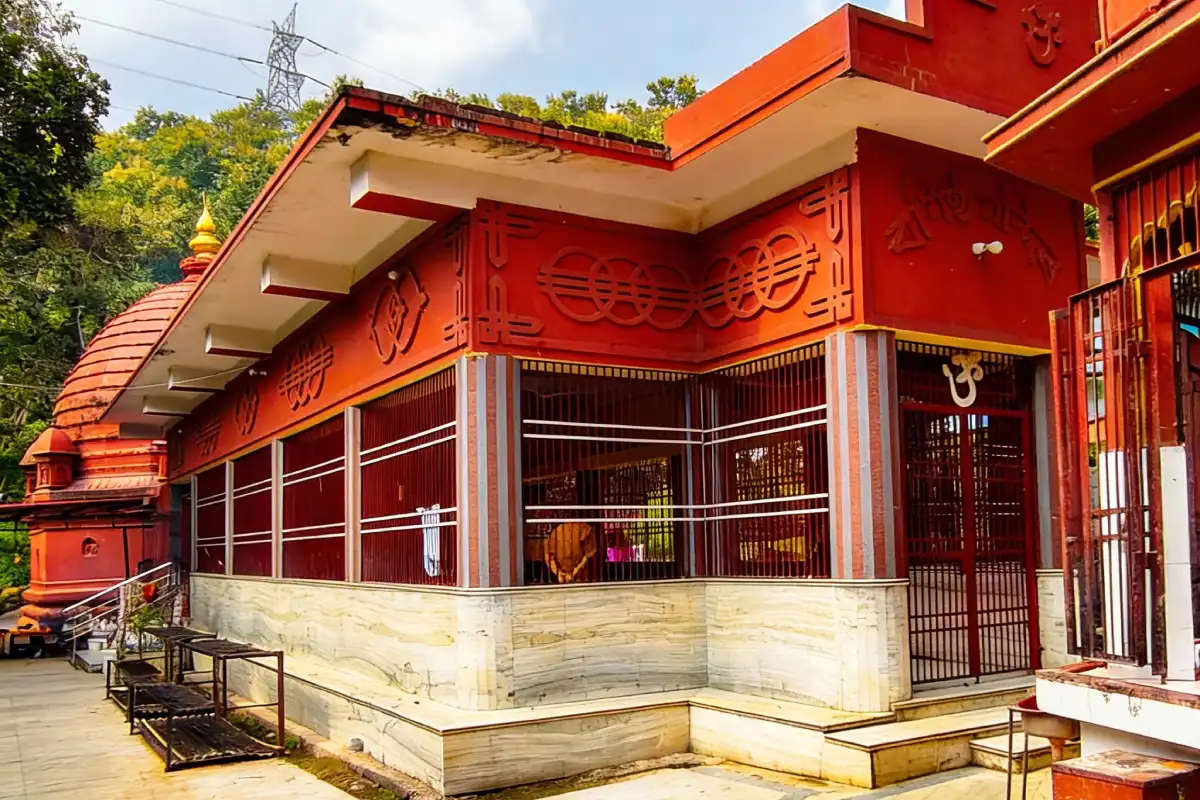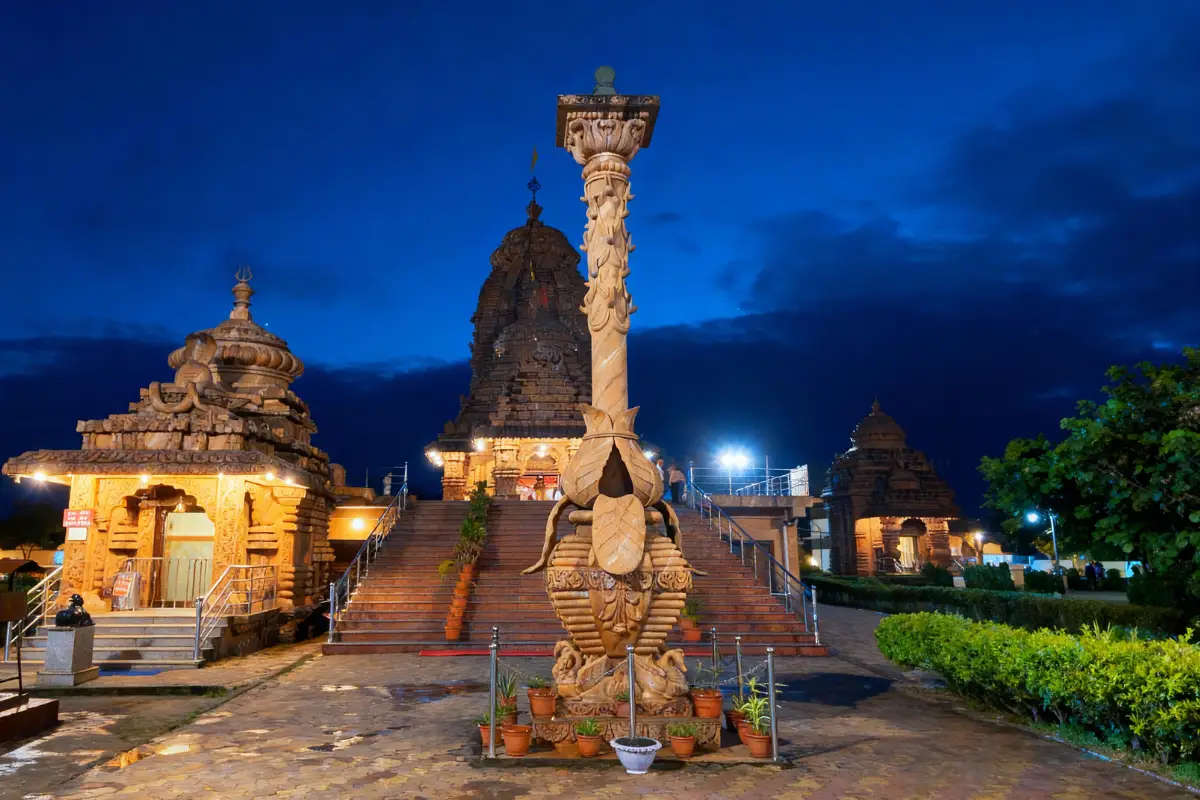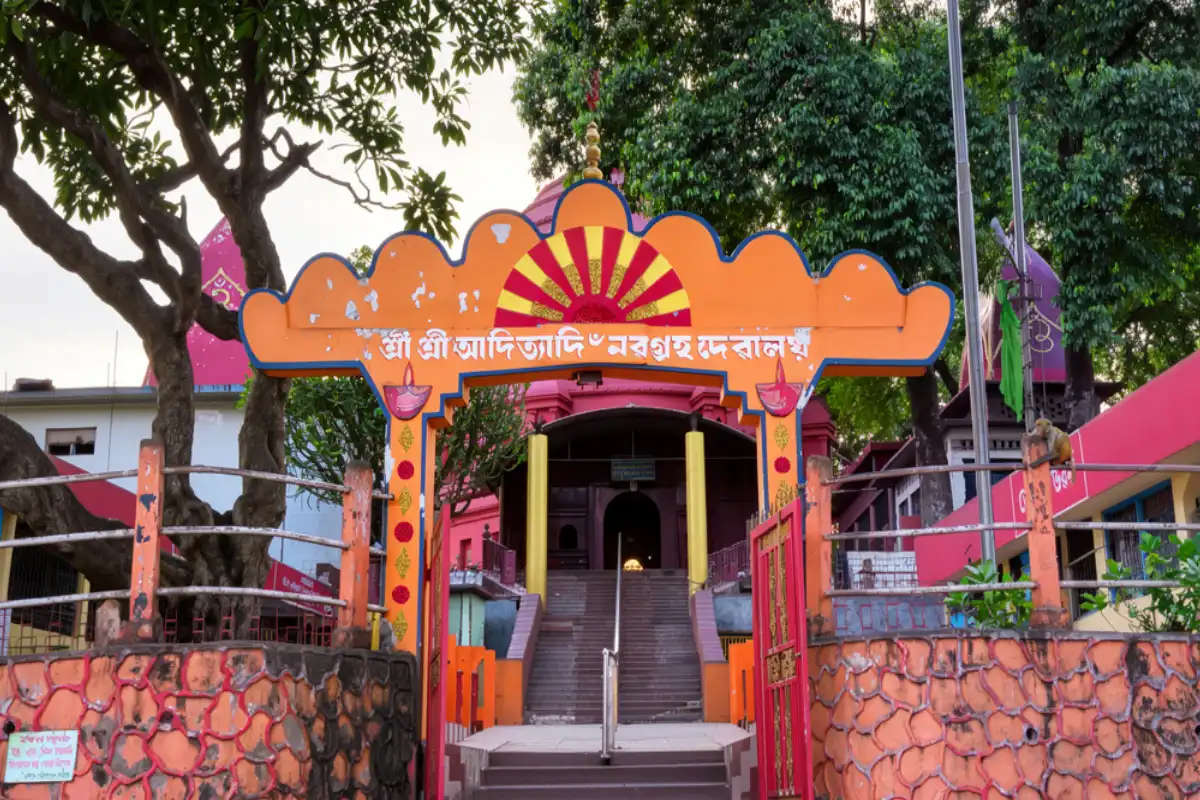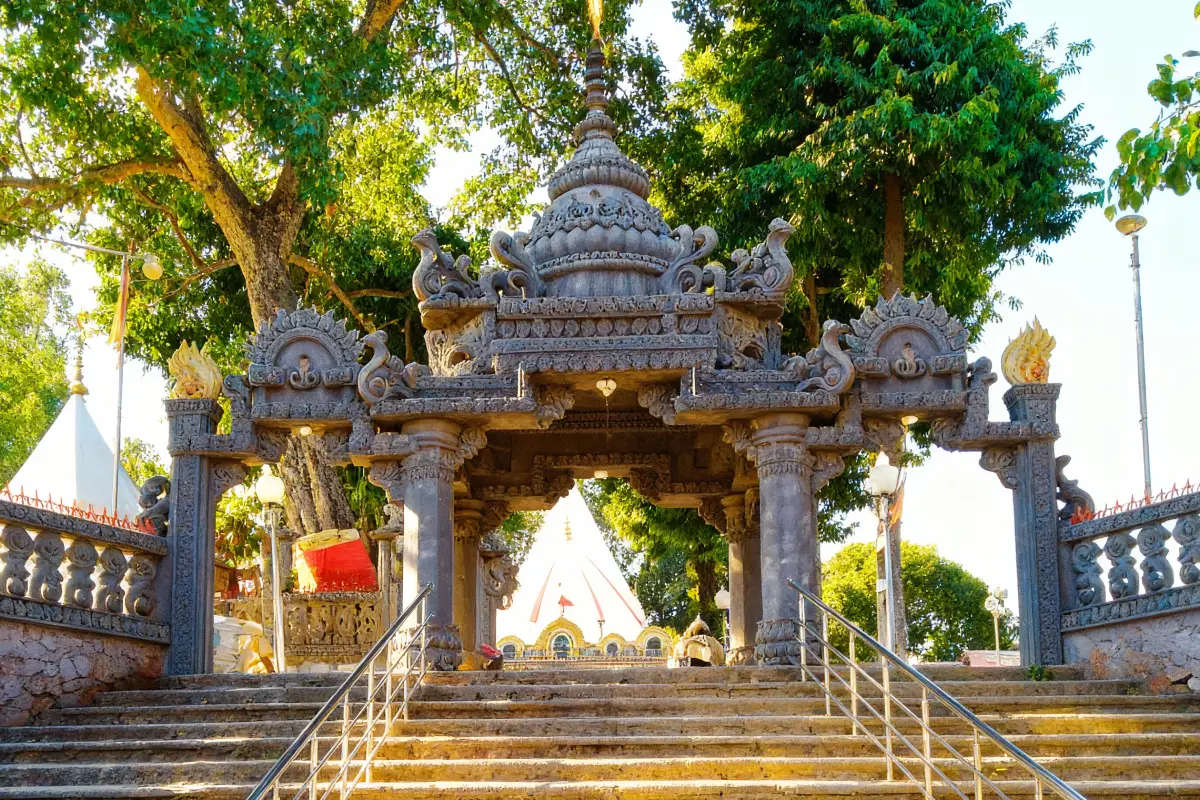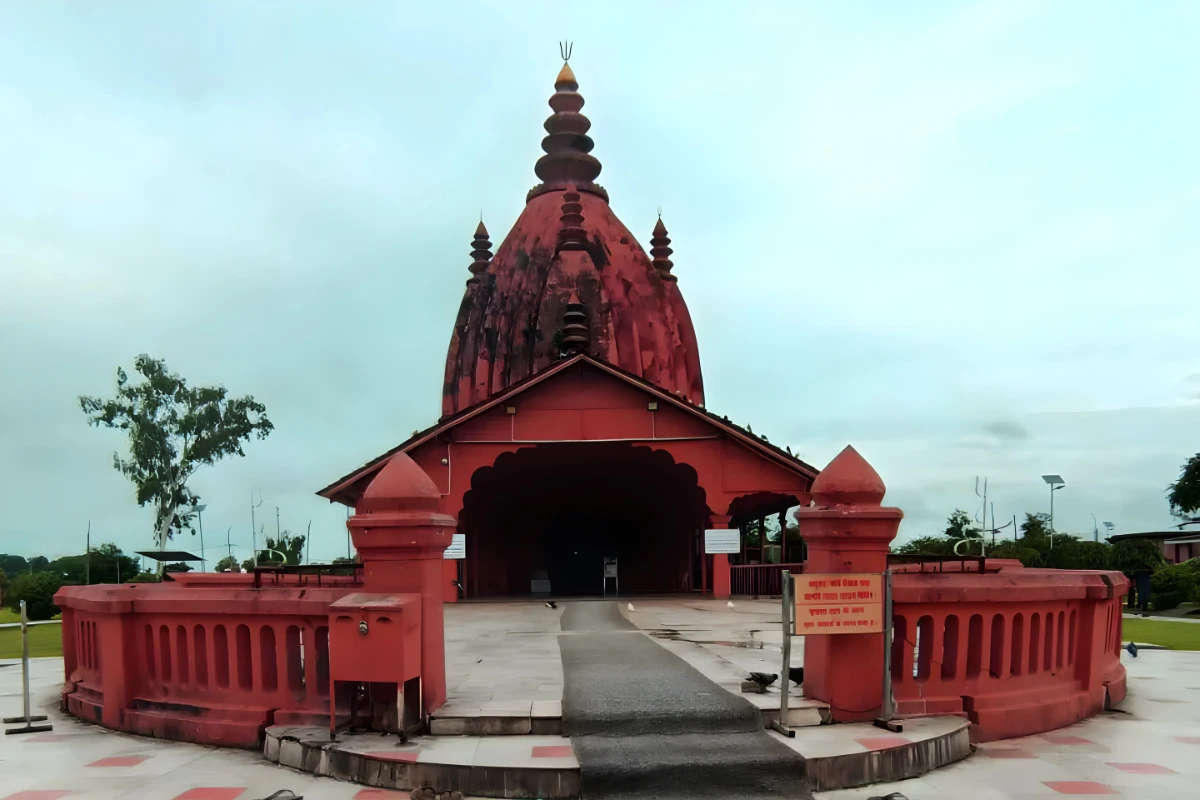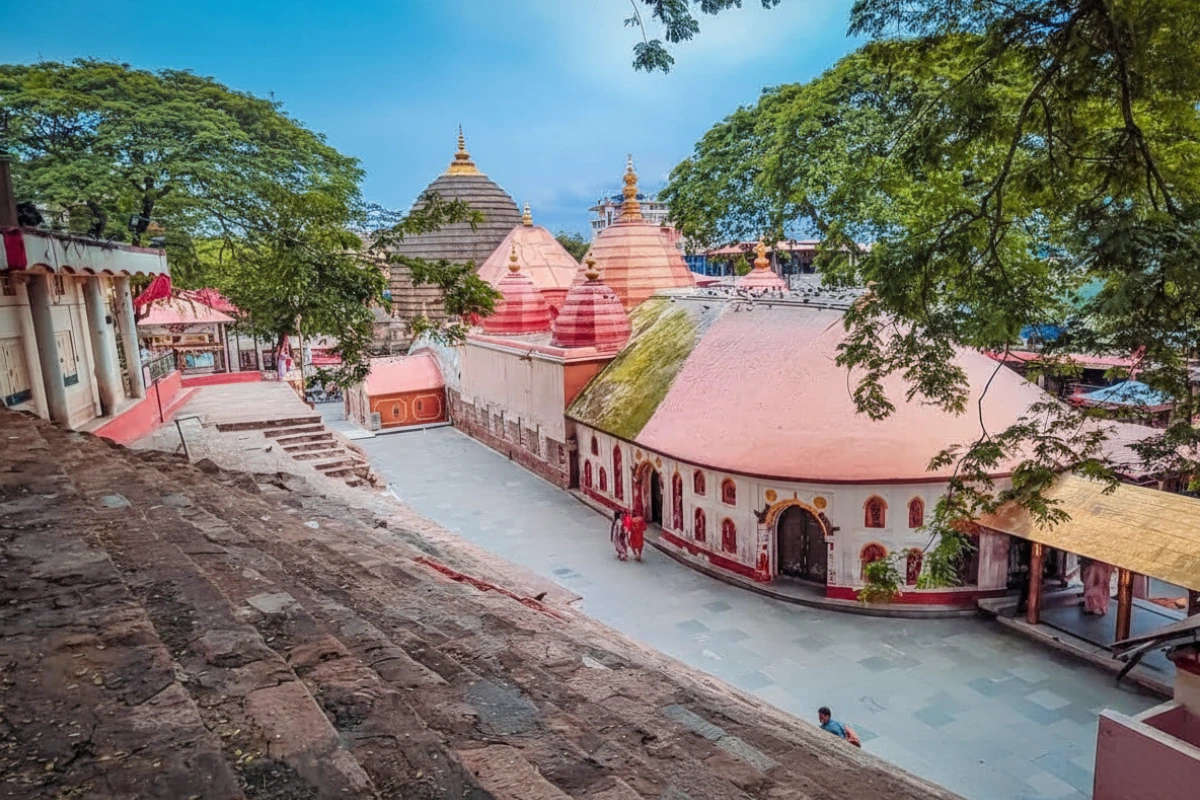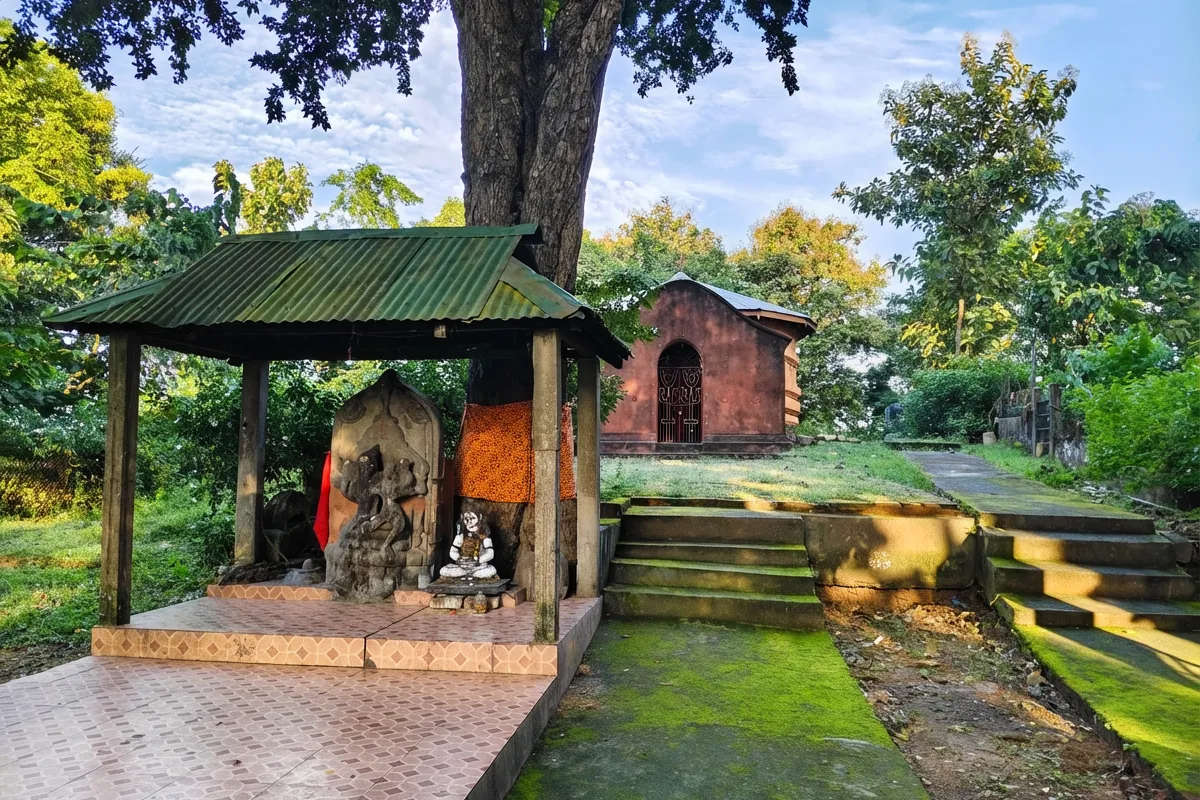
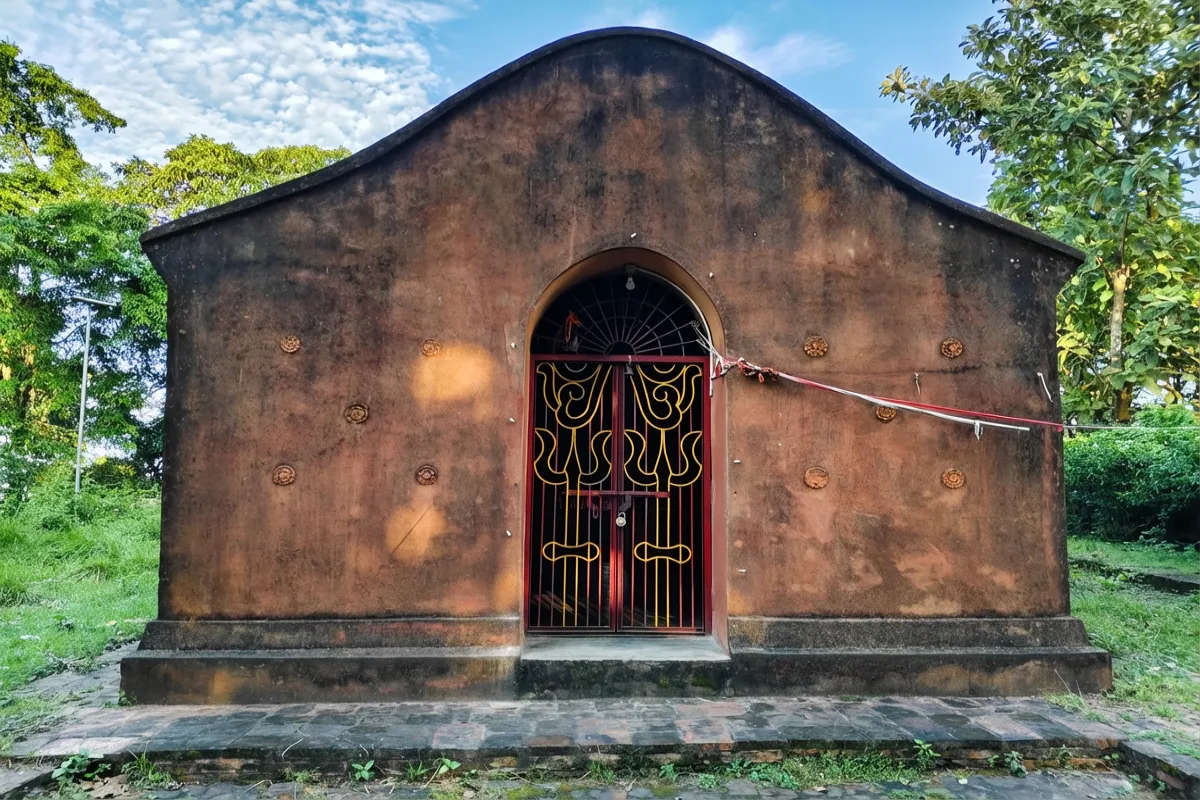
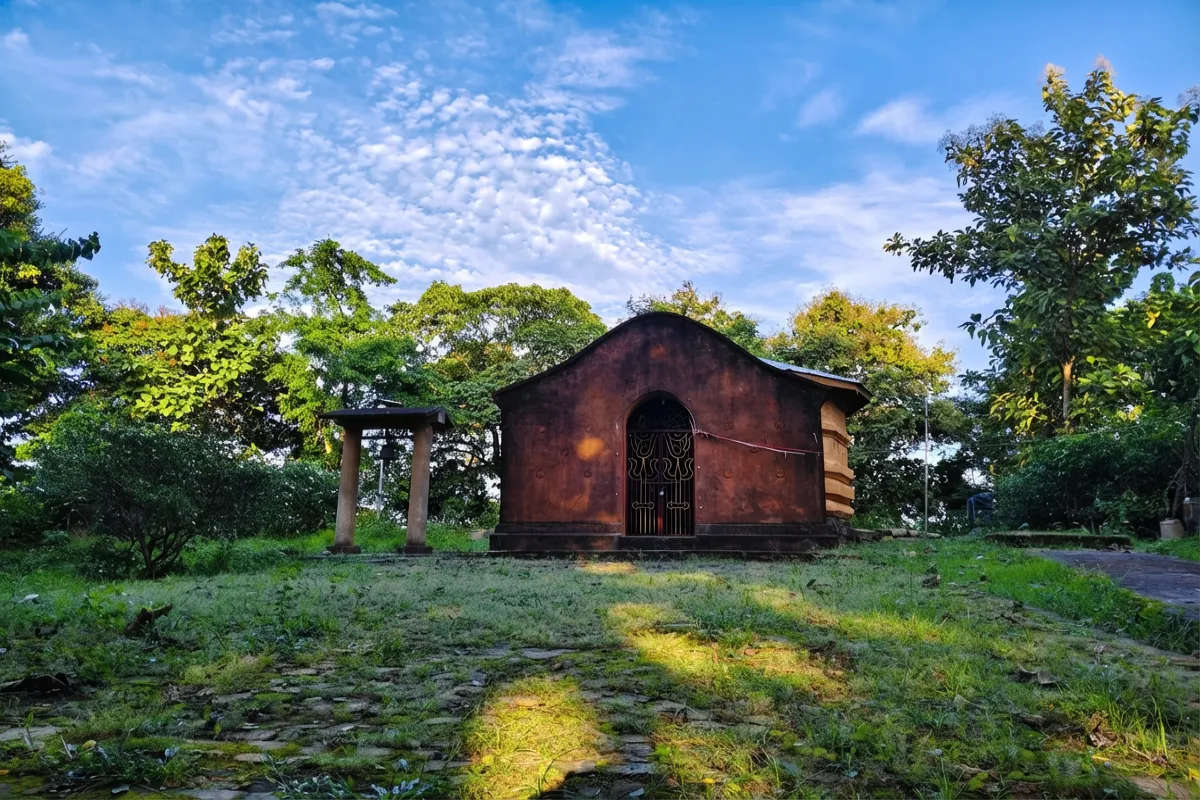


Manikarneswar Devalaya is a historical temple dedicated to Lord Shiva, located in North Guwahati on the scenic banks of the Subansiri River. The temple holds immense cultural and spiritual significance, attracting devotees, history enthusiasts, and tourists alike. Its serene riverside location adds to the peaceful atmosphere, making it an ideal spot for quiet reflection and spiritual connection.
The current brick structure of the temple was built in 1755 CE by Ahom King Rajeswar Singha, yet it preserves the ancient star-shaped foundation of an older stone temple dating back to the 10th–11th century. Visitors can admire the remnants of the original stonework, which showcase the unique architectural style of early Assam. Although the temple’s shikhara was damaged during the 1897 earthquake, it now remains protected under a tin roof.
Manikarneswar Devalaya is not just a place of worship but also a window into Assam’s rich historical and architectural heritage. Traditional rituals and vibrant festivals are celebrated here regularly, offering an authentic glimpse into local culture. The temple is easily accessible by road, though some narrow approach paths may require careful navigation, adding to the sense of adventure for travelers exploring this ancient site.
Spiritual Significance: Manikarneswar Devalaya is a sacred place dedicated to Lord Shiva, offering a serene and tranquil environment for devotees and visitors alike. The calm riverside location and quiet surroundings make it an ideal spot for meditation, prayer, and spiritual reflection. Visitors often feel a deep sense of peace and connection while exploring the temple premises or participating in traditional rituals.
History and Cultural Significance: The temple is an important cultural landmark that reflects Assam’s rich historical heritage. Built in 1755 CE by Ahom King Rajeswar Singha, it preserves the star-shaped foundation of an older 10th–11th century stone temple. The ancient stonework and distinctive architectural style offer a fascinating glimpse into early Assamese temple design. The temple also hosts traditional ceremonies and vibrant festivals, giving visitors a firsthand experience of the local culture and traditions.
Architectural and Scenic Appeal: Beyond its spiritual and historical importance, the temple impresses visitors with its unique star-shaped base and remnants of ancient craftsmanship. Though the original shikhara was damaged in the 1897 earthquake, the temple still stands as a testament to the resilience of Assam’s architectural heritage. Its riverside setting along the Subansiri River adds to its charm, providing scenic views and a peaceful atmosphere for photography, quiet walks, or simply soaking in the beauty of the surroundings.
Offer Prayers and Participate in Rituals: Devotees can perform traditional pujas and observe daily rituals dedicated to Lord Shiva. Visiting during festivals like Maha Shivaratri provides a vibrant cultural experience.
Explore Ancient Architecture: Admire the unique star-shaped foundation of the original stone temple and the remnants of 10th–11th century stonework. History enthusiasts can study the blend of ancient and Ahom-era architectural styles.
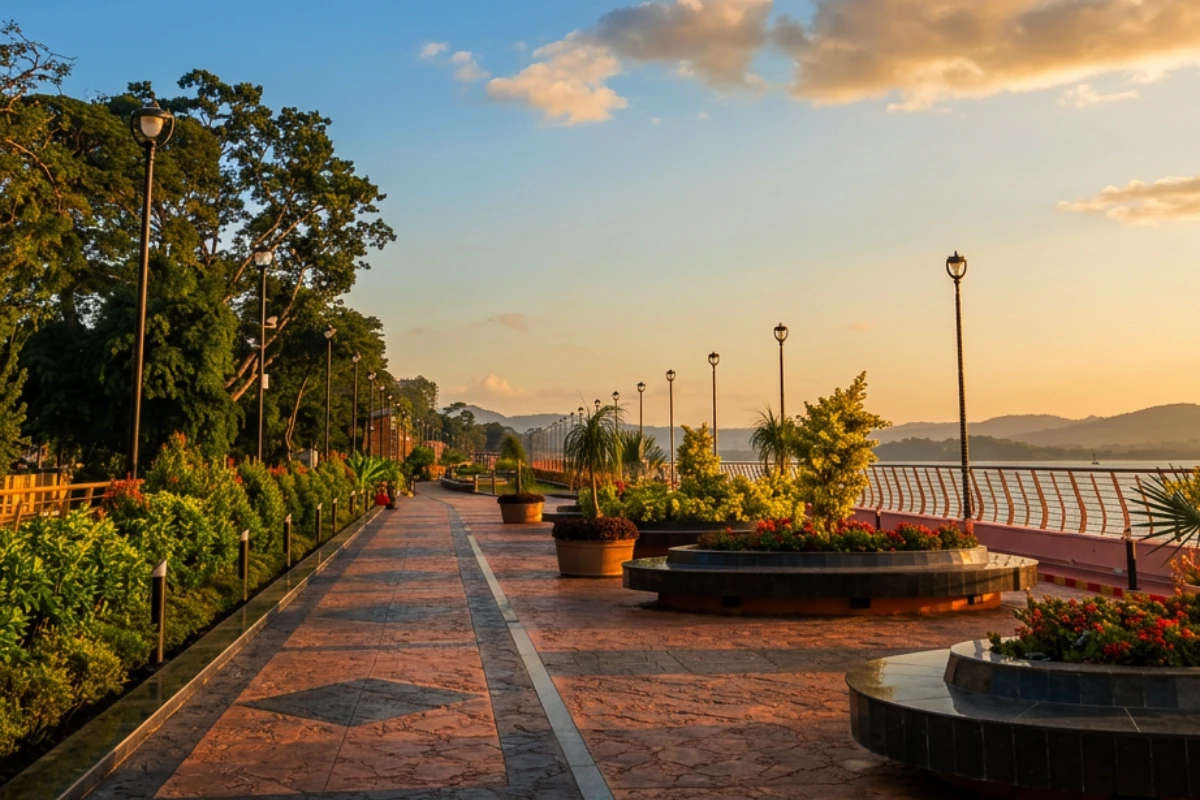
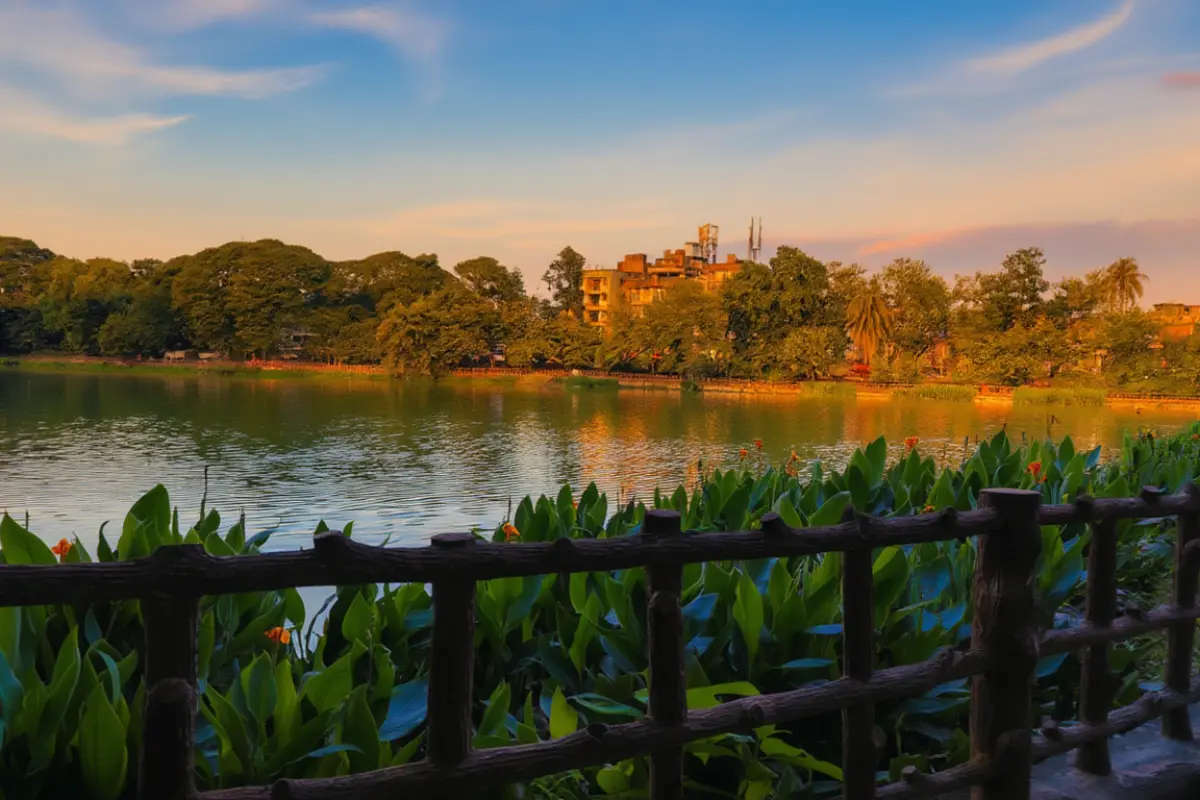
Photography and Scenic Views: Capture the serene riverside surroundings along the Subansiri River. The peaceful landscape and historic temple architecture make it ideal for photography and quiet contemplation.

Distance From Guwahati City : 23 Km via road, 4 Km via ferry.

Nearest City: Guwahati (23 Km)

Nearest Railway Station: Guwahati Railway Station (25 Km)

Nearest Bus Stoppage: Amingaon Bus Stop(11 Km)

Nearest Airport: Guwahati International Airport(29 Km)
Manikarneshwar Devalaya Can be reached via ferry from Guwahati Ferry Terminal and via road from Amingaon Bus Stop.
In Winter when Brahmaputra water level is low.
*Advertisement