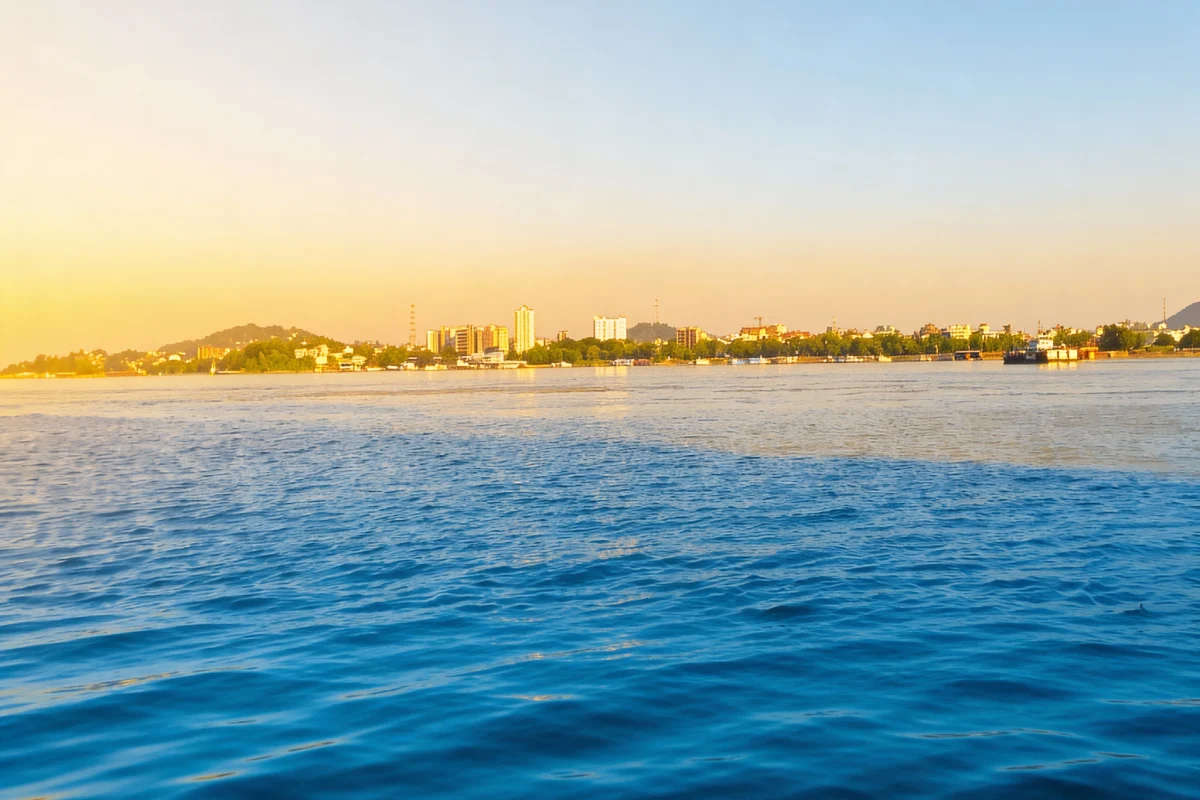
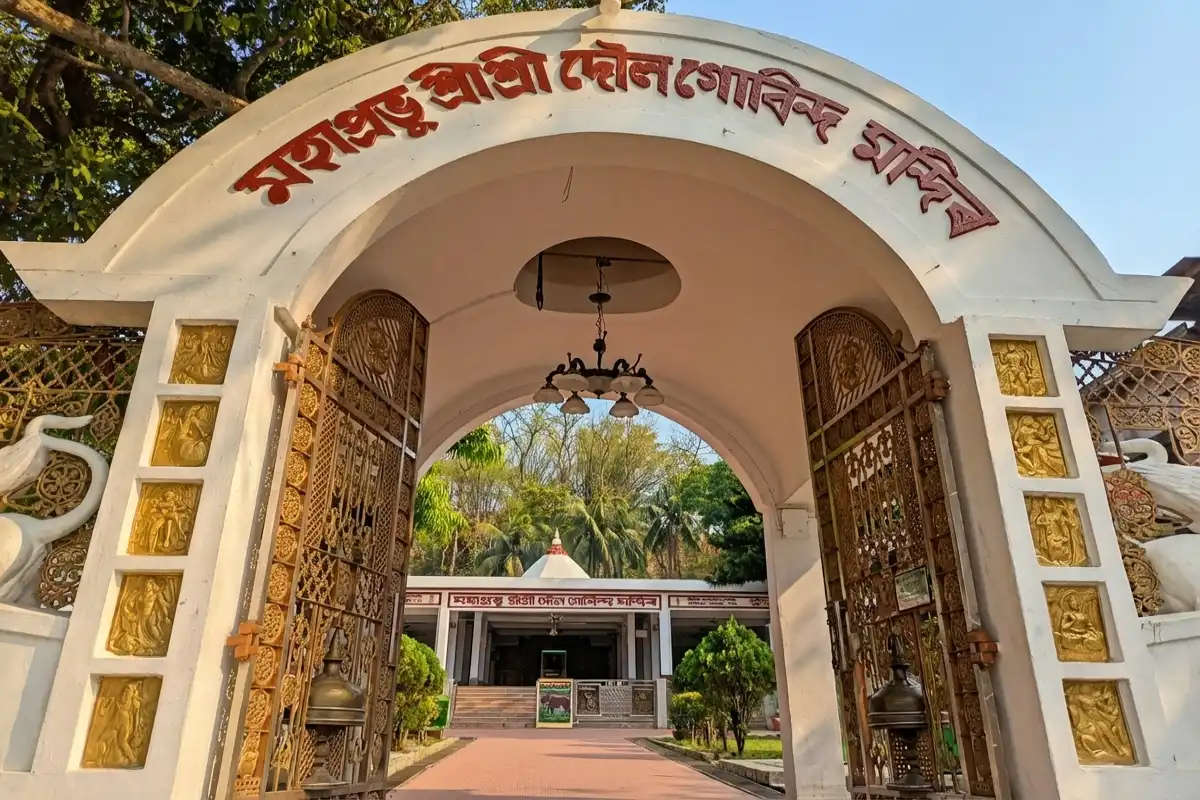
North Guwahati is an emerging destination in Assam, located on the northern bank of the mighty Brahmaputra River. It is well connected to South Guwahati through the historic Saraighat Bridge, making travel between the two sides smooth and convenient. The southern bank of the Brahmaputra hosts Guwahati city, while North Guwahati offers a quieter and more scenic contrast.
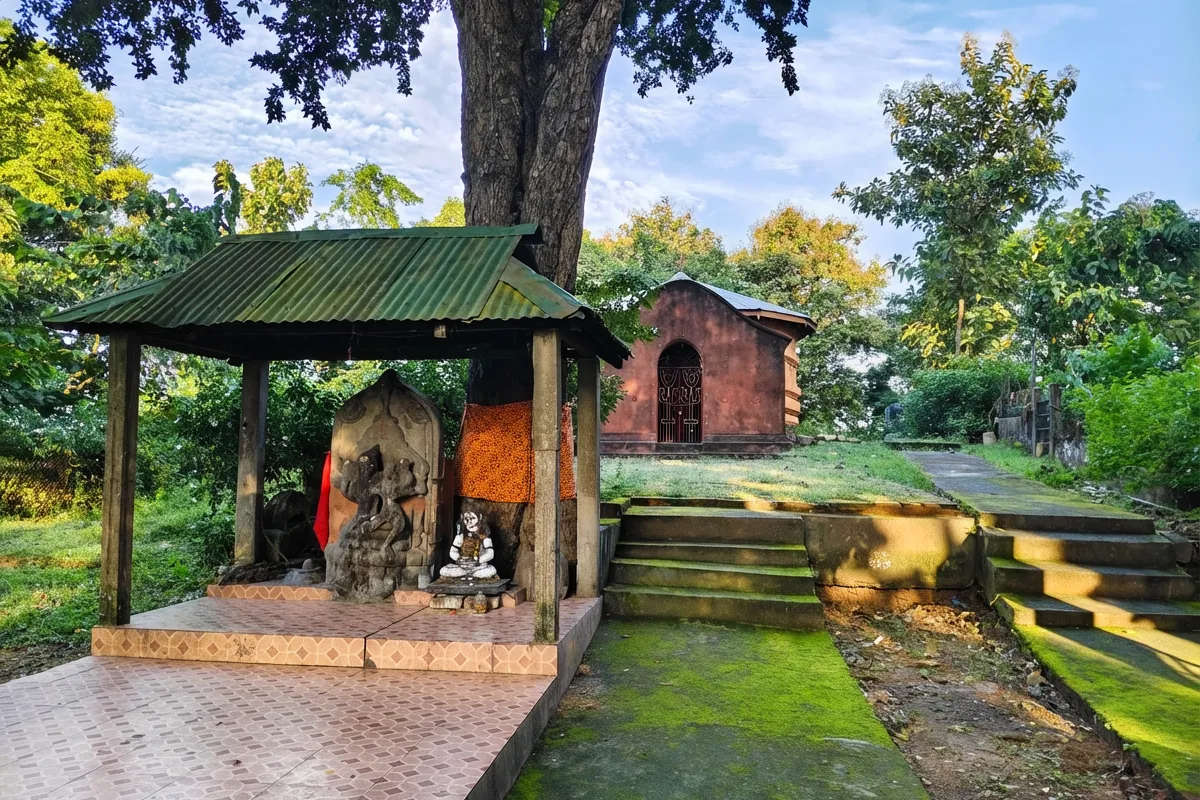
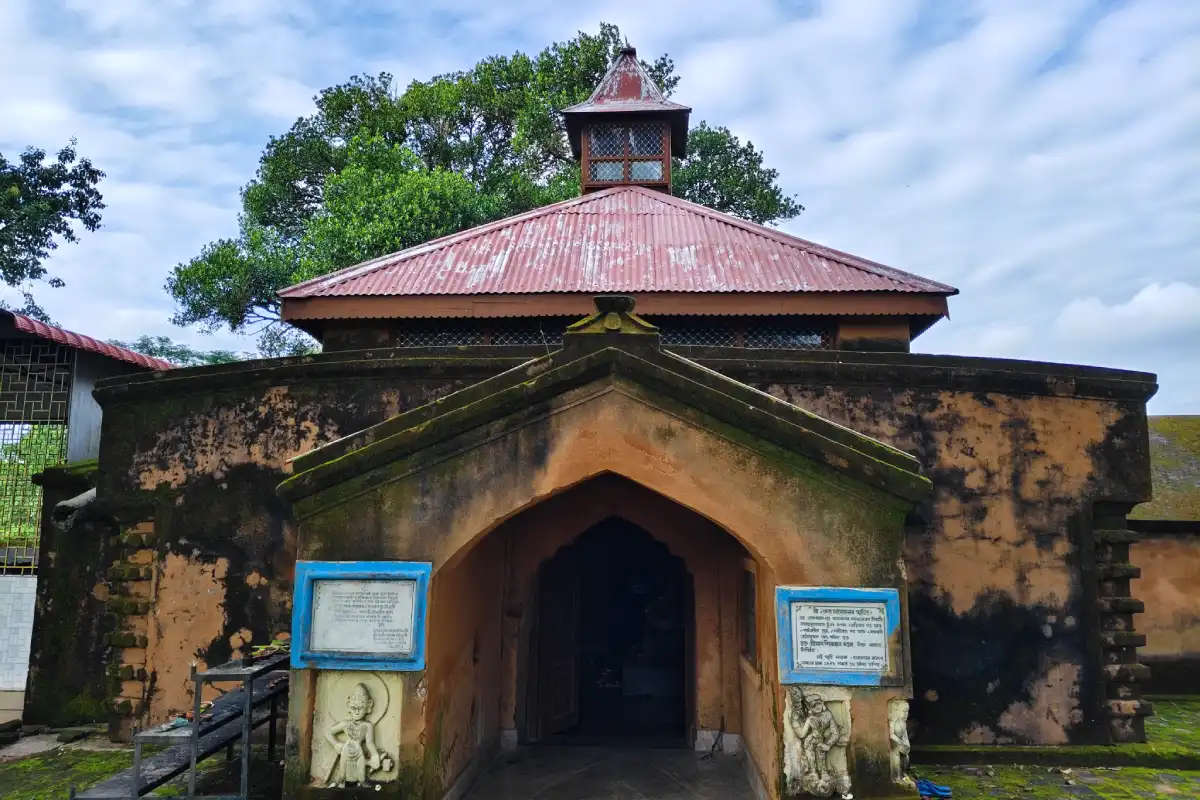
Traditionally known for its spiritual and historical importance, North Guwahati is home to ancient temples such as the Dirgheswari Temple, the Ashwaklanta Temple, and the revered Madan Kamdev Temple etc. These sites highlight the region’s deep cultural roots and strong Vaishnavite heritage, attracting pilgrims and history enthusiasts alike.
With a blend of heritage, natural beauty, and modern growth, North Guwahati is gradually emerging as a promising tourism destination in Assam. It offers visitors a unique experience where history, spirituality, and riverside tranquillity come together.
North Guwahati holds strong cultural importance in Assam due to its religious landmarks, archaeological heritage, and growing institutional presence. The area reflects a unique blend of spiritual traditions, ancient history, and modern cultural development.
One of the key cultural attractions of North Guwahati is the Doul Govinda Temple, which draws devotees throughout the year and becomes a major centre of celebration during religious festivals. The temple plays an important role in preserving local beliefs and community traditions. Ashwaklanta Temple, located along the Brahmaputra, further adds to the spiritual and cultural identity of the region.
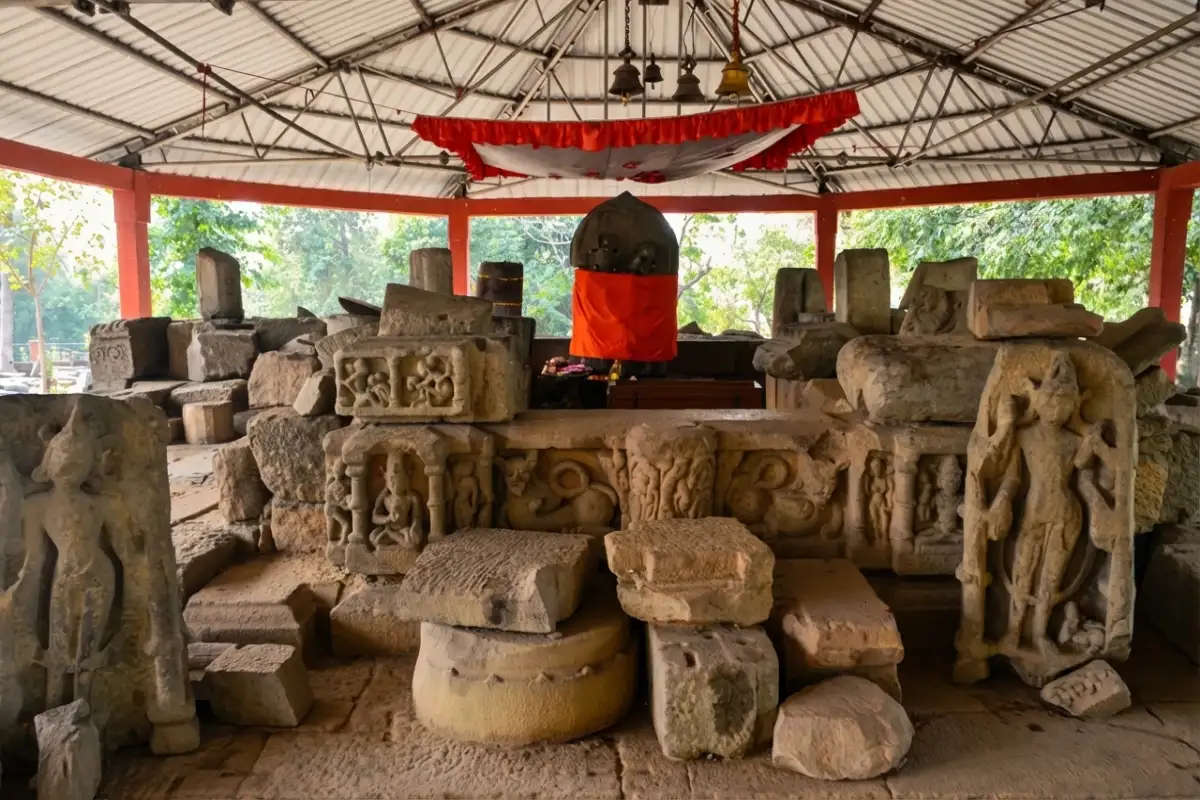
North Guwahati is also known for the Madan Kamdev, one of the most prominent archaeological sites of Assam, which highlights the region’s ancient artistic and cultural legacy. The ruins, sculptures, and temple remains reflect early architectural styles and contribute significantly to Assam’s archaeological importance.
Alongside its religious and historical sites, North Guwahati is developing as a cultural space through various educational, sports, and social institutions. These institutions support learning, talent development, and community engagement, especially among the younger generation.
Traditional customs, local festivals, and community gatherings continue to shape everyday life in North Guwahati. Despite modern growth and urban expansion, the area maintains a strong cultural connection rooted in spirituality, heritage, and social harmony. This balance makes North Guwahati culturally significant and distinct within the Guwahati region.