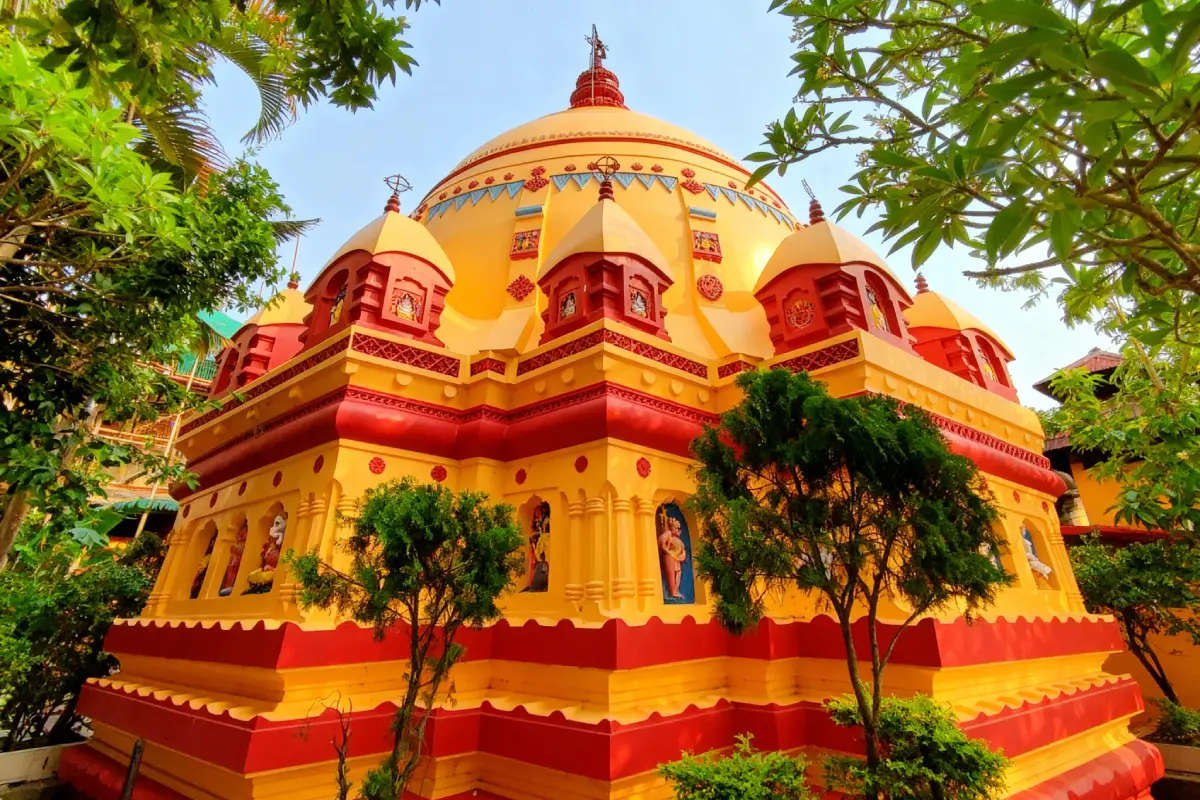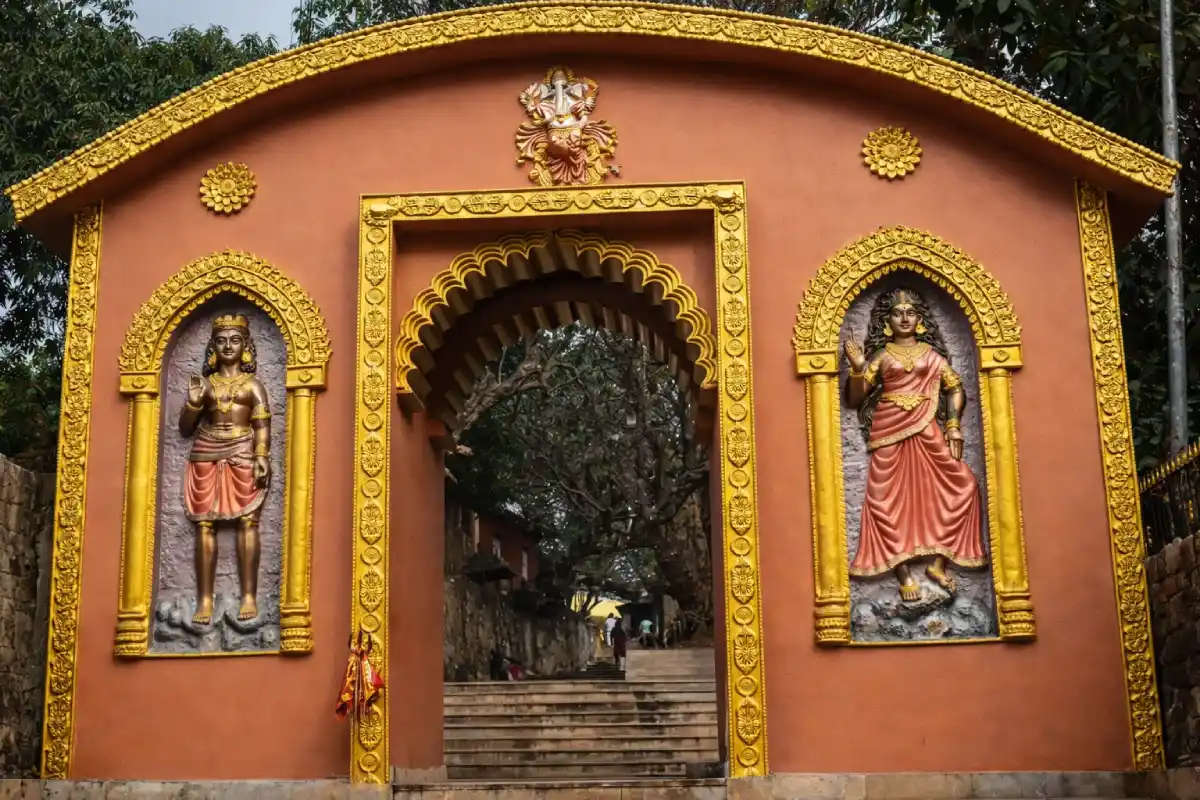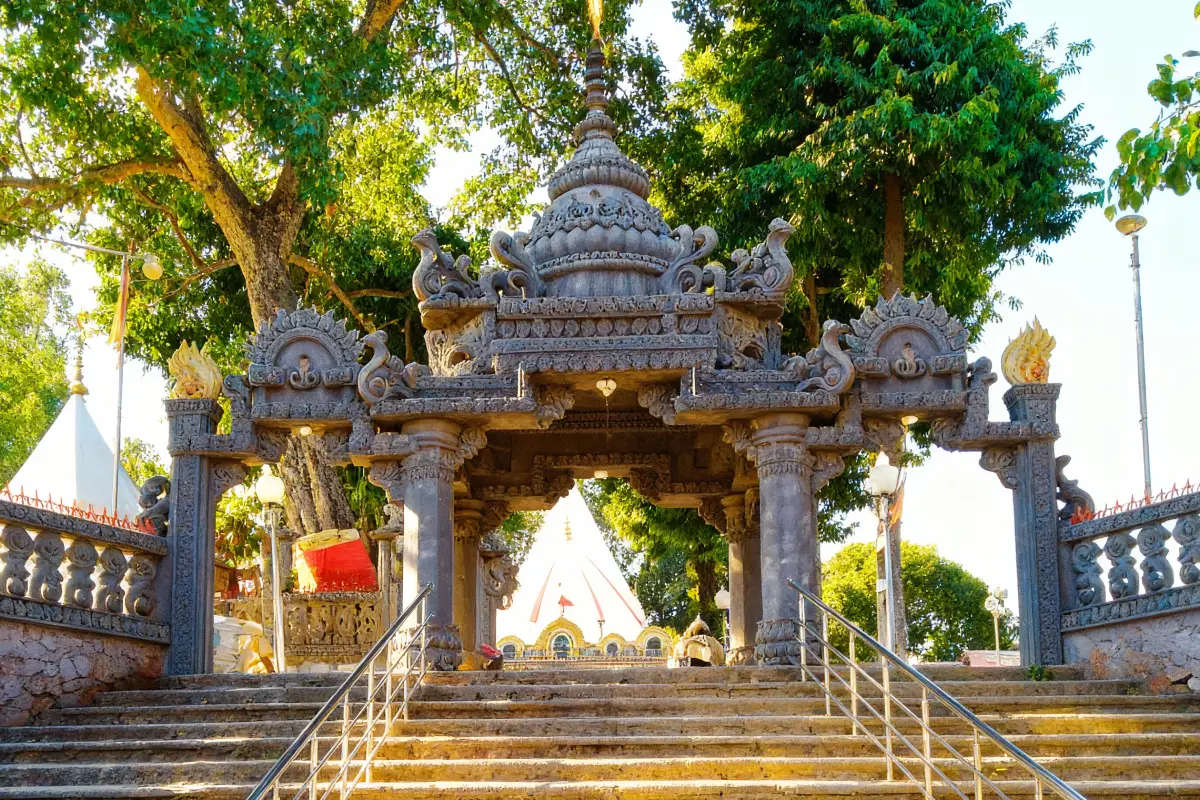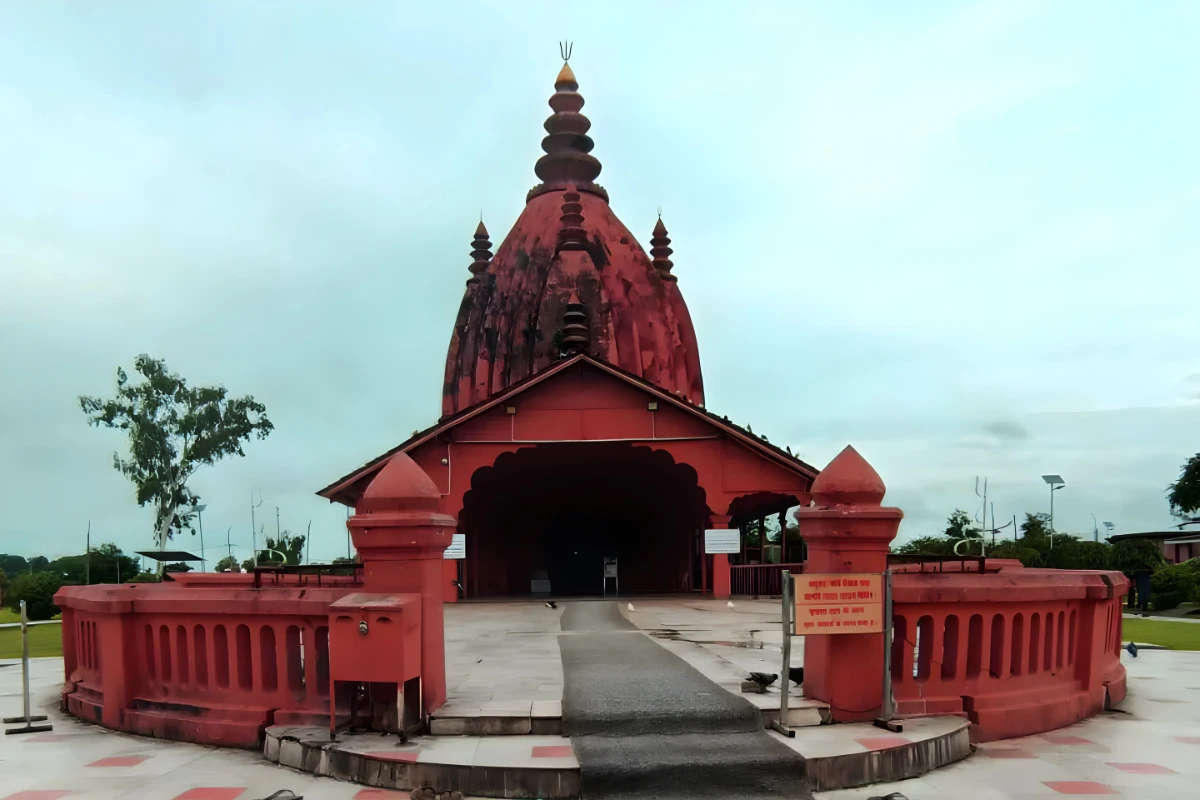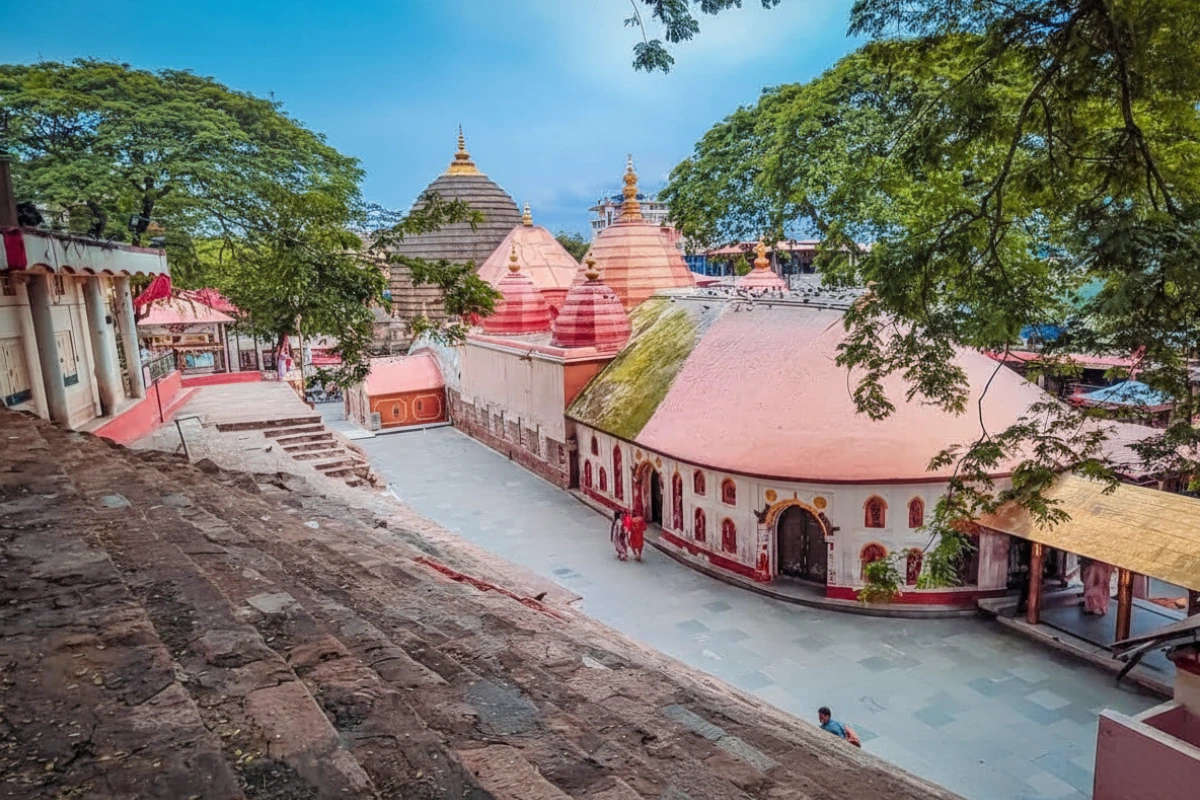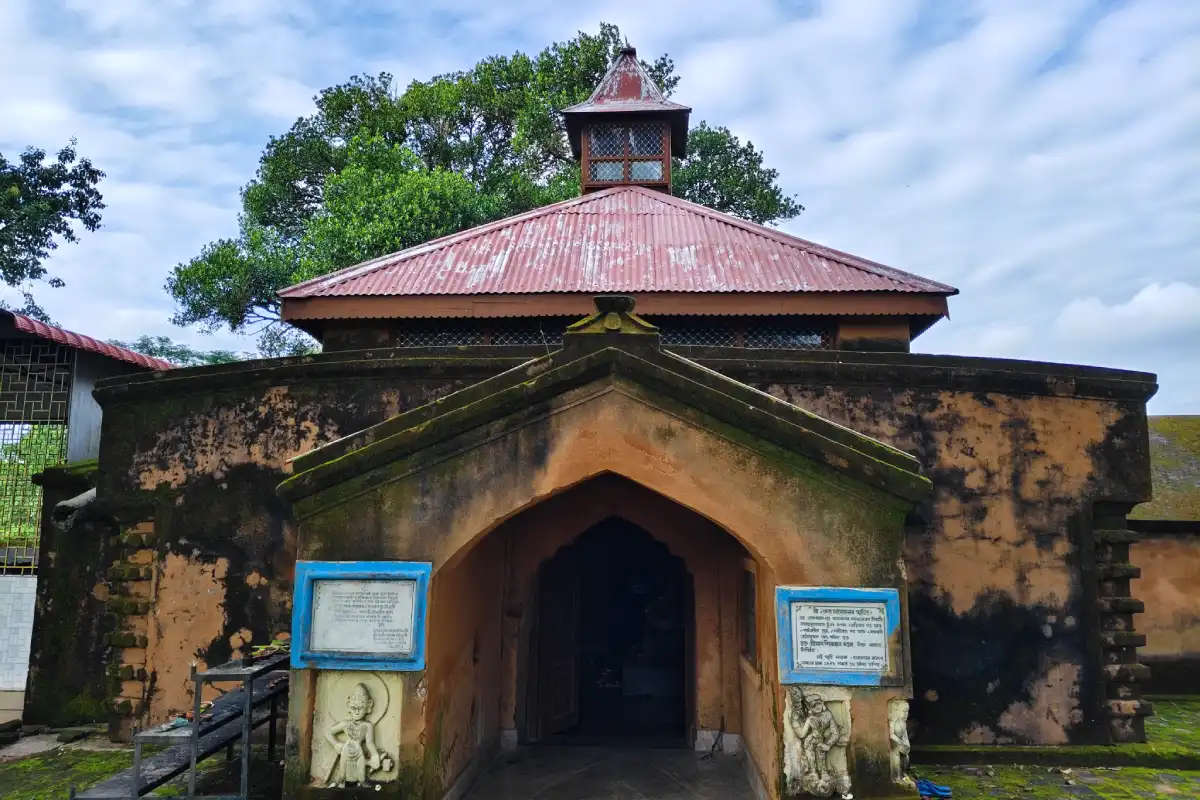


North Guwahati, the former capital of the historic Kamrup kingdom, was once considered a unique center of architecture and sculpture. The Aswakranta Devalaya, also known as the Aswaklanta Temple, is situated on a small hill called Ashrakut, located on the banks of the mighty Brahmaputra River.
Aswaklanta Temple is a historic temple in North Guwahati, associated with legends from the Mahabharata era. Dedicated to Lord Vishnu, this temple holds stories from the Mahabharata period. The temple is a blend of natural beauty, history, and devotion. It attracts both devotees and tourists, symbolizing devotion, heritage, and architectural splendor.
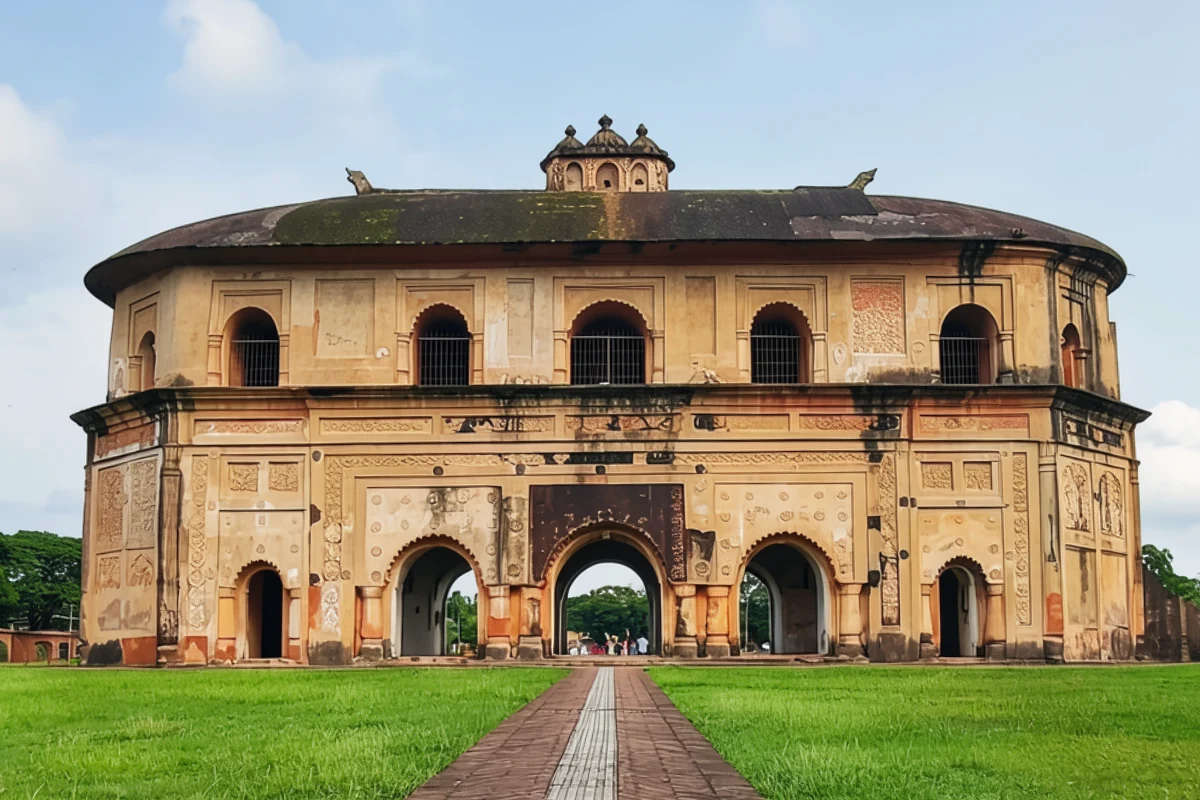
Built under the royal patronage of the Ahoms, this historic Aswaklanta Temple reflects Assam’s rich heritage. It was constructed in 1720 AD during the reign of Swargadeo Siva Singha, an important Ahom ruler. The temple complex consists of two main shrines located at different heights of the hill. The first, the Kurma-Janardhana Temple, located at the foothill near the southwest bank of the Brahmaputra, creates a serene riverside ambience. The second, Ananta Saini Vishnu Temple, stands atop the hill, enhancing the spiritual aura of the site.
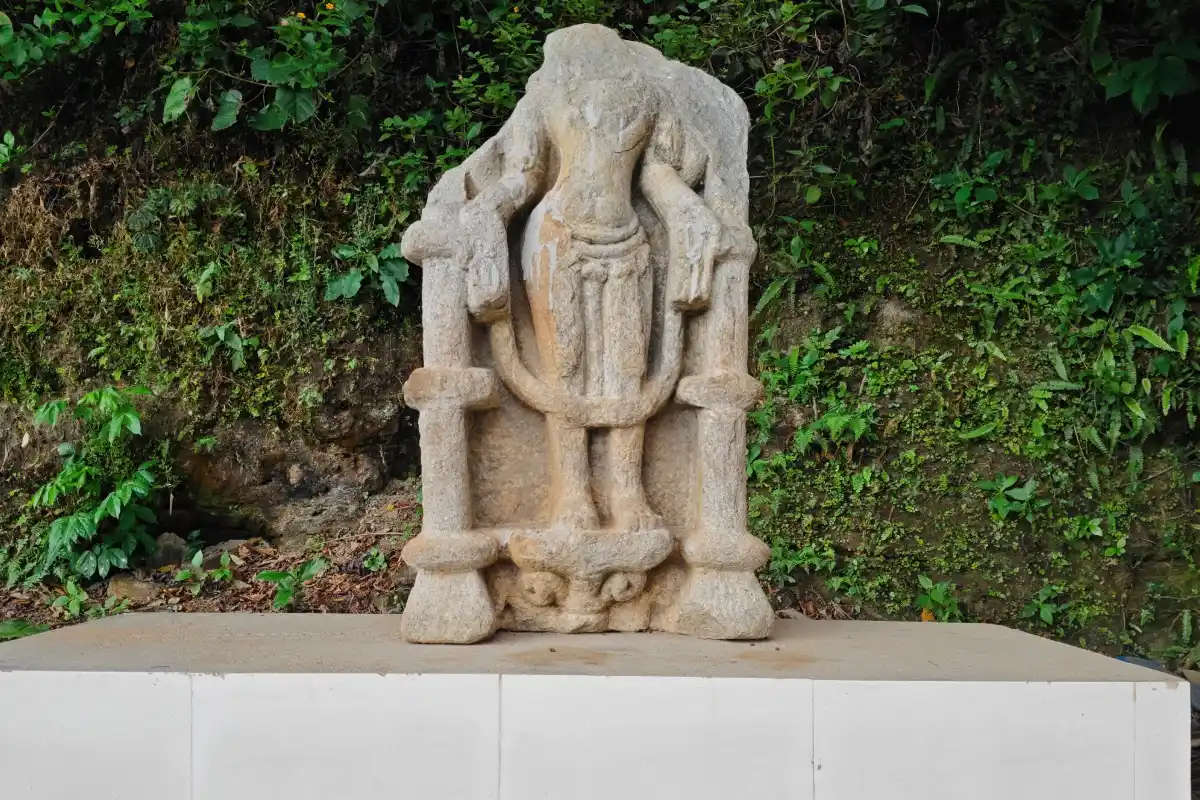
Both temples are regarded for their spiritual value and are dedicated to Lord Vishnu. One shrine features a rock-cut image of Lord Vishnu in his eternal sleeping form. The presence of two Vishnu idols in one temple complex makes Aswaklanta a unique and sacred pilgrimage site. Besides the temples, the site also includes two rock-cut caves, adding to its historical and mystical charm. Their presence further enhances the significance of the temple, attracting both devotees and history enthusiasts.
Apart from its architectural and historical significance, Aswaklanta Temple is also mentioned in Yogini Tantra. According to the Kamrup Buranji, this pilgrimage site is located north of the Dwadasha Tirtha, Daya Tirtha, and Vishnupada. Devotees believe that performing Pinda Daan (a ritual to honor departed souls) at Vishnupada grants them salvation, and many devotees visit the site throughout the year to perform this sacred ritual.
Aswaklanta Temple stands beside the Brahmaputra, offering a unique pilgrimage experience. The calm river breeze and surrounding beauty bring peace to your soul. Performing rituals by the riverside adds a special spiritual significance to this sacred place. According to legend, devotees used to take holy baths in a revered kunda (pond) near Aswaklanta.
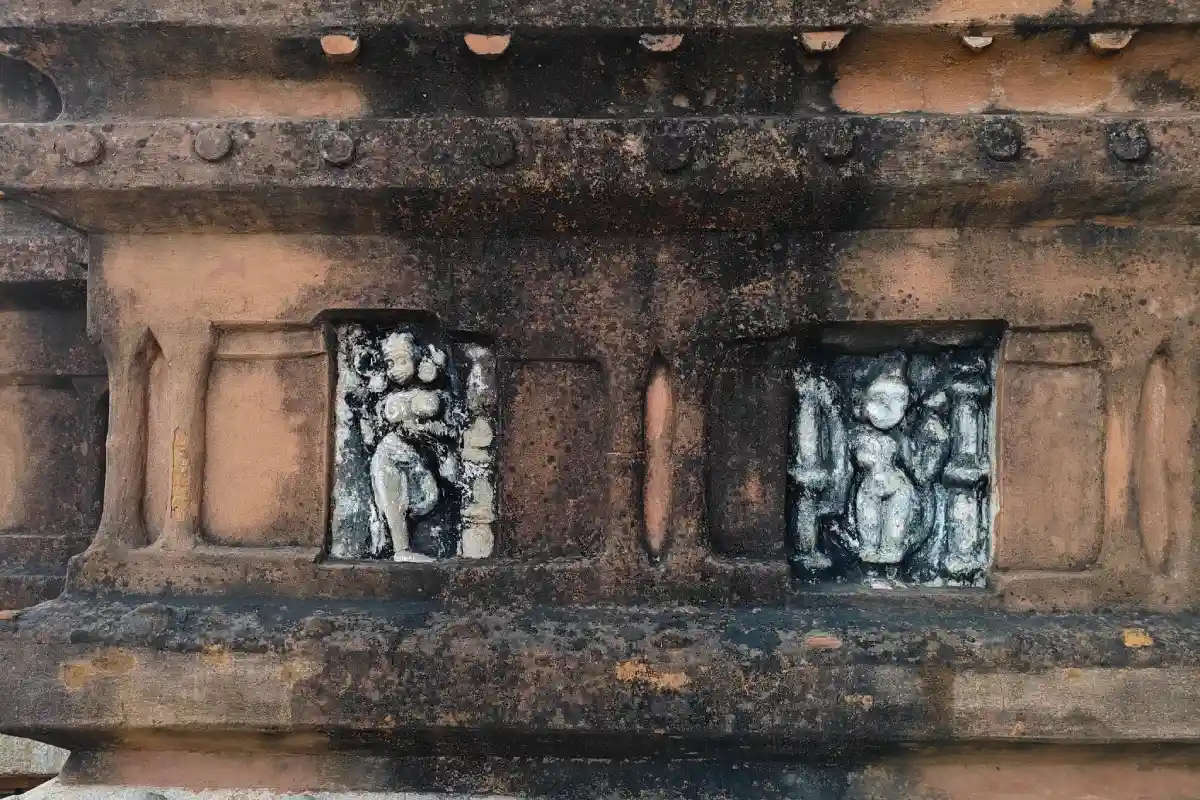
Aswaklanta Temple reflects a blend of Ahom and ancient Indian architectural styles. The stone carvings and structural elements make it stand out. The stairs connecting Kurma-Janardan and Ananta Saini temples contain stones from 9th–12th century temple ruins. Many intricate rock-cut designs can be seen on these stones. Both temples have embedded stone sculptures that highlight their artistic richness. These beautifully carved stones represent the sculptural excellence of that era in Assam.
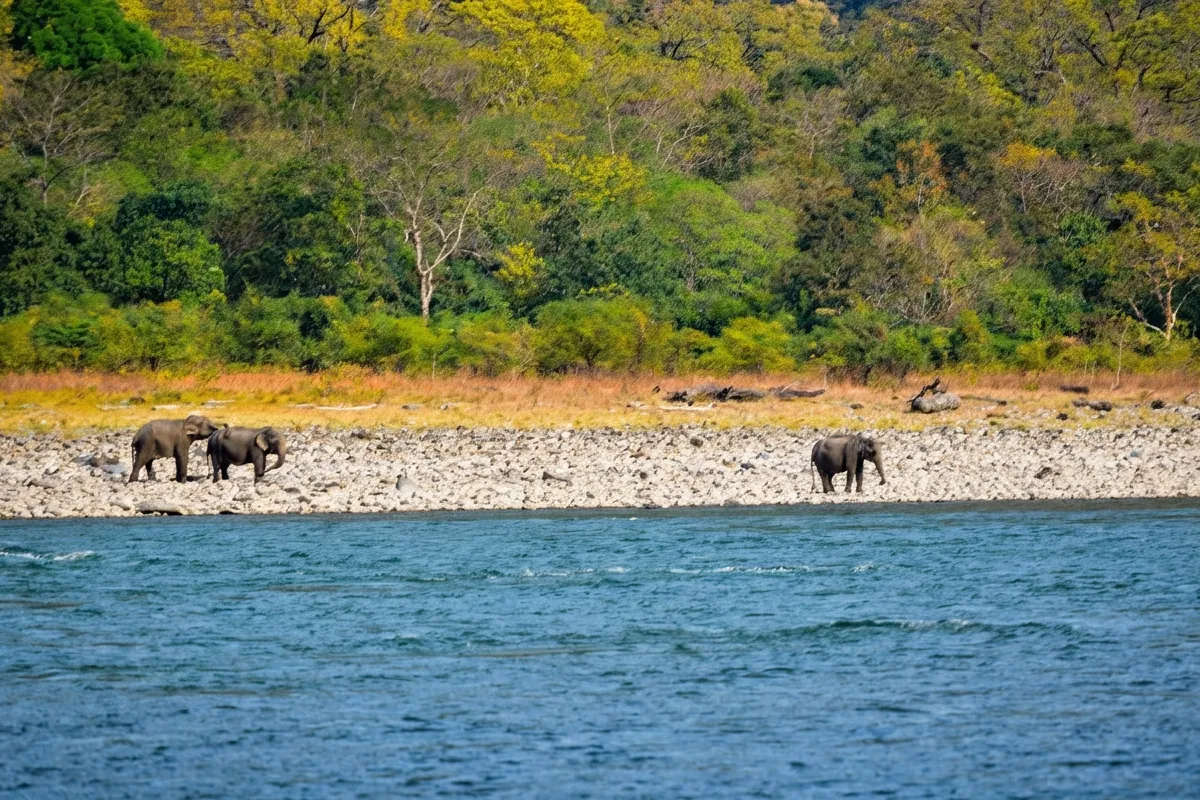
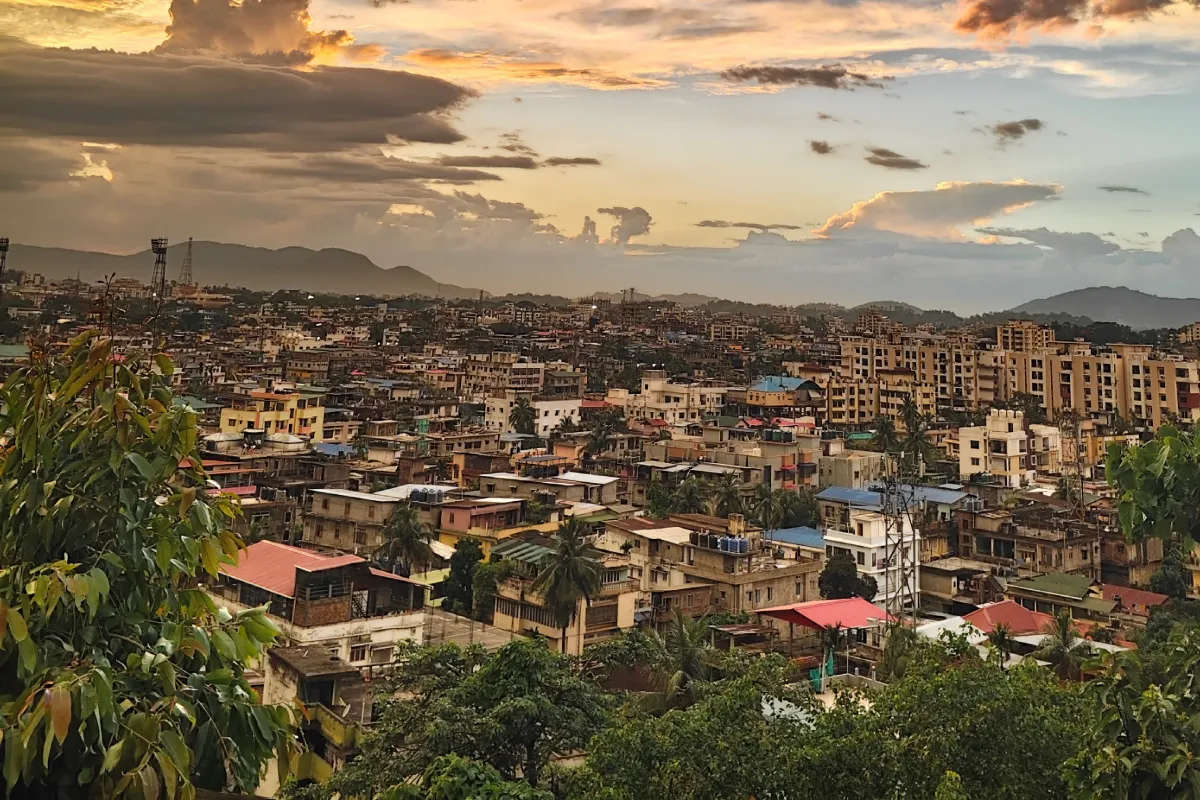
You can enjoy a breathtaking view of the Brahmaputra River from Aswaklanta Temple. The temple stands on an elevated spot, offering a magnificent view of the vast river. From here, you can also see Guwahati’s cityscape and boats gently sailing across the water. The view becomes even more magical at sunset. You can come here and witness this beautiful scenery yourself.
The sacred atmosphere of Aswaklanta Temple brings you peace. The deep silence and Brahmaputra’s gentle waves create a divine feeling. You will experience a unique sense of calm while offering prayers. Many devotees and travelers visit for faith and self-discovery. You can also spend time here, where you can feel more relaxed.
Seek Blessings & Witness Rituals.
Explore the Temple History.
Relax by a riverside.
Photography.

Distance From Guwahati City : 18 Km via road.

Nearest City: Guwahati(18 Km via road)

Nearest Railway Station: Kamakhya Junction (14 Km via road)

Nearest Bus Stoppage: Amingaon(7.2 Km)

Nearest Airport: LGBI Airport, Azara, Guwahati(24 Km)
Aswaklanta Temple is well connected by both water and road. You can reach North Guwahati by boat from any ferry ghats on the south bank of the Brahmaputra. Alternatively, you can comfortably travel by public transport or private vehicle via the historic Saraighat Bridge. The temple is not very far from central Guwahati, so public transport to North Guwahati is readily available.
Ferry service is available from Guwahati Ferry Terminal to Aswaklanta Ghat (just 200 m from the temple gate) at a ticket price of only 5 rupees per person.
If you are travelling by train, Kamakhya Station is the closest stop. From there, you can easily reach Aswaklanta Temple by cab or public transport.
Aswaklanta Temple is about 30-45 minutes by road from the Gopinath Bordoloi International Airport. If you are travelling by flight, this airport is the closest to the temple. Cabs and public transport are available from here, allowing you to reach the temple without any difficulty.
The best time to visit Aswaklanta Temple is during the winter and pre-winter months, from September to March. Additionally, the post-monsoon season is also ideal for a visit, offering a chance to enjoy the beautiful natural surroundings while connecting with the temple’s spiritual atmosphere.
There are some legends regarding the origin of the name of this temple. The temple has two names, Aswakranta and Aswaklanta. According to mythology, when Lord Krishna was looking for Narakasura, his horse (Ashwa) became tired and rested (Klanta) there. Thus, the place came to be known as Aswaklanta.
According to the story of Arjuna, the third Pandava in the Mahabharata, there was a conspiracy to kill Arjuna's son Abhimanyu. This conspiracy would have failed in the presence of Arjuna. Therefore, Arjuna was persuaded to stay in the area where Aswaklanta is today. Because it was a conspiracy, and this conspiracy was hatched in this place. Hence, the name of the place became Abhikrant and later Aswaklanta.
*Advertisement