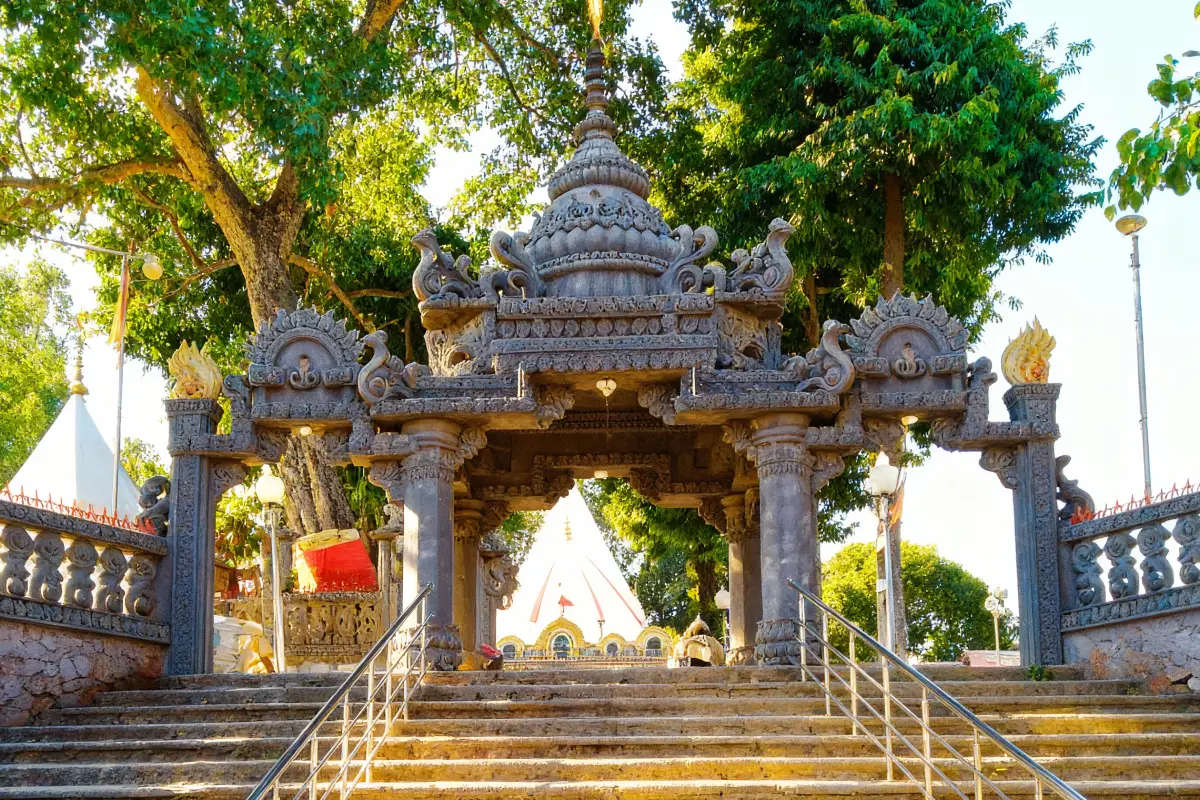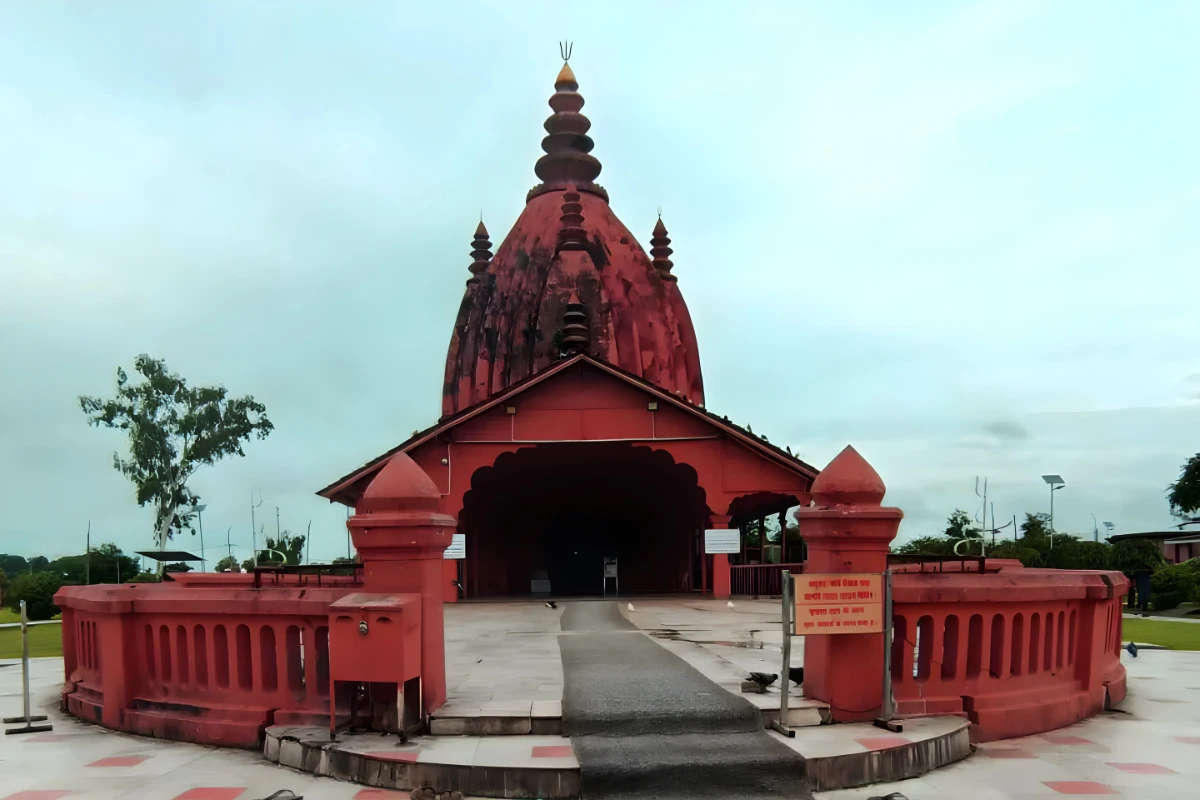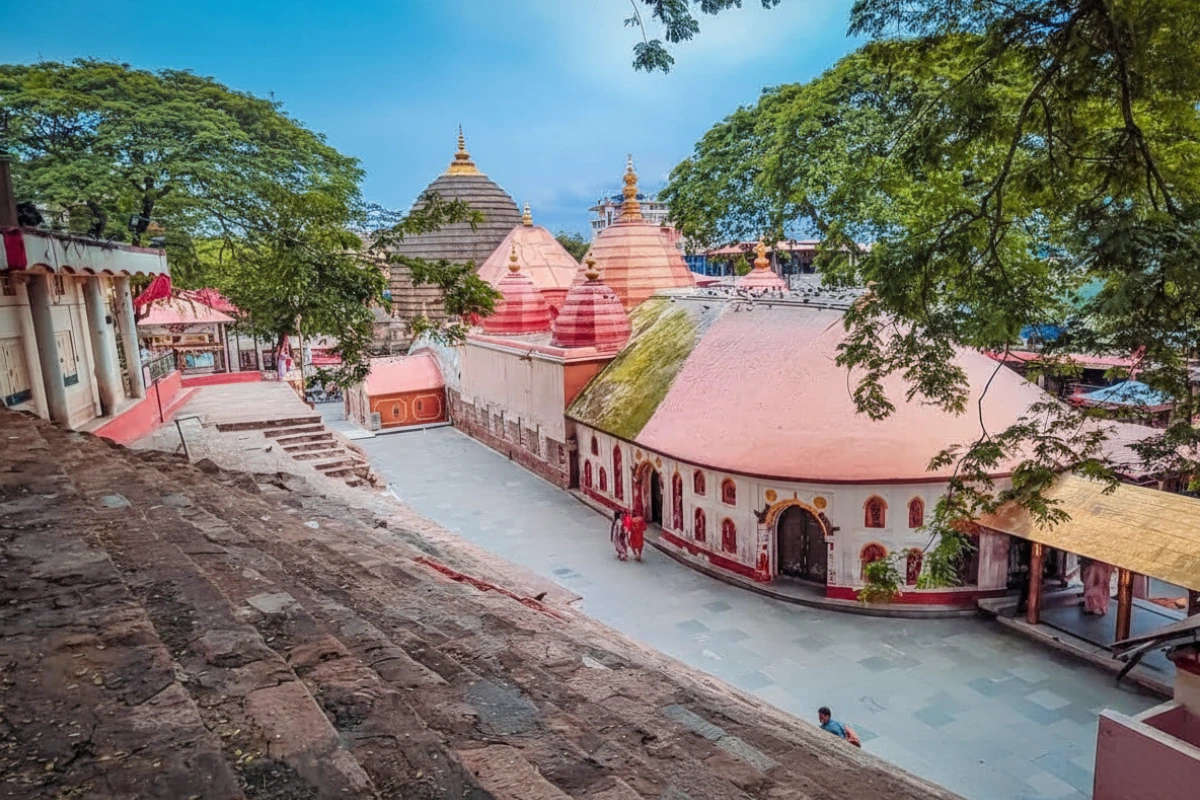


Thukubil Satra: Assam’s Spiritual and Cultural Heritage
To spread the Neo-Vaishnavite faith, the great saint Srimanta Sankardeva established Satras across different parts of Assam. These Satras played a crucial role in spreading the teachings of the saint and helped bind Assamese society together in unity. Each Satra founded by him has its own unique characteristics and contributes significantly to society.
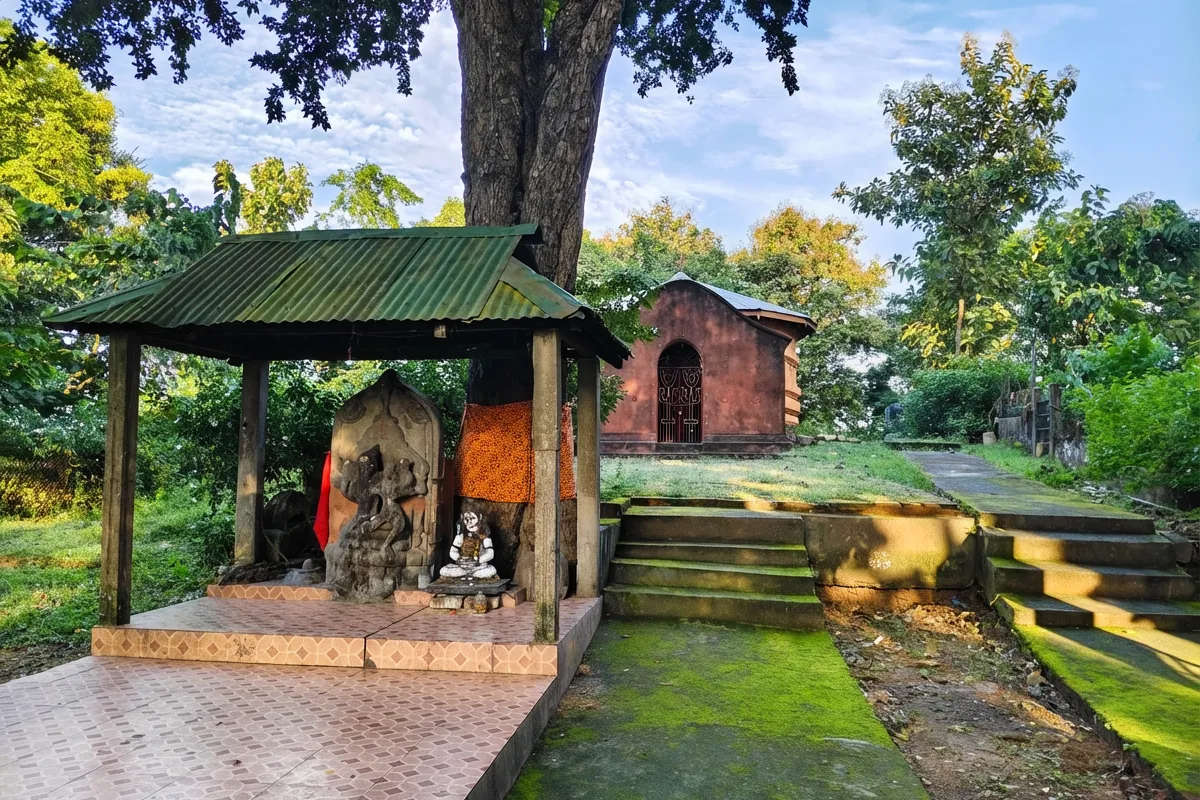
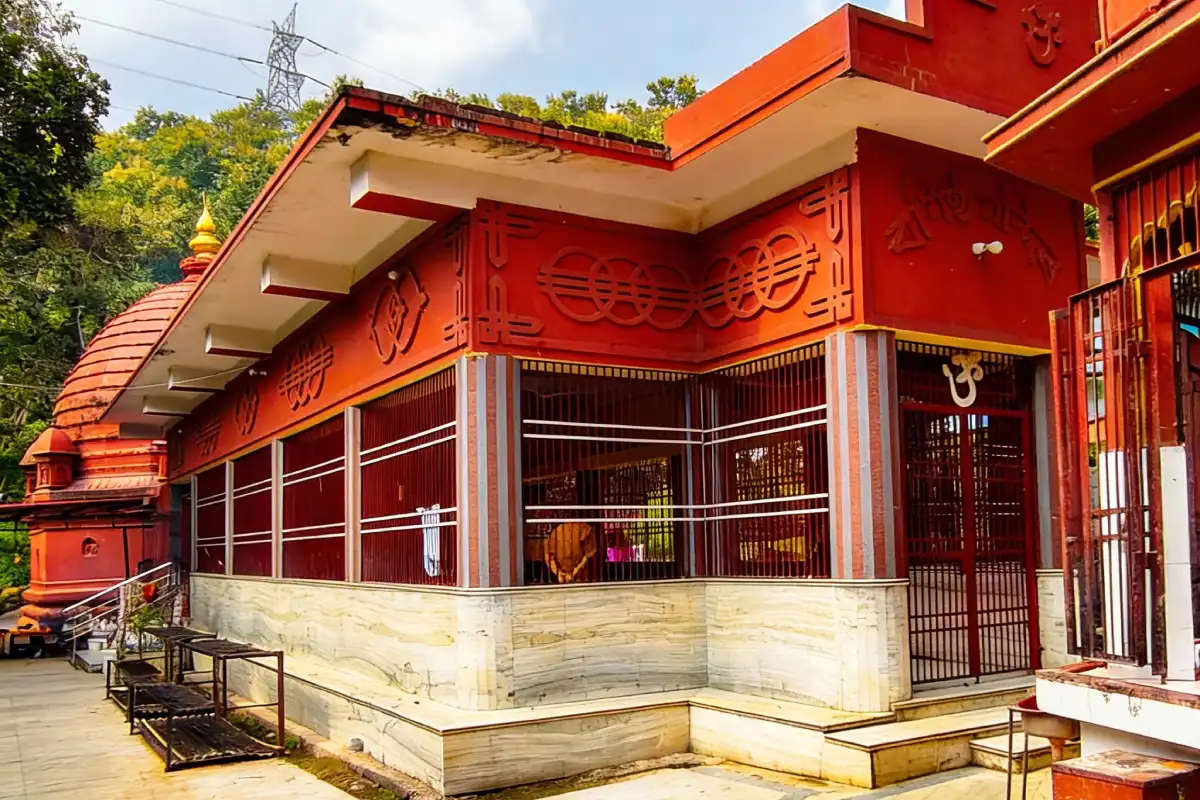
Among them, a popular Satra that reflects a unique identity is the Thukubil Satra. Established more than 550 years ago, it is located at Sonari in the Charaideo district. This ancient Satra has harmonized Neo-Vaishnavism with Assamese culture, traditions, and heritage. Even today, it continues to guide villages, the local community, and the people of Assam on the path of religious harmony and social unity.
Thukubil Satra is especially famous for its Buka Bhaona. Celebrated every year after Janmashtami as part of the Nando Utsav, this Bhaona is a distinctive expression of the Vaishnavite tradition of Assam. Through a blend of acting, music, dance, and religious narratives, it creates a unique atmosphere that attracts not only the local people but also visitors who come to witness it.
Beyond that, the Satra plays an important role in preserving traditional music, performing arts, and cultural practices. The age-old customs of religious rituals, Naam-Prasanga (devotional gatherings), and Bhaona performances have turned Thukubil Satra into a living cultural center. Today, it is not only a place of devotion but also a symbol of Assamese tradition and heritage. For tourists, the Satra offers an invaluable experience of Assam’s traditional lifestyle, spiritual devotion, and cultural richness.
*Advertisement
Experience the spirituality of the Satra: Along with the iconic Buka Bhaona performed at Thukubil Satra, sacred events such as Naam-Prasanga and continuous recitation of the Bhagavata are also organized from time to time. During these moments, the surroundings of the Satra are filled with an aura of spirituality. Visiting at such a time can bring a deep sense of peace to your mind.
Explore Assamese culture and its historical importance: Thukubil Satra showcases Assamese culture, devotional practices (Naam-Dharma), and traditional customs of Neo-Vaishnavism. This helps you explore the richness of Assamese culture. Moreover, you can also visit to observe the history of this 550-year-old Satra.

Distance From Guwahati City : 400 Km

Nearest Town / City: Sonari Town(2 Km)

Nearest Railway Station: Bojo Railway Station (2 Km)

Nearest Bus Stoppage: Sonari Bus Stand(2 Km)

Nearest Airport: Mohanbari Airport, Dibrugarh(80 Km)
By Road: Thukubil Satra is just about 2–3 km from Sonari town. Local vehicles are available from there, making it easy to reach the Satra.
By Train: The nearest railway station to Thukubil Satra is Bhoju. If you are traveling by train, you can get down at this station and hire a local vehicle to reach the Satra.
By Air: The nearest airport is Dibrugarh Airport. If you are traveling by flight, landing at Dibrugarh is the best option. From there, you can get public transport to reach Sonari.
The perfect time to visit Thukubil Satra is from August to October. During this period, especially on Krishna Janmashtami, the Buka Bhaona is also performed. Visiting during this time is the best opportunity to witness this Bhaona.