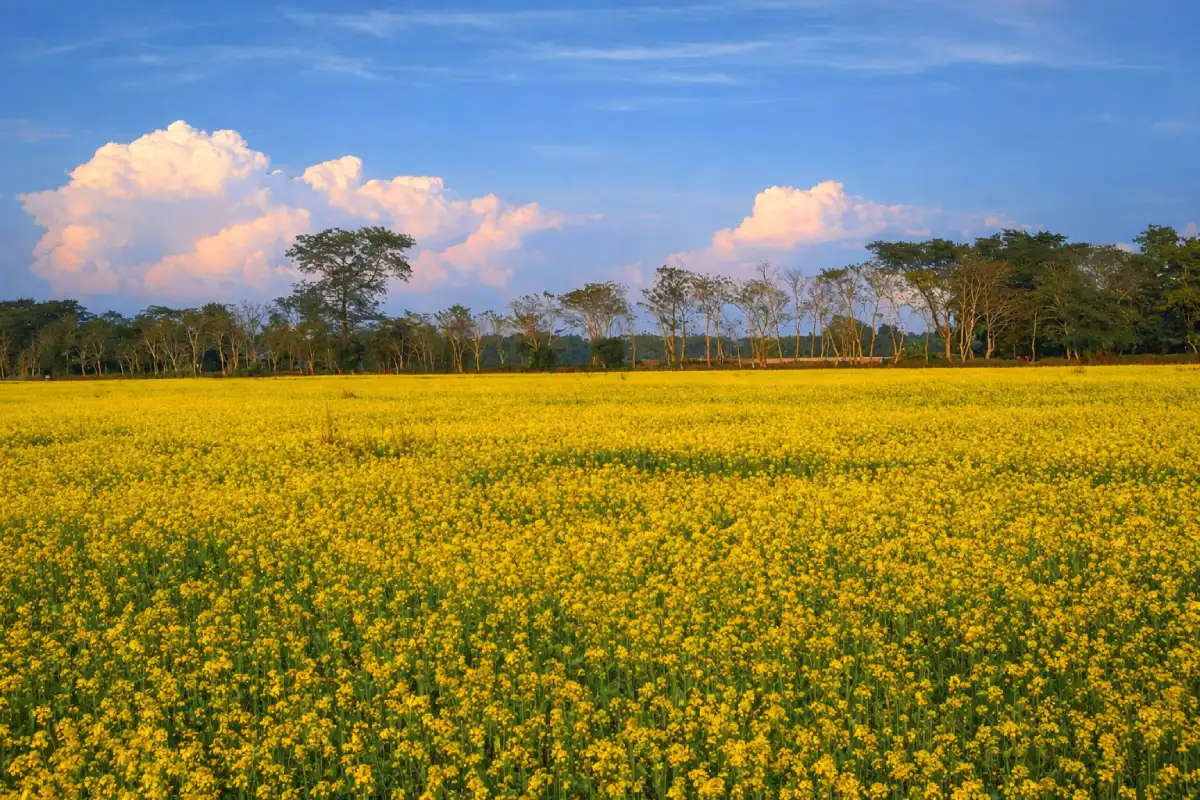
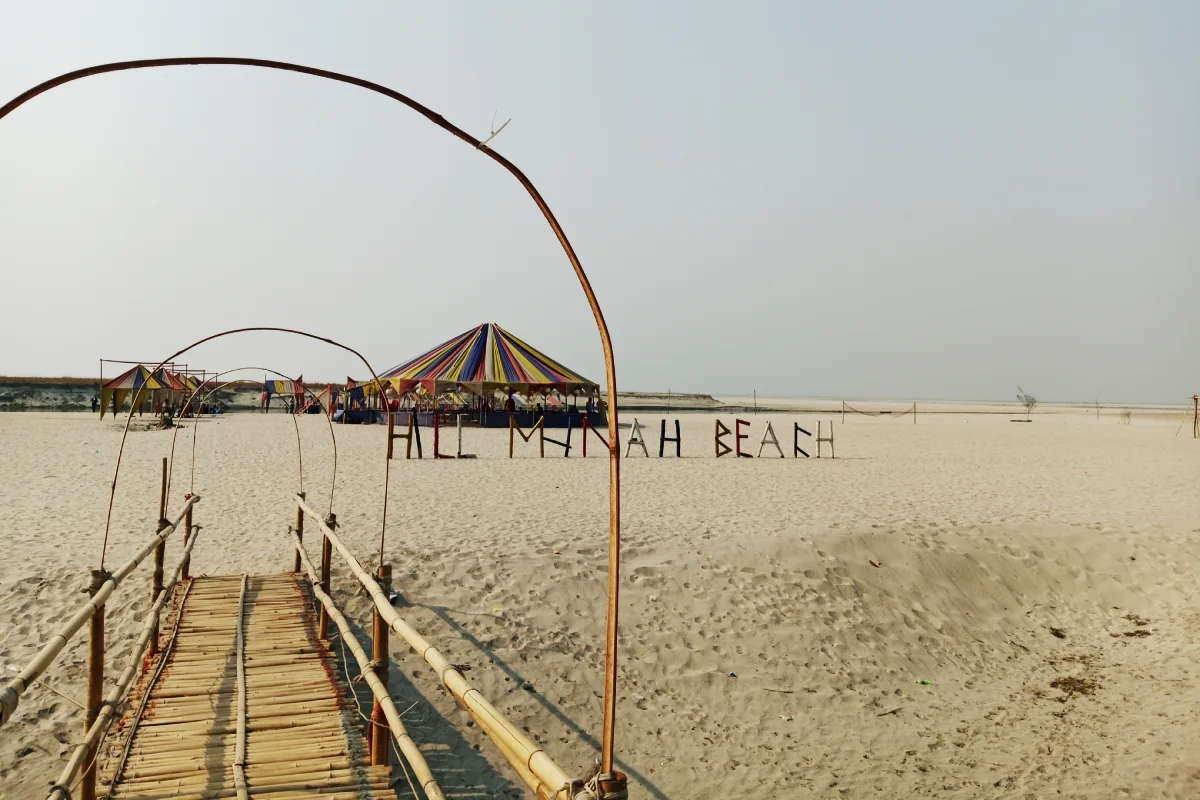
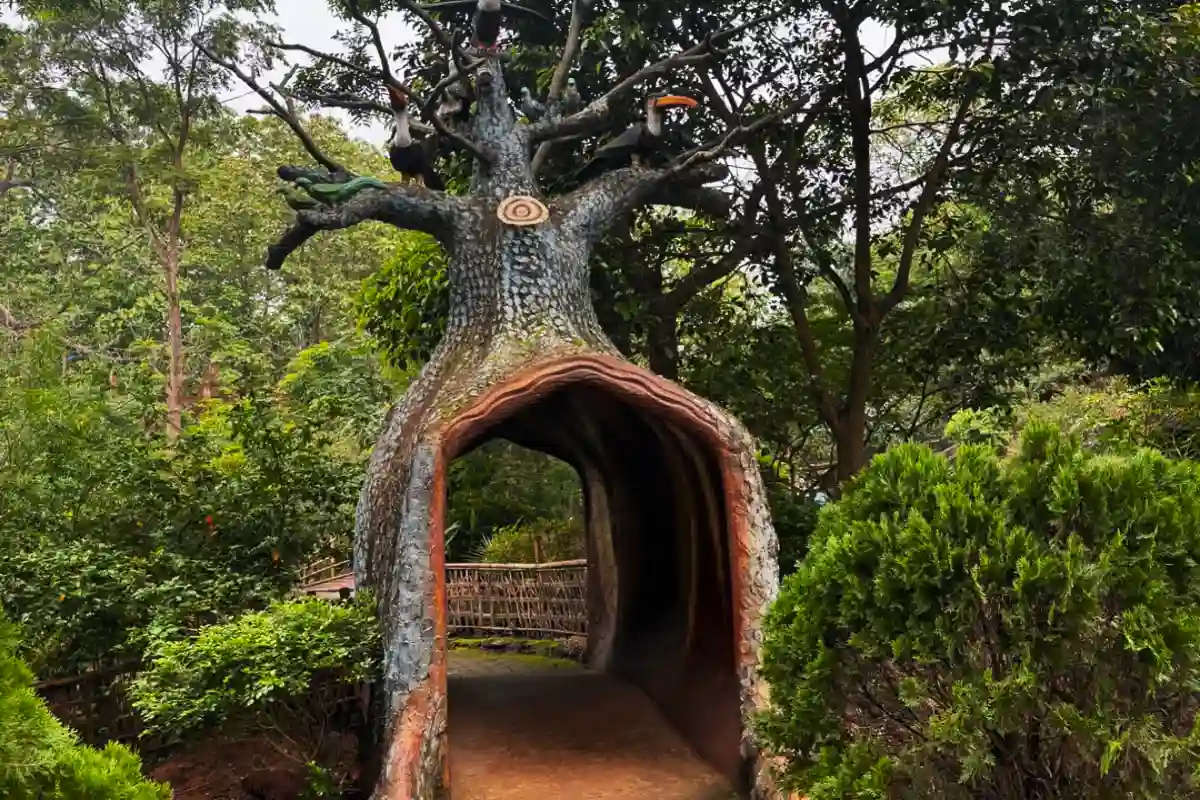
Morigaon is a peaceful and culturally rich destination in central Assam, it is known for its natural beauty, wetlands, and deep-rooted traditions. Located on the southern bank of the Brahmaputra River, the town serves as the gateway to some of Assam’s most serene landscapes. Its calm surroundings and rural charm makes it an ideal escape for travelers seeking nature, culture, and slow travel experiences.
The district is blessed with fertile alluvial plains, scenic water bodies, and lush greenery. One of its most prominent natural attractions is Morikolong Beel, a vast wetland that enhances the town’s ecological and visual appeal. These wetlands attract migratory birds during winter, making Morigaon a quiet delight for nature lovers and birdwatchers. The nearby Brahmaputra further adds to the scenic beauty and supports local livelihoods.
For wildlife enthusiasts, Morigaon is especially appealing due to its proximity to Pobitora Wildlife Sanctuary, famous for having one of the highest densities of one-horned rhinoceroses in the world. This makes the town a convenient base for short wildlife trips and ecotourism activities. With its blend of wetlands, riverside landscapes, wildlife, and indigenous culture, Morigaon is an emerging tourist destination in Assam. It is perfect for travelers who wish to explore offbeat locations, experience local culture, and enjoy nature away from crowded tourist hub.
Morigaon’s history is deeply connected with ancient legends, local rulers, and the cultural evolution of central Assam. Folklore speaks of King Arimatta and his son Jongalbalahu, whose dramatic escape across rivers is believed to have inspired the names of nearby places like Raha and Jagi. These legends continue to shape the region’s historical identity and oral traditions.
In later periods, Morigaon came under the influence of the Darrang rulers. It is believed that Prince Bhim Singh and other royal figures settled near Mori Beel, a prominent wetland, from which the town gradually derived its name. Over time, the area witnessed the rise and fall of small independent kingdoms before becoming part of the Nagaon district during British rule. In 1989, Morigaon was officially declared a separate district, marking an important milestone in its administrative history.
Culturally, Morigaon is closely linked with the Tiwa community, whose traditions, festivals, and social practices add depth to the region’s heritage. The district is also known for Jonbeel Mela, a rare and historic fair where barter trade is still practised, reflecting Assam’s age-old economic and cultural traditions. This mela plays an important role in preserving indigenous customs and community bonding. Nearby Mayong, often called the land ofmagic, is renowned for its ancient association with occult practices, tantra-mantra, and folk beliefs, attracting curious travellers and researchers alike.
Today, Morigaon’s historical legacy blends seamlessly with its cultural richness and natural attractions, including the famous Pobitora Wildlife Sanctuary. This mix of legend, history, and living traditions makes Morigaon a culturally significant and intriguing destination in Assam.