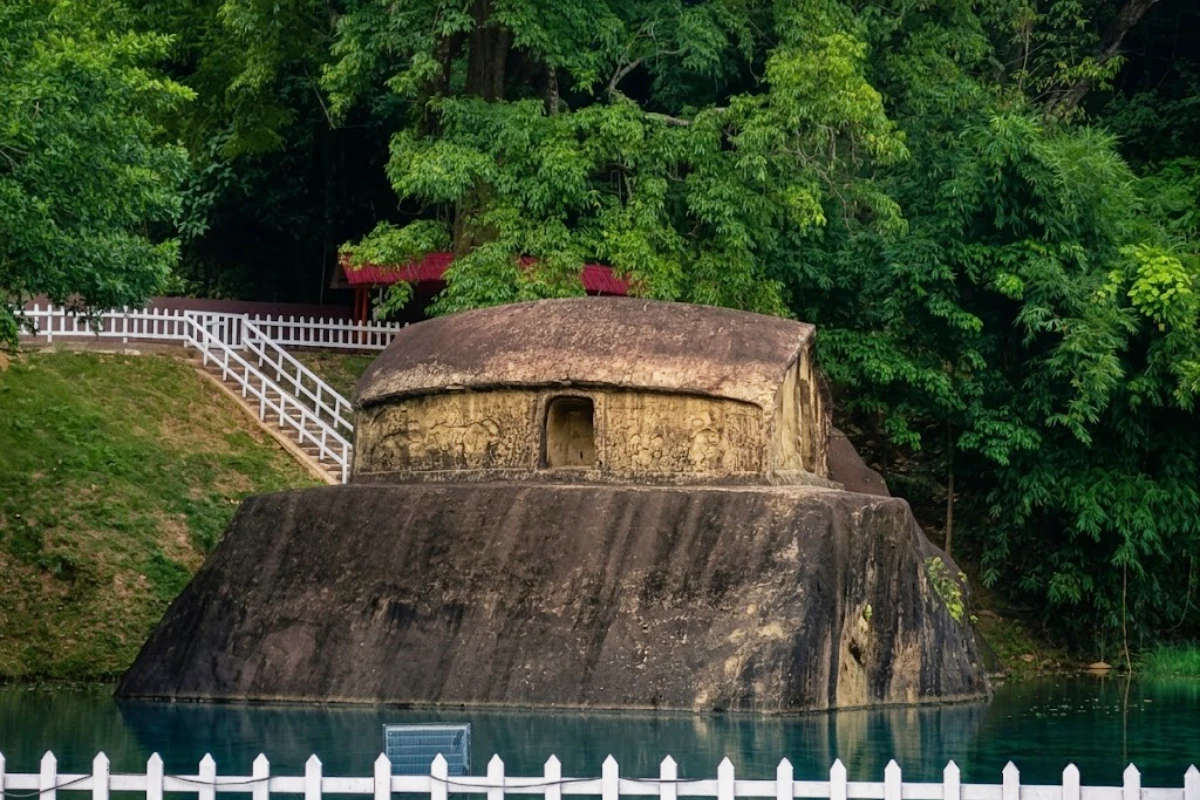


Some places don't need grand entrances to impress you—they just sit quietly by a riverbank, waiting for you to notice how much history they're carrying. That's precisely what happens at Maibang Stone House.
Tucked away on the banks of the Mahur River in the small town of Maibang, this monolithic structure—carved out of a single, massive piece of rock—was once tied to the seat of power of the Dimasa Kachari Kingdom.
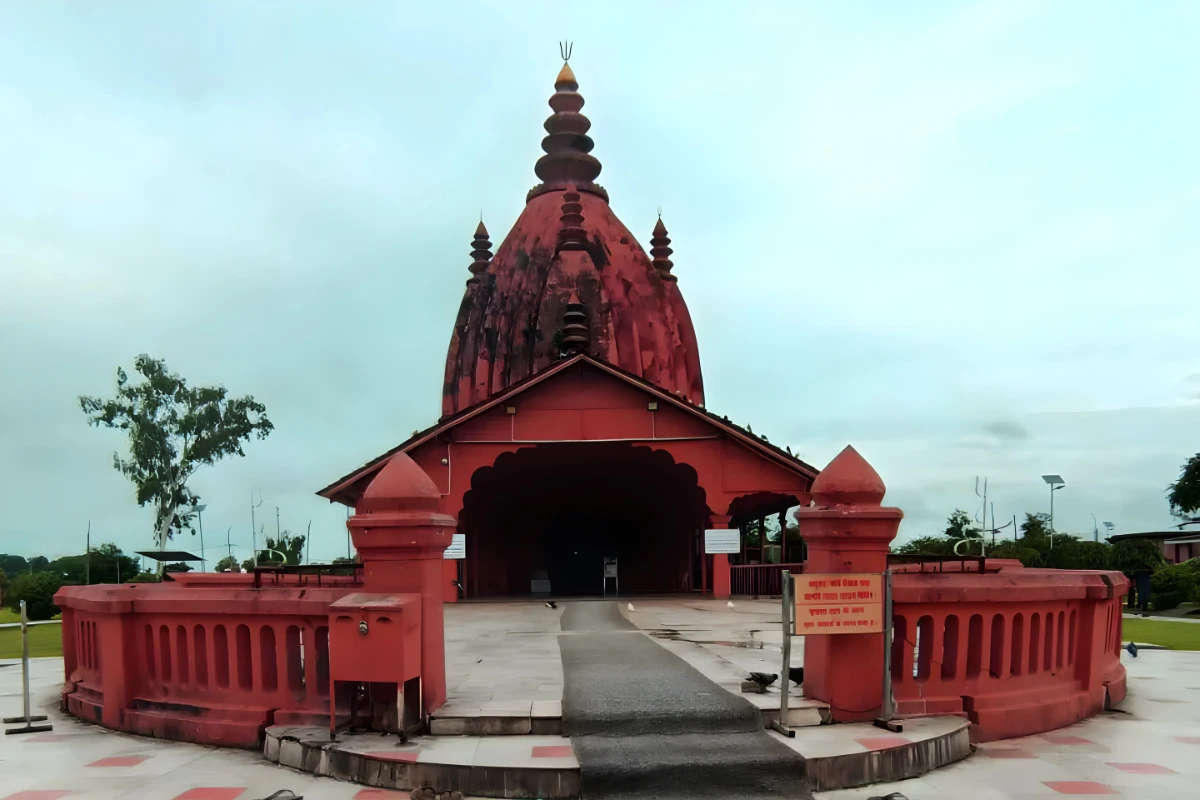
The Maibang Stone House, is a magnificent 16th-century historic structure and a testament to ancient architectural talent. Locally known as "Longthai ni Noh," the Stone House stands as one of the last surviving reminders of the Dimasa Kingdom. It was said to have acted as both a royal home and a location for key administrative functions.
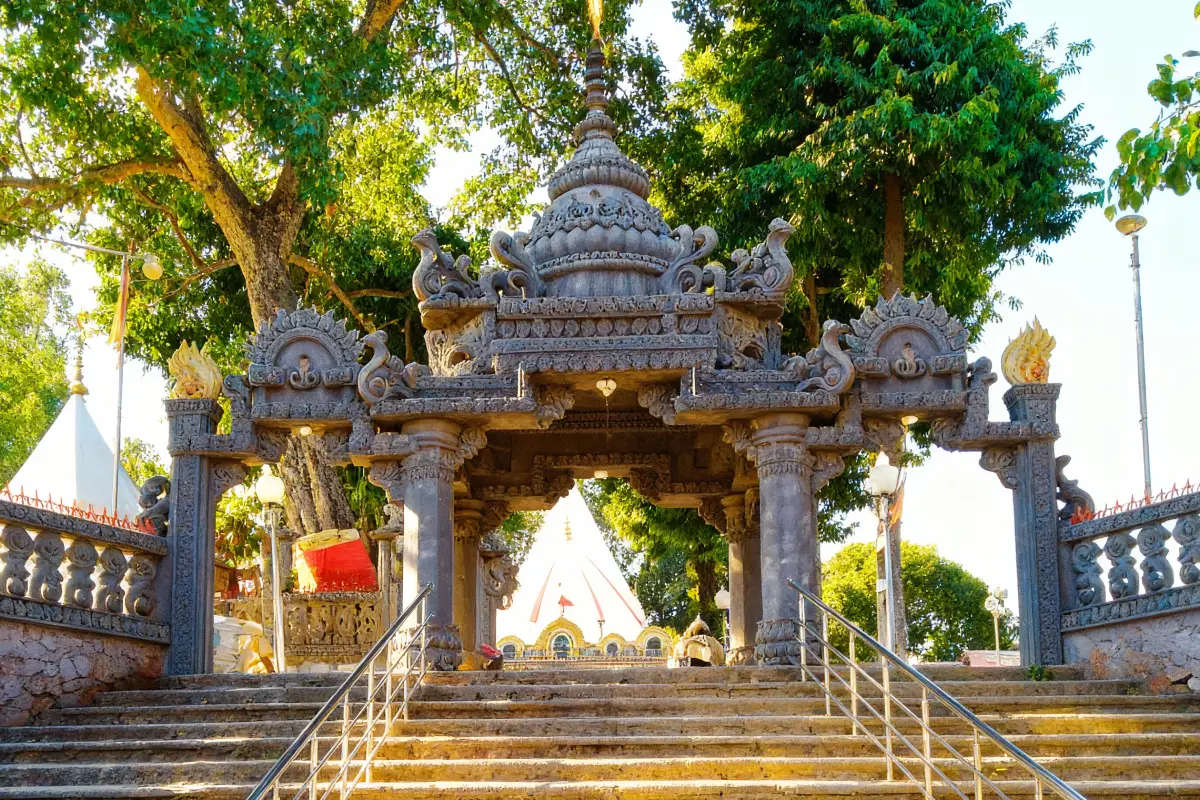
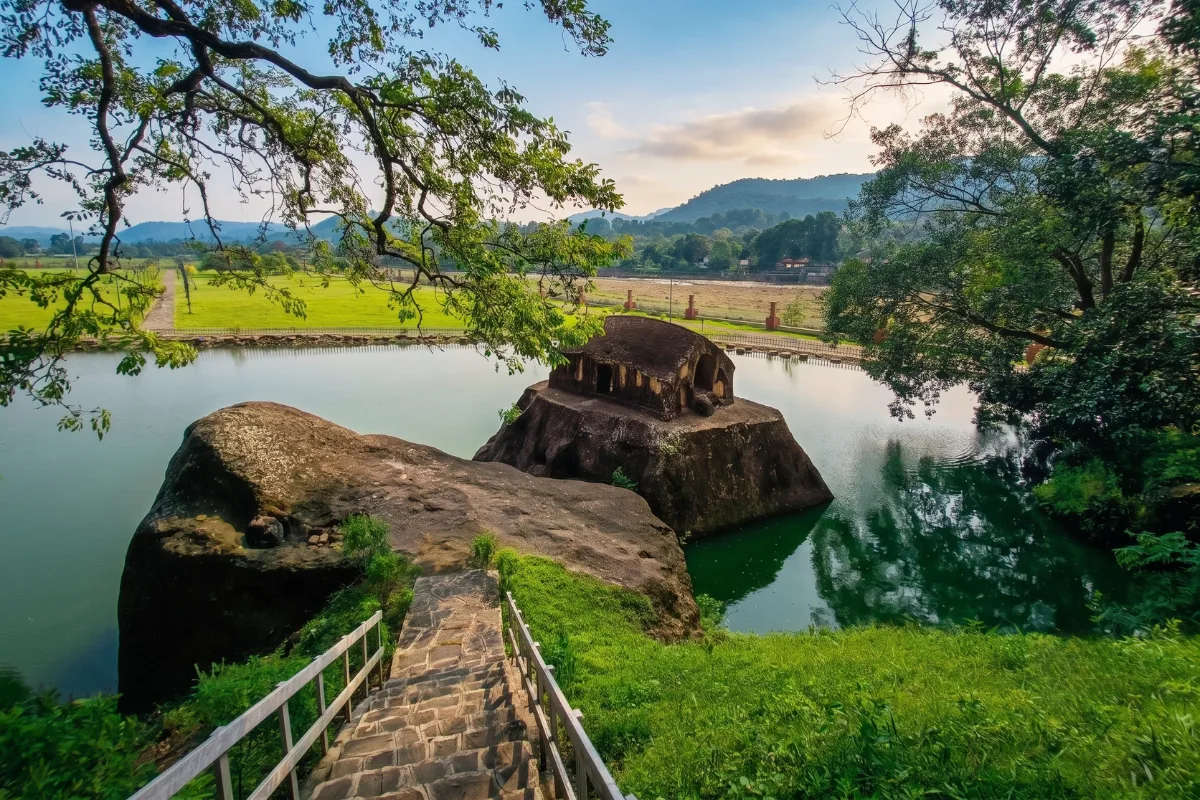
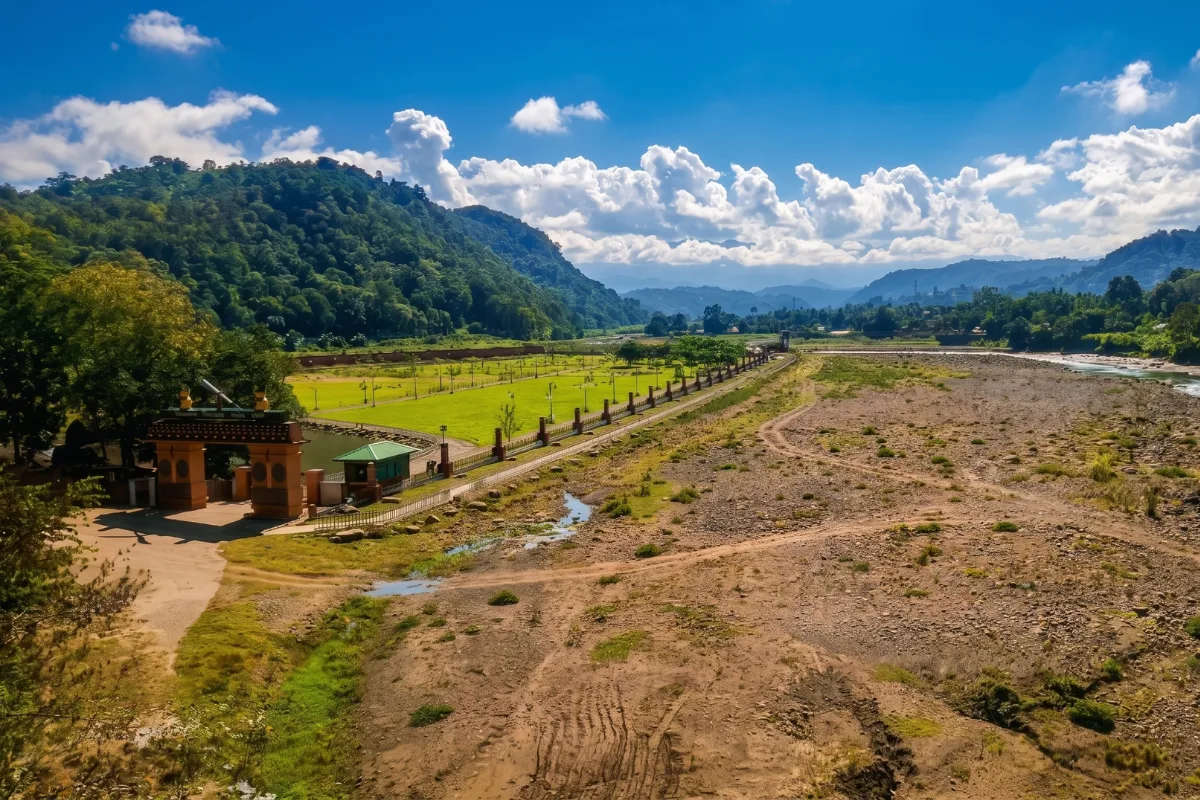
Presently, the property is supplemented by a newly created park with a lake, featuring monuments of Dimasa monarchs, contributing to its historical significance. Visitors should expect a tough trip due to tight, winding roads. Despite limited parking and inadequate amenities, the site remains a popular tourist destination to explore the region's rich history and the mythology of a king's divine quest for greatness.
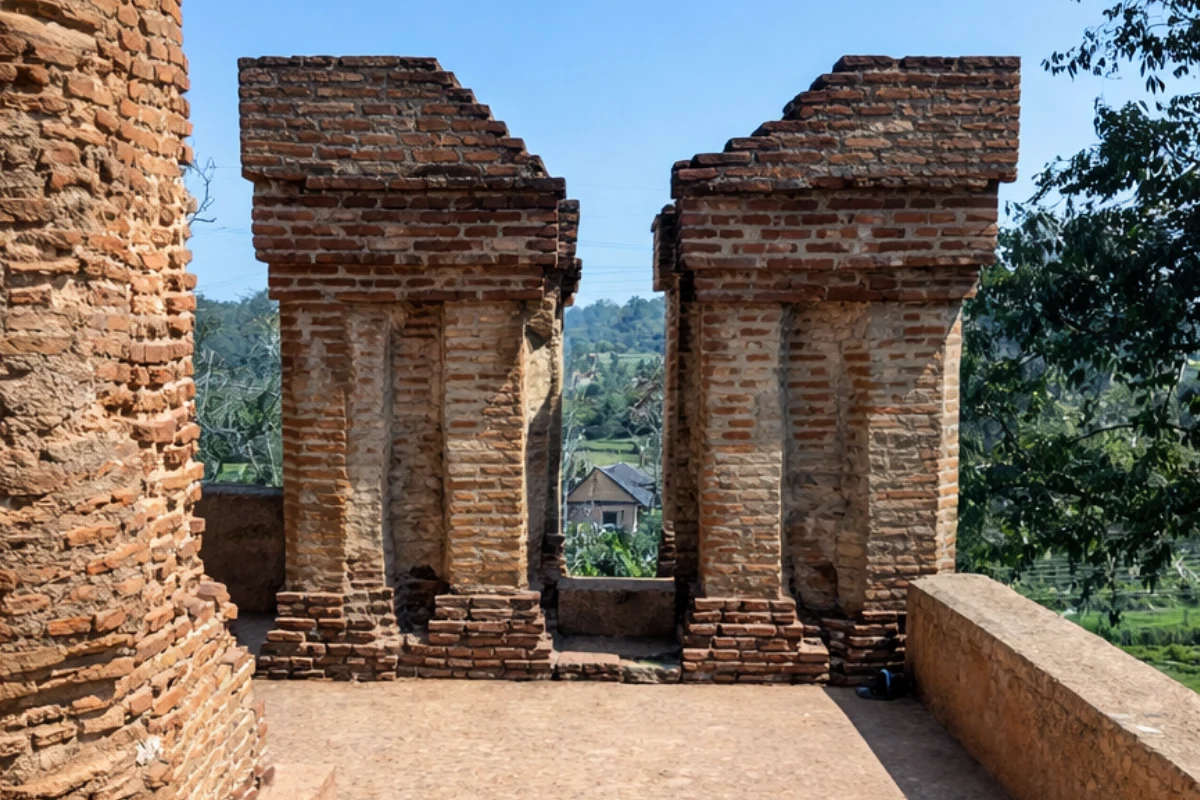
The entire structure—walls, roof, and all curved out of one solid rock—is rare, and seeing it up close makes you appreciate just how much effort and belief went into building it.
Ask any local guide here, and they'll tell you the story with genuine excitement in their voice. According to Dimasa folklore, a goddess appeared in the king's dream and promised him a weapon powerful enough to defeat his enemies—but only if he could build a stone house from a single rock in a single night. Some versions of the story even say the king personally carried the massive stone down from a hilltop on his back. Whether you take it as history or myth, hearing this legend while standing right in front of the stone makes the visit feel a lot more alive.
This isn't just a monument—it's a direct link to the Dimasa Kachari Kingdom, one of the oldest ruling dynasties of Assam's hill regions. For anyone interested in the region's tribal history, this site offers something you won't easily find described in typical school textbooks. It is a must-see for history buffs and cultural adventurers.
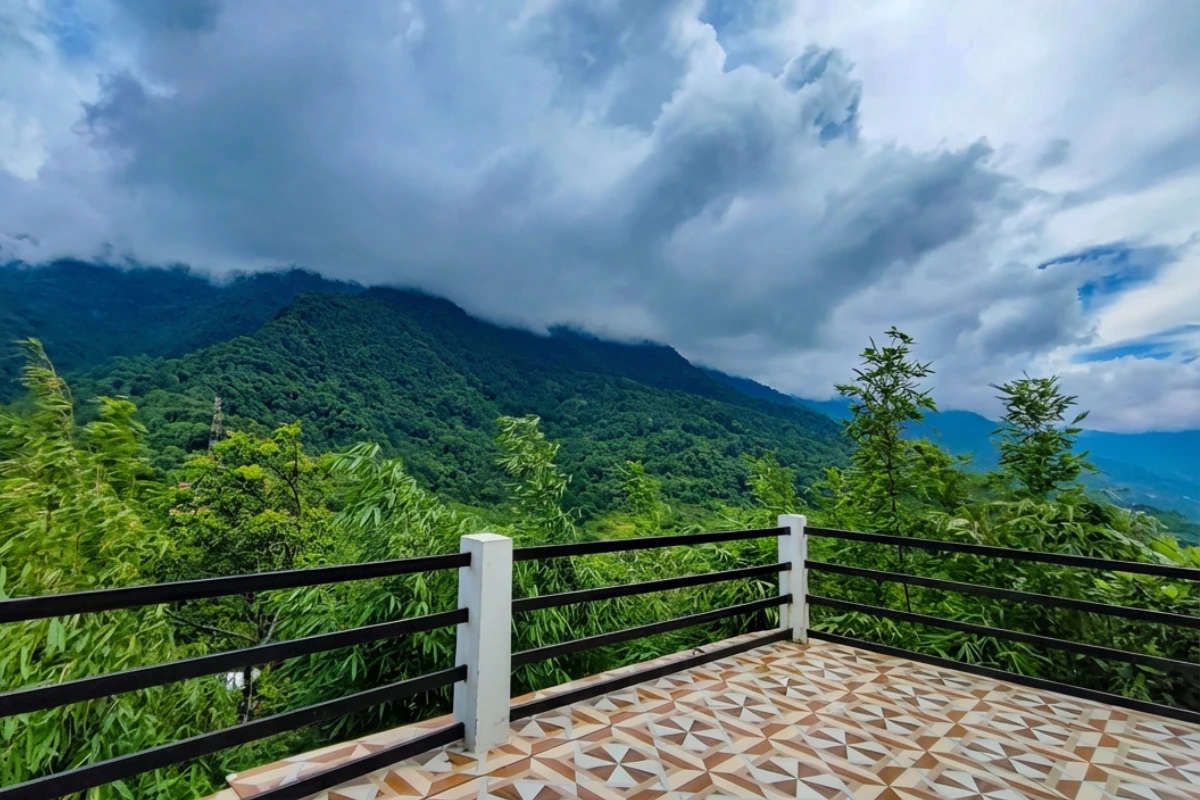
The Maibang Stone House, located in the tranquil highlands of Dima Hasao, offers more than just history; it also provides peace and natural beauty. The quiet green surroundings, the sound of the water, the rich foliage, and the cultural aura make it an ideal destination for those looking for both heritage exploration and a refreshing escape into nature.
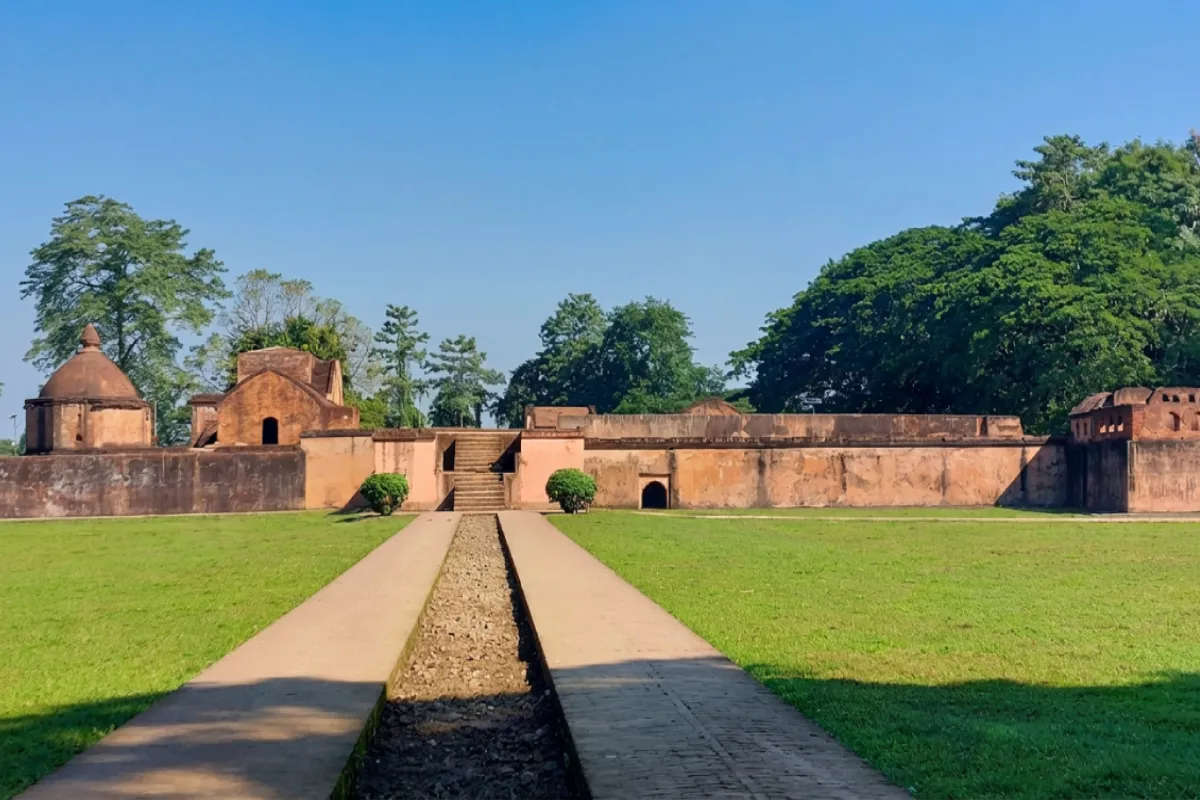
Over the last few years, the area around the Stone House has been turned into a small landscaped park, complete with a lake, walking paths, and statues of Dimasa rulers. It's a pleasant place to sit for a while after exploring the monument itself and makes the whole visit feel more like a relaxed outing rather than just a quick historical stop.
Unlike the more popular spots in Dima Hasao, Maibang Stone House still sees relatively few visitors. If you like exploring places that feel personal and undiscovered rather than crowded with tourists, this is exactly the kind of spot you'll enjoy.
Take a slow walk around the Stone House and look closely at how the structure has been carved from a single rock.
Ask a local guide to tell you the legend behind its construction—it genuinely adds depth to the visit.
Spend some time at the riverside park nearby; it's a peaceful spot for photographs or just sitting quietly.
Check out the statues of Dimasa rulers placed around the park grounds.

Distance From Guwahati: 287 Km vi NH27

Nearest City: Maibang Town( 5 Km)

Nearest Railway Station: Maibang Railway Station(6.4 Km)

Nearest Bus Stoppage: Maibang Bus Stand (5 Km)

Nearest Airport: Silchar Airport(130 Km via Haflong)
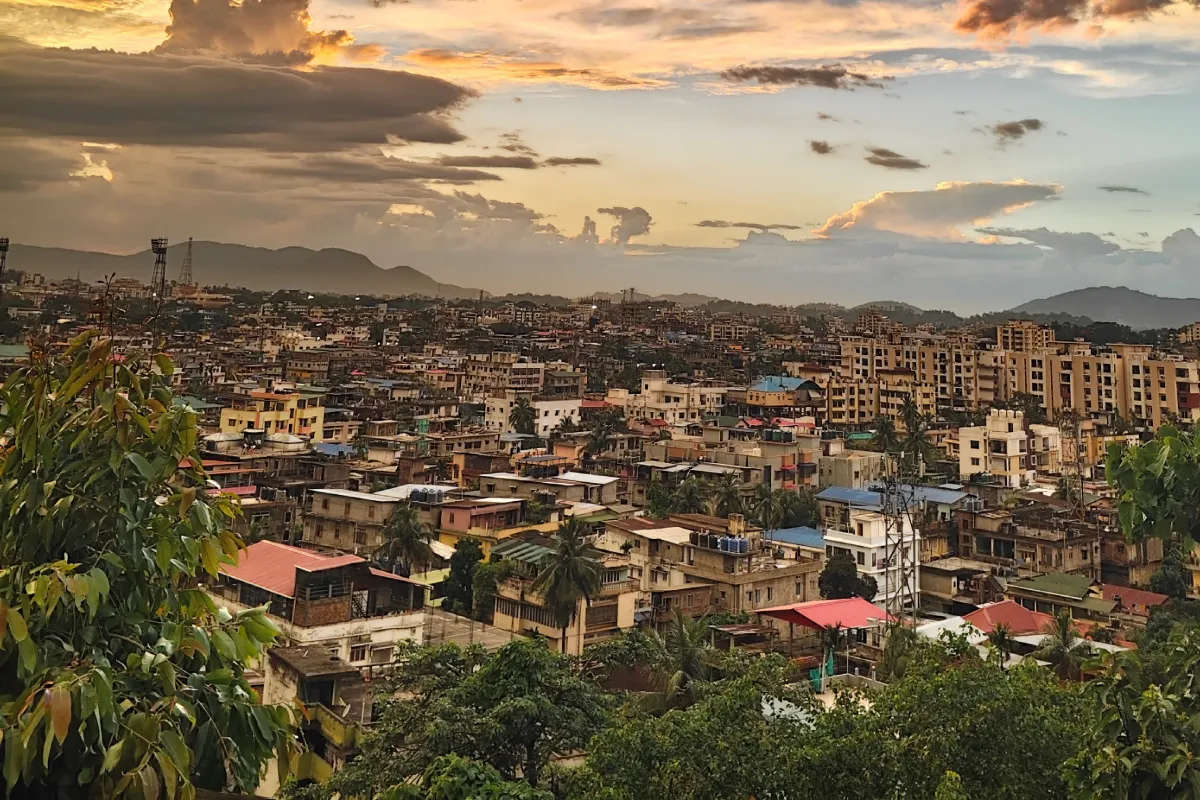
Maibang lies roughly 287 km from Guwahati and is usually approached via the Lanka–Lumding–Maibang highway, a drive of around 7–8 hours through Assam's plains before the road starts climbing into the hills of Dima Hasao. If you're coming from Haflong, it's a much shorter and easier hop—about 47 km, taking roughly 1.5 to 2 hours, since the road winds through forested hills for most of the way. Do keep in mind that the roads leading right up to the Stone House itself are narrow, so it's best to travel in a smaller vehicle or a taxi rather than a large bus.
Maibang has its own railway station, sitting right on the historic Lumding–Silchar hill section—the same scenic line that passes through Haflong, cutting through tunnels and bridges across the Barail range. If you enjoy slow train journeys through green hills, arriving here by rail is honestly one of the best ways to experience the region. Lumding Junction, a major railway hub, is about 76 km away and connects Maibang to the rest of the Northeast and mainland India.
The nearest airport is Silchar Airport, about 130 km away via Haflong, roughly a 3.5 to 4-hour drive through the hills. Guwahati's Lokpriya Gopinath Bordoloi International Airport is farther at around 300 km but offers many more flight connections, making it a practical choice if you're combining this trip with other parts of Assam.
The best time to visit Maibang Stone House is between October and March, when the weather is mild and suitable for exploring. During these months, the cool weather improves sightseeing and travel comfort. Monsoons are best avoided because heavy rains might impede accessibility and outdoor activities.
The roads leading to Maibang, especially the final stretch to the Stone House, are narrow and winding — take it slow, particularly if you're driving yourself.
Amenities around the site are fairly basic, so carry your own water and snacks; don't expect many shops right at the location.
Parking space near the monument is limited, so arriving a little early in the day helps, especially on weekends.
Hiring a local guide is genuinely worth it here—the legend and history behind the Stone House add a lot to the experience and aren't always explained through signage alone.
Keep the surrounding park clean and avoid climbing on or touching the carved stone surfaces to help preserve the structure.
Mobile network connectivity can be patchy in and around Maibang, so it's a good idea to download offline maps before you set out.
Maibang Stone House isn't just an old structure—it's living proof of the Dimasa Kachari Kingdom, a dynasty that once ruled a significant part of Assam's hill and plains regions. When the Dimasa kings were forced out of Dimapur by the Ahoms, they made Maibang their new capital, and for close to two centuries, this small riverside town was the seat of royal power in the region. The stone ruins scattered around Maibang—including this house, the nearby Ramchandi Temple, and various carved inscriptions—are among the few physical records left of that era, since much of Dimasa history was passed down orally rather than in written form.
Local tradition credits the Stone House to Raja Harishchandra Narayan Hasnusa (also written as Harichandra Narayan or Horichandra Narayan), a Dimasa king said to have had it built during his reign, with some accounts pointing to a specific night in early 1761 AD. The story goes that a goddess appeared to him in a dream during a period of conflict with the Koch kingdom and promised him a weapon powerful enough to defeat his enemies—but only on one condition: he had to build an entire house from a single, solid piece of stone, completed within a single night. Some versions add that the king himself carried the massive stone down from a hilltop on his back to make this possible.
What makes the story even more compelling is how it ends. According to Dimasa folklore, the king wasn't able to complete the house exactly as required before dawn—the windows and gateway were left unfinished—and, believing he had failed the goddess's test, he is said to have walked away from it in despair, abandoning the structure exactly as it stood. Soon after, folklore says, he suffered defeat at the hands of the Koches. That unfinished, slightly rough quality you can still notice in parts of the structure today is, in local memory, tied directly to that night—which is why the site is sometimes referred to as an "unfinished treasure."
In more recent years, the Dima Hasao Autonomous Council developed the grounds around the Stone House into a landscaped space known as Ranachandi Madaikho (Ranachandi Temple Park), unveiled with statues honoring four rulers of the old Dimasa kingdom—Raja Meghabalnarayan Bodo, Raja Mayurdhvaj (Dehgasainfa Thaosensa), Nirbhaynarayan Haflongbar (Tamradhwaj I), and Raja Harishchandra Narayan Hasnusa himself—alongside figures representing the royal ministers of that era. The inauguration drew thousands of people from the Dimasa community, along with traditional dance performances, reflecting just how much this site still matters as a marker of identity today. For the Dimasa people, Maibang Stone House isn't simply a tourist attraction—it's a physical thread connecting the present community to the kings, legends, and kingdom their ancestors once called their own.
*Advertisement