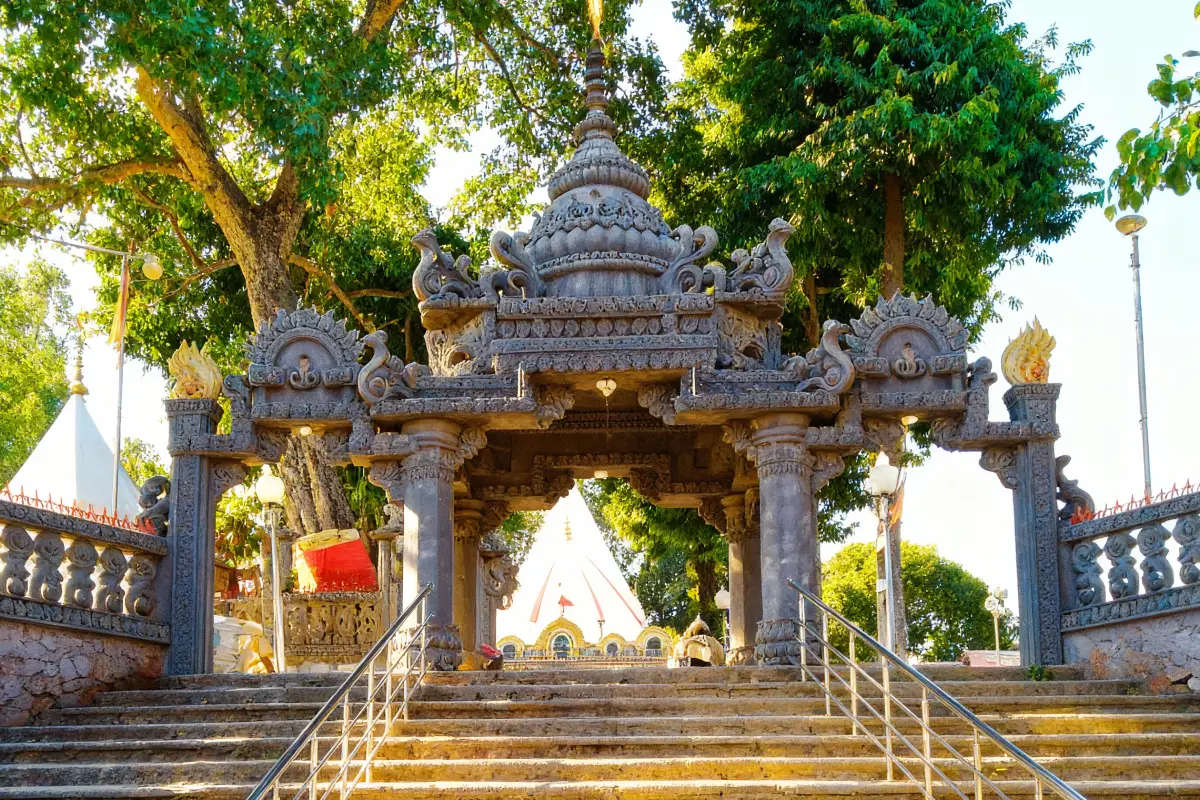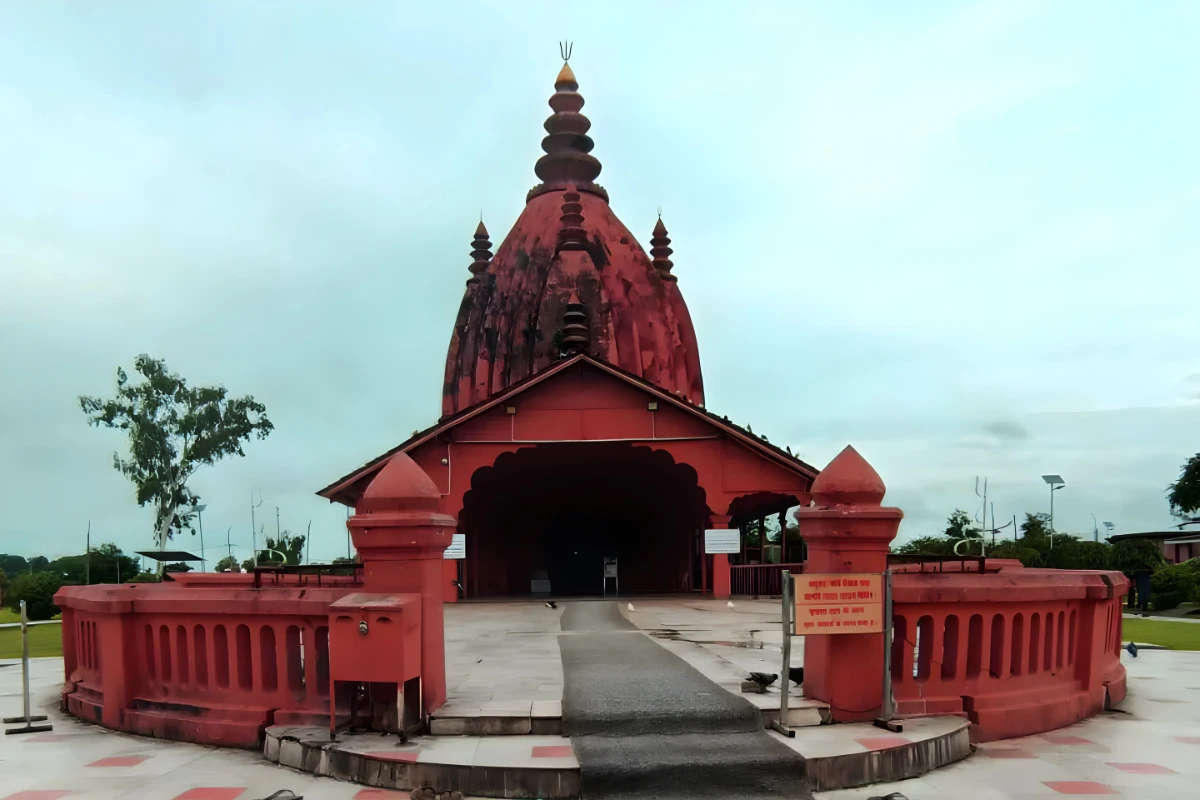



The Swahid Smarak Kshetra in Pachim Boragaon, Guwahati, stands as a monumental tribute to the martyrs of the Assam Movement (1979-85), who laid down their lives to safeguard Assam’s identity, culture, and pride. Developed by the Implementation of Assam Accord Department and executed by PWD (Building), this complex symbolizes the collective resilience and enduring spirit of the Assamese people. Built at a cost of ₹94.66 crore, the memorial integrates history, art, and modern amenities, making it a must-visit destination for tourists, students, and culture enthusiasts alike.
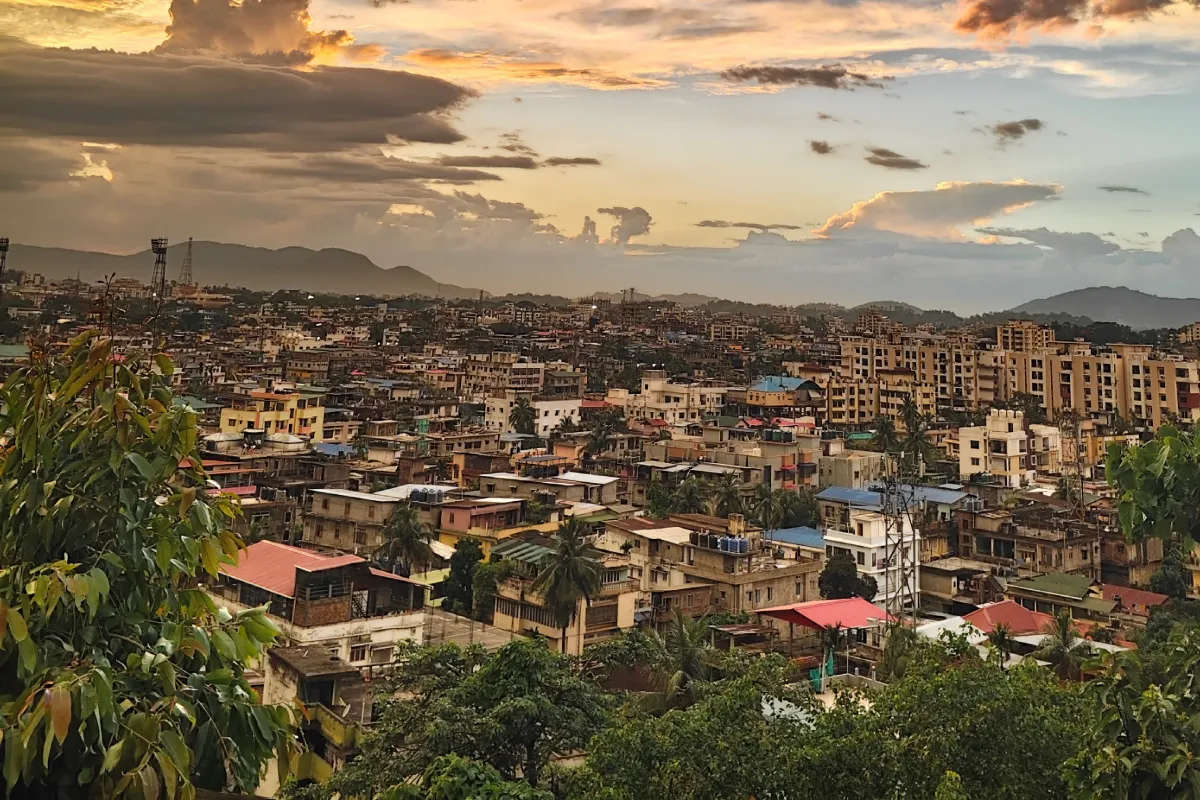
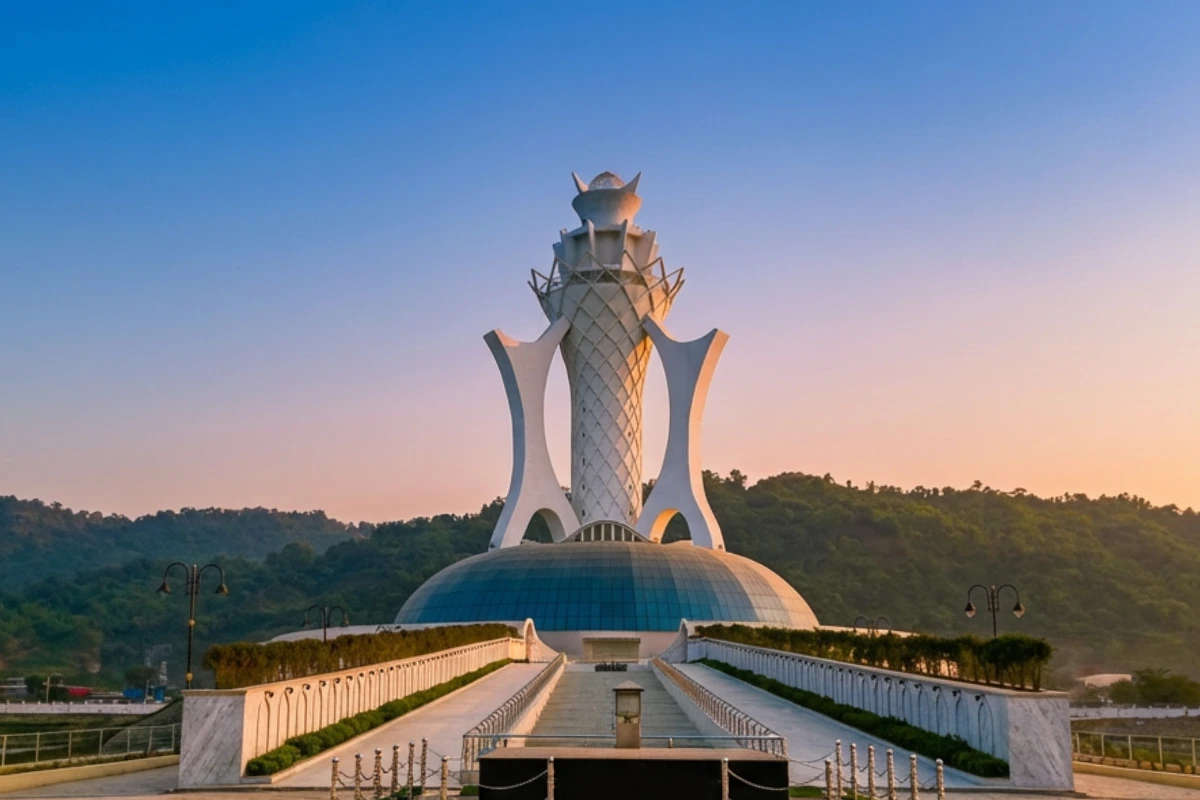
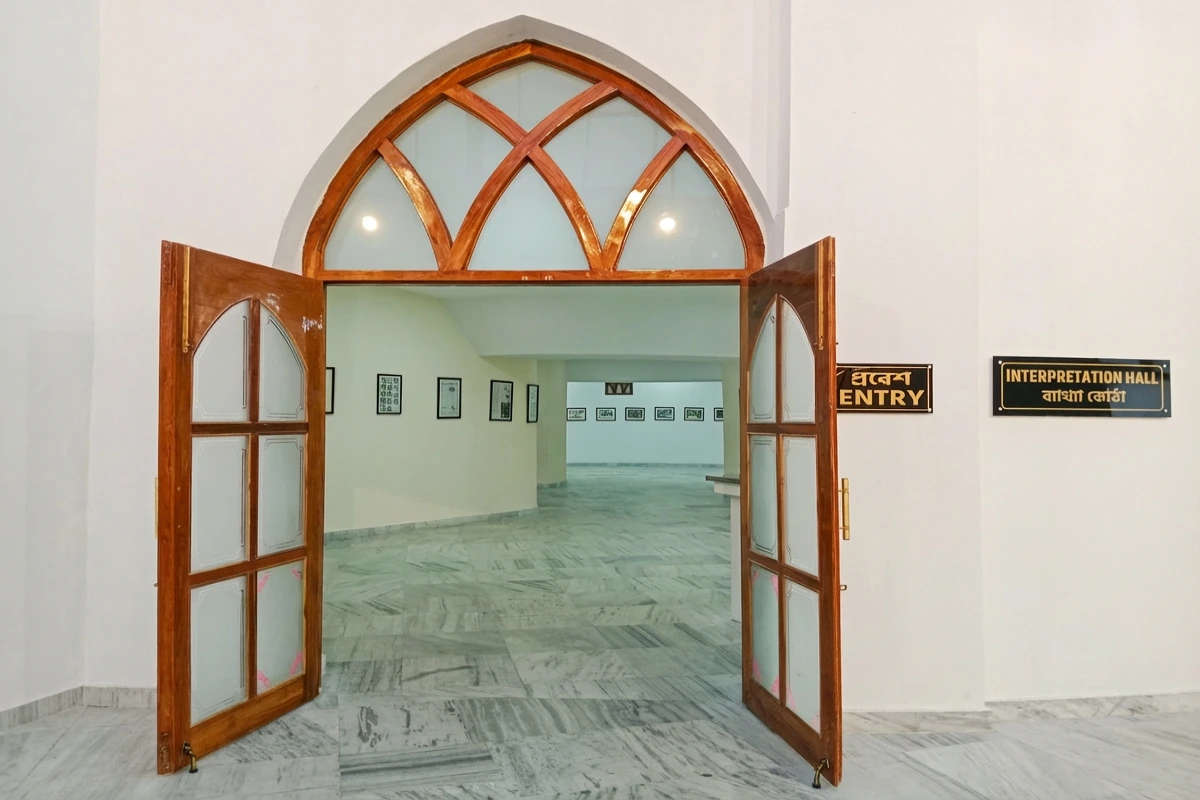
At its heart lies a 60-meter-tall towering statue with three abstract human figures. The complex prominently displays the names and busts of over 860 martyrs, ensuring the memory and reverence of their sacrifices. A Reception and Demonstration Hall showcases portraits and historical archives, while a serene Meditation Hall offers space for reflection. The viewpoint at 51.6 meters, accessible via lift, provides panoramic views of Guwahati and the surrounding landscapes.
The memorial also features a 3-meter-wide walkway with a water body, landscaped gardens, and an ethnic food court, creating a blend of cultural, educational, and recreational experiences. An eternal flame (Jyoti) symbolizes the undying spirit of the martyrs and the continuous flame of Assamese culture. The architectural design draws inspiration from Assamese heritage, fostering pride and a sense of belonging. More than a monument, Swahid Smarak Kshetra is a sanctuary of remembrance and a living testament to Assam’s history.
Discover the rich history of Assam and pay tribute to the martyrs of the Assam Movement (1979–85) who shaped the state’s identity. The memorial preserves the legacy of over 860 brave individuals, offering visitors an educational insight into their struggle and sacrifices. Walking through the complex, one can reflect on Assam’s journey to protect its culture, language, and dignity, making it both inspiring and thought-provoking.
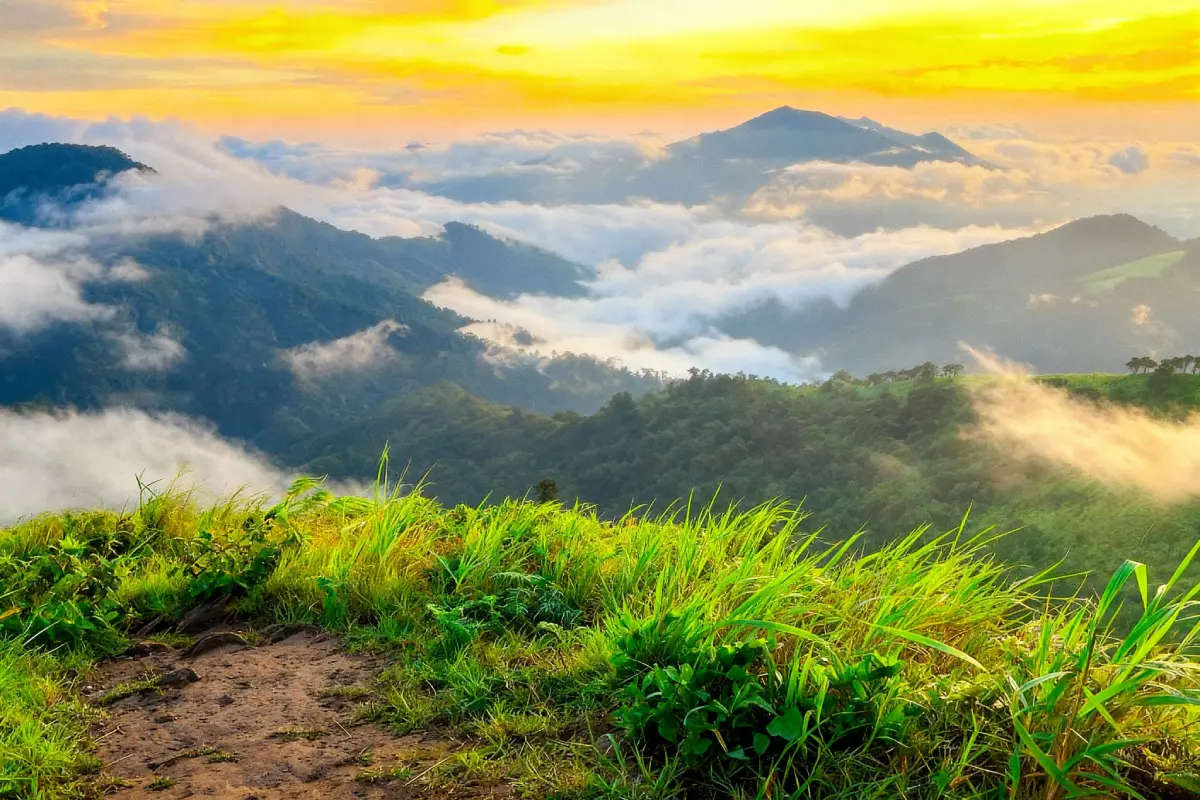
Enjoy breathtaking panoramic views of Guwahati and its surrounding landscapes from the memorial’s viewpoint. The well-designed terraces and elevated platforms provide perfect spots for photography and peaceful reflection. The combination of landscaped gardens, water bodies, and open walkways enhances the overall visual and cultural experience.
Explore the Memorial Halls: Visit the Reception, Demonstration, and Meditation Halls to learn about the Assam Movement and the stories of the martyrs.
Photography: Capture stunning shots of the towering statue, grand tower, landscaped gardens, and scenic viewpoints.
Leisure Walks: Stroll along the wide walkways and around the water bodies, soaking in the peaceful ambiance.

Distance From Guwahati City: 4 Km

Nearest Town / City: Guwahati(4 Km)

Nearest Railway Station: Kamakhya Junction(7 Km)

Nearest Bus Stoppage: Lokhra Bus Stand(1.83 Km)

Nearest Airport: LGBI Airport, Guwahati(19 Km)
By Road: Swahid Smarak Kshetra is about 4 km from Guwahati city and is easily accessible by road. You can reach the memorial via Pachim Boragaon Road, which connects well with major city areas. Auto-rickshaws, city buses, app-based cabs, and private vehicles are readily available. The ISBT Guwahati, located around 6 km away, offers frequent bus services to nearby areas.
By Rail: The nearest railway station is Kamakhya Junction, approximately 7 km from the memorial. From the station, you can hire a taxi or take local transport to reach Swahid Smarak Kshetra comfortably.
By Air: The closest airport is Lokpriya Gopinath Bordoloi International Airport (LGBI), about 19 km away. From the airport, prepaid taxis and app-based cab services are available for a direct and convenient journey to the site.
The ideal time to visit Swahid Smarak Kshetra is between October and March, when the weather in Guwahati is pleasant and comfortable for sightseeing. During this period, visitors can enjoy clear skies, mild temperatures, and vibrant surroundings, making it perfect for walking around the memorial, exploring the gardens, and capturing panoramic photographs.
Visiting in the morning or late afternoon is recommended to enjoy cooler temperatures and soft natural light for photography. Evening visits can also be beautiful, as the memorial is often illuminated, highlighting its architectural grandeur.
*Advertisement