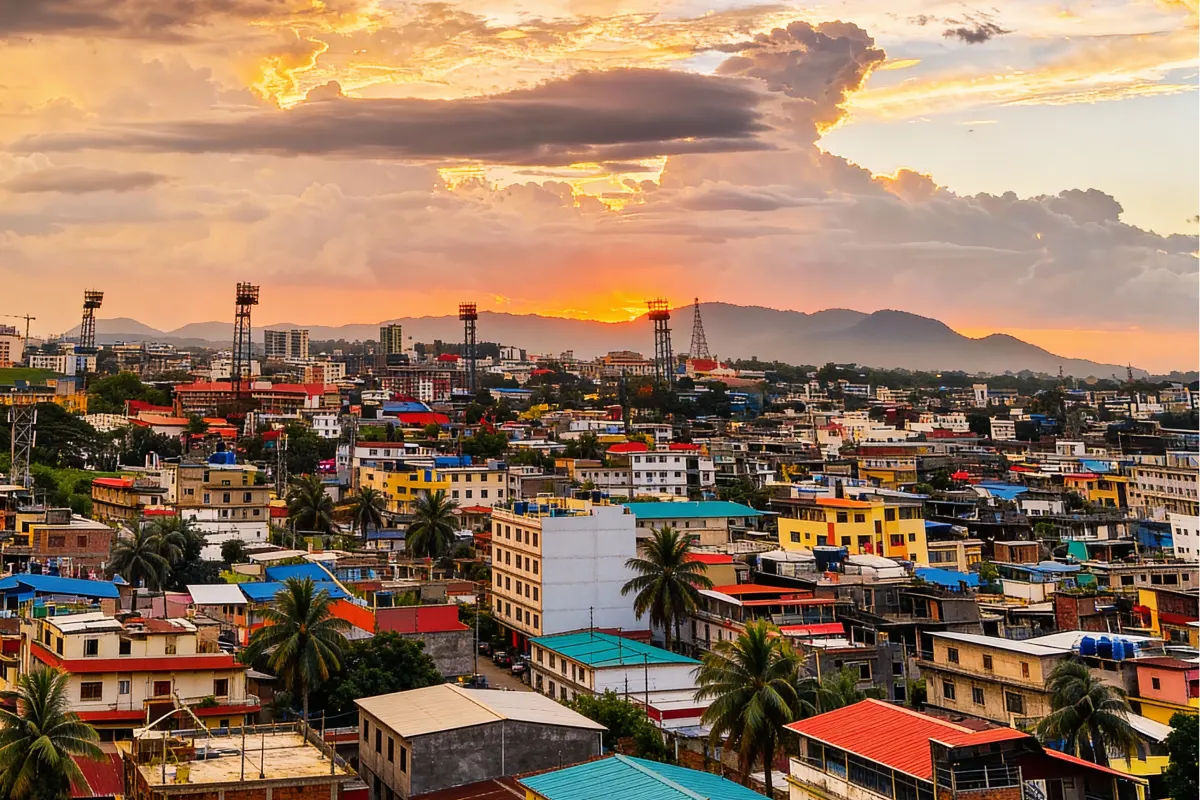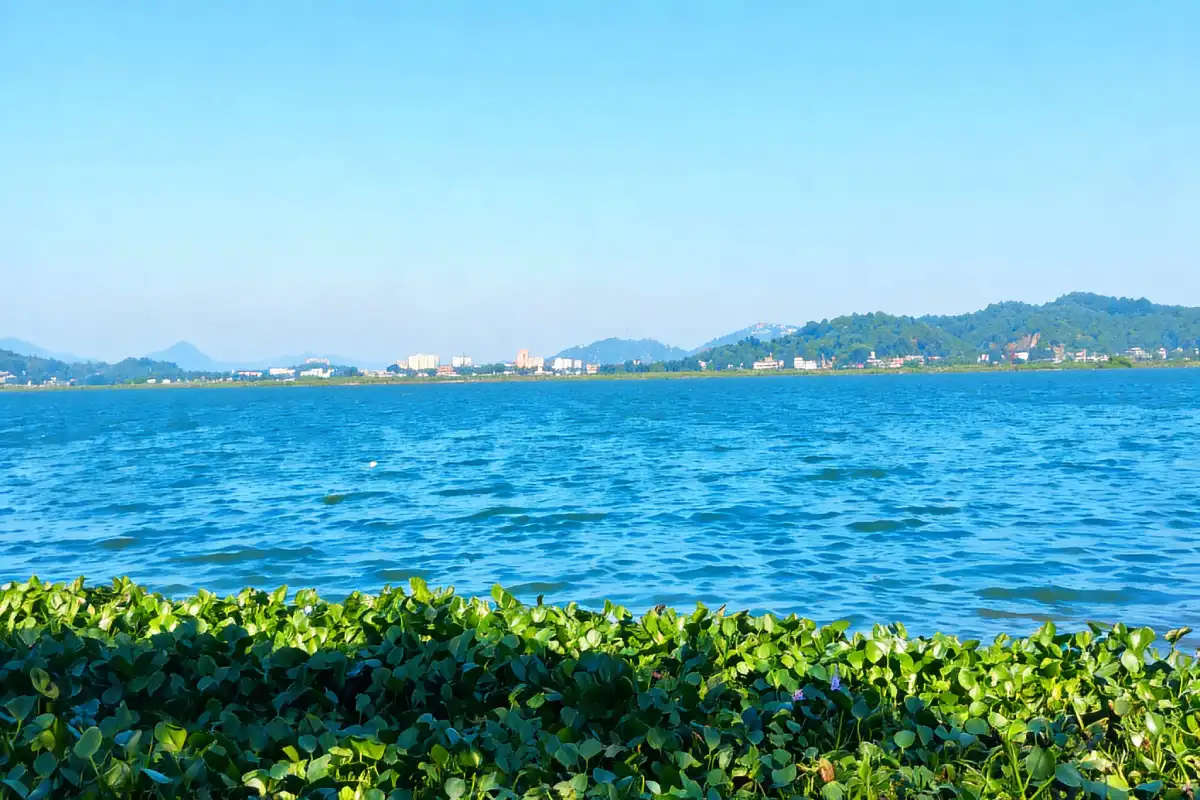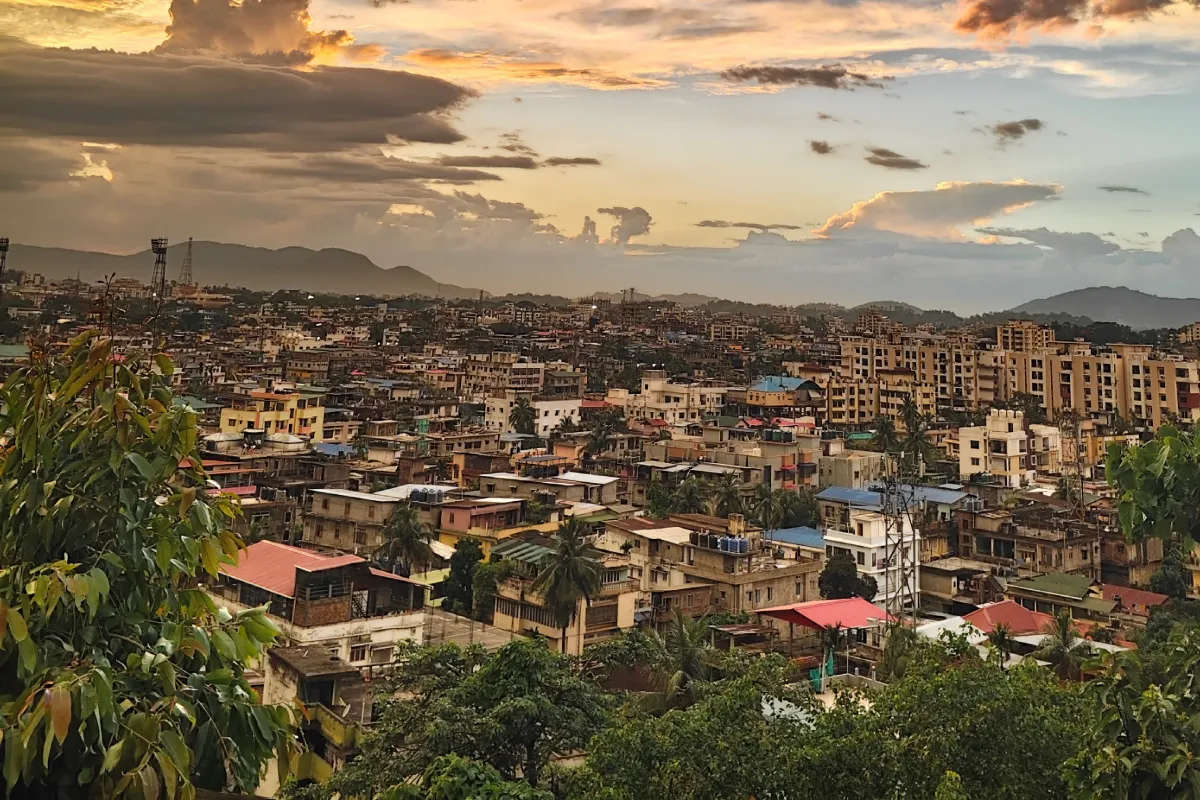


Guwahati city stands as a unique symbol of the spiritual glory of Northeast India. People usually associate Kamrup with its urban atmosphere, natural beauty, and numerous temples. In ancient times, Kamrup was renowned for its rich traditions in tantric practices, culture, rituals, and spiritual heritage. Every corner of Kamrup still seems to echo the rich history of ancient Assam.
Do you wish to visit and worship Lord Shiva in a place surrounded by complete calm and natural peace? Then let's go to the one remarkable destination, Bhimashankar Dham Jyotirlinga, a unique symbol of the spiritual pride of Northeast India. It stands as an important center of Shaivite worship and offers an atmosphere of divine peace, silent prayers, and inner tranquillity. The people of Assam consider Bhimasankar Dham the sixth Jyotirlinga among the twelve.
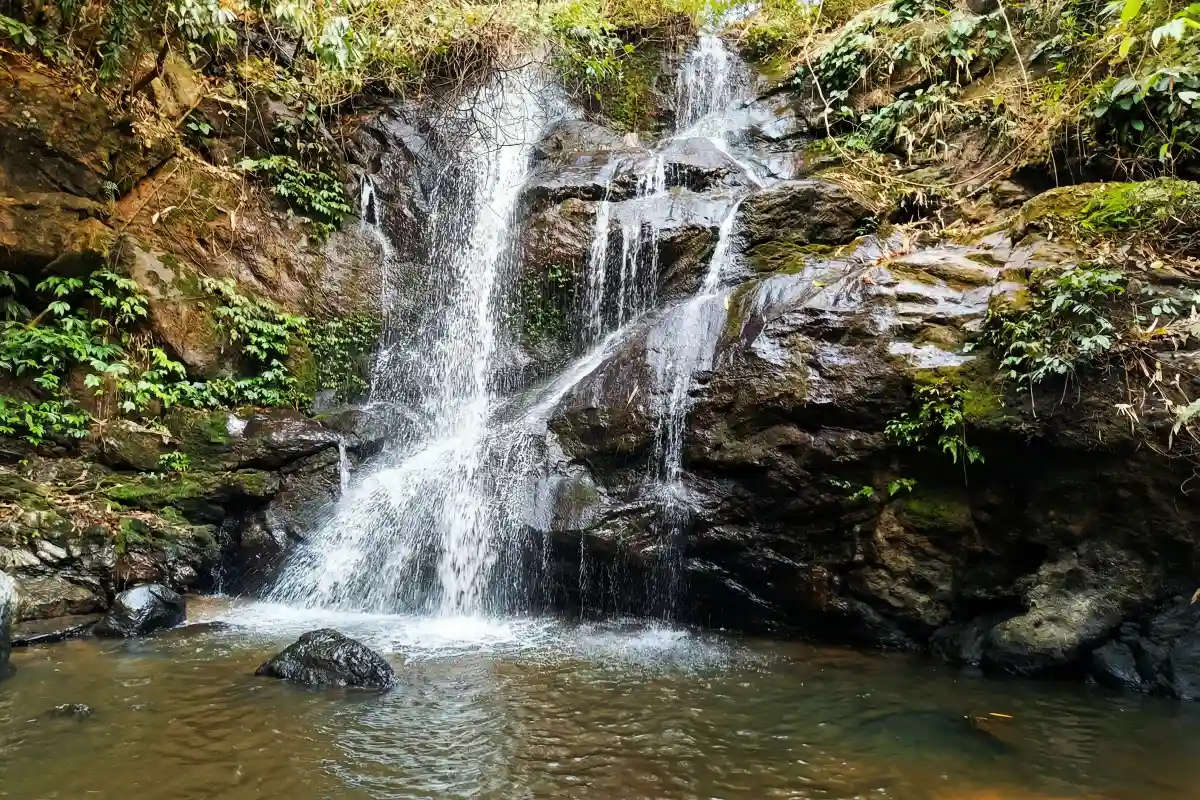
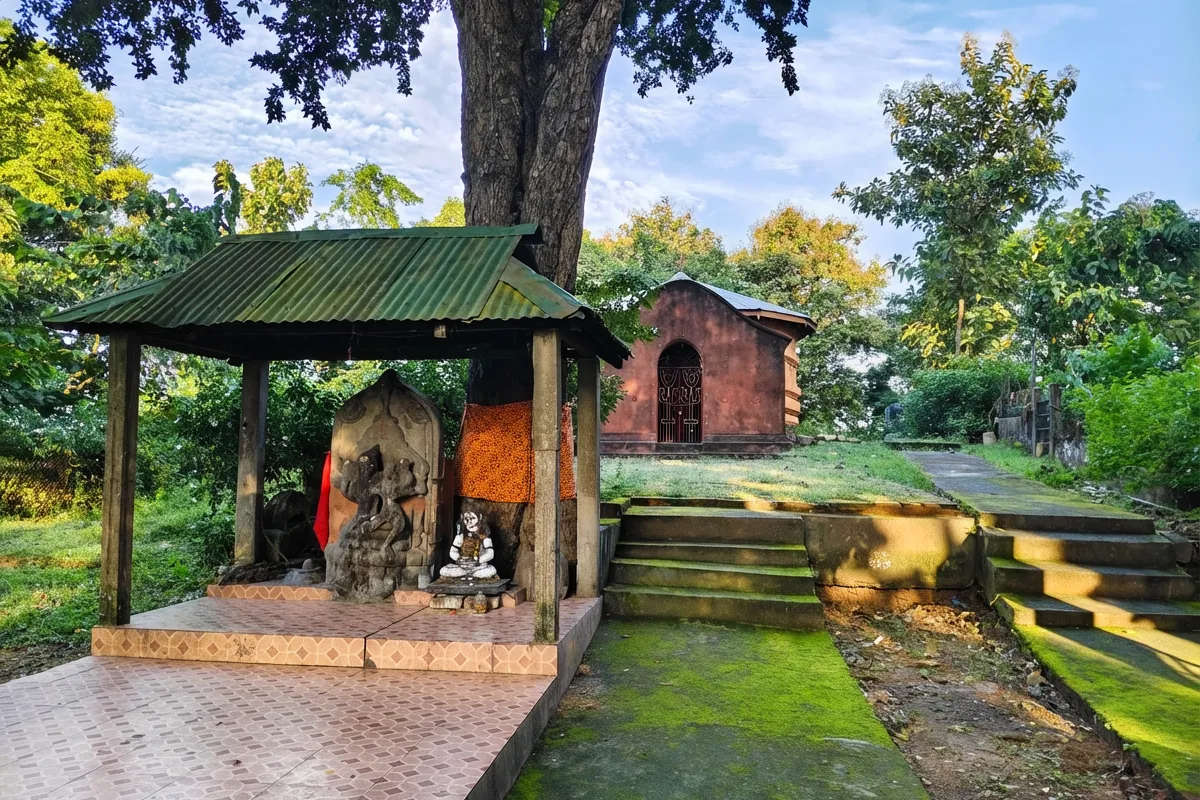
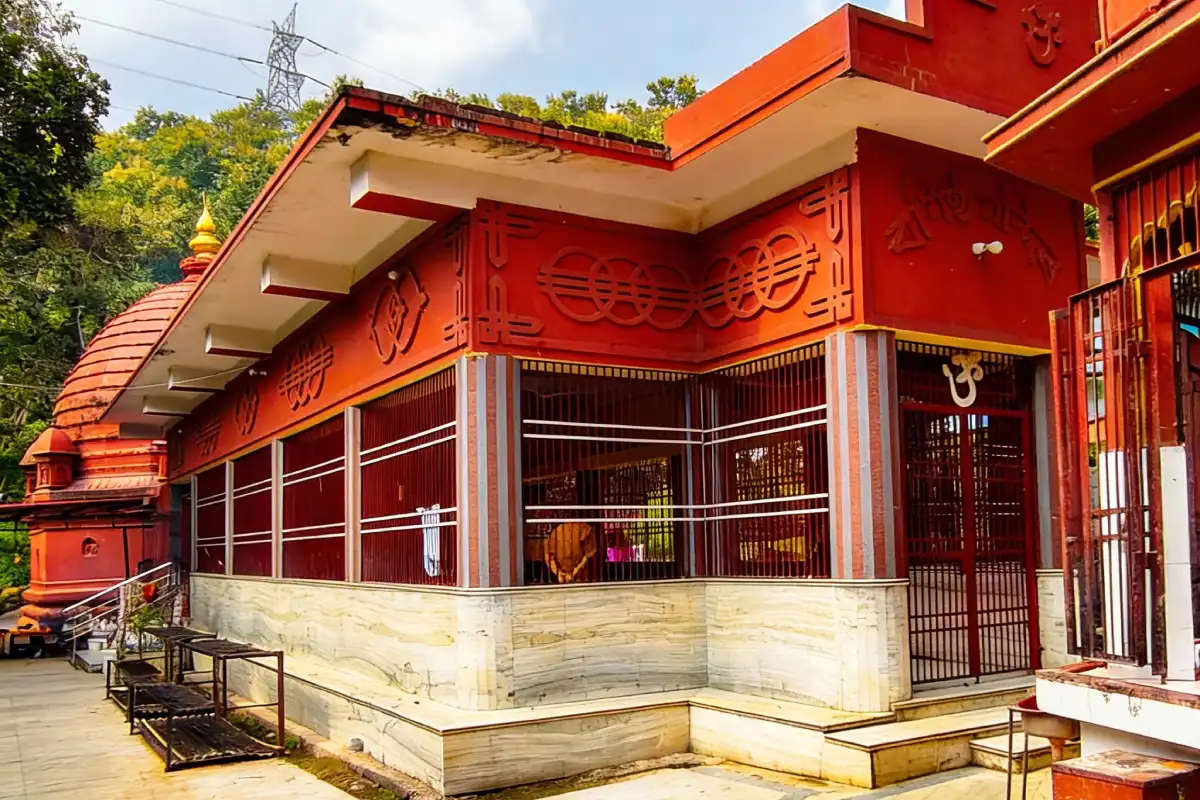
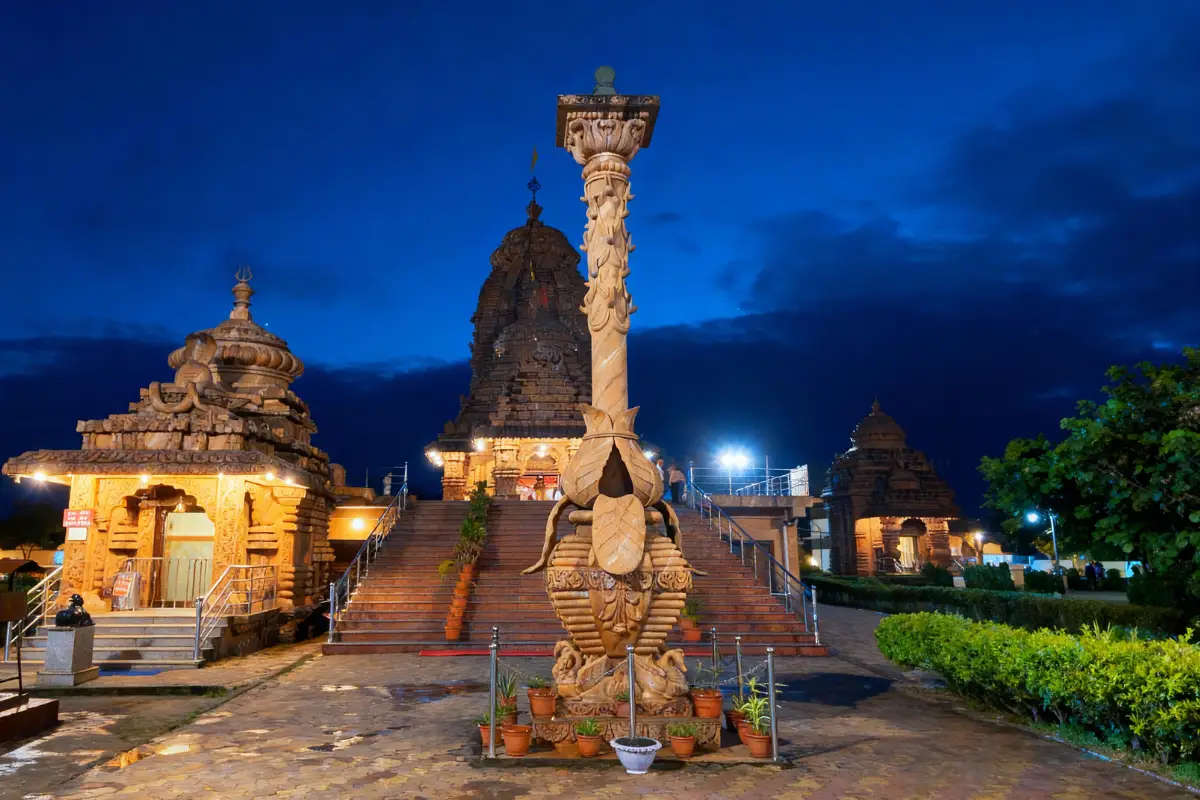
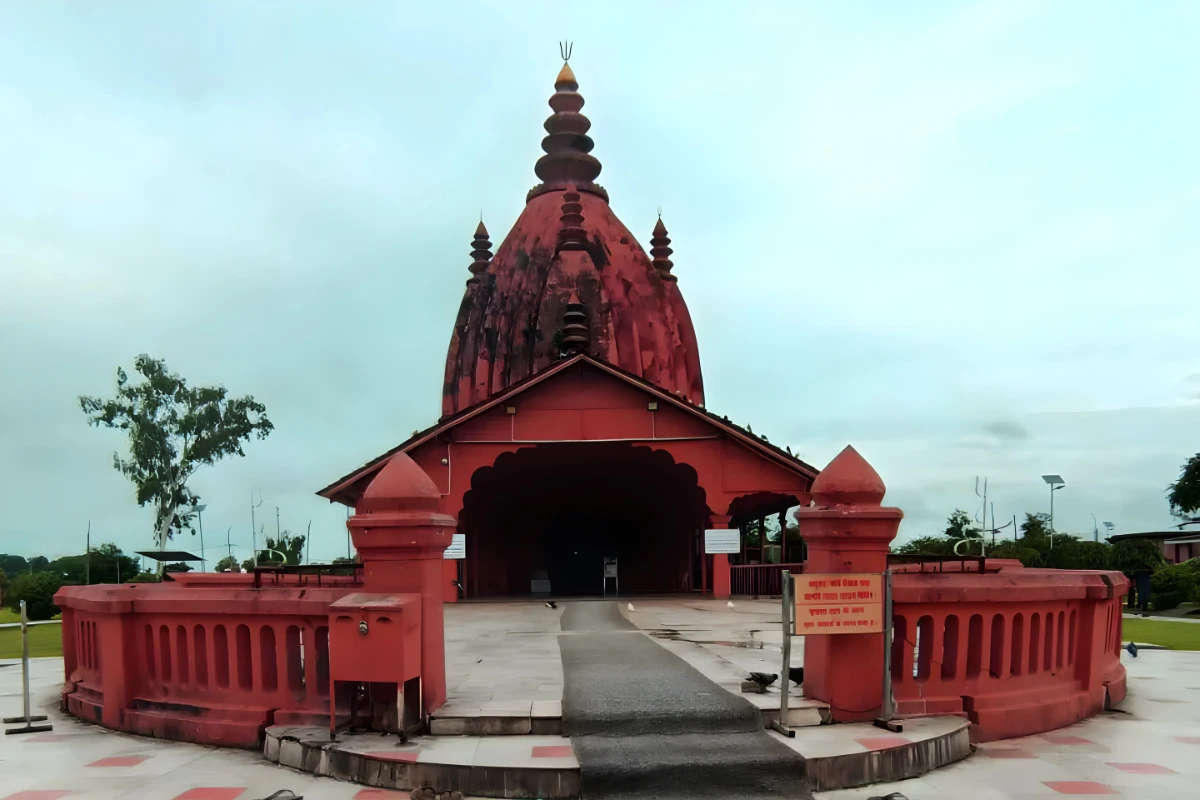
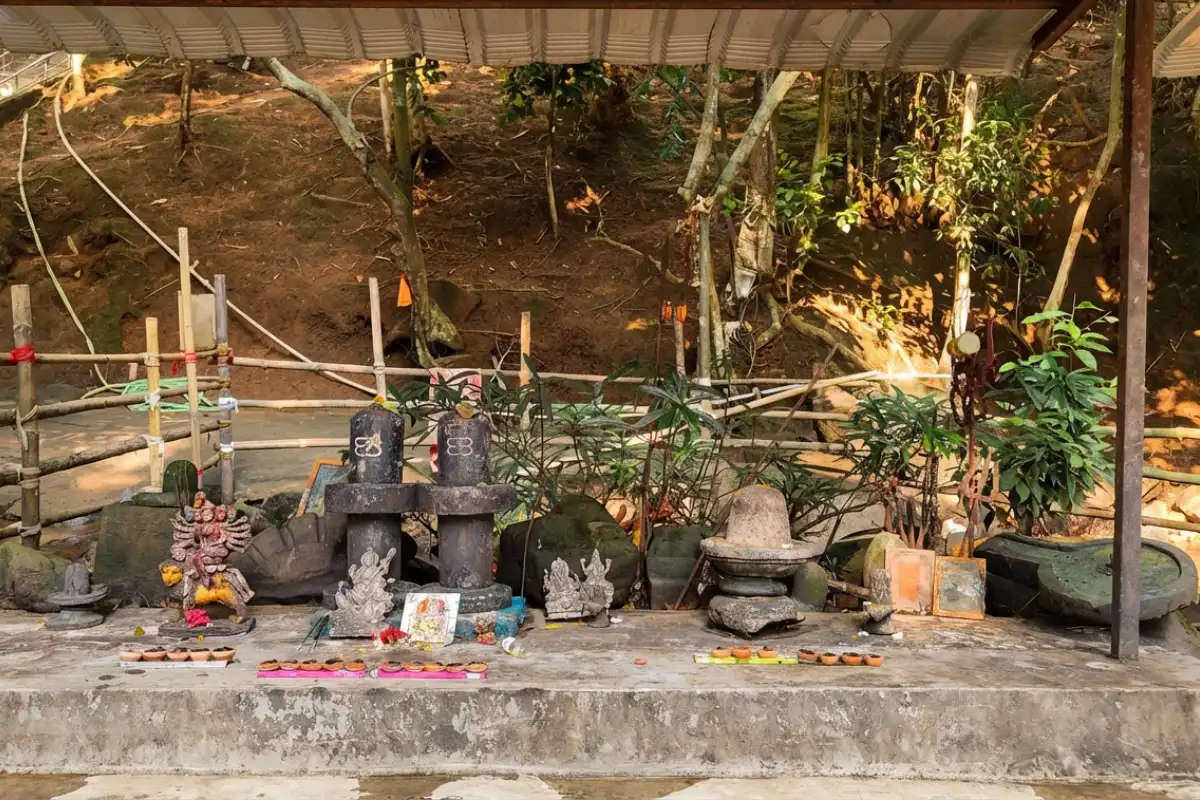
Unlike other temples in Assam, Bhimashankar Dham Jyotirlinga does not have a traditional temple structure. Worship takes place here, but it does not resemble a grand stone-built shrine. Lord Shiva resides directly in the lap of nature. To reach the main worship site, you must cross a small stream. According to legend, this flowing water originated from Lord Shiva’s sweat after his battle with Bhimasura, and people call it Mata Ganga. This natural stream from the hills performs abhishek of the Shivlinga 24 hours a day. During the monsoon, the Shivlinga remains completely underwater.
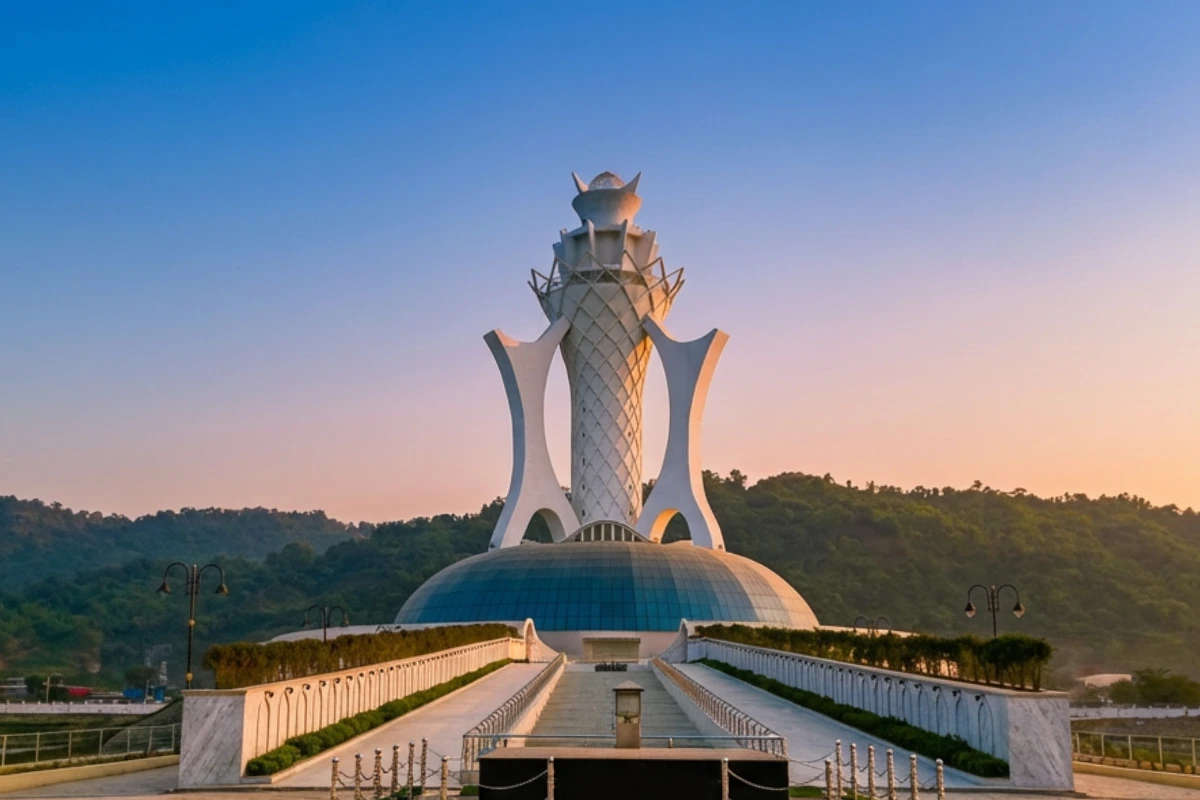
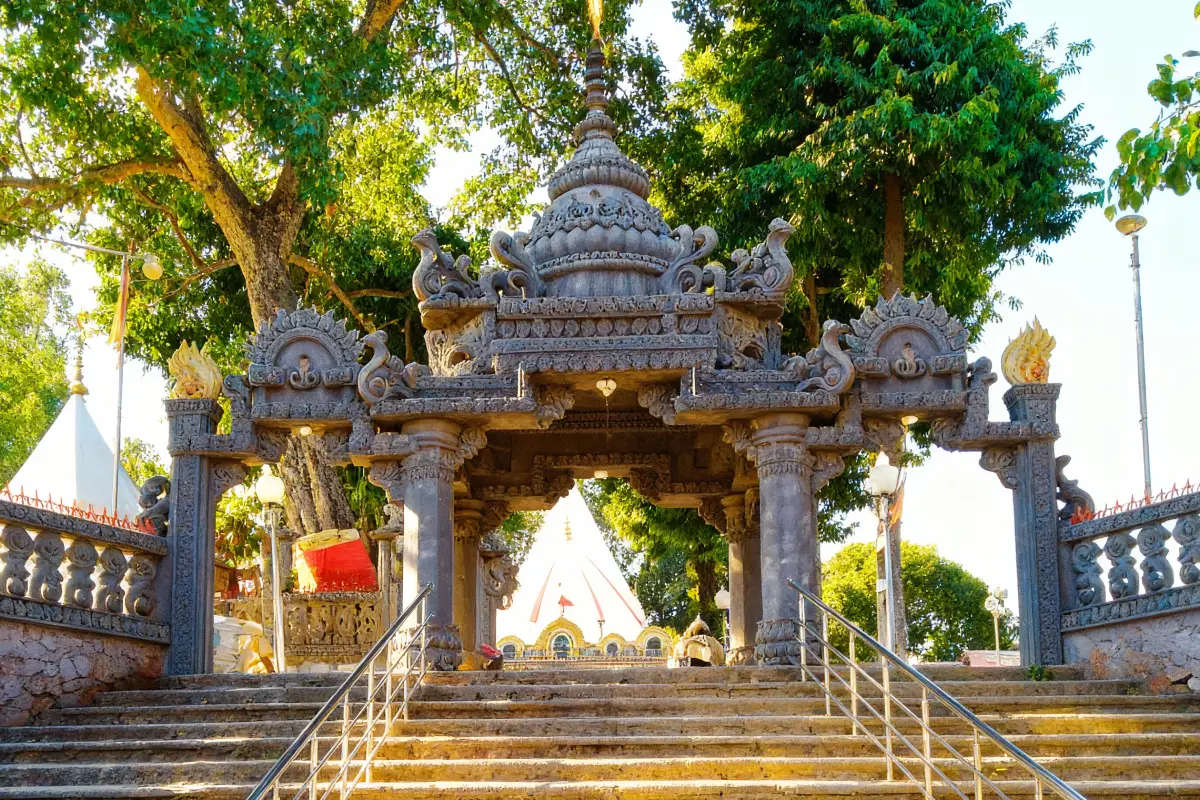
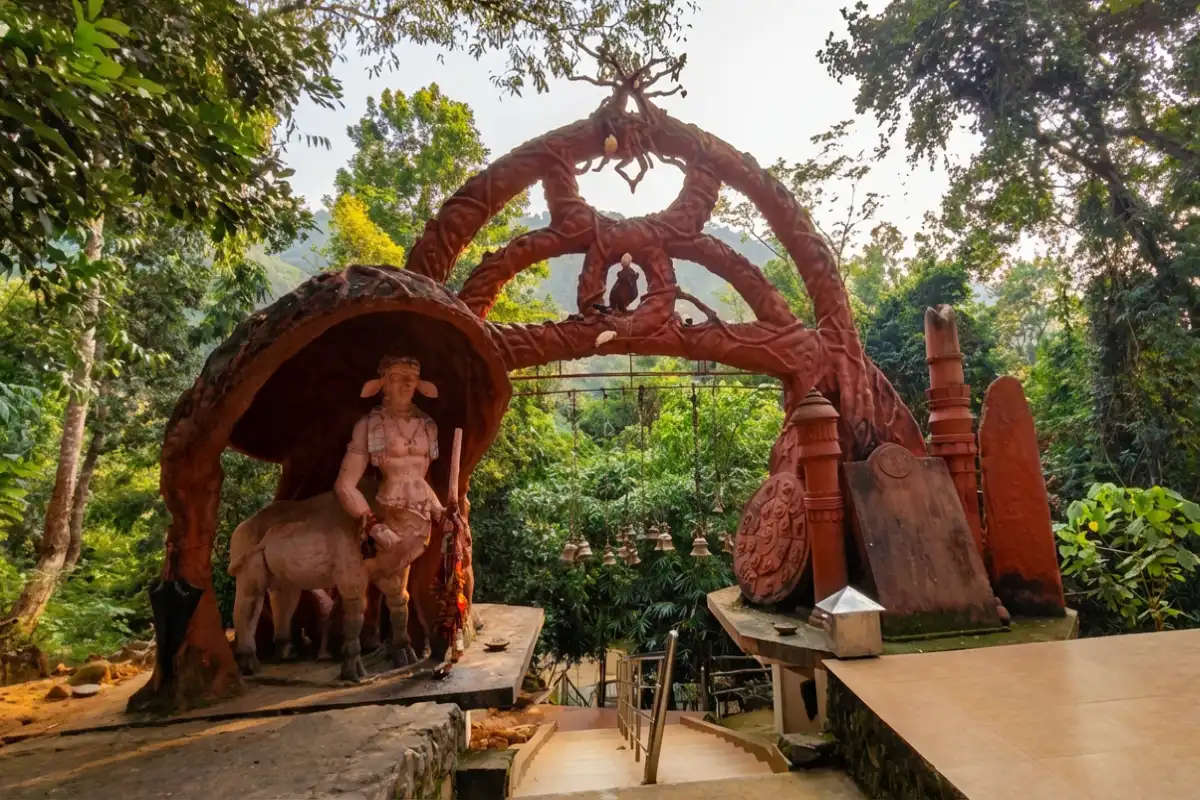
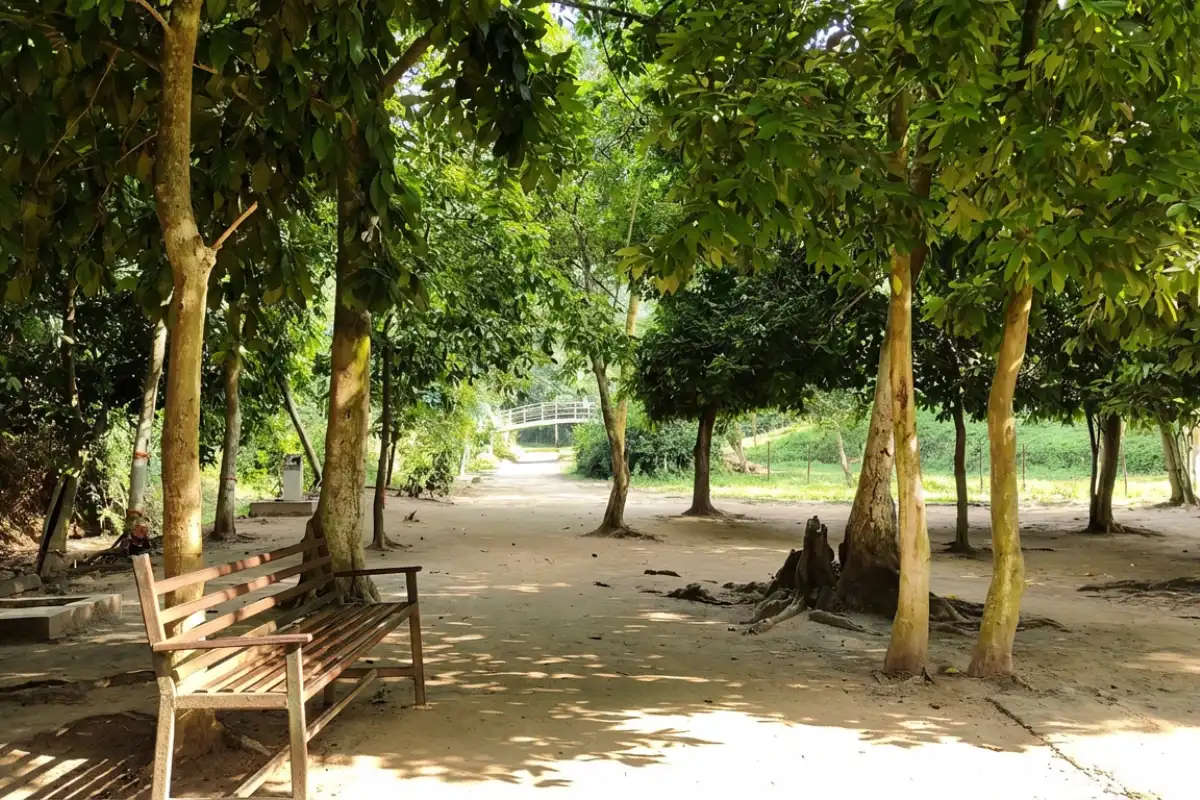
Near the entrance of this dham stands an ancient Ganesh Temple. People believe that this Ganesh Temple protects Lord Bhimashankar. After walking a short distance from the Ganesh Temple, you will reach Bhimashankar Dham Jyotirlinga. The path offers breathtaking views of evergreen trees and hills. The entrance of the dham looks beautiful, striking, and unique. At the gateway, you will see Nandi Maharaj, the divine guardian of the temple, depicted as half-human and half-bull. You will also notice a circular stone disc engraved with the twelve zodiac signs, with a Shivlinga and a human figure at its center.
This entire place stands far away from the noise of the city. When you visit, you will feel your inner spirituality awaken in the middle of this serene natural beauty. You may even sense a divine, unseen energy around you.
Like the other sacred Jyotirlingas of India, this Bhimashankar Dham Jyotirlinga is regarded as the 6th among the twelve Jyotirlingas. Devotees from different parts of the country visit this holy site to experience and feel the spiritual power of this sixth Jyotirlinga. You, too, can visit this sacred place to soak in its deep divine energy.
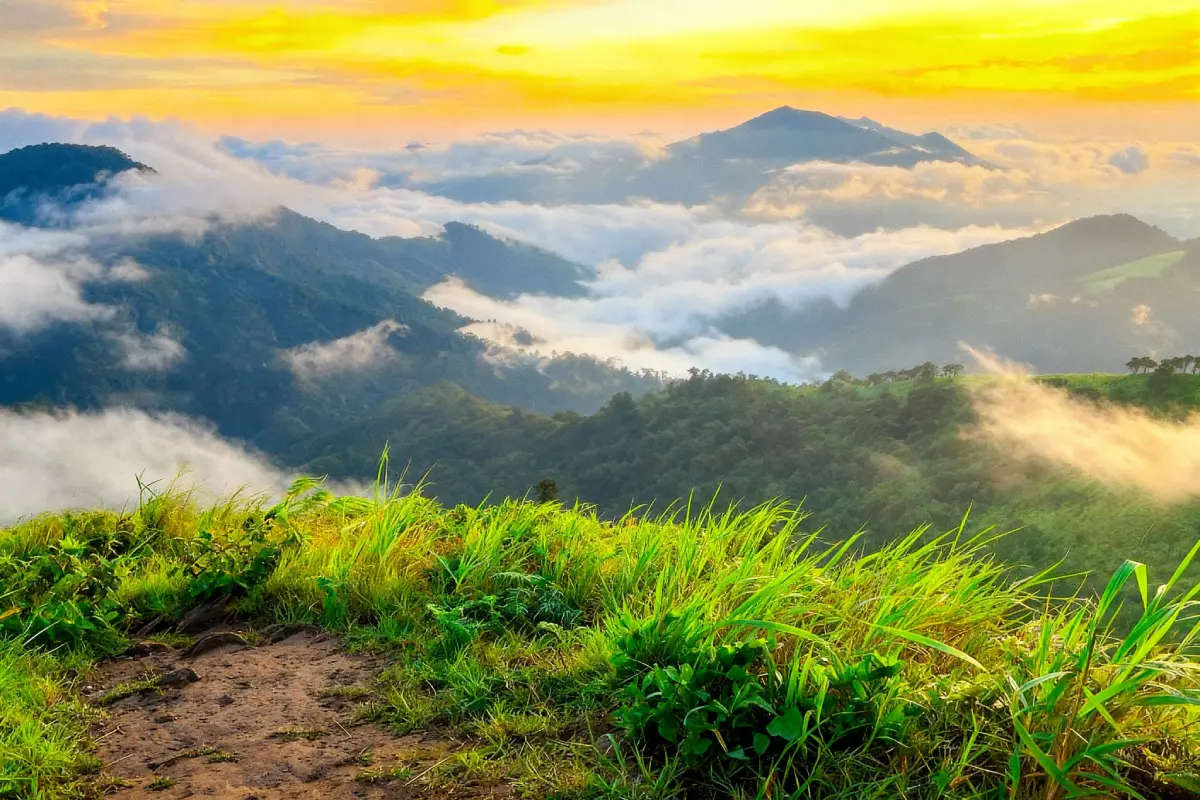
This place is located slightly away from the noise of the city. Bhimashankar Dham Jyotirlinga stands at the foothills of lush green mountains covered with tall trees. The peaceful surroundings and cool breeze here give you a heavenly feeling. Especially during summer, this place feels like a natural air conditioner.
Bhimashankar Dham Jyotirlinga is beautifully surrounded by green hills and thick forests, which give it a unique charm. Here, Lord Shiva seems to reside in the lap of serene nature. The quiet atmosphere and deep spiritual aura transport you back to ancient Hindu worship practices, when people worshipped the divine directly in the heart of nature.
Experiencing the divine presence of Lord Shiva in the silent natural surroundings of Bhimashankar Dham Jyotirlinga feels truly unique. Here, you can sense a positive energy in the calmness of nature. So, if you want to offer prayers to Mahadev, you can visit this sacred place.
A visit to Bhimashankar Dham Jyotirlinga refreshes your mind and body instantly. Everything here looks completely natural. You can take a walk around the area and feel the cool breeze coming from the lush green hills nearby.
It’s almost impossible to leave this place without capturing a few photos on your phone or camera. The stunning natural beauty, the small streams flowing through the rocks, and the peaceful surroundings make it a perfect spot for photography. So, if you are visiting Assam and Guwahati, you must come here.

Distance From Guwahati: 5

Nearest Town / City: Guwahati(5)

Nearest Railway Station: Kamakhya Railway Station(12)

Nearest Bus Stoppage: Lokhra Bus Stoppage(5)

Nearest Airport: Lokpriya Gopinath Bordoloi International Airport.(15)
Once you reach Guwahati, travelling to Bhimashankar Dham Jyotirlinga becomes very easy and smooth. This place is well-connected to the main city, and the transportation options are convenient. So, let’s plan the journey without delay.
Bhimashankar Dham Jyotirlinga is located very close to Guwahati city. It is only 4–5 km from Guwahati ISBT. You can reach the dham by private car or by booking a cab. Rickshaws are also available, offering a budget-friendly option. You can reach the destination via the main road, NH 27, and then take the Garchuk–Pamohi Road.
If you are travelling by train, the nearest railway station to Bhimashankar Dham Jyotirlinga is Kamakhya Junction in Pandu. From these locations, it takes only about 30 minutes to reach the dham. You can travel via NH 27 or PNGB Road. From Kamakhya Junction, you can hire a private vehicle or book a cab. If you choose public transport, you can travel up to the main road and proceed from there. Guwahati Railway Station is about 18–19 km away. If you get down here, you can easily reach the dham without any difficulty.
Lokpriya Gopinath Bordoloi International Airport, Borjhar, is the nearest airport to this location. If you are travelling by flight, the journey from the airport to the Dham will take approximately 30 minutes to 1 hour. Public transport and cabs are available, and you can travel via NH 17 and NH 27 to reach Bhimashankar Dham Jyotirlinga. If you prefer a shorter route, consider taking the Maghuwapara Road, which offers a convenient journey.
You can visit Bhimashankar Dham Jyotirlinga during any season of the year. Each season creates a unique and beautiful atmosphere around this place. Generally, winter and early winter are considered the best seasons to travel anywhere because the weather stays clear and pleasant, making outdoor activities more enjoyable. If you want to explore the surroundings comfortably, winter will be the best time for you.
During the summer season, even though there is heavy rainfall, this place becomes perfect for escaping the heat. It feels like natural air-conditioning. Unlike other pilgrimage sites in Assam, this place does not attract large crowds, so you can visit on any day of the week according to your convenience. So, if you are planning to explore Guwahati, make sure you don’t miss this hidden gem.
A popular legend explains the origin of the Bhimashankar Dham Jyotirlinga. According to the Shiva Purana, Kumbhakarna, the brother of Ravana, fell in love with Karkati, the daughter of the king of Patal Lok. When Ravana came to invite Karkati’s father and Kumbhakarna to join the war against Rama, Kumbhakarna refused to accompany him unless Ravana agreed to their marriage. On Narada’s advice, Ravana finally accepted the proposal, and Kumbhakarna married Karkati. Soon after the marriage, he left for the battlefield.
After Kumbhakarna died in the war, Karkati gave birth to his son, who was named Bhimasura. Bhimasura performed severe penance to obtain immense strength from Brahma and also asked for a boon that Vishnu would never be able to kill him. Later, he challenged Vishnu to a battle. Vishnu accepted the challenge but deliberately lost the fight to honour Brahma’s boon. This victory made Bhimasura extremely arrogant, and he started conquering various kingdoms. He imprisoned King Priyadharman (also called Kamrupeshwar) and his wife, Dakshina Devi of Kamrup.
Even inside the prison, the king and queen continued worshipping Lord Shiva. When Bhimasura sent his soldiers to stop their worship, Shiva’s anger destroyed them instantly. Bhimasura then attempted to kill King Priyadharman. During the attack, the king was deep in worship at this very place, and his sword accidentally fell on the Shiva Linga. In that moment, Lord Shiva manifested before him and killed Bhimasura. It is believed that the drops of sweat that fell from Shiva’s body formed a stream that still flows over the Jyotirlinga.
The place where the king worshipped Shiva was named Bhimeshwar. Later, at the request of the gods, sages, and devotees, Shiva agreed to remain there forever as Bhimashankar. Today, this sacred site is known as Bhimashankar Dham Jyotirlinga.
*Advertisement