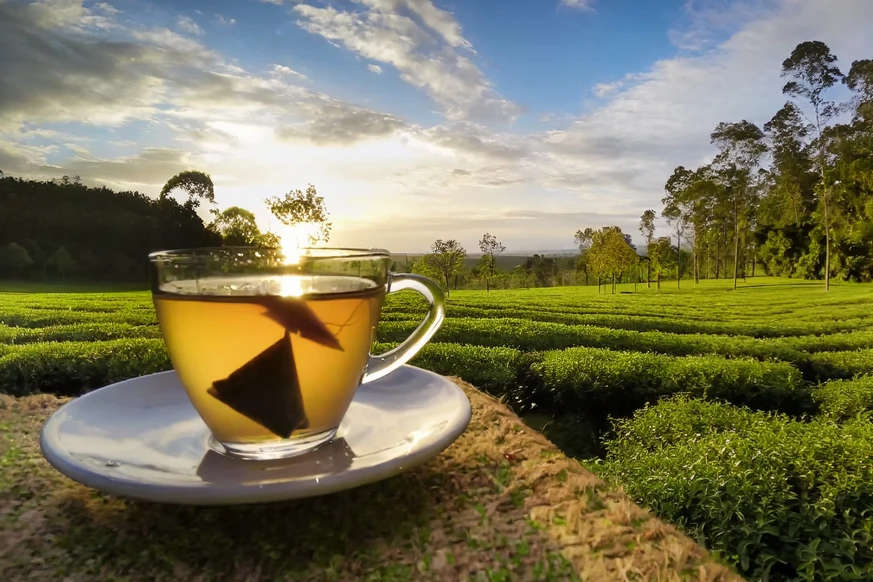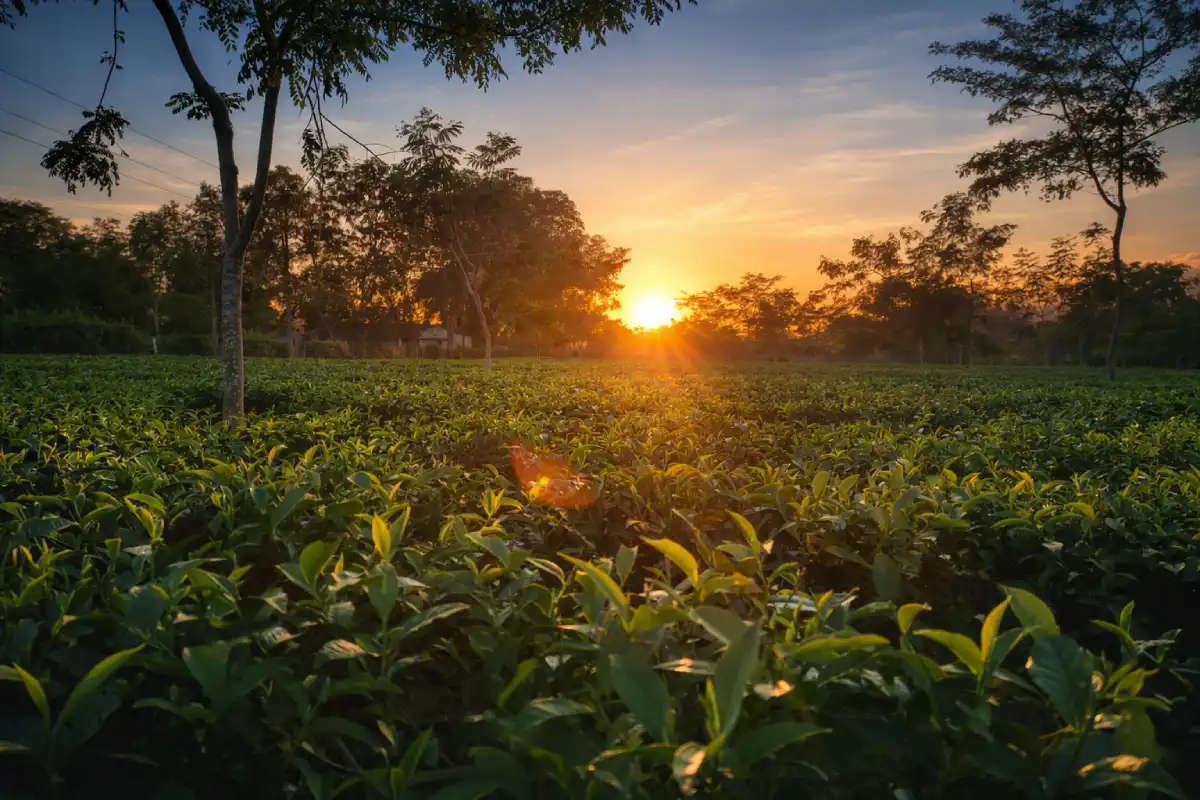
Dibrugarh is a lively city in Upper Assam, widely known as the Tea City of India. Located on the banks of the mighty Brahmaputra River, it is an important commercial, cultural, and travel hub of eastern Assam. Over time, Dibrugarh has grown from a historic river port into a modern city while still retaining its natural charm and cultural roots. The city is surrounded by vast tea gardens that stretch across the horizon, offering visitors a calm and refreshing environment. These tea estates define the landscape of Dibrugarh and provide a unique opportunity to experience Assam’s tea heritage up close.
Dibrugarh also serves as a gateway to several scenic destinations in Upper Assam. Its riverfront location adds to its appeal, with river cruises and sunset views along the Brahmaputra being key attractions. The city’s well-planned roads, open spaces, and relaxed pace make it ideal for travelers seeking both comfort and exploration.
Culturally, Dibrugarh reflects a blend of traditions shaped by tea tribes, indigenous communities, and colonial influences. Local festivals, traditional cuisine, and vibrant markets offer a glimpse into everyday life in Upper Assam. With excellent rail, road, and air connectivity, Dibrugarh is easy to reach and well-suited as a base for exploring nearby tourist destinations. Its combination of natural beauty, tea heritage, river landscapes, and urban convenience makes Dibrugarh a charming destination for travelers looking to experience the essence of Assam.
Dibrugarh holds a significant place in the history of Assam due to its strategic location along the Brahmaputra River. During the Ahom period, the area served as an important administrative and trading region. Later, under British rule, Dibrugarh developed as a major river port and commercial centre, playing a key role in the expansion of the tea industry in Upper Assam. The establishment of tea gardens transformed the region and shaped its economic and social identity.
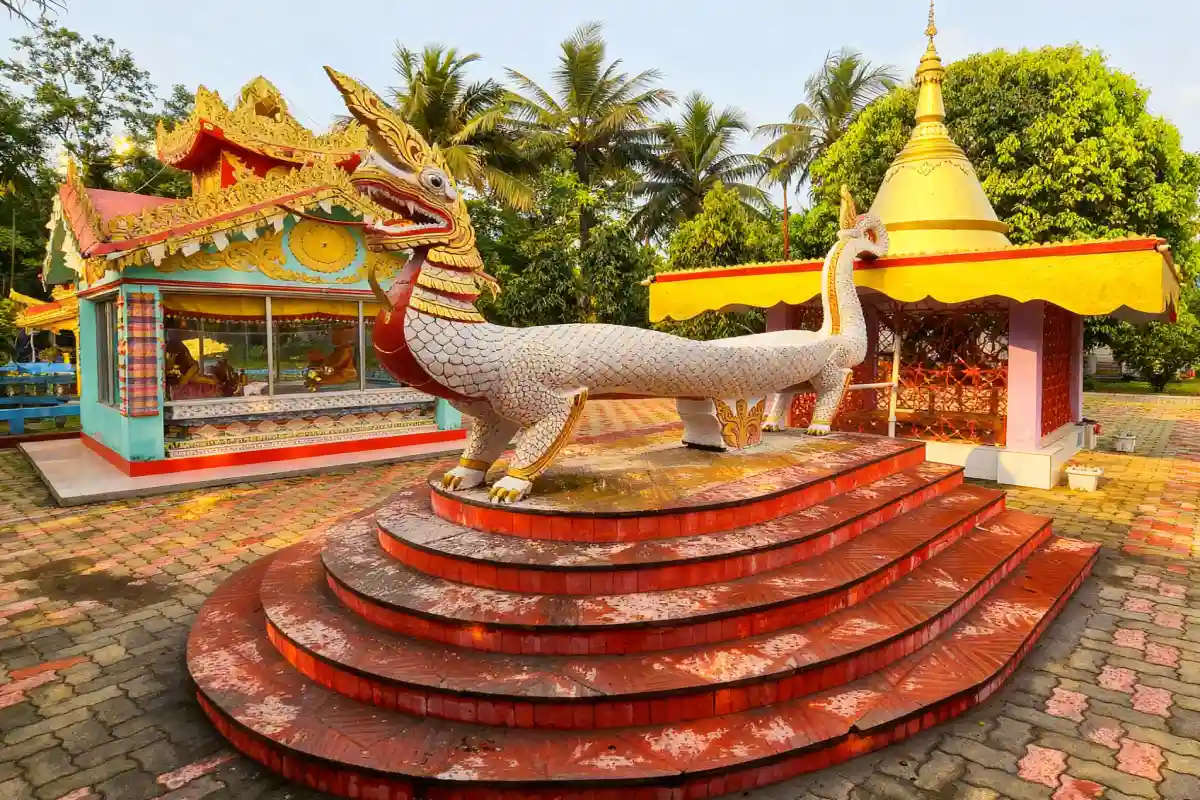
Culturally, Dibrugarh reflects the diverse heritage of Upper Assam. The city is home to various communities, including indigenous groups, tea tribes, and settlers from different parts of India. It is also closely connected to the Tai Phake (Namphake) community, known for preserving their traditional language, customs, and Buddhist way of life. This cultural diversity is visible in local festivals, traditional music, dance forms, and everyday customs.
The influence of the tea industry has also contributed to Dibrugarh’s cultural landscape. Tea estates introduced new lifestyles, work traditions, and colonial-era architecture, some ofwhich can still be seen today. Local cuisine, language, and markets further add to the city’s cultural richness.
Today, Dibrugarh stands as a blend of history and modernity. Its past as a trade centre and tea hub, combined with its vibrant cultural life, makes it an important destination for travelers interested in understanding the heritage and traditions of Assam.